The Story of State Fair
State Fair follows the Frake family—hardworking Texan farmers who arrive at the Dallas State Fair with their sights set on winning. The parents are laser-focused on capturing blue ribbons in livestock and cooking competitions, the kind of tangible victories that matter when you've spent months raising cattle and perfecting recipes. But their children, Margy and Wayne, have other things on their minds. While Mom and Dad are occupied with judging tables and show rings, the siblings wander the fairgrounds and meet two attractive strangers who'll turn their week upside down. It's a familiar setup—the clash between parental ambition and youthful desire, played out against the bright, buzzing backdrop of a state fair. What unfolds is both a celebration of Americana and a gentle comedy about growing up.
Behind the Making of State Fair
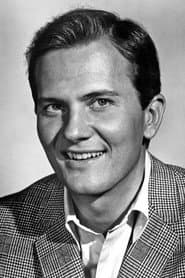
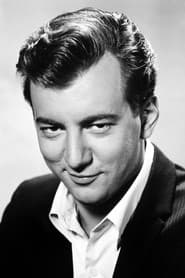
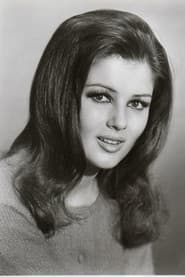
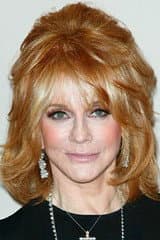
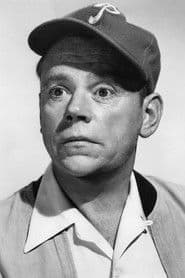
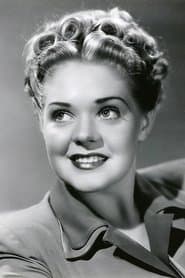
State Fair arrived in 1962 as a remake of the 1945 film of the same name, which itself was adapted from Phil Stong's novel. Director José Ferrer helmed this Technicolor version for 20th Century Fox, bringing in the legendary songwriting team of Rodgers and Hammerstein to craft the musical numbers—no small pedigree in Hollywood's golden age. The cast read like a who's who of early 1960s talent: Pat Boone, Bobby Darin, Pamela Tiffin, Ann-Margret, Tom Ewell, and Alice Faye. Boone and Darin were both pop stars in their own right, which made sense for a musical that needed performers who could carry a tune and hold an audience's attention. The film clocked in at 120 minutes, giving plenty of room for musical interludes and romantic subplots. While it didn't become a box-office juggernaut, the film found an audience among families and musical-comedy fans, and it remains a snapshot of how studios approached the musical genre in the early 1960s—colorful, earnest, and unafraid to stop the plot cold for a song.
What Makes State Fair's Musical Numbers Stand Out
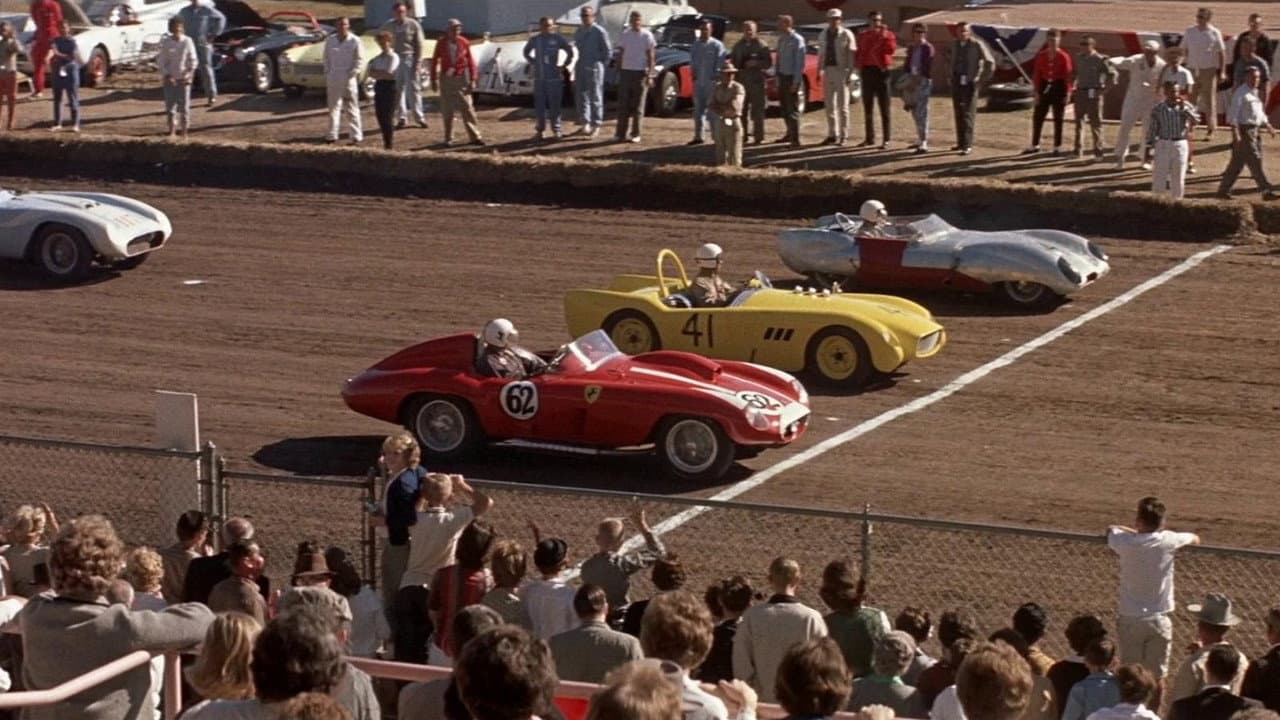
Honestly, the Rodgers and Hammerstein score is the film's backbone. These weren't throwaway tunes; they were written by two men who'd already given the world The Sound of Music, Oklahoma!, and South Pacific. The songs here fit the narrative rather than interrupt it—they're woven into the fair's atmosphere, the romance, the family dynamics. What's striking is how the film doesn't apologize for being a musical. When a character bursts into song, it feels natural to the setting and the emotion. Bobby Darin's charisma carries several numbers, and Ann-Margret brings a youthful energy that makes her romantic storyline feel genuine rather than forced. The performances aren't trying to be subtle or method-acting cool; they're theatrical and direct, which is exactly what this material needs. There's a particular scene where the fair's lights and crowds create this almost dreamlike backdrop for one of the romantic moments—it's the kind of visual storytelling that musicals can pull off when they're working well. Critics have noted the film's earnestness as both a strength and a weakness; it's genuinely wholesome in a way that can feel dated now, but that same quality gives it a certain charm. The IMDb rating of 4.8/10 suggests modern audiences find it uneven, perhaps too saccharine or slow-paced by contemporary standards, but that doesn't mean there isn't real craft on display.
Where to Stream State Fair Online
State Fair is currently available on major OTT services, and you can check the "Where to Watch" widget at the top of this page to see exactly which platforms are streaming it in your region right now. Movie OTT tracks availability across multiple services, so you won't have to hunt through apps one by one. Since streaming rights shift regularly, that widget is your best bet for finding where it's available today. Whether it's on a classic-film service, a general streaming platform, or a specialty channel, the tool will point you in the right direction.
Frequently asked questions
Q: Who directed State Fair and who composed the music?
José Ferrer directed this 1962 version, with the iconic Rodgers and Hammerstein songwriting team providing the score. That pedigree alone tells you this wasn't a low-budget affair.
Q: Is State Fair based on a true story?
No, it's based on Phil Stong's novel, which was also adapted into the 1945 film. The story is fictional, though it captures the real spirit of state fair traditions and family dynamics.
Q: Who stars in the 1962 State Fair?
The cast includes Pat Boone, Bobby Darin, Pamela Tiffin, Ann-Margret, Tom Ewell, and Alice Faye. Both Boone and Darin were major pop stars at the time, which made them natural choices for a musical.
Q: How long is State Fair?
The film runs 120 minutes, which gives it plenty of time to develop both the family plot and the romantic subplots without feeling rushed.
Q: What's the plot of State Fair?
The Frake family travels to the Texas State Fair in Dallas—parents hunting for blue ribbons in livestock and cooking, while their children Margy and Wayne meet attractive new people and experience their own romantic awakenings amid the fair's excitement.
Final Thoughts on State Fair
State Fair isn't a masterpiece, and it's not trying to be. It's a colorful, good-natured musical comedy from an era when studios still believed in making films for families without irony or cynicism. If you're in the mood for something undemanding, cheerful, and steeped in early-1960s Americana, it's worth a watch. The songs are pleasant, the cast is game, and there's something oddly comforting about a story where the biggest conflicts are romantic misunderstandings and whose pie wins the ribbon. Don't expect it to blow your mind—but do expect to spend two hours with a film that knows exactly what it is.