Actor & Director
José Ferrer
33 films on Movie OTT · 3 as director · Active 1955–1985
José Ferrer — born January 8, 1912, in Santurce, Puerto Rico, and gone far too soon on January 26, 1992 — wasn't just a great actor. He was a barrier-breaker in the most literal sense: the first Hispanic actor to win an Academy Award, claiming the Best Actor prize for his towering performance as the long-nosed, lovesick poet-swordsman in *Cyrano de Bergerac* (1950) (Wikipedia). That win didn't come out of nowhere. Ferrer had already earned a Supporting Actor nomination for his film debut in *Joan of Arc* (1948), and he'd spent years proving himself on Broadway before Hollywood fully caught on (TMDB).
About José Ferrer
José Ferrer — born January 8, 1912, in Santurce, Puerto Rico, and gone far too soon on January 26, 1992 — wasn't just a great actor. He was a barrier-breaker in the most literal sense: the first Hispanic actor to win an Academy Award, claiming the Best Actor prize for his towering performance as the long-nosed, lovesick poet-swordsman in *Cyrano de Bergerac* (1950) (Wikipedia). That win didn't come out of nowhere. Ferrer had already earned a Supporting Actor nomination for his film debut in *Joan of Arc* (1948), and he'd spent years proving himself on Broadway before Hollywood fully caught on (TMDB).
What's striking is how few actors have ever matched his range across stage and screen simultaneously. On Broadway alone, Ferrer racked up 27 acting credits and 21 directing credits — and won three Tony Awards, including one for the 1946 stage production of *Cyrano de Bergerac*, the same role that would later make him an Oscar winner (Wikipedia). He didn't just perform the work; he shaped it from the inside out.
His film career stretched across four decades, touching everything from the courtroom tension of *The Caine Mutiny* (1954) to the sweeping desert epic *Lawrence of Arabia* (1962). Later, in the 1970s and '80s, he leaned into villain roles — *Dune* (1984) among them — with the kind of committed menace that only an actor who's already won everything can afford to enjoy. He died of colon cancer in 1992, but his legacy holds: first Latino to win both a Tony and an Oscar, and the first actor ever to receive the National Medal of Arts (Wikipedia).
Early life & background
José Ferrer was born José Vicente Ferrer de Otero y Cintrón on January 8, 1912, in Santurce, Puerto Rico (TMDB). He would go on to become one of the most decorated performers in American entertainment history — though the details of his early family life and formal education aren't fully captured in available records. What the record does confirm is that his Puerto Rican roots remained central to his identity throughout his life and career, and that his full birth name hints at a family with deep cultural roots on the island. He relocated to the continental United States at some point before launching his stage career, eventually building the Broadway foundation that would define the first chapter of his professional life.
Career
Cite this page
For Wikipedia, journalism, or academic references — copy the citation below:
Movie OTT. "José Ferrer." Accessed Oct 3, 2026. https://movieott.com/talent/jos-ferrerCross-references: Wikipedia
Last updated July 9, 2026 · Sources: tmdb+wikipedia+perplexity+tmdb-credits+ai-claude
Filmography
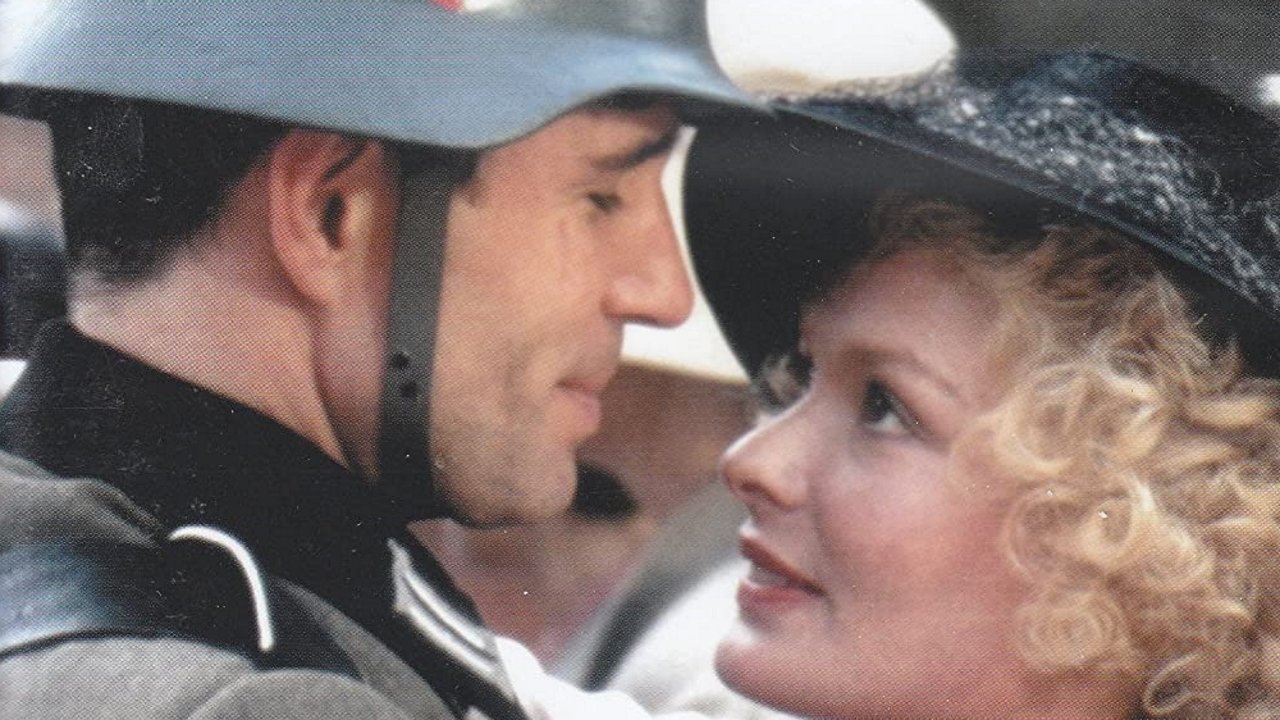
Hitler's SS: Portrait in Evil
1985 · Prof. Ludwig Rosenberg

Covenant
1985 · Victor Noble
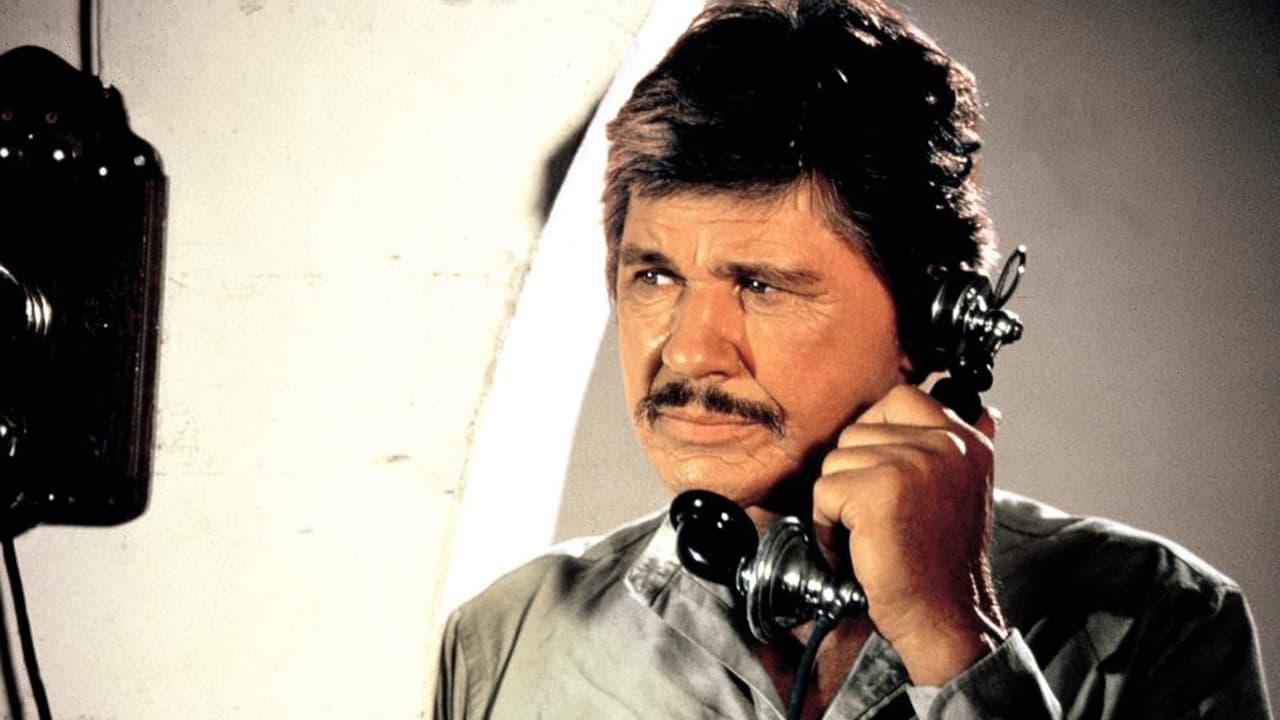
The Evil That Men Do
1984 · Dr. Hector Lomelin
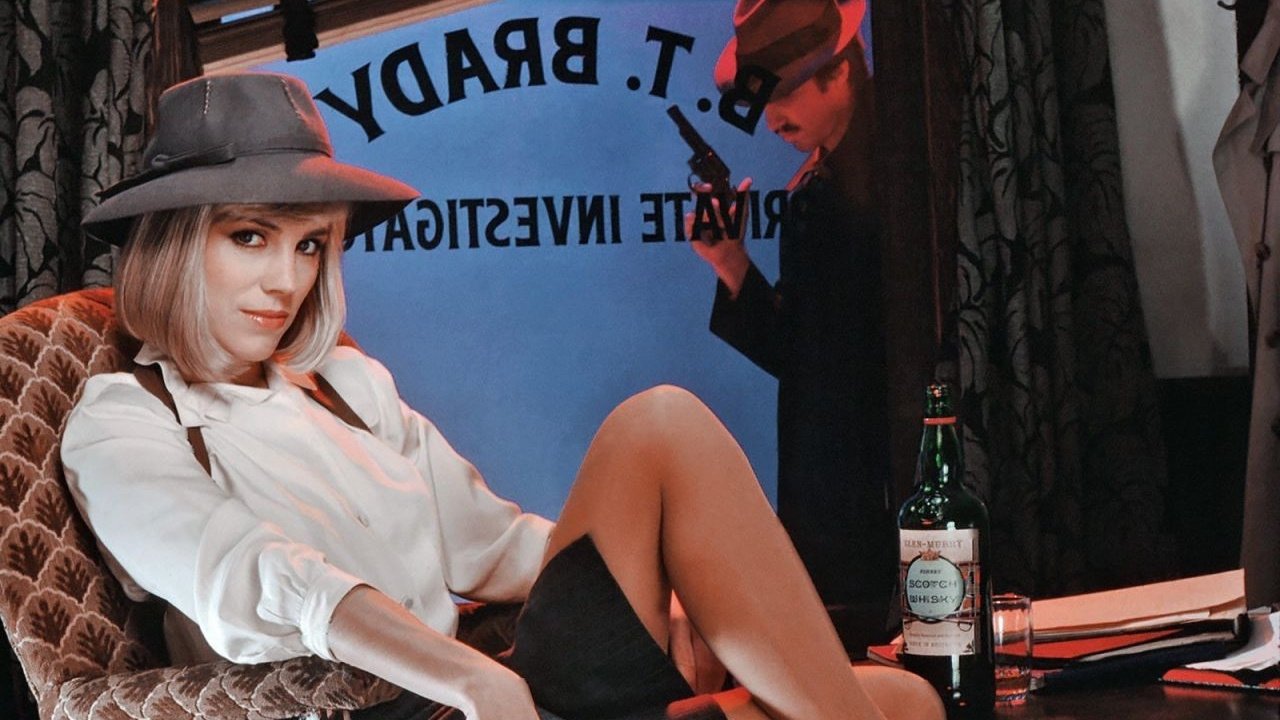
This Girl for Hire
1983 · Harrison Wooly
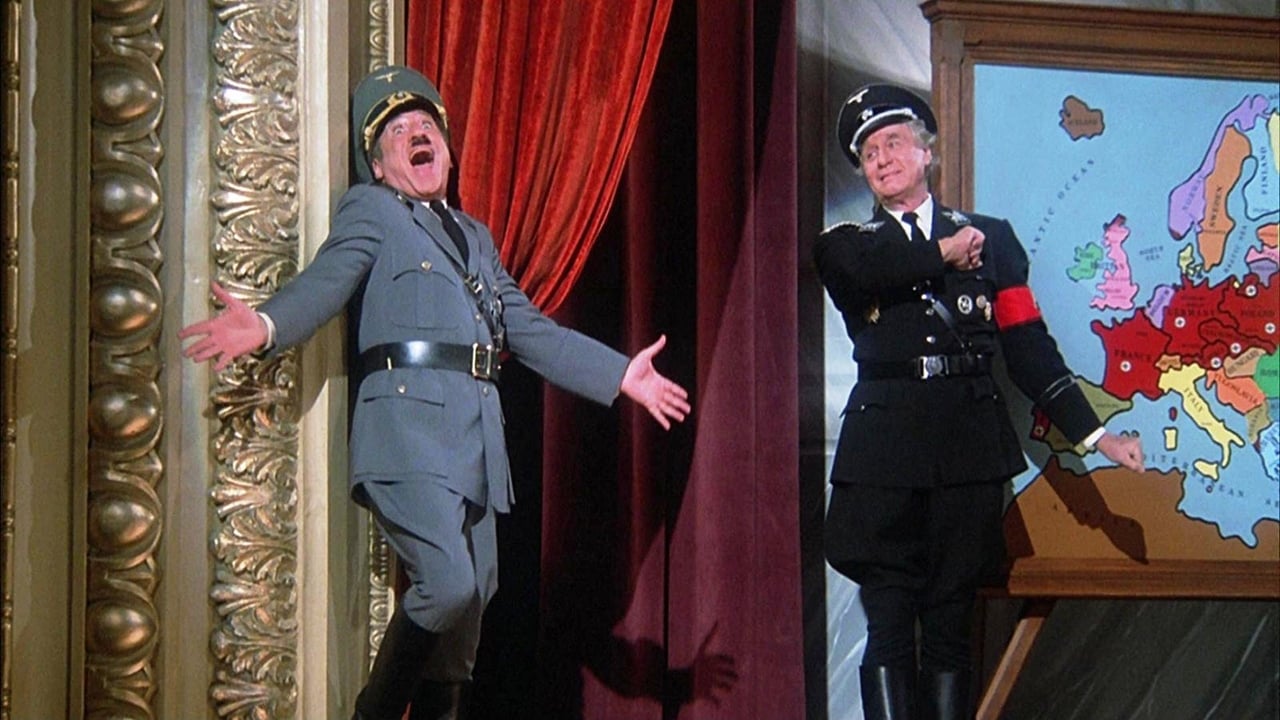
To Be or Not to Be
1983 · Prof. Siletski
The Wind in the Willows
1983 · Badger (voice)
The Being
1983 · Mayor Gordon Lane
Blood Tide
1982 · Nereus
Bloody Birthday
1981 · Doctor

Berlin Tunnel 21
1981 · Martin Komansky
Gideon's Trumpet
1980 · Abe Fortas
The Big Brawl
1980 · Dominici
UFOs: It Has Begun
1979 · Cast

The Fifth Musketeer
1979 · Athos
Fedora
1978 · Doctor Vando
The Swarm
1978 · Dr. Andrews
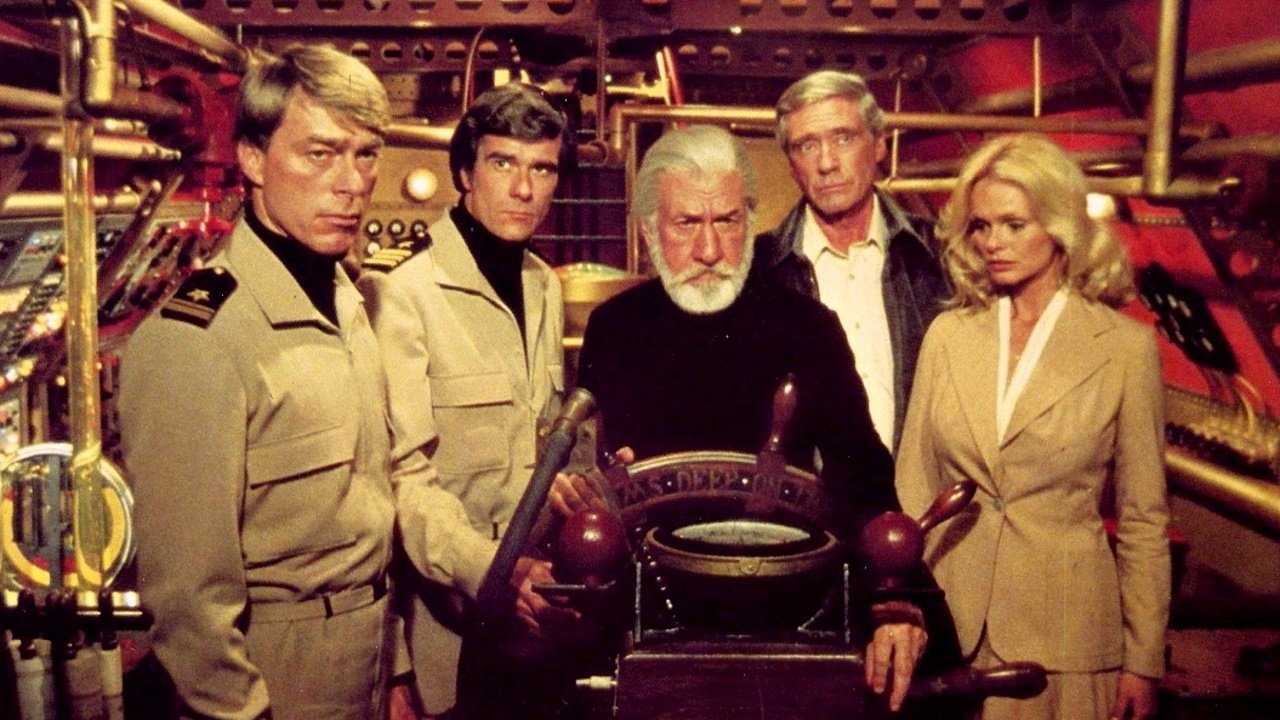
The Amazing Captain Nemo
1978 · Captain Nemo
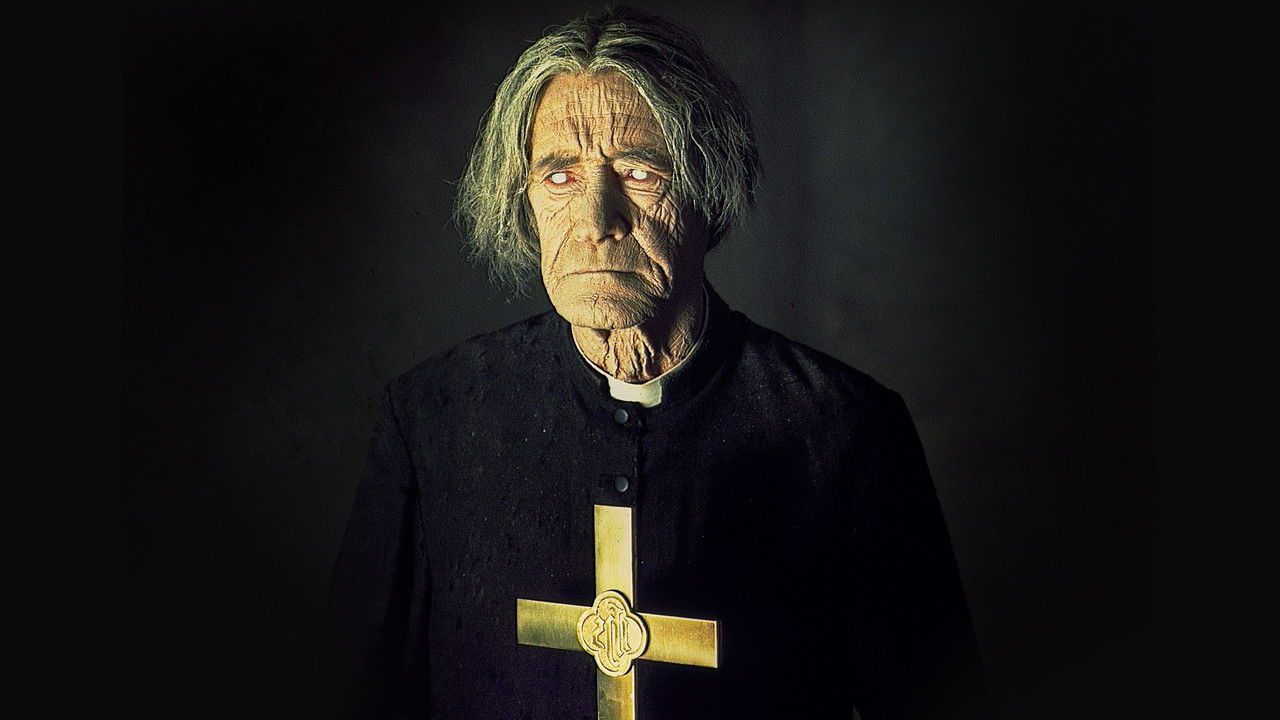
The Sentinel
1977 · Priest of the Brotherhood
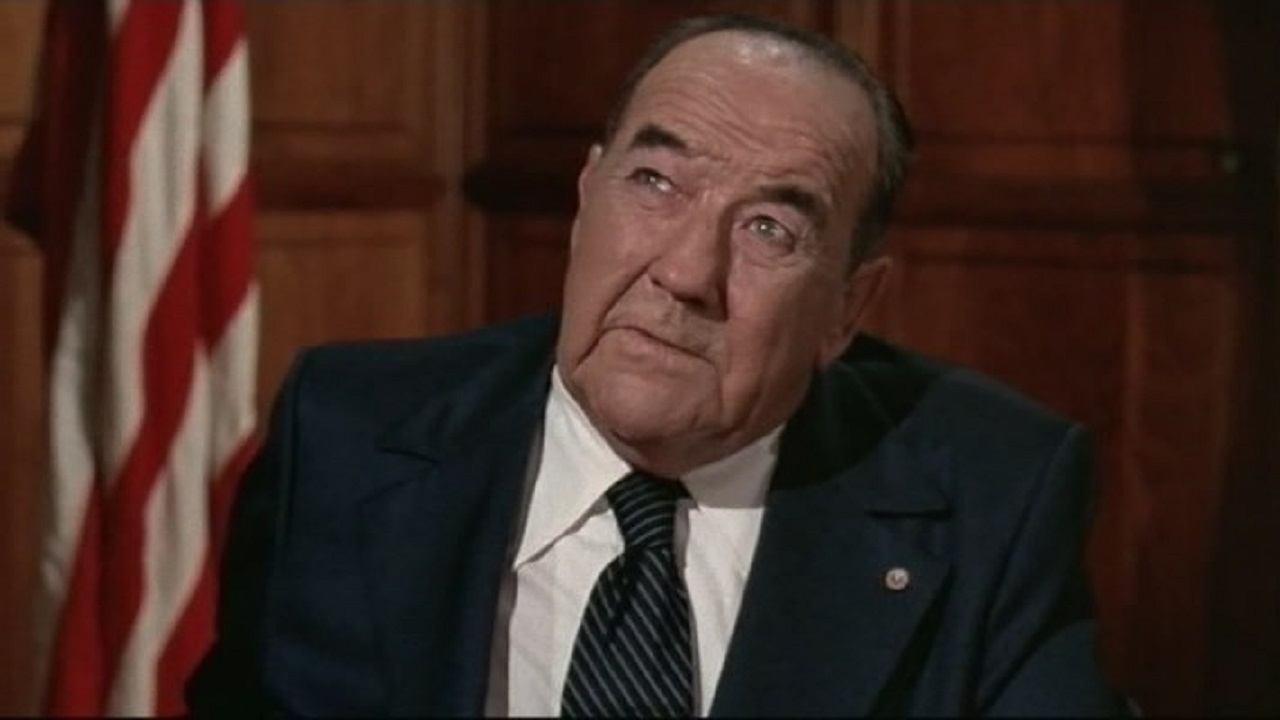
The Private Files of J. Edgar Hoover
1977 · Lionel McCoy

Exo-Man
1977 · Kermit Haas
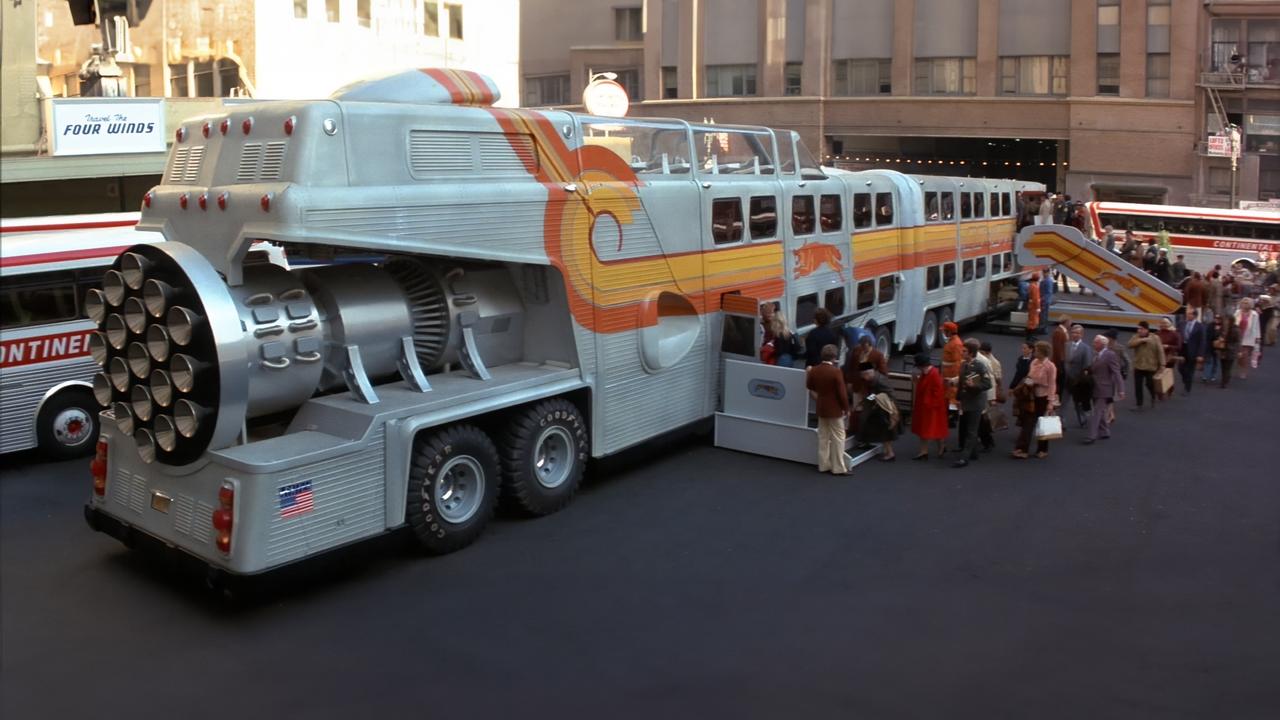
The Big Bus
1976 · Ironman
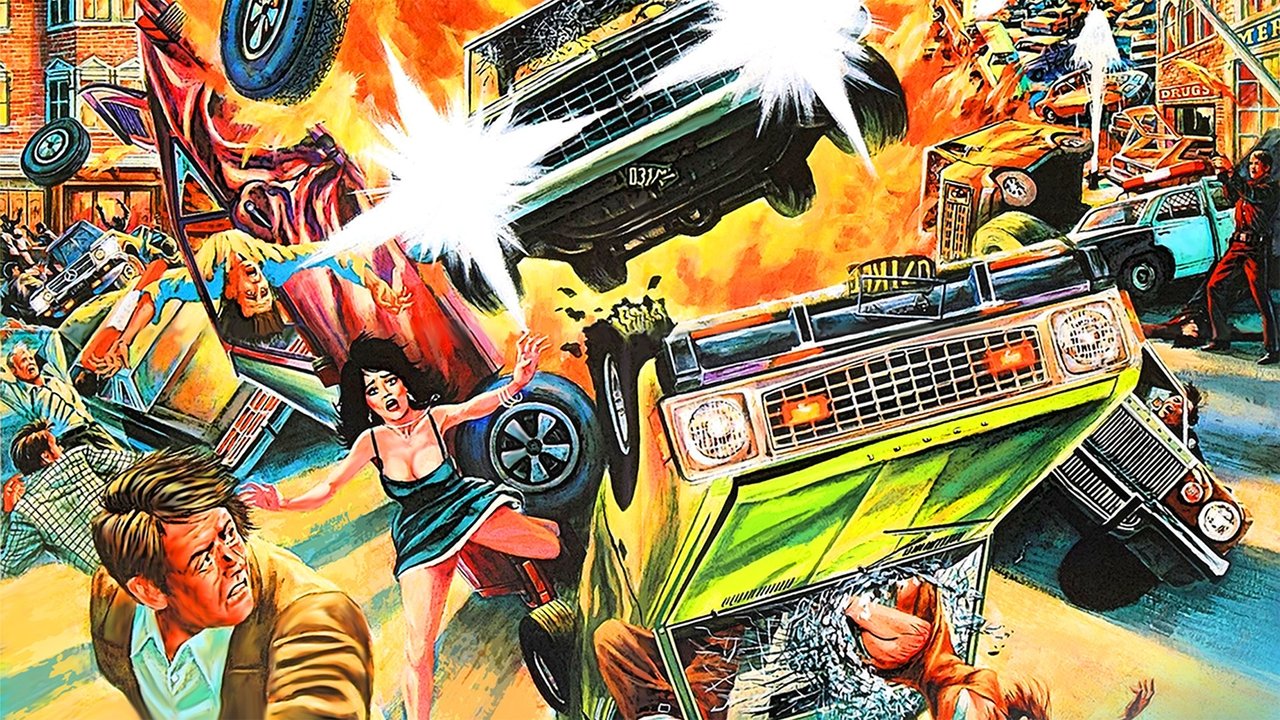
Crash!
1976 · Marc Denne
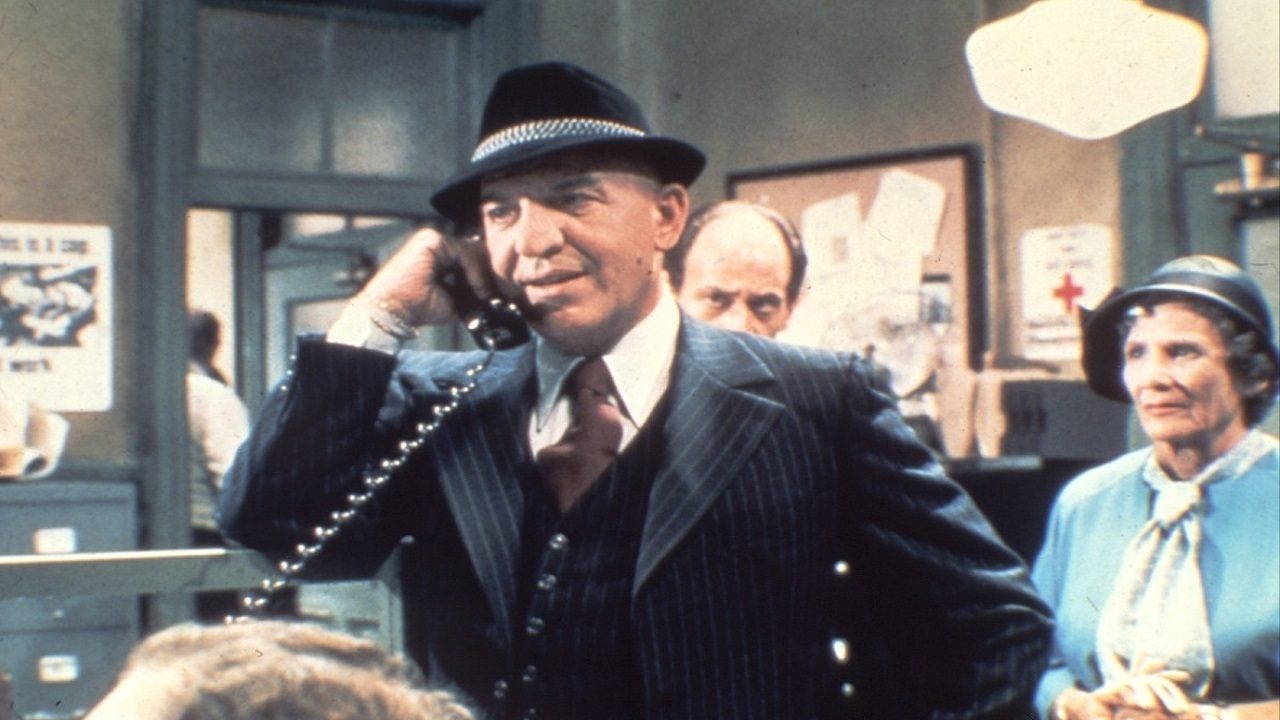
The Marcus-Nelson Murders
1973 · Jake Weinhaus

The Little Drummer Boy
1968 · Ben Haramed (voice)
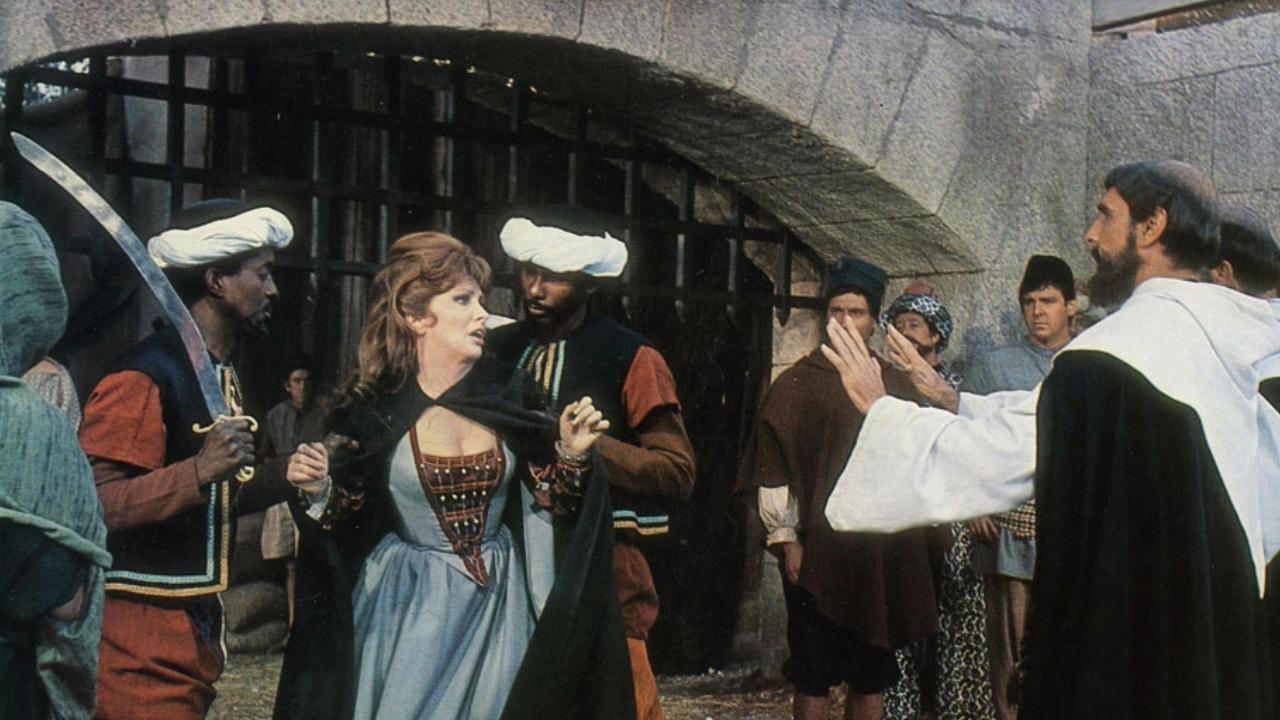
Le avventure e gli amori di Miguel Cervantes
1967 · Hassan Bey
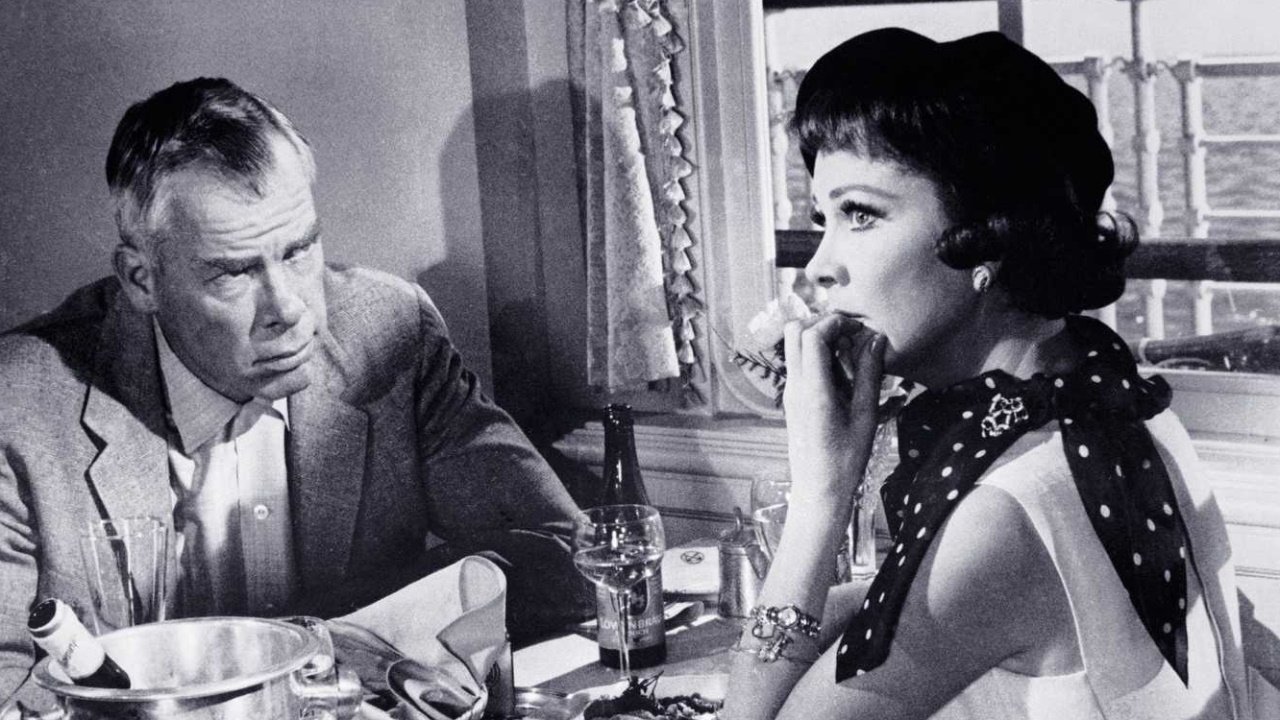
Ship of Fools
1965 · Rieber
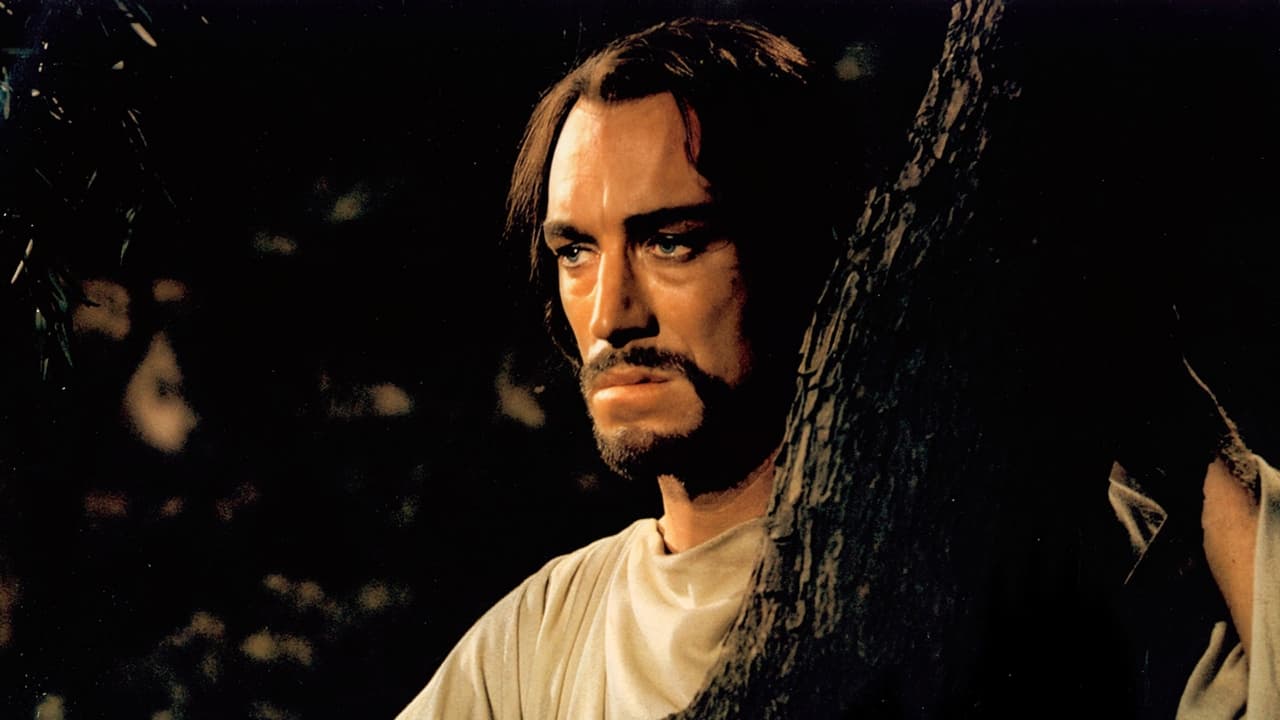
The Greatest Story Ever Told
1965 · Herod Antipas
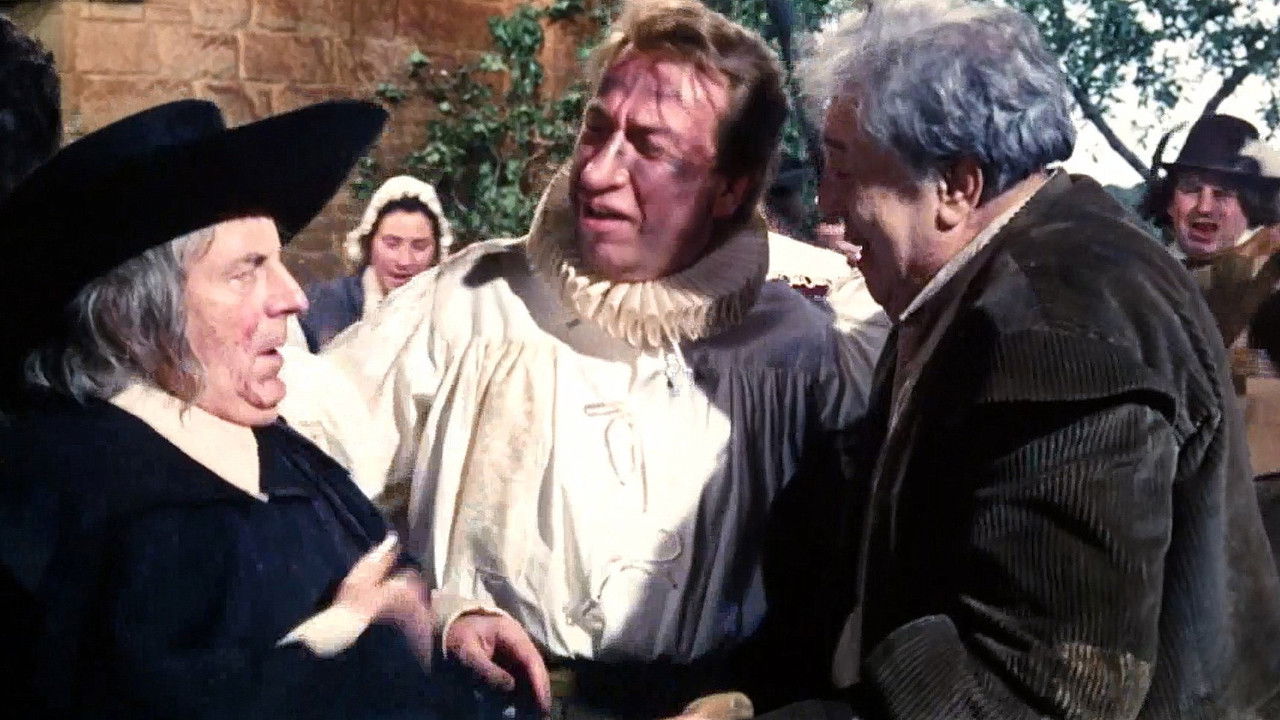
Cyrano and d'Artagnan
1964 · Cyrano de Bergerac

Nine Hours to Rama
1963 · Superintendent Das
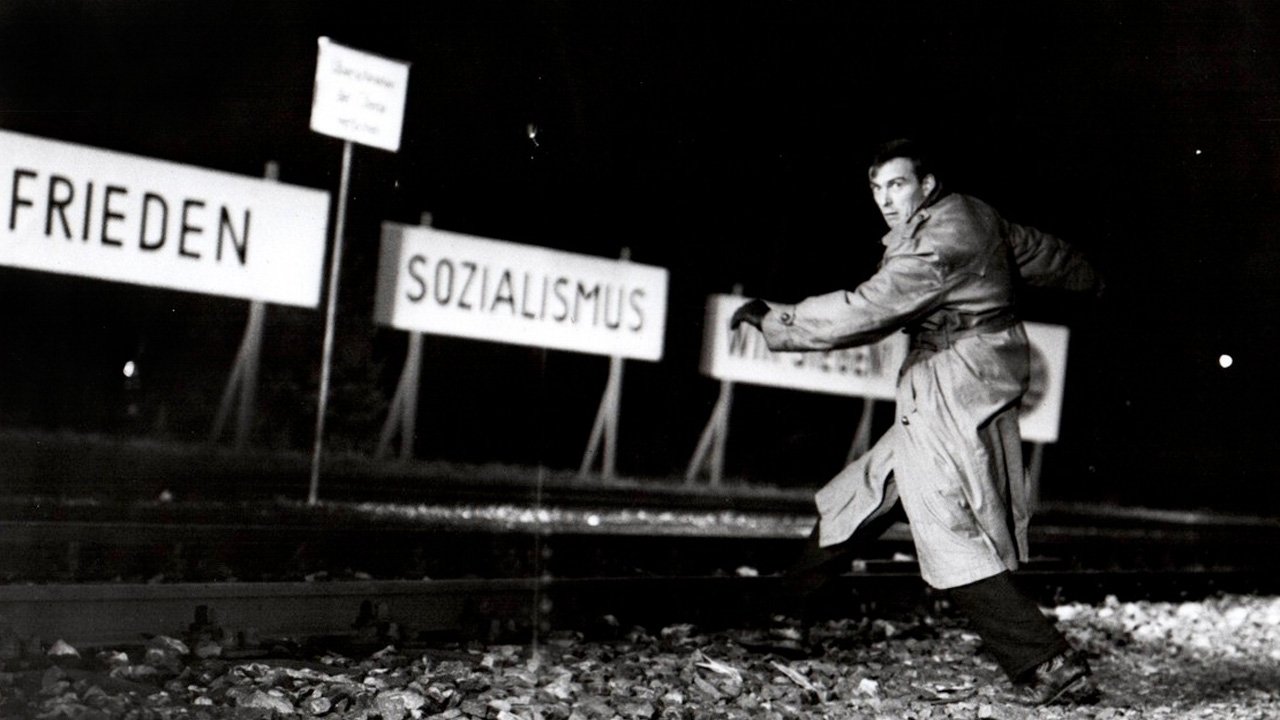
Stop Train 349
1963 · Cowan the Reporter
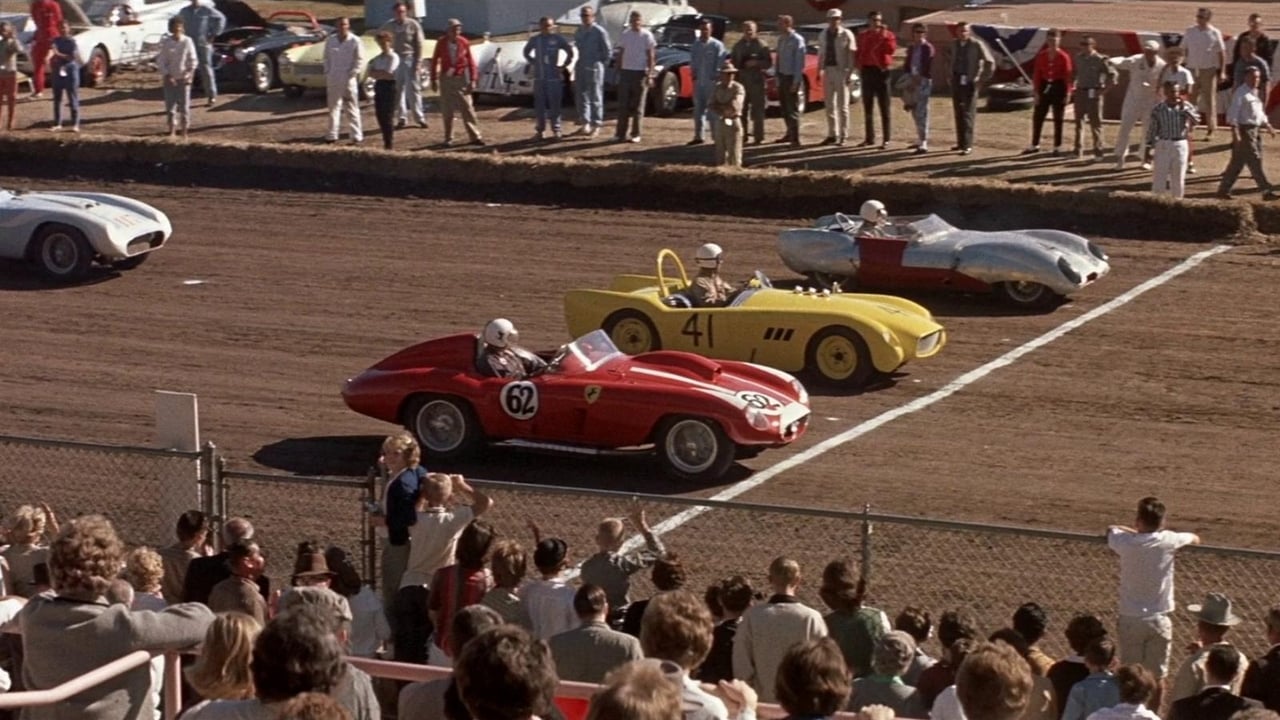
State Fair
1962 · Director
Return to Peyton Place
1961 · Director

The Cockleshell Heroes
1955 · Major Stringer, Director
Frequently asked questions
What films is José Ferrer known for?
José Ferrer has 33 titles indexed on Movie OTT, including Hitler's SS: Portrait in Evil, Covenant, The Evil That Men Do.
Has José Ferrer directed any films?
Yes — José Ferrer has 3 directorial credits indexed on Movie OTT.
How long has José Ferrer been active?
José Ferrer's film career on Movie OTT spans from 1955 to 1985 — 30 years of work.