


What The Big Brawl is really about
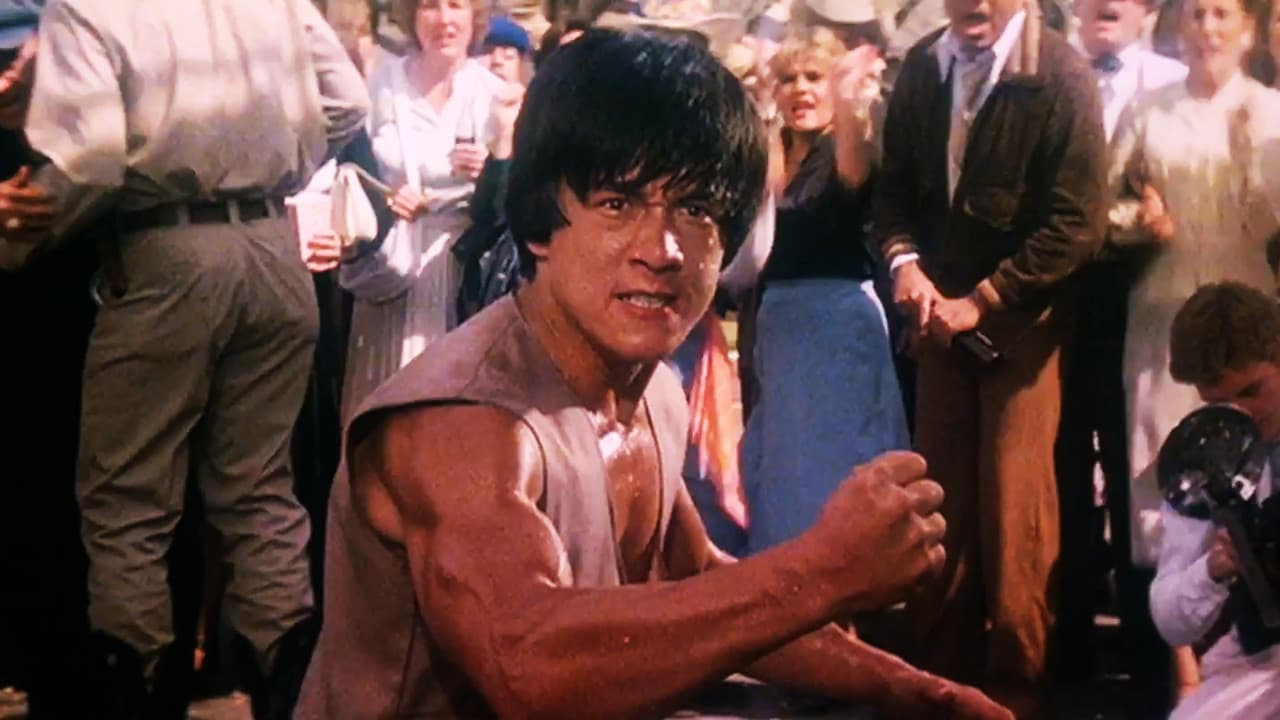
The Big Brawl drops you into a world where survival means winning a brutal underground fighting tournament. A young Asian American martial artist gets pulled into this dangerous competition—not by choice, but by circumstance and family obligation. The premise is straightforward enough: enter the ring, fight your way up, stay alive. What unfolds is a blend of action sequences, comedic mishaps, and the kind of scrappy charm that defined early Jackie Chan before he became a global superstar. The film doesn't take itself too seriously, which is either its greatest strength or its most glaring weakness, depending on your tolerance for tonal whiplash.
Behind the making of The Big Brawl
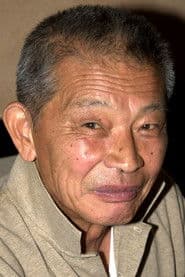
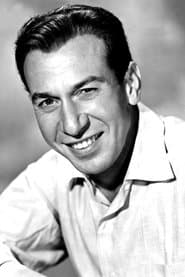
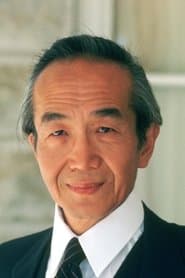
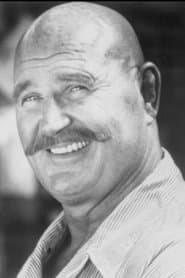
The Big Brawl marked Jackie Chan's first serious attempt to break into Hollywood, a joint Hong Kong-American production between Orange Sky Golden Harvest and Warner Bros. Pictures. Director Robert Clouse, fresh off the legendary success of Enter the Dragon (1973), helmed the project and brought much of that film's crew into the fold—a deliberate move to capture some of that martial arts magic for a new decade. The supporting cast included veteran character actor José Ferrer, Kristine DeBell, and Japanese-American actor Mako, lending the film a genuinely diverse ensemble for 1980 (though it's worth noting the film arrived at a moment when Hollywood was still figuring out how to market Asian action stars to mainstream American audiences). The 95-minute runtime suggests a tight, punchy edit, though the pacing occasionally feels like two different movies arguing with each other. The film carried a PG rating, which meant the action had to be stylized rather than brutal—a constraint that actually forced more creativity in the choreography. Box office returns were modest, and critical reception hovered around a 5.91 IMDb rating, suggesting audiences weren't quite sure what they'd signed up for.
Why The Big Brawl doesn't quite land, and why that matters
Here's the thing about The Big Brawl—it's genuinely difficult to assess because it's caught between two competing visions of what an action-comedy should be. The martial arts sequences show Chan's physical gifts and his willingness to throw his body into stunts with reckless abandon, the kind of commitment that'd eventually make him a household name once he found the right formula. But the comedic bits, which dominate entire stretches of the film, rely on slapstick timing and sight gags that feel more Keystone Kops than anything resembling the sophisticated action-comedy blend he'd perfect in later Hong Kong productions. What's striking is that you can actually see the seeds of his future success buried in here—the improvisation, the inventiveness with everyday objects as weapons, the refusal to take the action entirely seriously. Yet the film doesn't trust those instincts enough. Instead, it pads the story with broad humor and romantic subplots that don't land. Mako brings genuine charisma to his role, and there's real chemistry between the leads when the script lets them breathe, but too often you're watching a film that's apologizing for being an action movie rather than celebrating it. The performances aren't bad; they're just operating in a movie that doesn't quite know what it wants to be.
Where to stream The Big Brawl
The Big Brawl is currently available on major OTT services, and you can check the Where to Watch widget at the top of this page to see exactly which platforms are carrying it in your region right now. Streaming availability shifts constantly—what's on one service today might move to another next month—so Movie OTT tracks real-time changes across Netflix, Prime Video, and other major platforms to save you the headache of hunting. If you're specifically hunting for 1980s action films or Jackie Chan's early work, it's worth knowing where this one lives in the current streaming landscape, especially if you're doing a deep dive into his pre-superstardom catalog.
Frequently asked questions
Q: Is The Big Brawl Jackie Chan's first American film?
Yes, it was his first major attempt to break into the Hollywood market, though it wasn't a breakout success. Chan would go on to find greater commercial success in American cinema nearly a decade later, but this 1980 film marked the beginning of that journey.
Q: Who directed The Big Brawl?
Robert Clouse directed the film. He'd previously helmed Enter the Dragon (1973), the iconic Bruce Lee martial arts classic, and brought many of that film's crew into this production.
Q: Is The Big Brawl rated R?
No, the film carries a PG rating, which means the action is stylized rather than graphic. This constraint actually influenced how the fight choreography was designed and shot.
Q: What's the plot of The Big Brawl?
A young Asian American martial artist is forced to participate in a brutal street-fighting competition where survival is the only rule. The film blends action sequences with comedy as the protagonist navigates this dangerous underground tournament.
Q: How long is The Big Brawl?
The film runs 95 minutes, keeping the story tight and punchy without much room for extended subplots.
Final thoughts on The Big Brawl
The Big Brawl isn't a masterpiece, and it's not the film that made Jackie Chan a star in America. But it's a fascinating artifact—a snapshot of how Hollywood approached Asian action cinema in 1980, complete with all the awkwardness and missed opportunities that entailed. If you're interested in Chan's evolution as a performer, or you're curious about how mainstream American action films of the era handled martial arts, it's worth watching. Just don't expect the polished, confident action-comedy machine he'd become. What you'll find instead is raw ambition, uneven execution, and a genuinely talented performer trying to break through in a system that wasn't quite ready for him yet.