

The story of The Private Files of J. Edgar Hoover and its sweeping historical scope
The Private Files of J. Edgar Hoover is a 1977 American biographical drama that attempts something genuinely ambitious: capturing the arc of one of the 20th century's most controversial figures across nearly half a century of American history. The film follows J. Edgar Hoover from his early days as a racket-buster through his four-decade tenure as head of the FBI, tracking how he navigated the corridors of power under eight different US presidents. Rather than a straightforward hagiography, the film presents Hoover as a complex figure whose methods and motivations shifted with the political landscape, offering viewers a window into the institutional power that shaped American law enforcement and intelligence gathering for generations. The tagline promises that "the files that escaped the shredder have become an incredible motion picture," hinting at the secretive, sometimes murky nature of Hoover's actual legacy and the film's determination to explore what lay beneath the official record.
Behind the making of The Private Files of J. Edgar Hoover and its ensemble cast
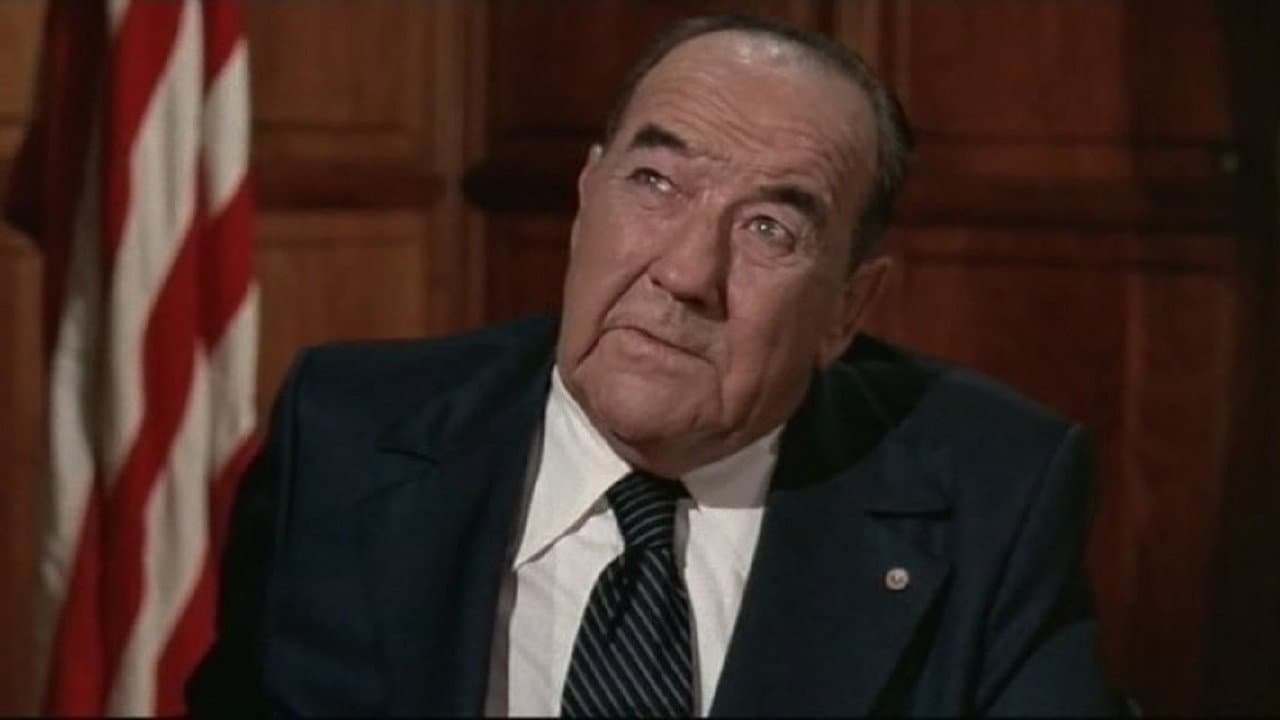
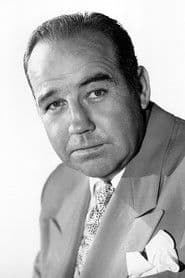
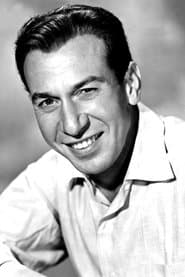
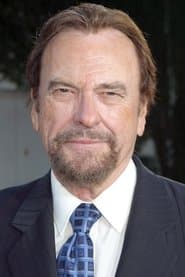
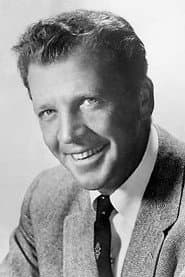
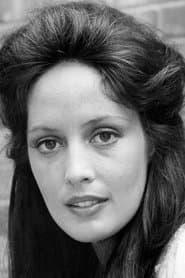
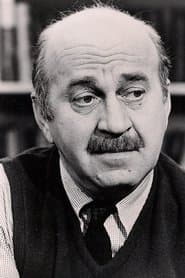
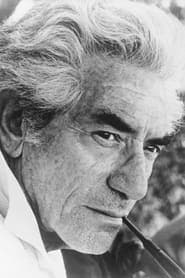
Larry Cohen, who wrote, produced, and directed the film, assembled a remarkable ensemble cast to bring this historical narrative to life. Broderick Crawford carries the film in the central role of Hoover, delivering what many regard as one of his most commanding performances. The supporting cast reads like a who's who of mid-1970s cinema: Jose Ferrer, Michael Parks, Rip Torn, James Wainwright, Celeste Holm, Ronee Blakely, John Marley, Michael Sacks, Brad Dexter, and Tanya Roberts all contribute to the sprawling narrative. What's particularly poignant is that the film marks the final screen appearances of both Jack Cassidy and Dan Dailey—both actors actually met with then First Lady Betty Ford and helped Cohen secure permission to film in Washington, D.C., in locations where the real Hoover had worked and visited. That kind of historical access and institutional cooperation was no small feat in 1977. The production's ambition is evident in every frame, though the film's 112-minute runtime meant Cohen had to make difficult choices about which chapters of Hoover's life to emphasize and which to compress or omit entirely.
What makes The Private Files of J. Edgar Hoover stand out as a historical drama
What's striking about this film—and what separates it from more conventional biographical fare—is its refusal to settle into easy moral judgment. Instead of presenting Hoover as either hero or villain, Cohen's screenplay allows contradictions to coexist: a man who genuinely believed he was protecting the nation while simultaneously abusing the power that belief granted him. The performances anchor this moral ambiguity. Crawford doesn't play Hoover as a caricature but as someone whose convictions, however troubling, shaped his decisions across decades. That's a harder thing to pull off than simple condemnation. The film also benefits from its 1977 vantage point—made just five years after Hoover's death in 1972, it arrives while the wounds of his actual abuses (particularly his surveillance of civil rights leaders and his blackmail tactics) were still fresh in the public consciousness. The ensemble cast means that no single supporting character dominates; instead, the film functions almost like a series of encounters, each one revealing different facets of Hoover's personality and the era in which he operated. It's a structure that works better in some scenes than others, but when it clicks, you're watching something genuinely thought-provoking about power, institutional loyalty, and the gap between public image and private reality.
Where to stream The Private Files of J. Edgar Hoover online
Finding older films from the 1970s can be tricky, but The Private Files of J. Edgar Hoover is currently available on major OTT services. Movie OTT tracks streaming availability across all major platforms, so you can check the "Where to Watch" widget at the top of this page to see exactly which services are carrying it right now in your region. Availability does shift from month to month depending on licensing agreements, so it's worth checking before you settle in to watch. The film's length and deliberate pacing make it the kind of movie you'll want to watch when you've got time to sit with it—not something to half-watch while scrolling your phone. If you're interested in 1970s political cinema or biographical dramas from that era, Movie OTT's streaming guides can help you discover similar titles currently available on your subscriptions.
Frequently asked questions
Q: Who directed The Private Files of J. Edgar Hoover?
Larry Cohen wrote, produced, and directed the film. Cohen was known for his ambitious, often unconventional approach to genre and historical storytelling, and this biographical drama showcases his willingness to tackle complex, morally ambiguous subjects.
Q: Is The Private Files of J. Edgar Hoover based on a true story?
Yes, it's a biographical drama based on the real life and career of J. Edgar Hoover, who headed the FBI from 1924 until his death in 1972. The film chronicles actual historical events, though like all dramatizations, it takes creative liberties with dialogue and specific scenes.
Q: Who plays J. Edgar Hoover in the film?
Broderick Crawford gives a career-defining performance in the lead role, supported by an ensemble cast that includes Jose Ferrer, Rip Torn, Michael Parks, and many others.
Q: Why is this film notable for its cast?
The Private Files of J. Edgar Hoover marks the final film appearances of both Jack Cassidy and Dan Dailey. Both actors helped director Cohen secure permission to film in Washington, D.C., including locations where the real Hoover had worked.
Q: How long is The Private Files of J. Edgar Hoover?
The film has a runtime of 112 minutes, giving Cohen enough time to explore Hoover's rise through his influence across eight US presidencies, though some viewers feel the scope occasionally outpaces the narrative focus.
Final thoughts on The Private Files of J. Edgar Hoover
The Private Files of J. Edgar Hoover isn't a perfect film—its IMDb rating of 5.1/10 reflects a mixed critical and audience response that's been consistent over the decades. Some find its scope unwieldy, others wish it had gone deeper into specific periods. But that's almost beside the point. What matters is that this 1977 drama exists as a serious attempt to grapple with institutional power, moral compromise, and the way a single figure can shape a nation's security apparatus for generations. It's the kind of film that rewards patient viewers willing to sit with its contradictions rather than demanding easy answers. If you're curious about 1970s cinema, historical biography, or the real story of Hoover's FBI, it's worth tracking down.