





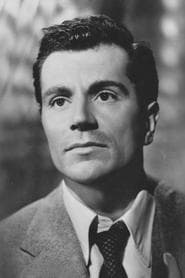
The Story of The Bible: In the Beginning... Unfolds Across Genesis
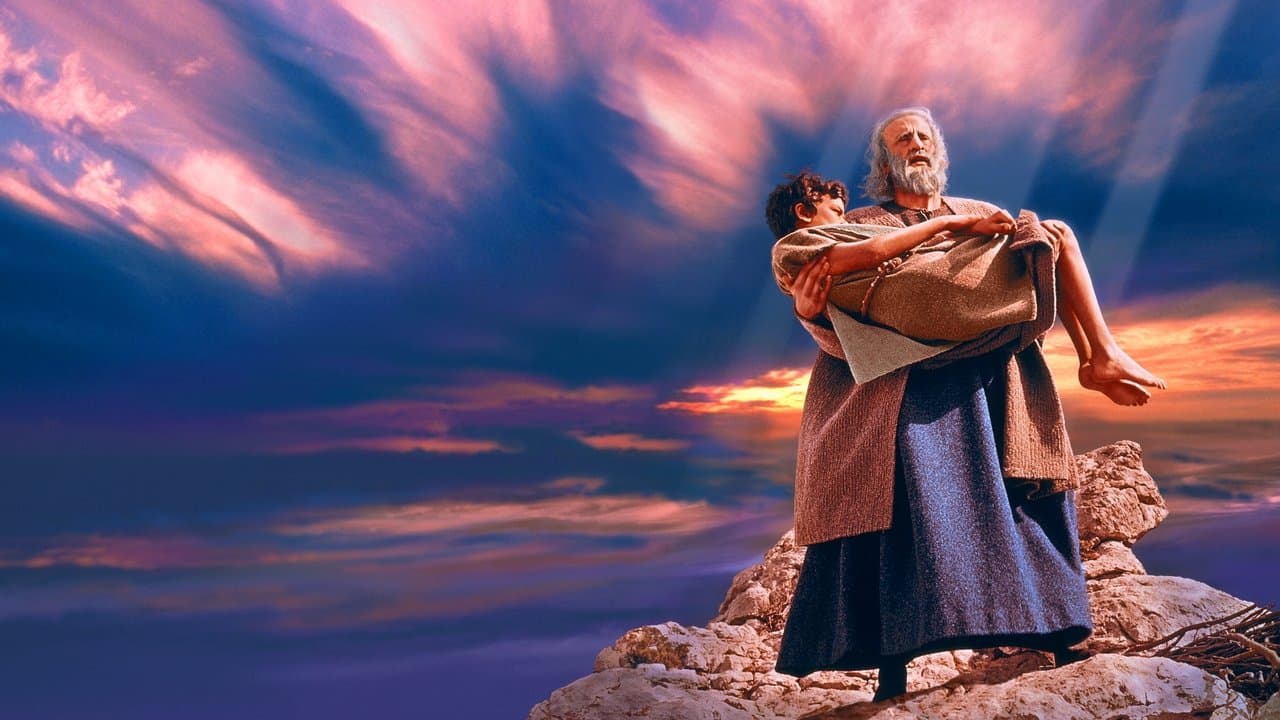
The Bible: In the Beginning... isn't a straightforward narrative film—it's a series of vignettes, each one a self-contained drama pulled directly from the first 22 chapters of the Book of Genesis. Director John Huston constructs the film as a kind of visual scripture, moving from the creation of mankind through Adam and Eve's expulsion from Eden, then onward to Cain's murder of his brother Abel, Noah's construction of the ark and the great flood, and finally Abraham's covenant with God. The tagline promises "the unforgettable adventure of man from the creation," and that's precisely what Huston delivers—not a sermon, but a series of human stories set against cosmic stakes. The 175-minute runtime allows each episode to breathe, to develop character and consequence before moving to the next pivotal moment in humanity's spiritual origin story.
Behind the Making of The Bible: In the Beginning... and Its Hollywood Ambition
This was a production of staggering scope. Producer Dino De Laurentiis, known for mounting massive international co-productions, partnered with 20th Century Fox, Thalia AG, and DDL Cinematografica to realize what was essentially a four-part biblical anthology on a single canvas. Huston, fresh from other epic undertakings, brought his distinctive visual language to sacred material—no small task. The film assembled a remarkable ensemble cast, though the ensemble approach meant no single star carried the entire weight; instead, Huston rotated his cast through different episodes, allowing each vignette to feel like its own complete drama. The production values were extraordinary for 1966—the Garden of Eden sequences required elaborate set construction, the flood sequences demanded water tanks and miniature work, and the pastoral scenes of Abraham's journey across deserts needed location scouting and careful cinematography. Box office returns were solid, though the film's length and episodic structure meant it never achieved the crossover blockbuster status of some contemporaries. Still, it earned respect within the industry, and its ambition—the sheer nerve of adapting such foundational religious material for mainstream cinema—secured it a place in Hollywood's record of audacious swings. Movie OTT tracks where this epic is currently streaming, making it easier to revisit Huston's singular vision.
What Makes The Bible: In the Beginning... Stand Out Among Religious Dramas
Honestly, what's striking about this film is how little it preaches. Huston treats these stories as human dramas first, theological lessons second. When Adam and Eve frolic in the Garden before the forbidden fruit—that sequence is genuinely playful, almost sensual, before the tone shifts to consequence and exile. The thing nobody mentions is how the film doesn't shy away from moral ambiguity; Cain's murder of Abel isn't presented as a simple evil act, but as a complex tragedy born from jealousy and divine favor. Noah's story becomes less about miraculous salvation and more about one man's burden—the weight of building something massive while the world drowns around him. And Abraham's covenant, the film's final movement, explores faith as something agonizing rather than comforting. The performances anchor these moments with surprising naturalism. Actors don't declaim scripture; they live it, argue with it, struggle against it. The cinematography—sweeping landscapes interrupted by intimate close-ups—creates a visual rhythm that keeps the episodic structure from feeling fragmented. Critics and audiences have rated it solidly (IMDb: 7.3/10), recognizing both its technical accomplishment and its willingness to treat ancient stories as contemporary human experiences. What's particularly interesting is how the film doesn't try to resolve theological questions; it presents them, lets them hang in the frame, and trusts the viewer to sit with the discomfort.
Where to Stream The Bible: In the Beginning... Right Now
Finding The Bible: In the Beginning... on streaming platforms has become easier in recent years as major OTT services have expanded their classic film catalogs. The film is currently available on several major streaming services—check the "Where to Watch" widget at the top of this page for real-time availability in your region, since streaming rights shift frequently. Movie OTT updates its database continuously, so you can rely on that widget to show you exactly which platform has it available today. The 175-minute runtime means you'll want to carve out a dedicated viewing window; this isn't a film to half-watch while scrolling your phone. The episodic structure actually works well for streaming viewers who might want to return to it across a couple of sittings, though the film's momentum builds if you can commit to watching it in one or two sessions.
Frequently asked questions
Q: Who directed The Bible: In the Beginning... and what other films is he known for?
John Huston directed this 1966 epic. He's also known for classics like The Maltese Falcon, The Treasure of the Sierra Madre, and The African Queen—a director with a gift for epic scope and complex human drama. His approach to religious material was characteristically unsentimental and character-driven.
Q: Is The Bible: In the Beginning... based on a true story?
It's based on the Book of Genesis from the Bible, adapting the first 22 chapters into dramatized vignettes. While the source material is sacred scripture rather than historical documentation, Huston treats these stories as human narratives worth exploring in cinematic terms.
Q: How long is The Bible: In the Beginning... and can I watch it in one sitting?
The film runs 175 minutes—nearly three hours. That's a substantial commitment, though the episodic structure means you could theoretically break it into chapters if needed. Most viewers find it flows best when watched as a complete experience.
Q: What's the rating and is it suitable for family viewing?
The film carries a general audience rating appropriate for 1966 standards. While it contains some mature themes (murder, exile, sacrifice), it's framed in biblical and dramatic terms rather than graphic depiction, making it accessible to older children and teens alongside adults.
Q: How does The Bible: In the Beginning... compare to other biblical epics from that era?
Unlike some biblical spectacles that emphasize costume drama and romance, Huston's approach is more austere and psychologically complex. It's less interested in Hollywood glamour than in the spiritual and emotional weight of these foundational stories.
Final Thoughts on The Bible: In the Beginning...
This film deserves another look. It's not perfect—the episodic structure can feel uneven, and some sequences drag where others soar—but Huston's refusal to sentimentalize scripture, his commitment to treating ancient stories as living dramas, and the sheer technical ambition of the production make it worth your time. It's a film that respects its audience's intelligence, that doesn't explain everything, that trusts you to wrestle with what you're seeing. In an era of prestige television and streaming epics, The Bible: In the Beginning... stands as a reminder that ambitious, unconventional storytelling has always existed in cinema. Whether you're approaching it as a religious text brought to film, a historical artifact of 1960s Hollywood, or simply as a remarkably crafted drama, there's something here worth discovering.