Actor
Ava Gardner
19 films on Movie OTT · Active 1946–1986
Ava Lavinia Gardner — born Christmas Eve, 1922, in Grabtown, North Carolina — became one of Hollywood's most magnetic screen presences during the Golden Age, and the American Film Institute's ranking of her as the 25th greatest female screen legend barely captures how singular her impact was (Wikipedia). What's striking is how she got there: not through a groomed studio path, but through sheer force of presence after years of bit parts that could've buried a lesser talent. Her breakthrough came with the 1946 film noir *The Killers*, where she played femme fatale Kitty Collins opposite Burt Lancaster — and suddenly, nobody could look away.
About Ava Gardner
Ava Lavinia Gardner — born Christmas Eve, 1922, in Grabtown, North Carolina — became one of Hollywood's most magnetic screen presences during the Golden Age, and the American Film Institute's ranking of her as the 25th greatest female screen legend barely captures how singular her impact was (Wikipedia). What's striking is how she got there: not through a groomed studio path, but through sheer force of presence after years of bit parts that could've buried a lesser talent. Her breakthrough came with the 1946 film noir *The Killers*, where she played femme fatale Kitty Collins opposite Burt Lancaster — and suddenly, nobody could look away.
She didn't slow down after that. The 1950s were her peak years commercially and critically, with *Mogambo* (1953) earning her the only Academy Award nomination of her career, and *The Barefoot Contessa* (1954) cementing her as something more than a glamour fixture — she was a genuine actress (Wikipedia). She reportedly harbored deep insecurity about her own abilities, often crediting directors like John Ford and George Cukor for her best work, which is the kind of self-deprecation that's either genuinely humble or genuinely heartbreaking.
Off-screen, Gardner's life was tabloid gold — three marriages, progressive politics, NAACP membership in 1968, and a relocation to Spain in 1955 that felt less like exile and more like escape (Wikipedia). She kept working through the 1980s before a 1986 stroke ended her career. She died on January 25, 1990, from bronchopneumonia. Her autobiography, *Ava: My Story*, published that same year, was her final word on all of it.
Early life & background
Ava Gardner was born on December 24, 1922, in Grabtown, North Carolina, USA (TMDB). Beyond her birthplace and date, the sourced facts don't detail her family structure or formal education in depth — though her small-town Southern origins stand in sharp contrast to the Hollywood world she'd come to define. She's also known under her full birth name, Ava Lavinia Gardner (TMDB). Hard to say if Grabtown shaped her in ways she ever publicly acknowledged, but it's the kind of origin story that makes the arc to Golden Age icon feel all the more unlikely.
Career
Personal life
Gardner's personal life was, to put it plainly, relentlessly public. She was married three times: first to actor Mickey Rooney, then to bandleader Artie Shaw, and finally to Frank Sinatra — the last relationship drawing the most sustained press attention of the three (Wikipedia). No children are mentioned in the sourced facts. She relocated to Spain in 1955 and later moved to England, where she spent her final years before her death on January 25, 1990 (TMDB). She was also a member of the NAACP, having joined in 1968, and was known for her support of racial equality and desegregation (Wikipedia).
Cite this page
For Wikipedia, journalism, or academic references — copy the citation below:
Movie OTT. "Ava Gardner." Accessed Sep 17, 2026. https://movieott.com/talent/ava-gardnerLast updated July 9, 2026 · Sources: tmdb+perplexity+tmdb-credits+ai-claude
Filmography
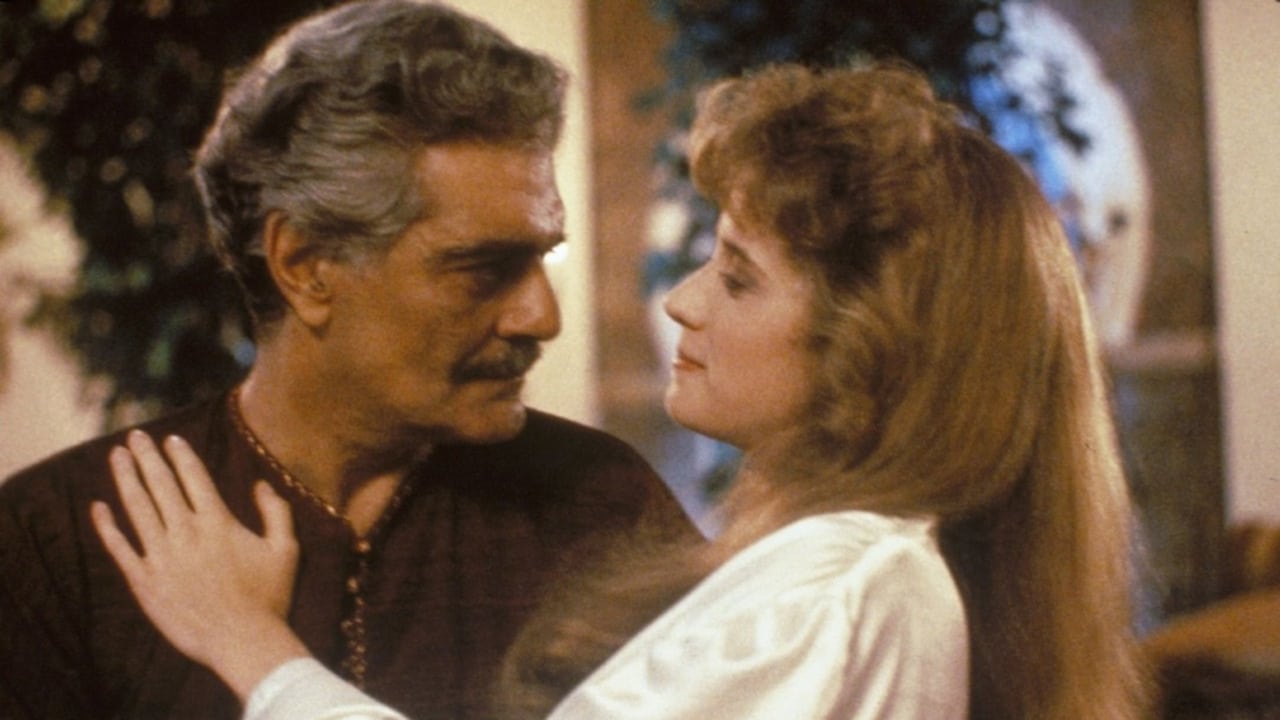
Harem
1986 · Kadin
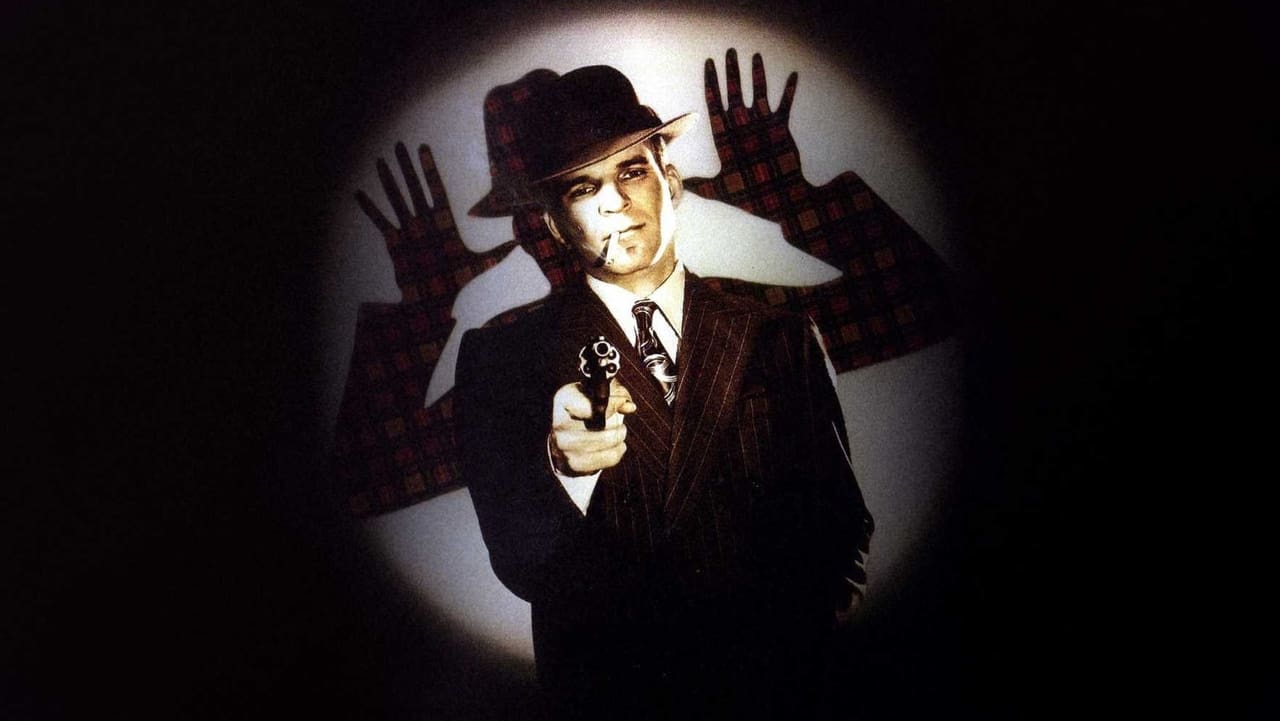
Dead Men Don't Wear Plaid
1982 · (in "The Killers" / "The Bribe") (archive footage)
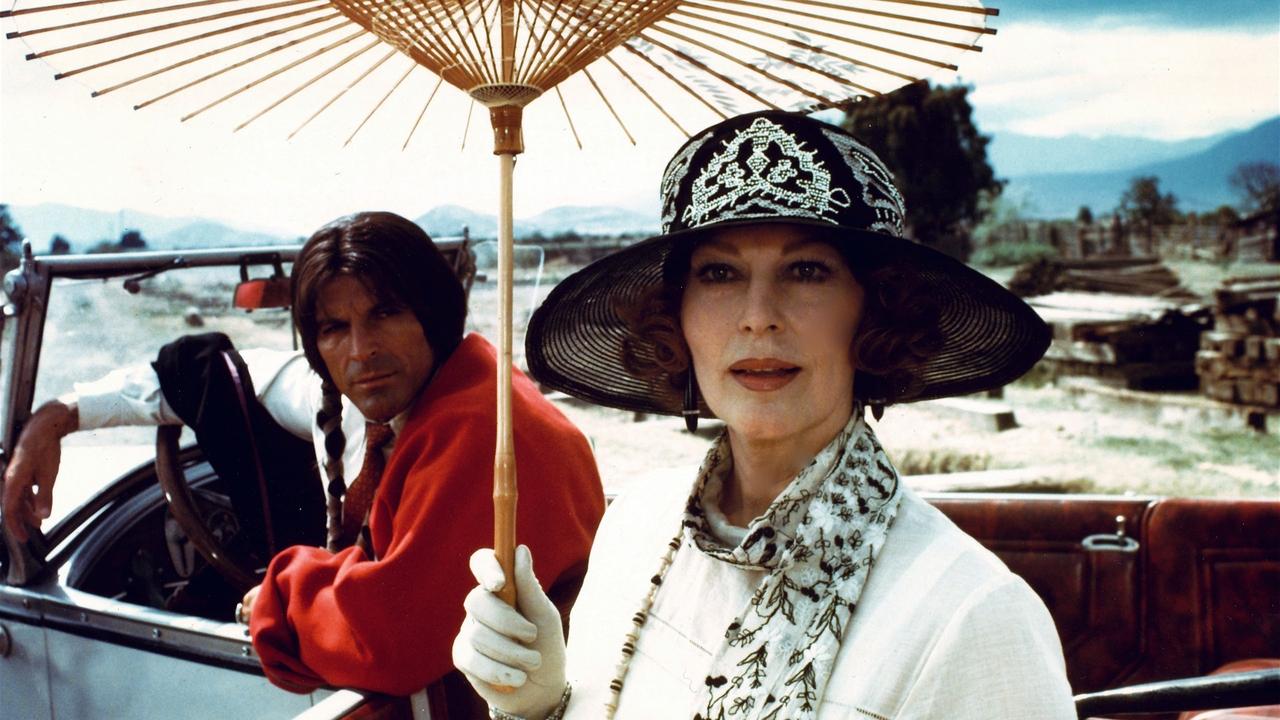
Priest of Love
1981 · Mabel Dodge Luhan
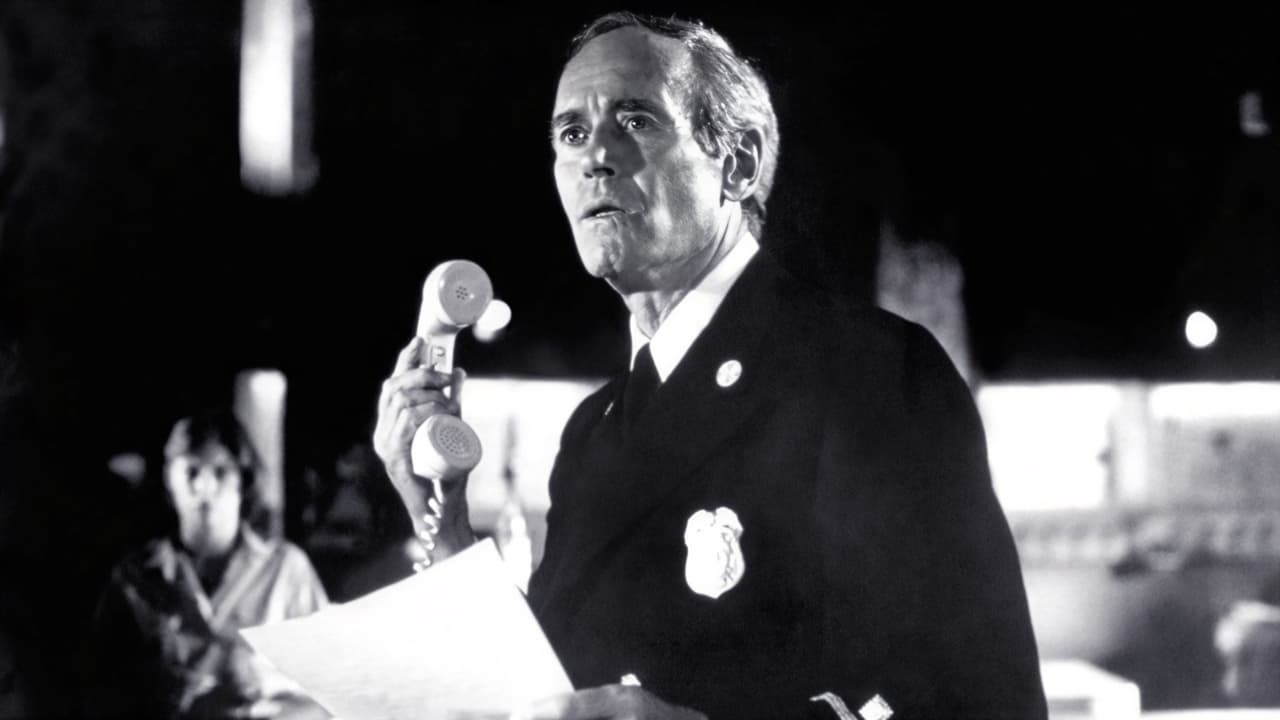
City on Fire
1979 · Maggie Grayson
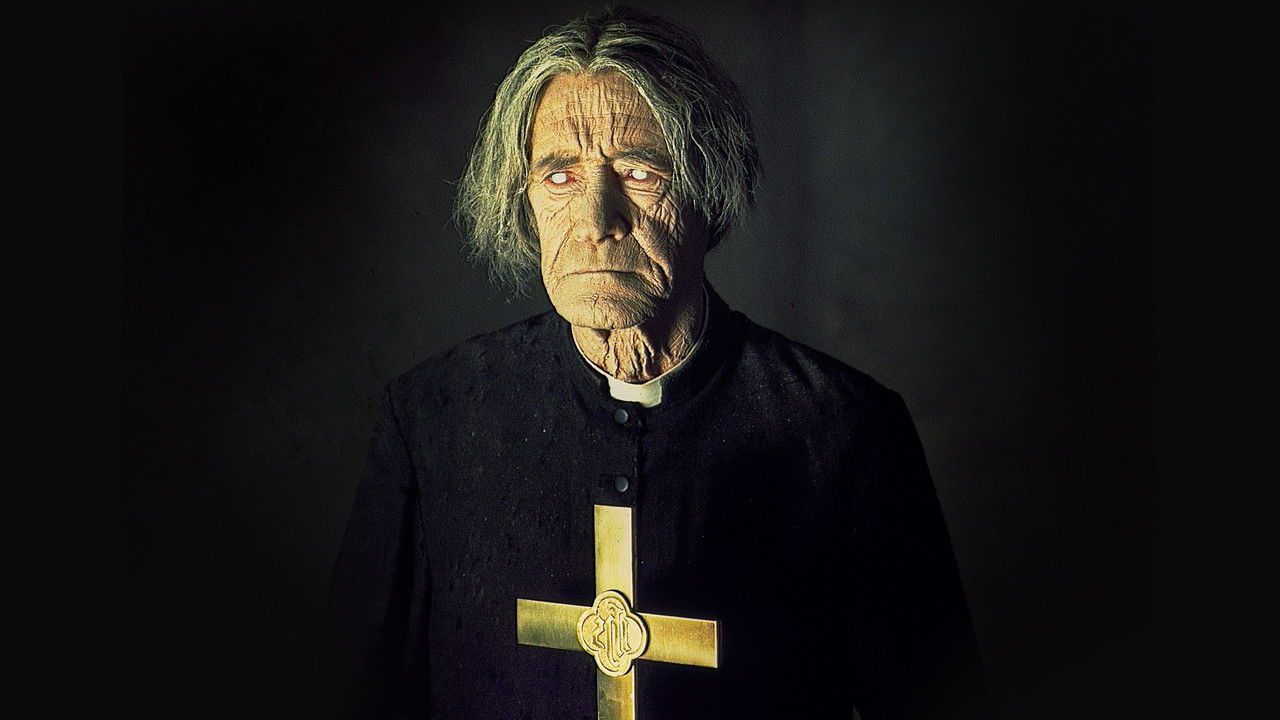
The Sentinel
1977 · Helen Logan
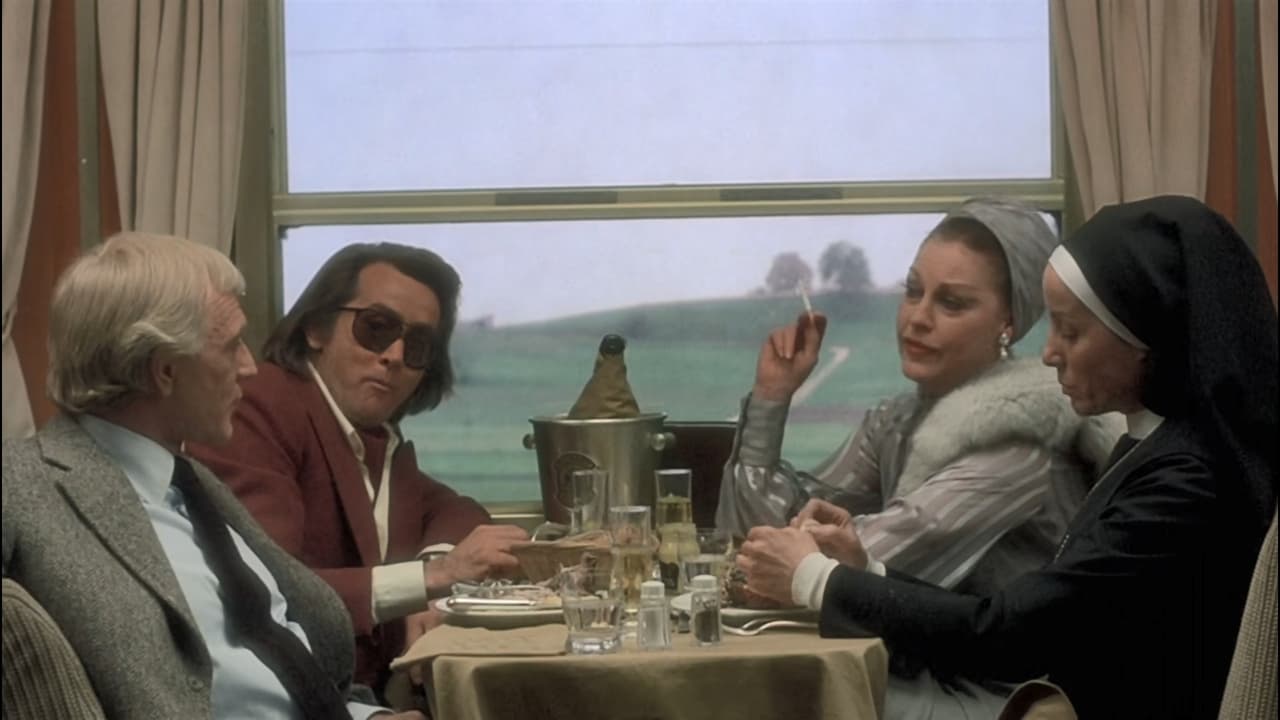
The Cassandra Crossing
1976 · Nicole Dressler
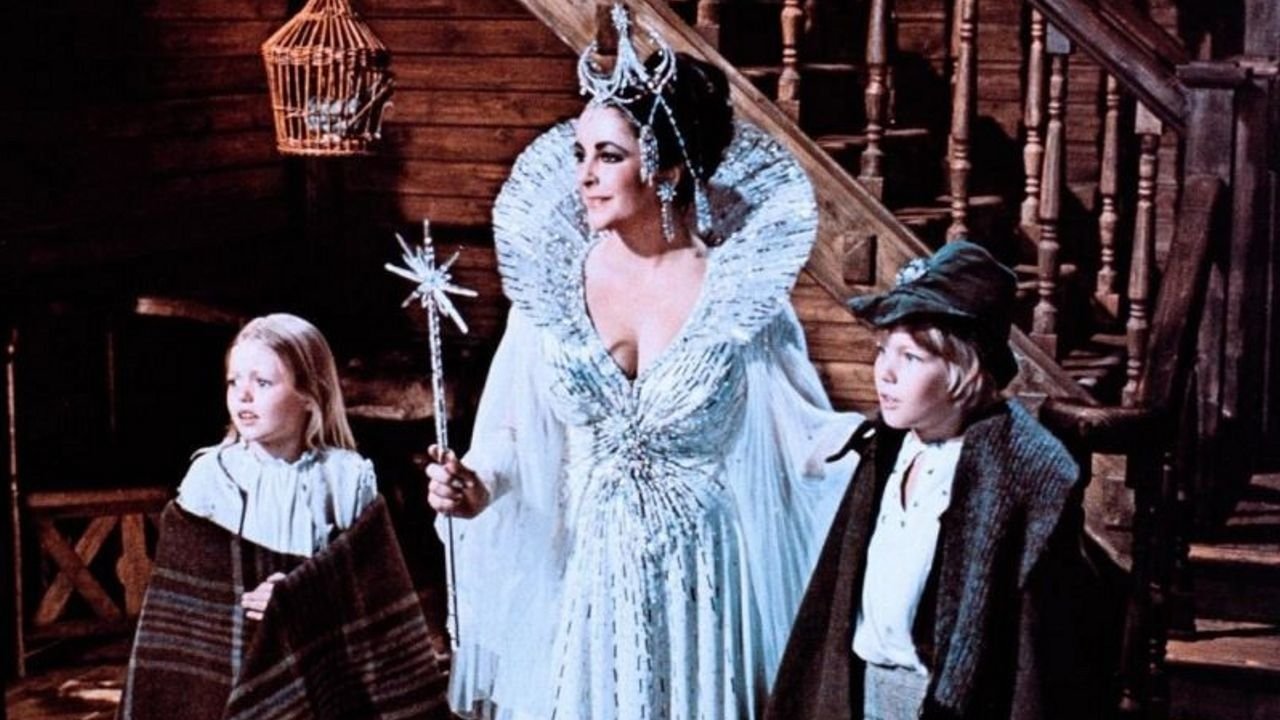
The Blue Bird
1976 · Luxury
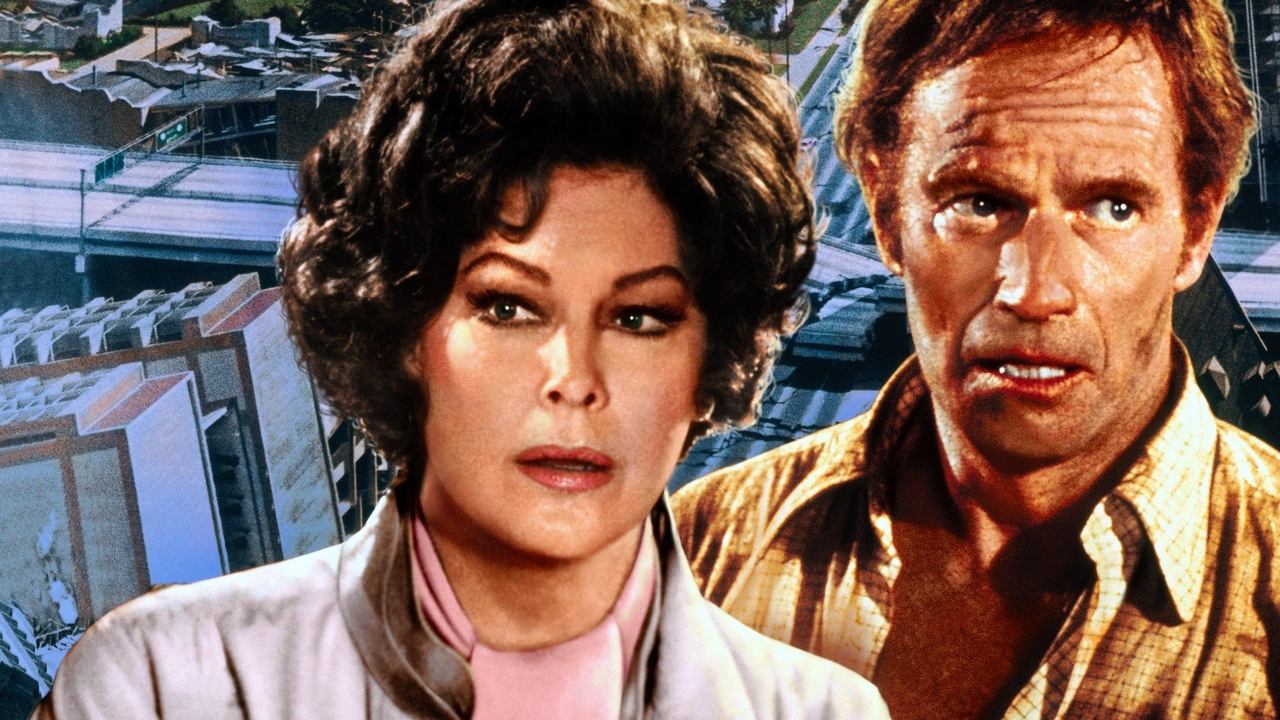
Earthquake
1974 · Remy Royce-Graff
The Ballad of Tam Lin
1970 · Michaela Cazaret
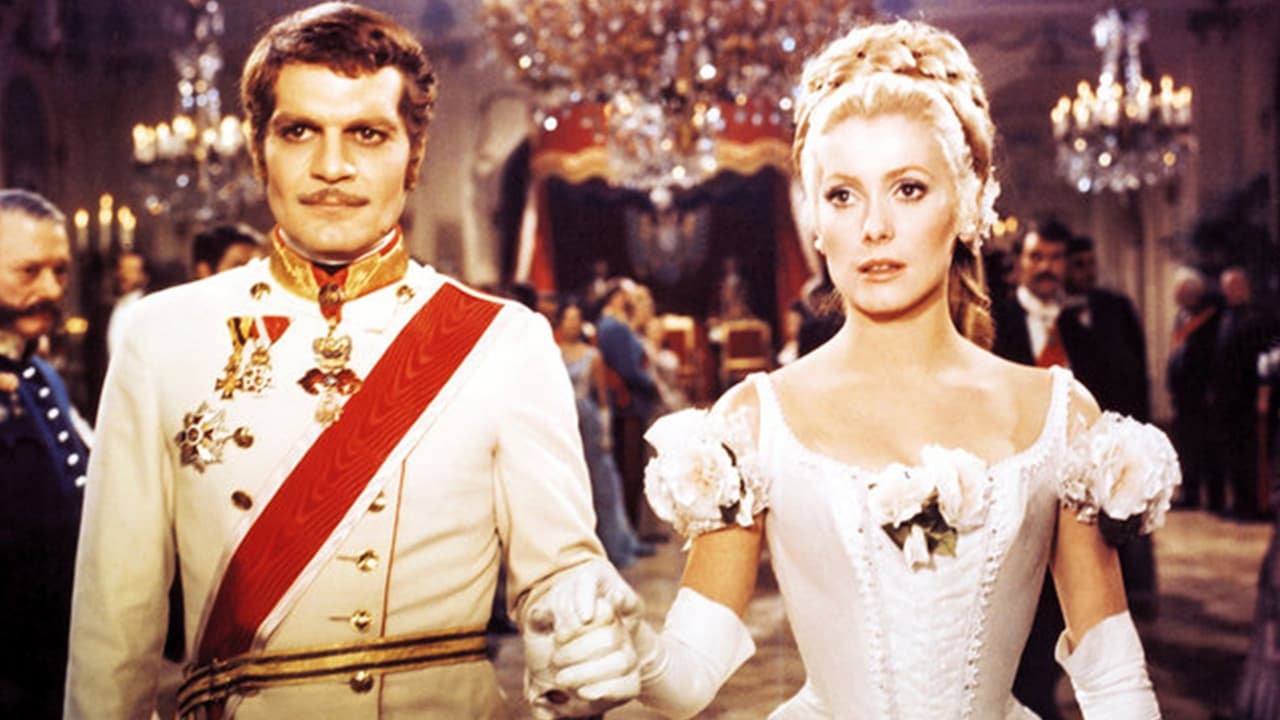
Mayerling
1968 · Empress Elisabeth of Austria

The Bible: In the Beginning...
1966 · Sarah
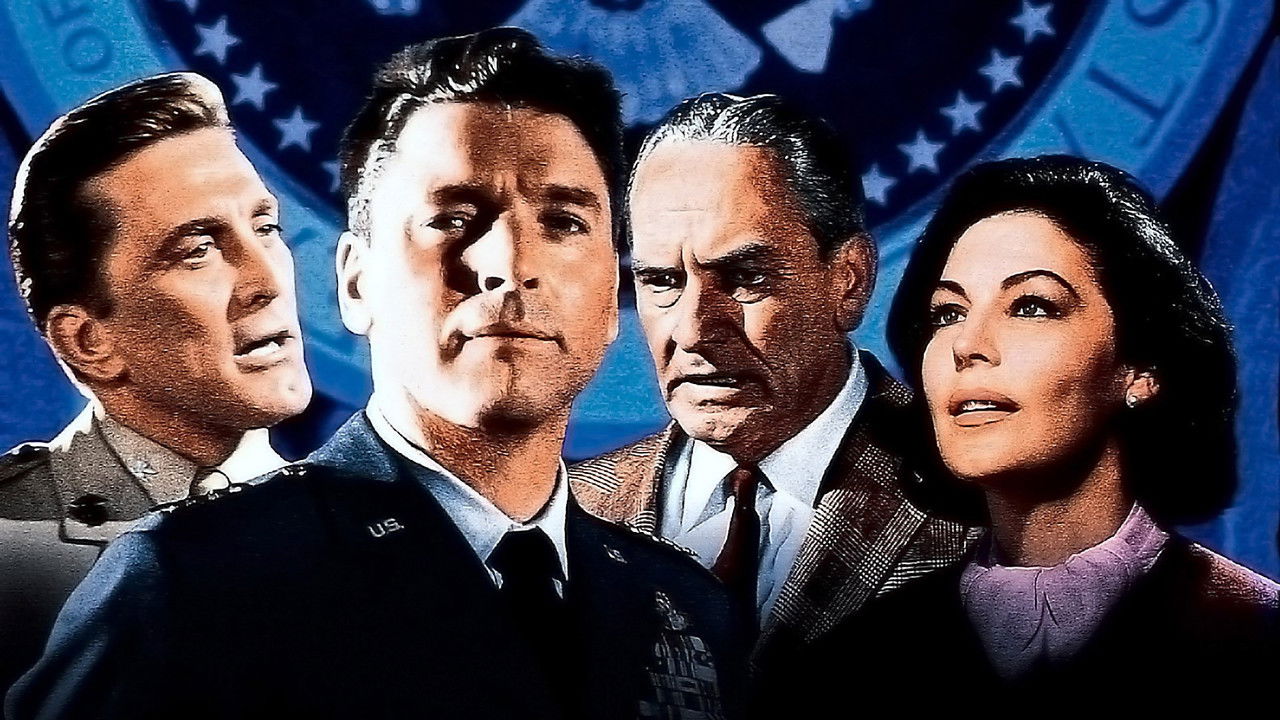
Seven Days in May
1964 · Eleanor Holbrook
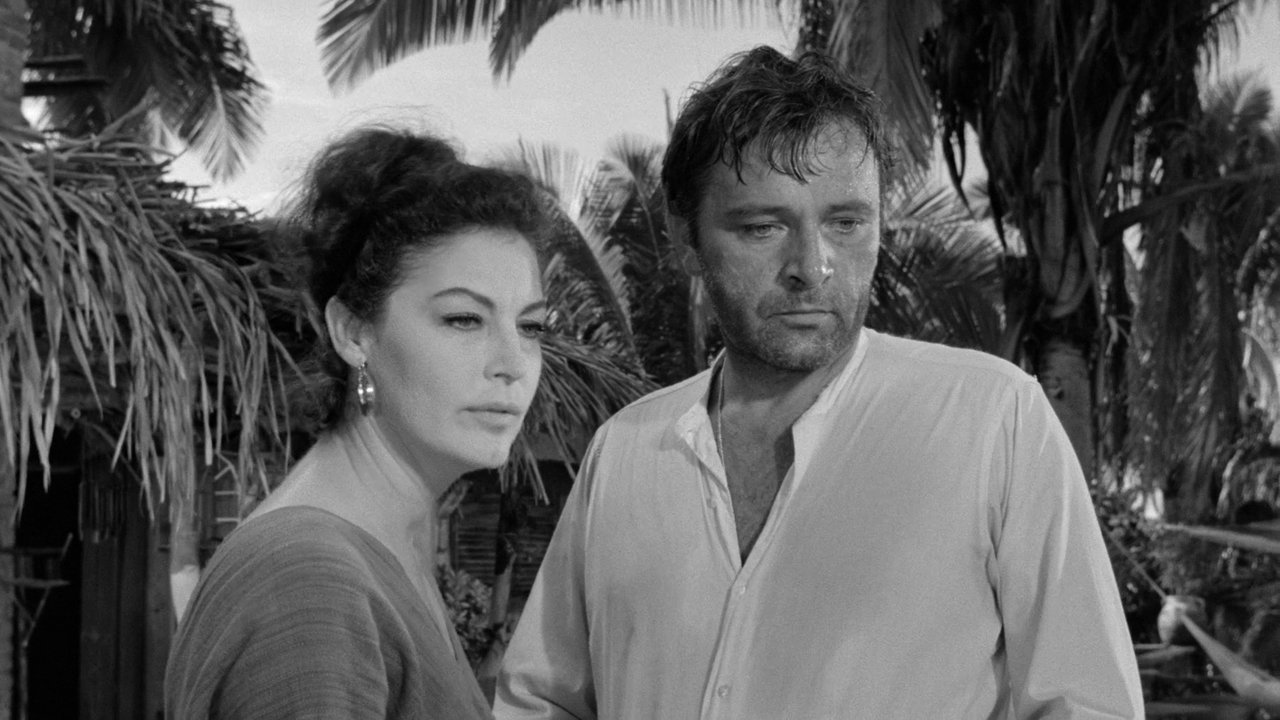
The Night of the Iguana
1964 · Maxine Faulk
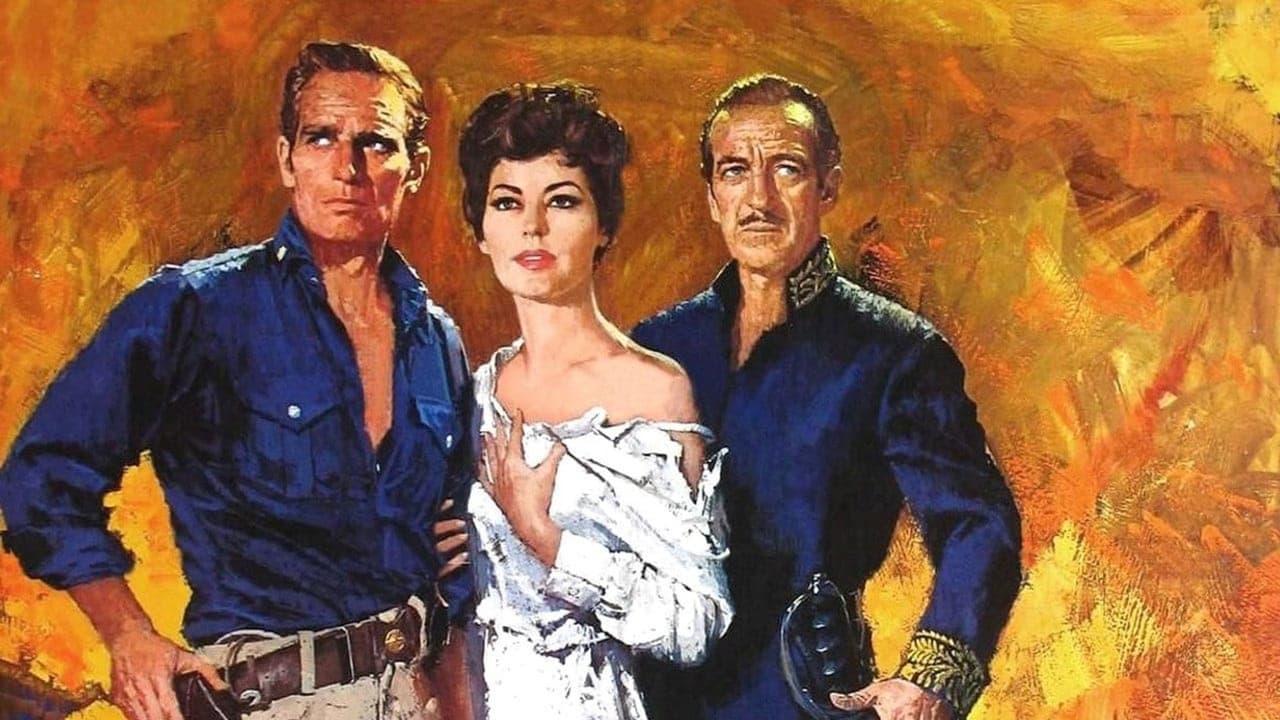
55 Days at Peking
1963 · Baroness Natalie Ivanoff

On the Beach
1959 · Moira Davidson
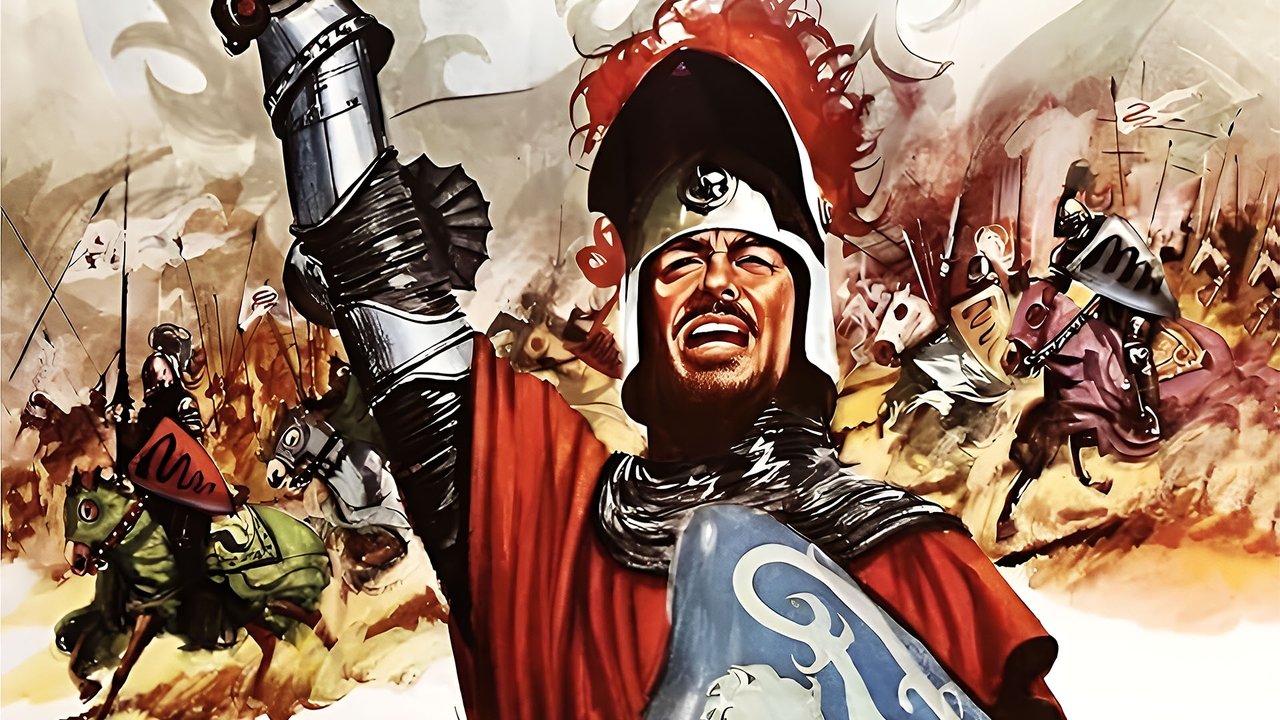
Knights of the Round Table
1953 · Guinevere
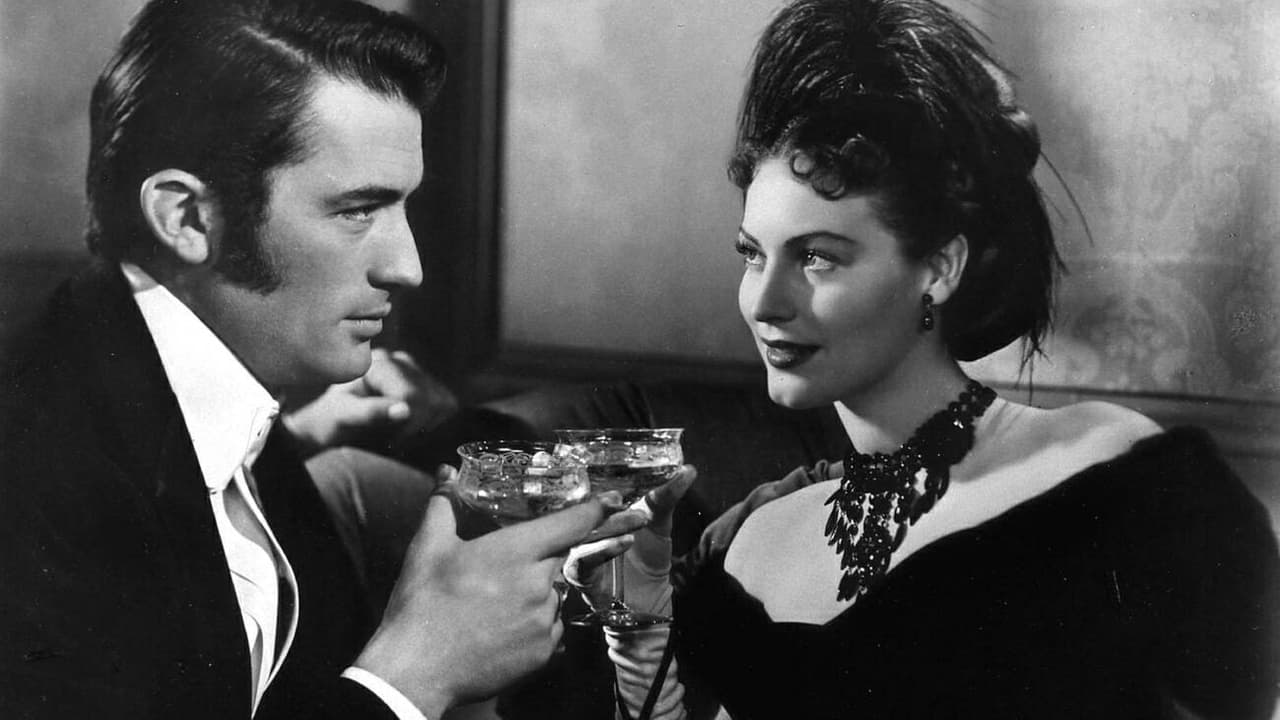
The Great Sinner
1949 · Pauline Ostrovsky
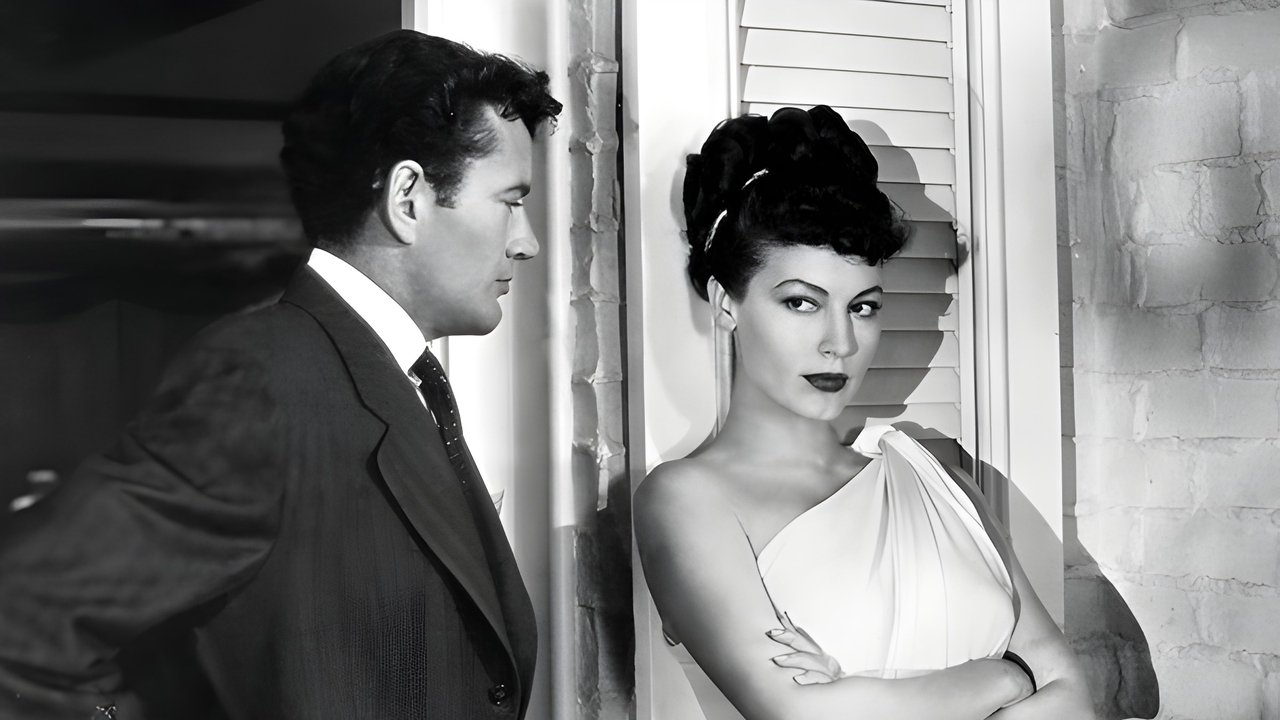
One Touch of Venus
1948 · Venus
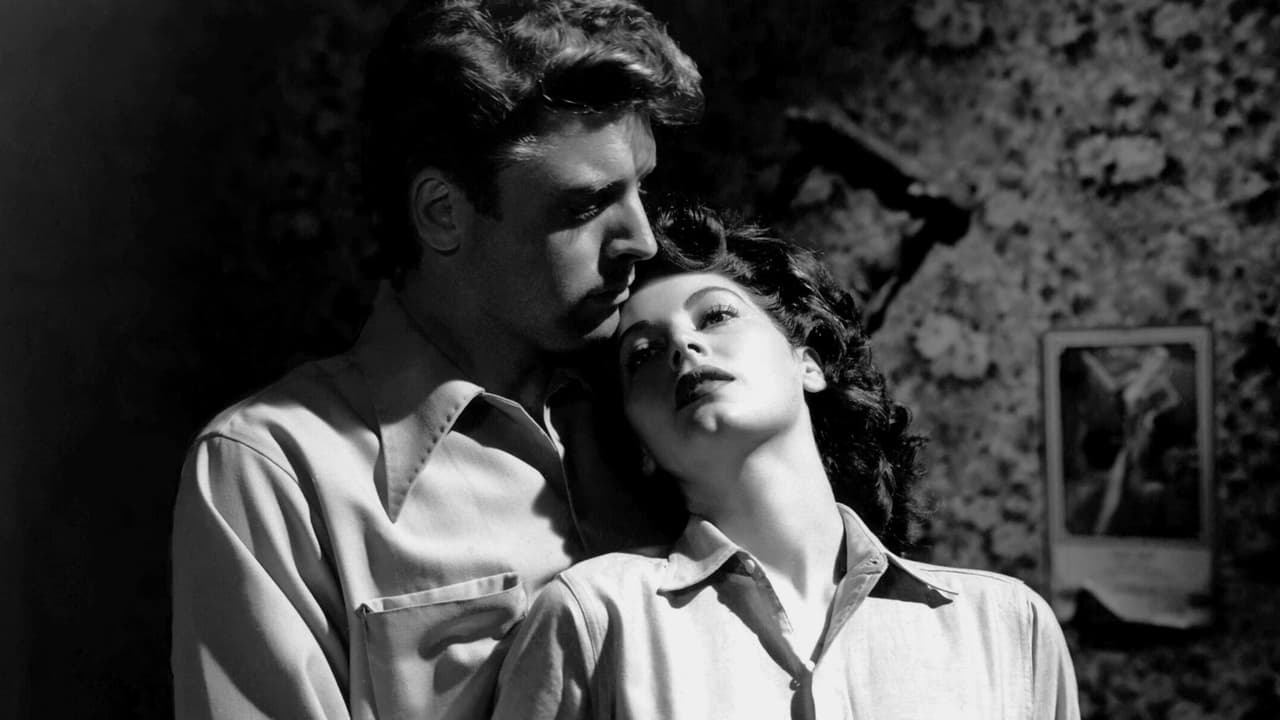
The Killers
1946 · Kitty Collins
Frequently asked questions
What films is Ava Gardner known for?
Ava Gardner has 19 titles indexed on Movie OTT, including Harem, Dead Men Don't Wear Plaid, Priest of Love.
How long has Ava Gardner been active?
Ava Gardner's film career on Movie OTT spans from 1946 to 1986 — 40 years of work.