Actor & Director
Burt Lancaster
23 films on Movie OTT · 1 as director · Active 1946–1989
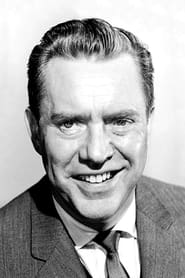
Burt Lancaster arrived in Hollywood almost by accident — a chance encounter with a talent agent led to his screen debut in 1946's Kiss the Blood Off My Hands, and within two years he'd built enough momentum to co-found Hechт-Lancaster, one of the earliest actor-run production companies in the studio era. Born in New York City on November 2, 1913, Lancaster came up through the circus and vaudeville circuits, training as an acrobat before the war interrupted everything. That physical background never left him. It shaped the way he moved on screen for the next four decades, giving his performances a coiled, kinetic quality that most actors trained in conventional theater simply couldn't replicate.
About Burt Lancaster
Burt Lancaster arrived in Hollywood almost by accident — a chance encounter with a talent agent led to his screen debut in 1946's Kiss the Blood Off My Hands, and within two years he'd built enough momentum to co-found Hechт-Lancaster, one of the earliest actor-run production companies in the studio era. Born in New York City on November 2, 1913, Lancaster came up through the circus and vaudeville circuits, training as an acrobat before the war interrupted everything. That physical background never left him. It shaped the way he moved on screen for the next four decades, giving his performances a coiled, kinetic quality that most actors trained in conventional theater simply couldn't replicate.
The role that crystallized what Lancaster could do came in From Here to Eternity (1953), which earned him an Academy Award nomination and put him alongside Montgomery Clift and Frank Sinatra in a film that felt genuinely dangerous for its time. But it's Elmer Gantry (1960) that most people point to — and rightly so — when they want to explain what made him different. He won the Oscar for Best Actor for that performance, playing a con-man evangelist with such unrestrained energy that the film almost can't contain him. What's striking is how little he seems to be performing; he inhabits Gantry the way a method actor would, except Lancaster never claimed to be a method actor. He just believed things completely.
Trapeze (1956) sits in an interesting place in his filmography, arriving right in the middle of his commercial peak and drawing directly on those circus skills he'd developed as a young man. Directed by Carol Reed and shot in Paris, it gave Lancaster a role that didn't require him to suppress his physicality — he could use it openly, legitimately, as the story demanded. The film isn't always discussed alongside his more critically serious work, but it's a useful reminder that Lancaster was never just one kind of actor. He worked across westerns, crime pictures, war films, and prestige dramas without any of them feeling like a departure. Lawman (1971), a lean and deliberately cold western directed by Michael Winner, showed a harder, more weathered version of that same screen presence — a man who doesn't negotiate, doesn't soften, just enforces. It's a film that doesn't get talked about enough.
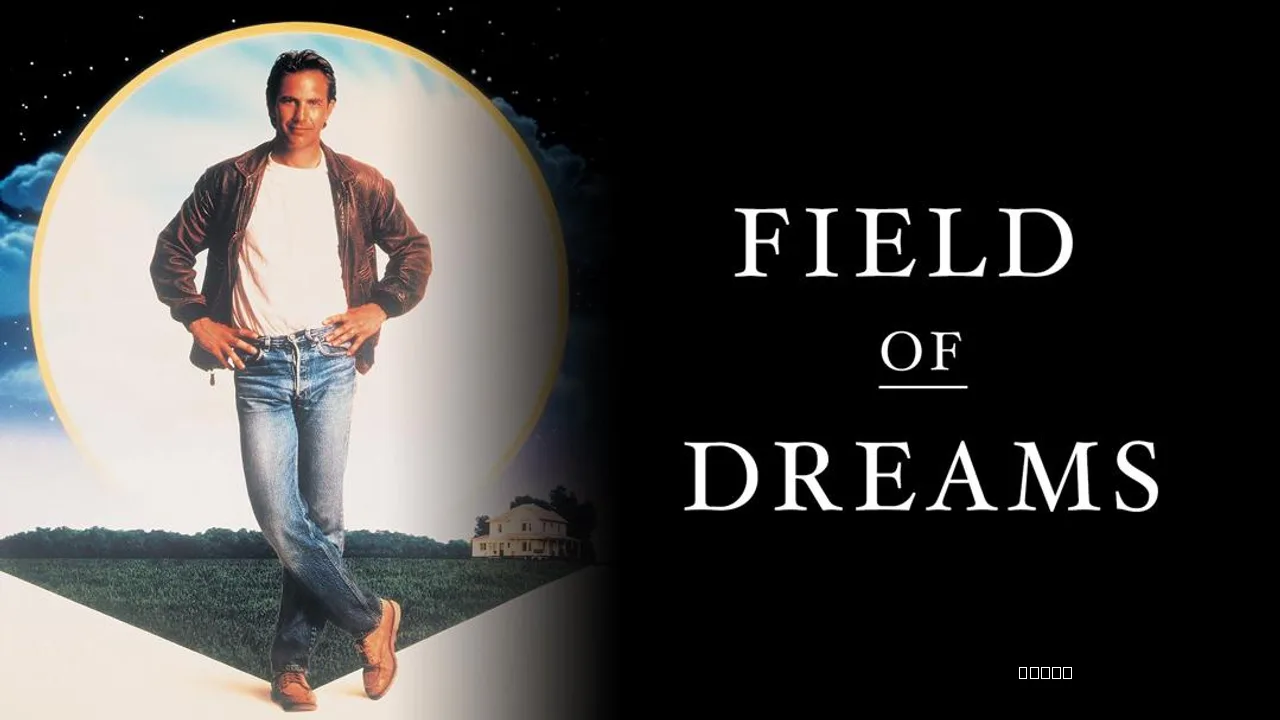
By the late 1980s, Lancaster had moved into supporting roles, and he handled the transition better than most actors of his generation. Field of Dreams (1989) cast him as Archibald "Moonlight" Graham, a doctor who once played a single inning of major league baseball and never got to bat — a small role, genuinely small, but one that carries the film's emotional weight in a scene where Graham steps off the field and back into ordinary life, giving up something he can never recover. Lancaster doesn't oversell it. He doesn't need to. The restraint he brings to that moment is the performance.
Hard to say if any actor since has managed quite the same range across such a long career without the work feeling scattered or inconsistent. Lancaster made films with Luchino Visconti (The Leopard, 1963), with John Frankenheimer, with Louis Malle — directors who weren't looking for a movie star, they were looking for an actor who could carry serious material without flinching. He gave them that, reliably, over nearly five decades. The physical presence that started everything eventually became secondary to something quieter and more durable: a capacity for stillness that made audiences lean in rather than sit back.
Currently streaming
14 of 23 on platformsFilmography
Field of Dreams
1989 · Cast

Happy 100th Birthday, Hollywood
1987 · Self
Control
1987 · Dr. Herbert Monroe

Tough Guys
1986 · Cast
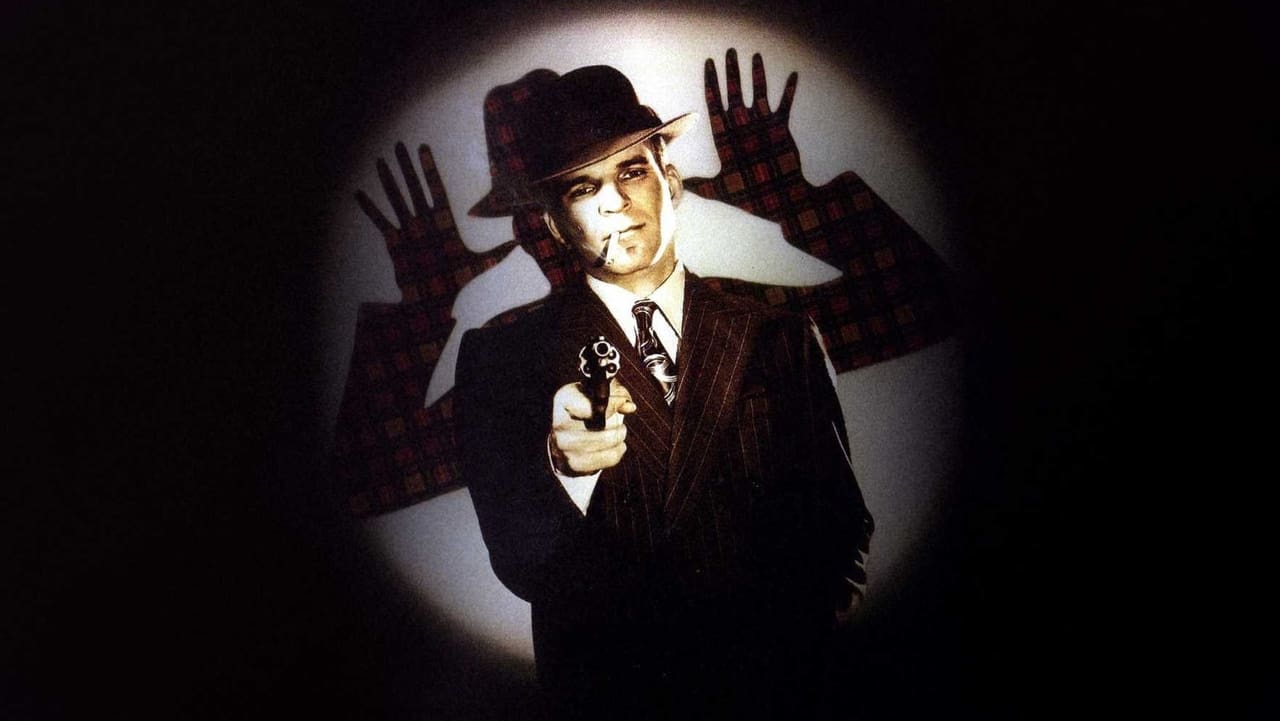
Dead Men Don't Wear Plaid
1982 · (in "The Killers") (archive footage)
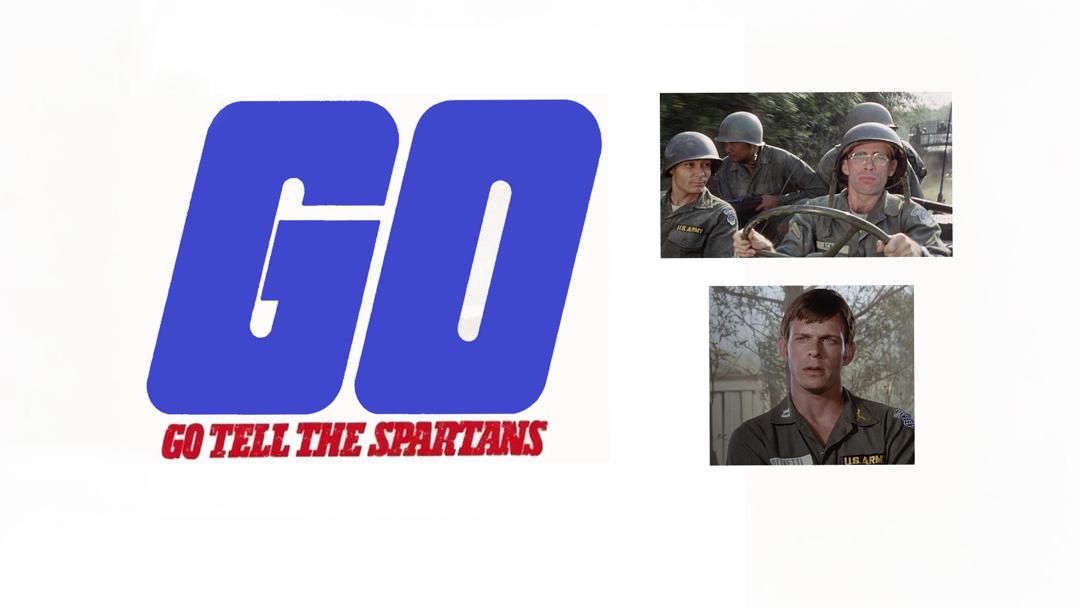
Go Tell the Spartans
1978 · Cast
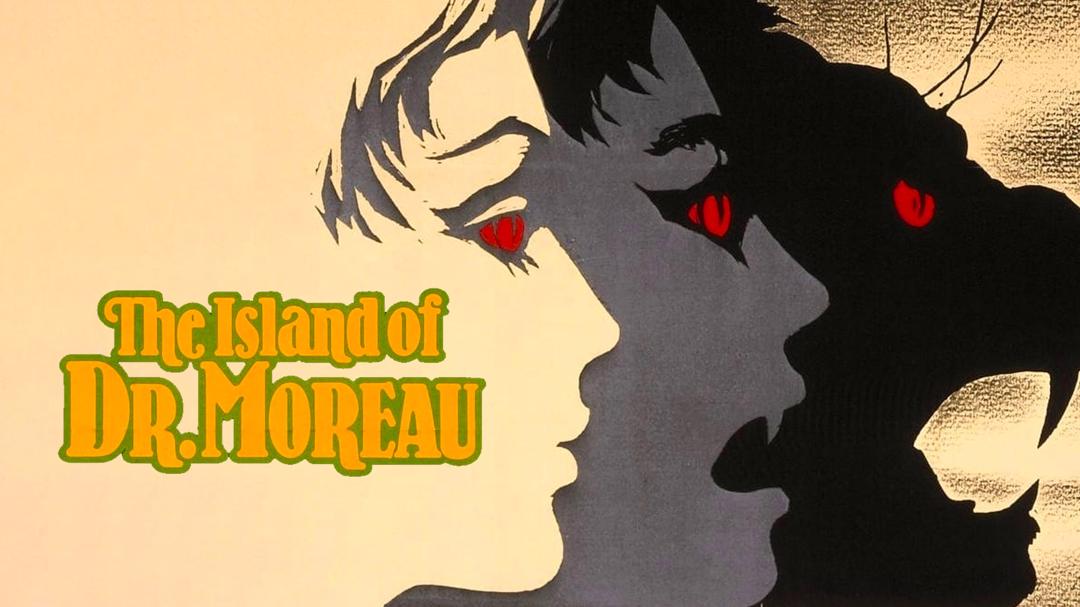
The Island of Dr. Moreau
1977 · Cast
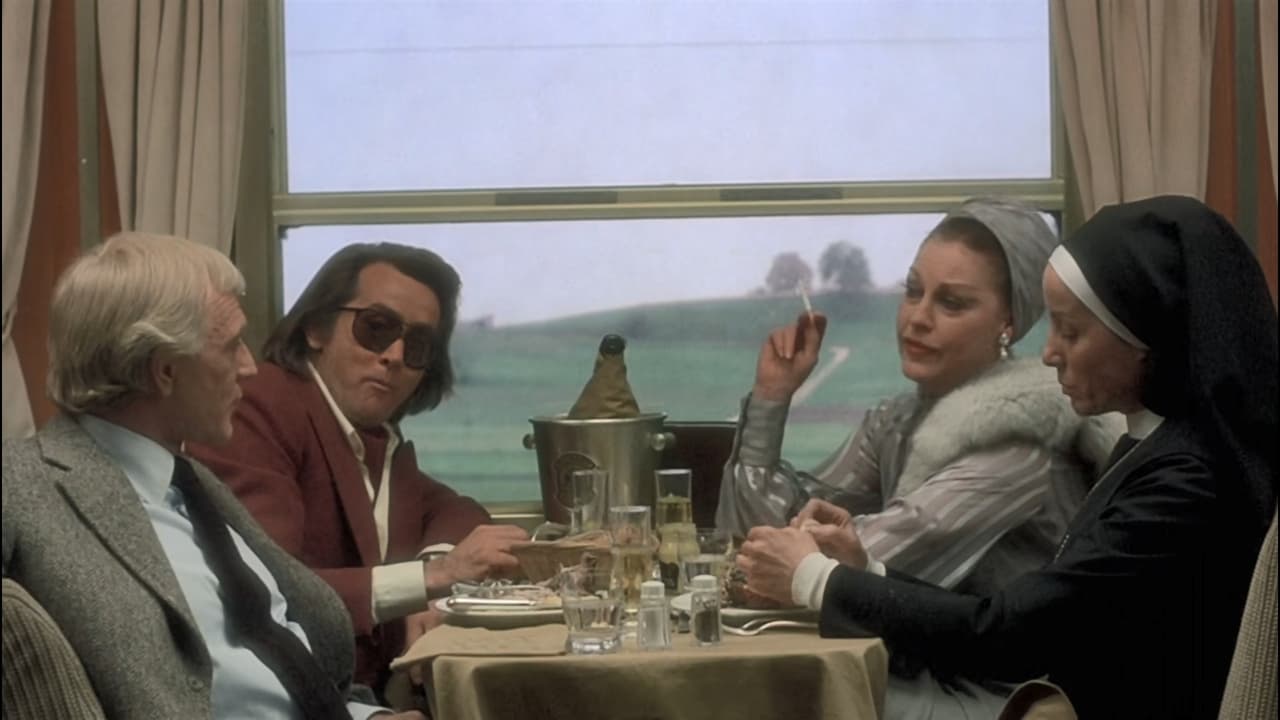
The Cassandra Crossing
1976 · Col. Stephen Mackenzie
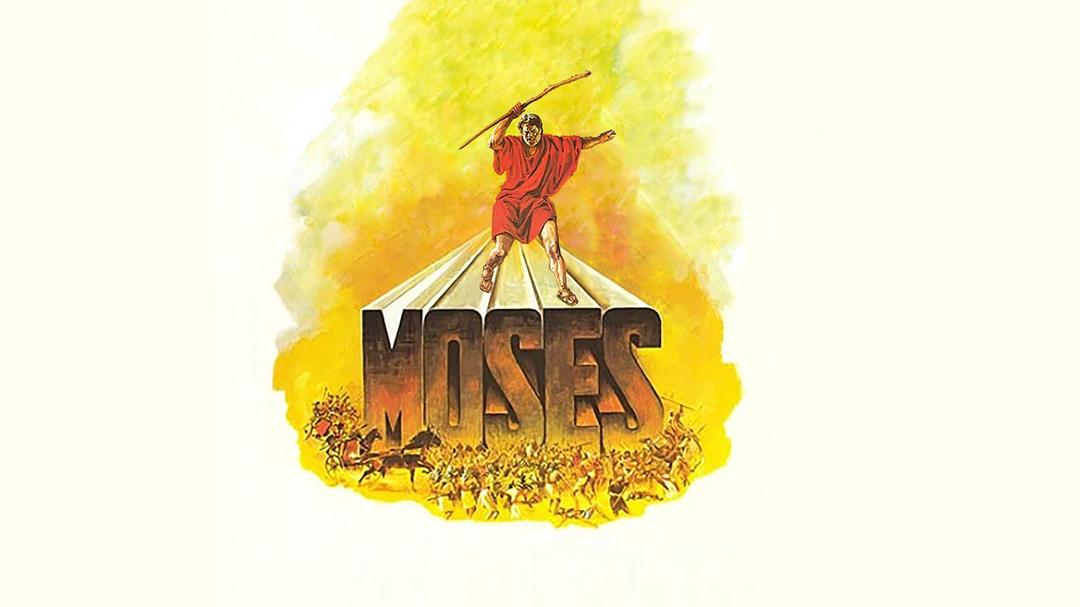
Moses the Lawgiver
1976 · Cast
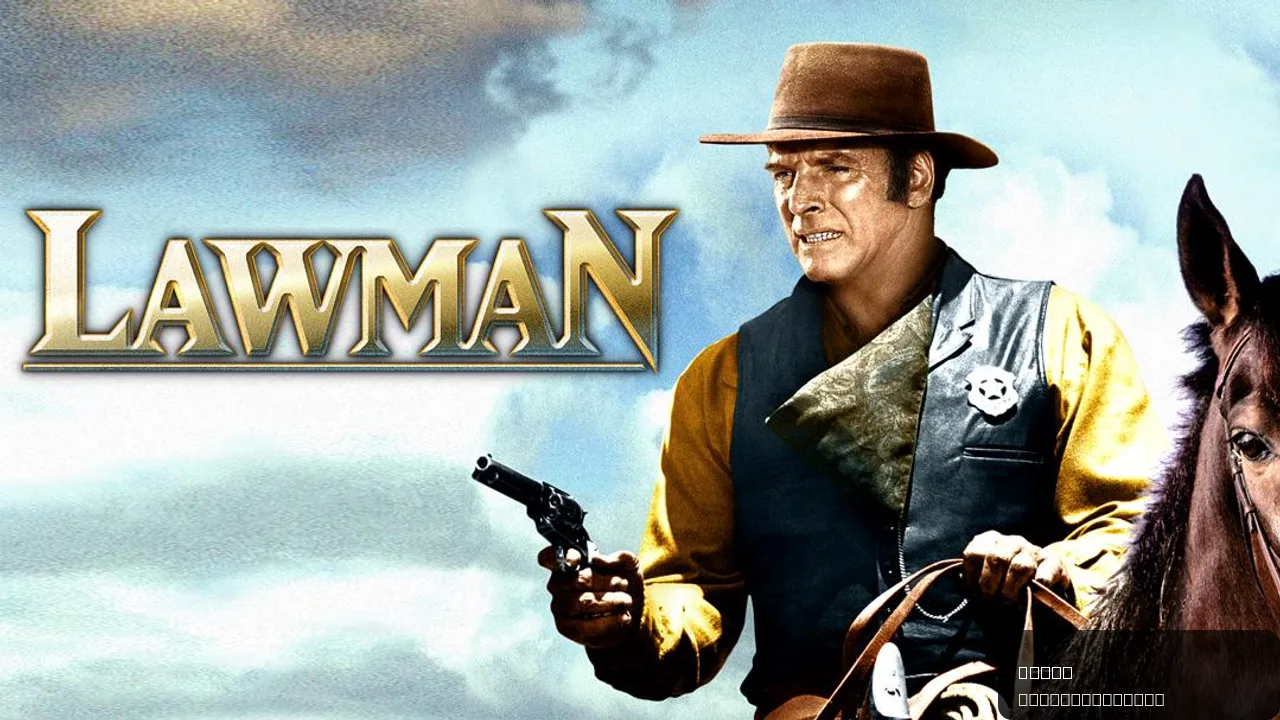
Lawman
1971 · Cast
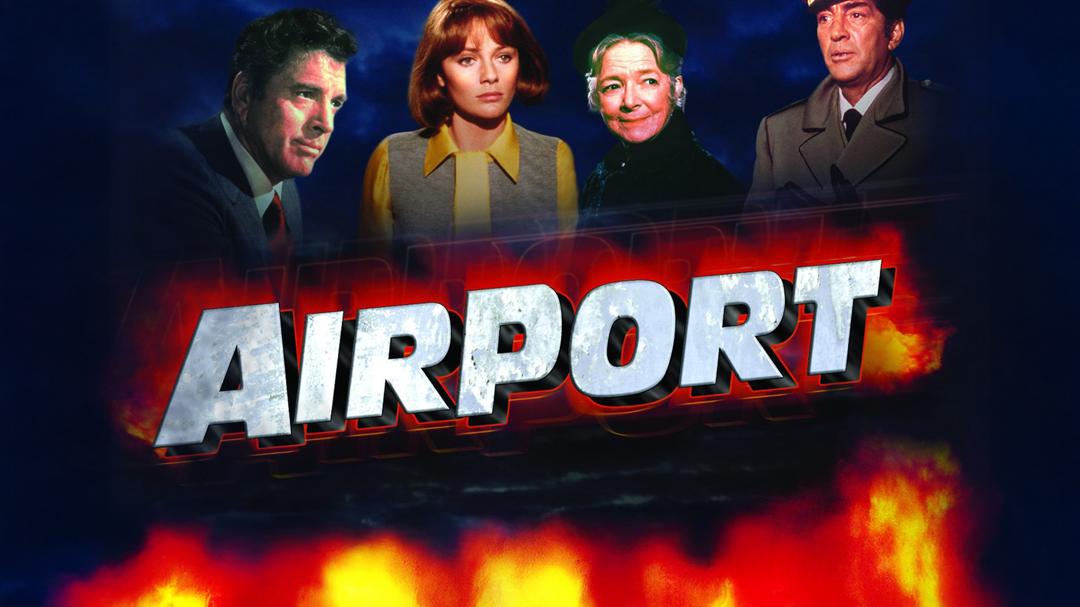
Airport
1970 · Cast
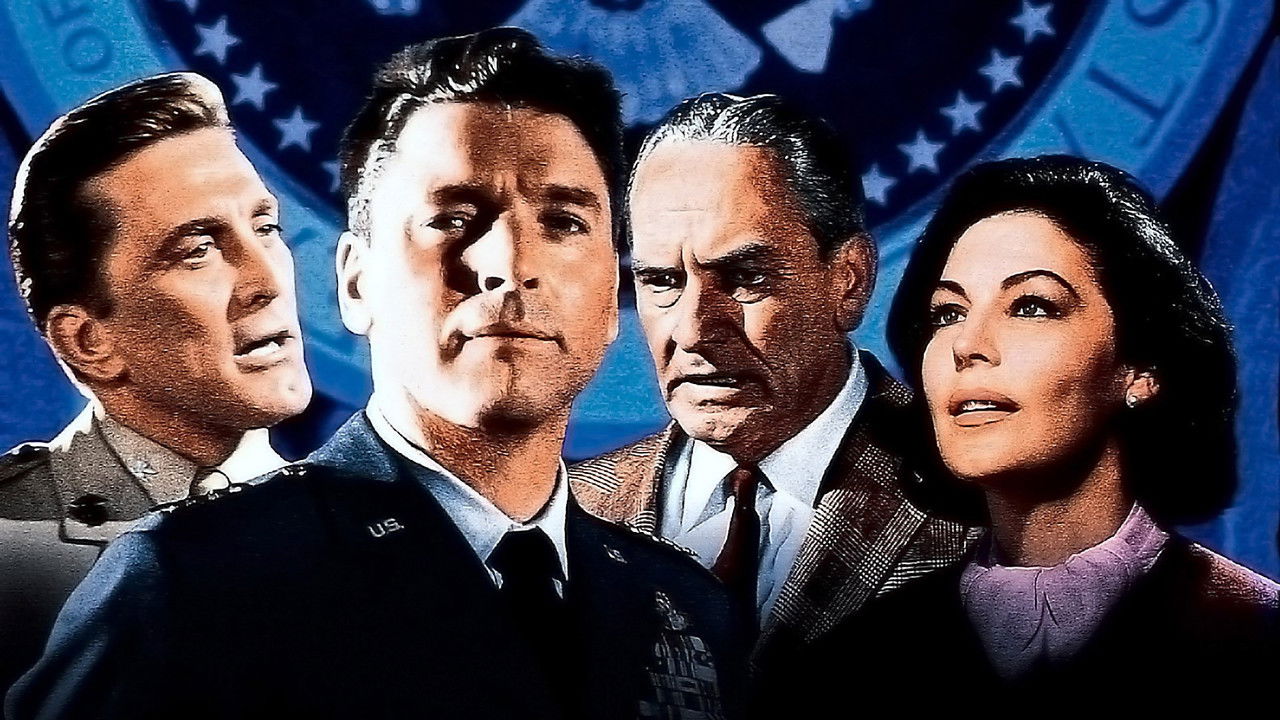
Seven Days in May
1964 · Gen. James Mattoon Scott
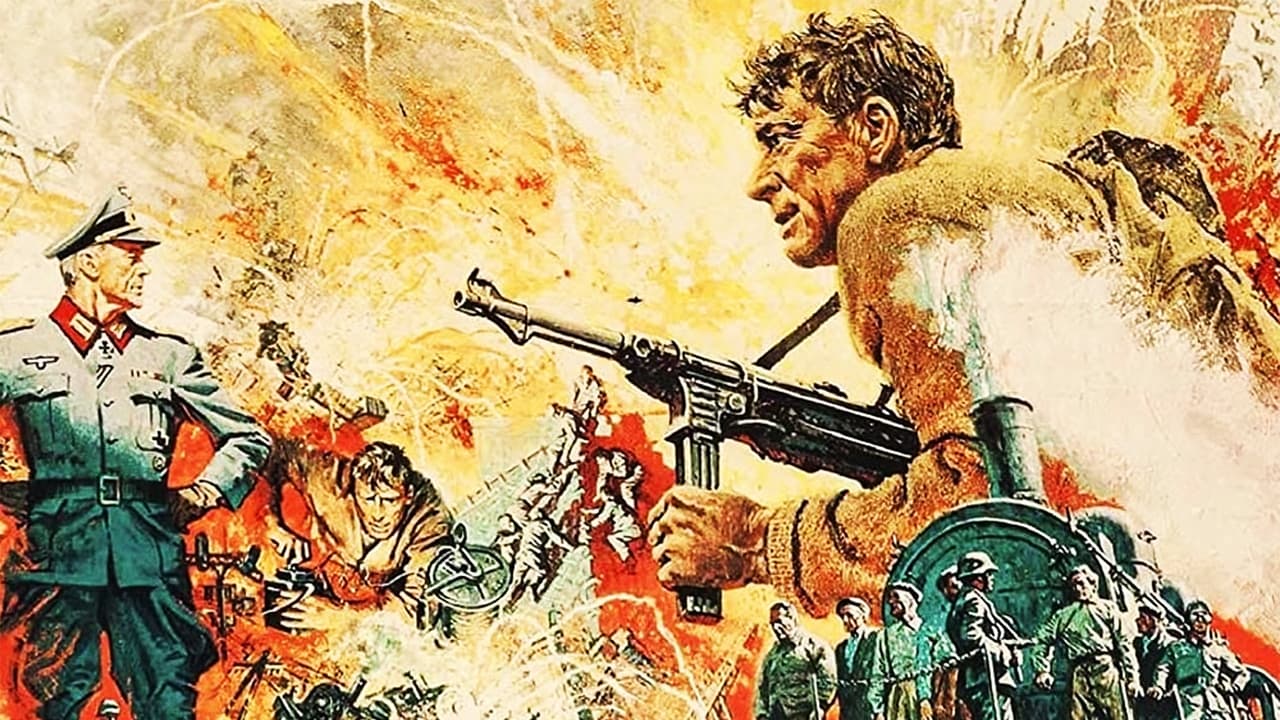
The Train
1964 · Paul Labiche
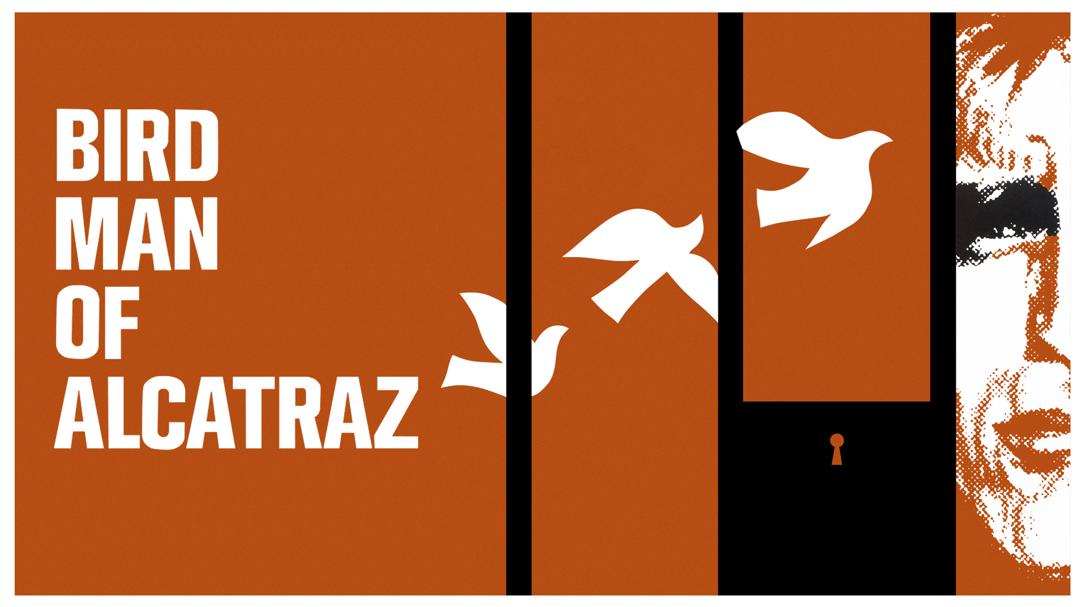
Birdman of Alcatraz
1962 · Cast
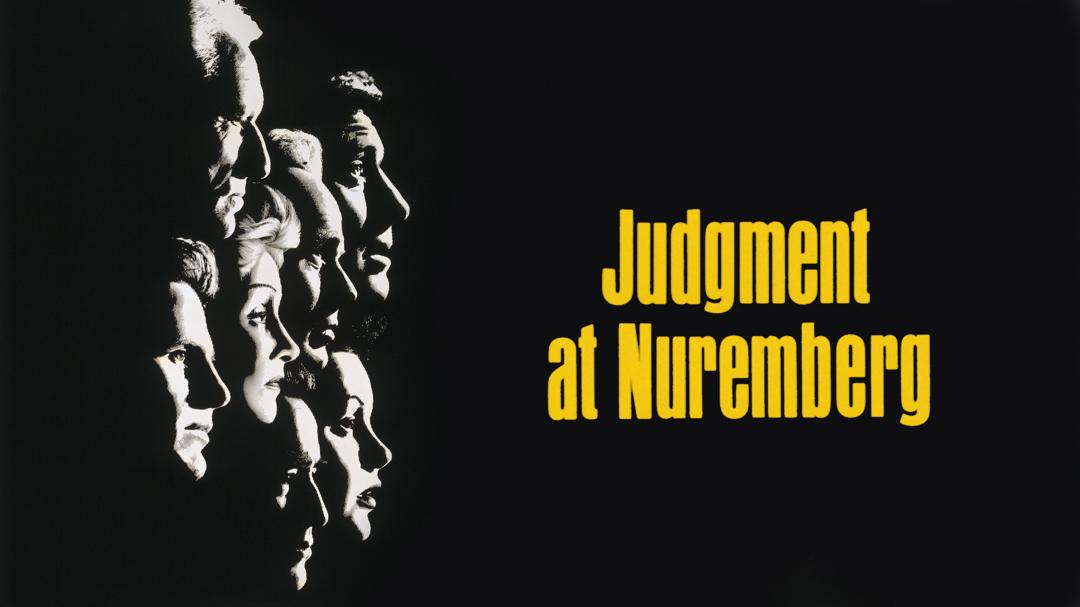
Judgment at Nuremberg
1961 · Cast
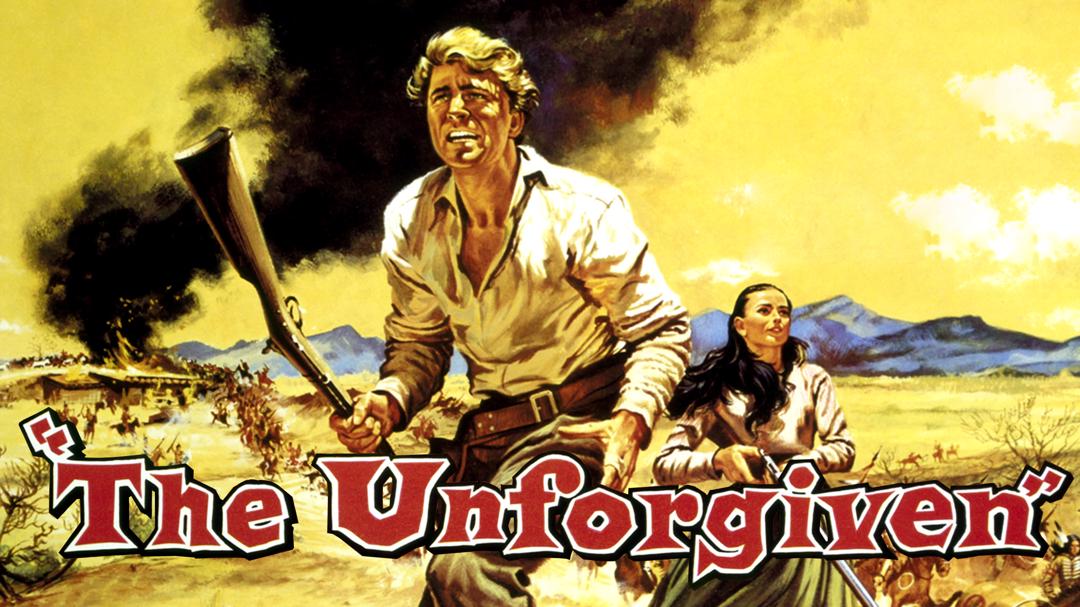
The Unforgiven
1960 · Cast
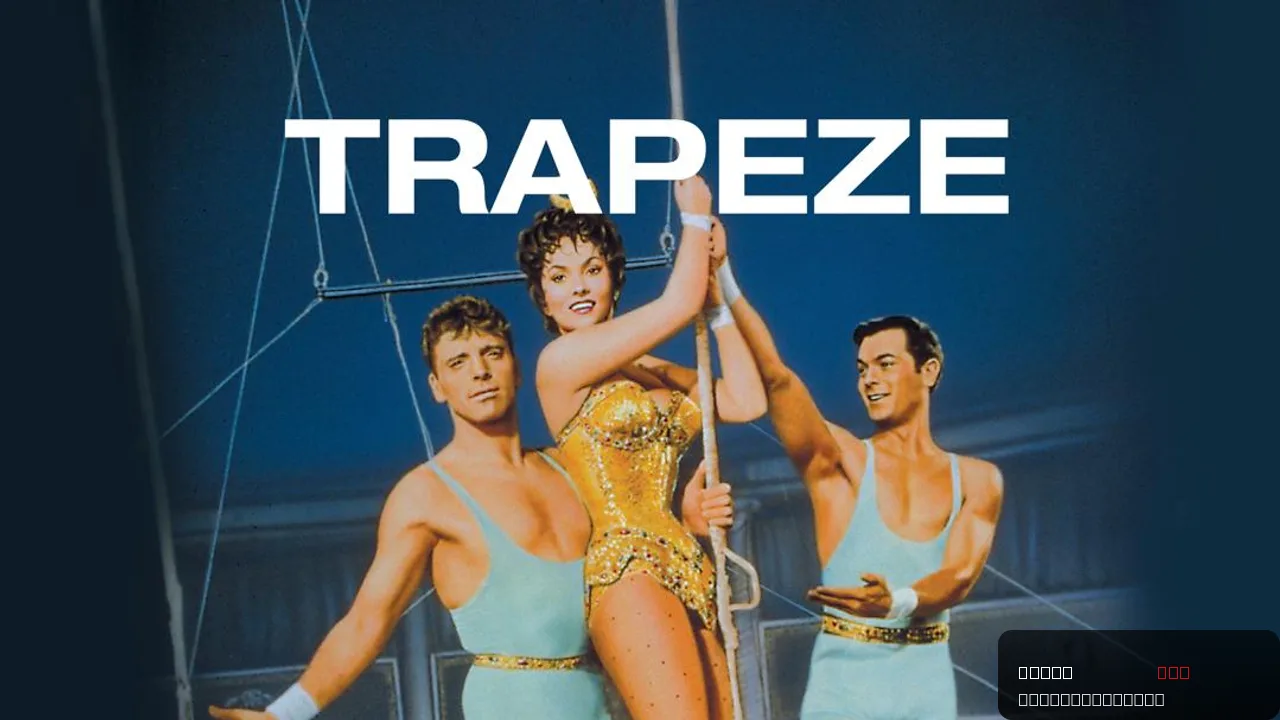
Trapeze
1956 · Cast
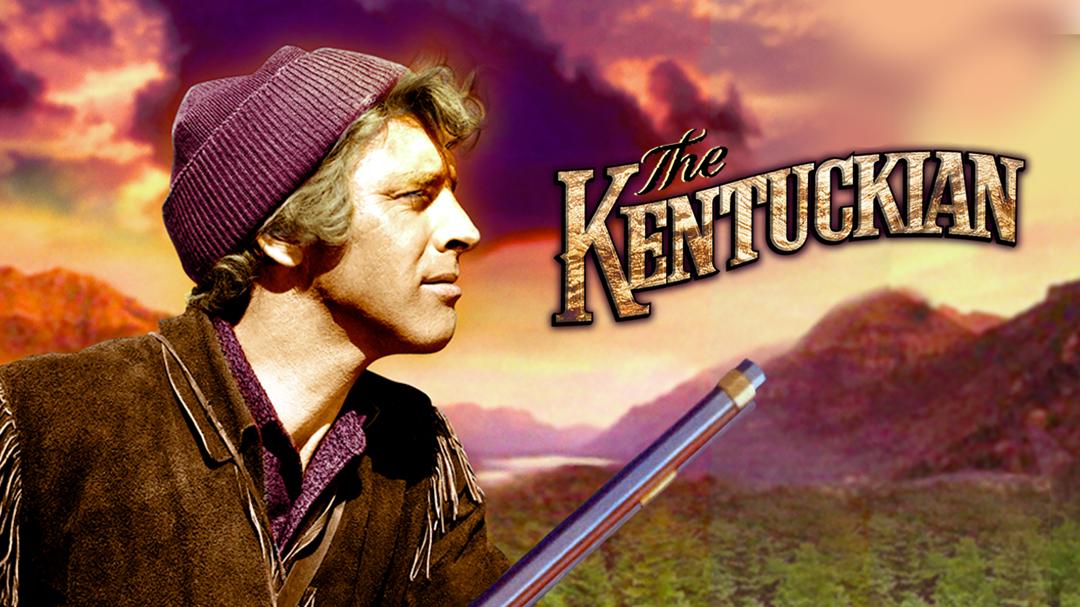
The Kentuckian
1955 · Cast, Director
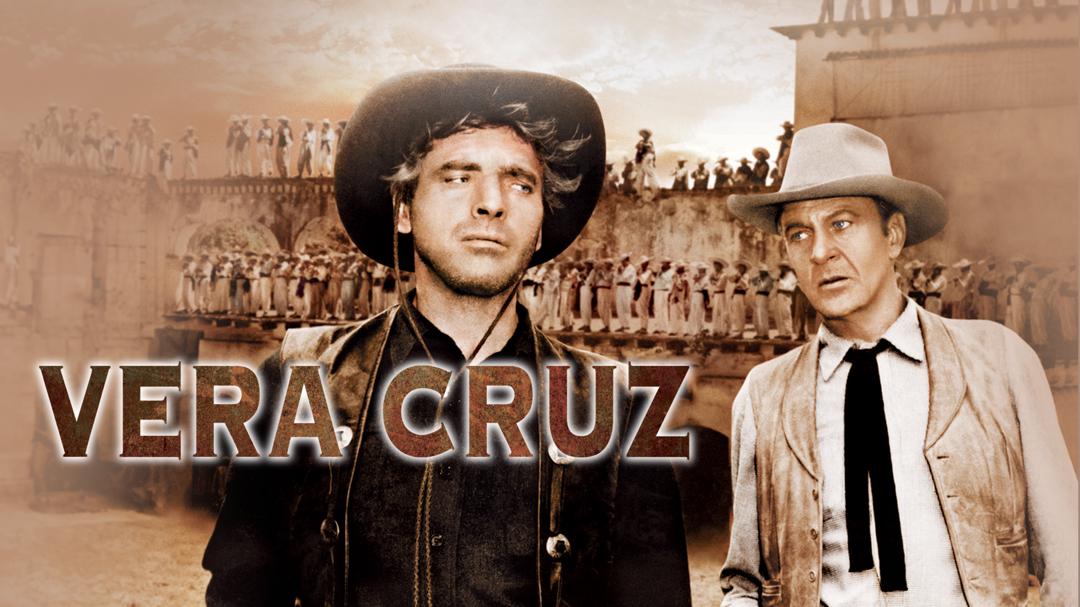
Vera Cruz
1954 · Cast
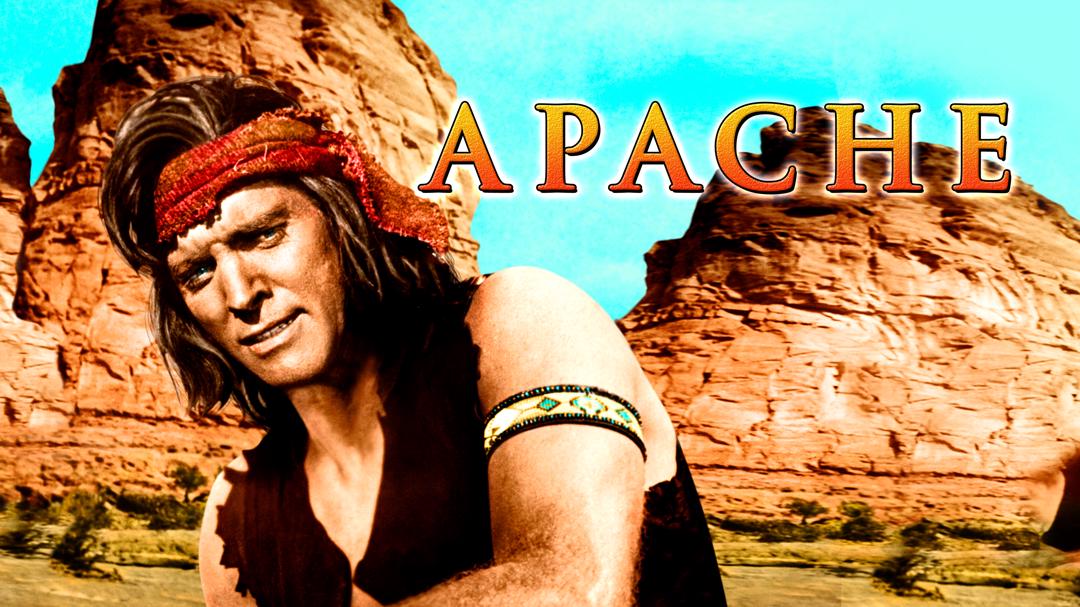
Apache
1954 · Cast

From Here to Eternity
1953 · 1st Sgt. Milton Warden
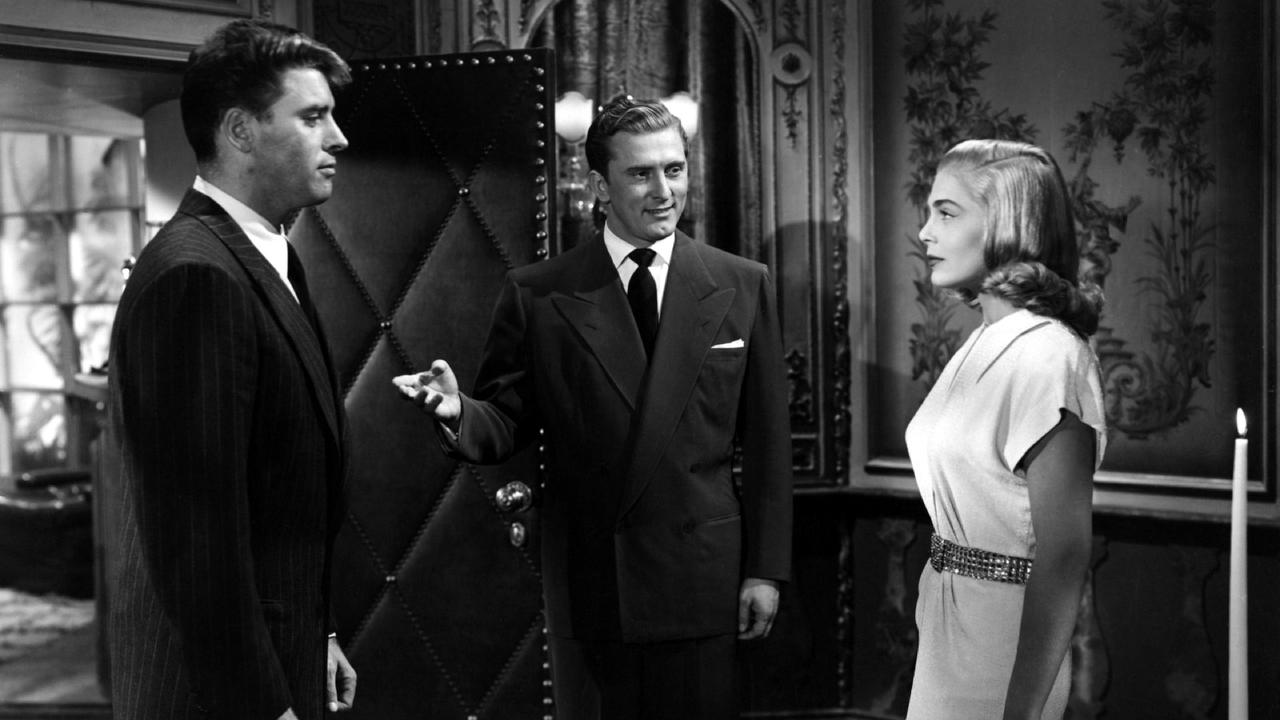
I Walk Alone
1947 · Frankie Madison
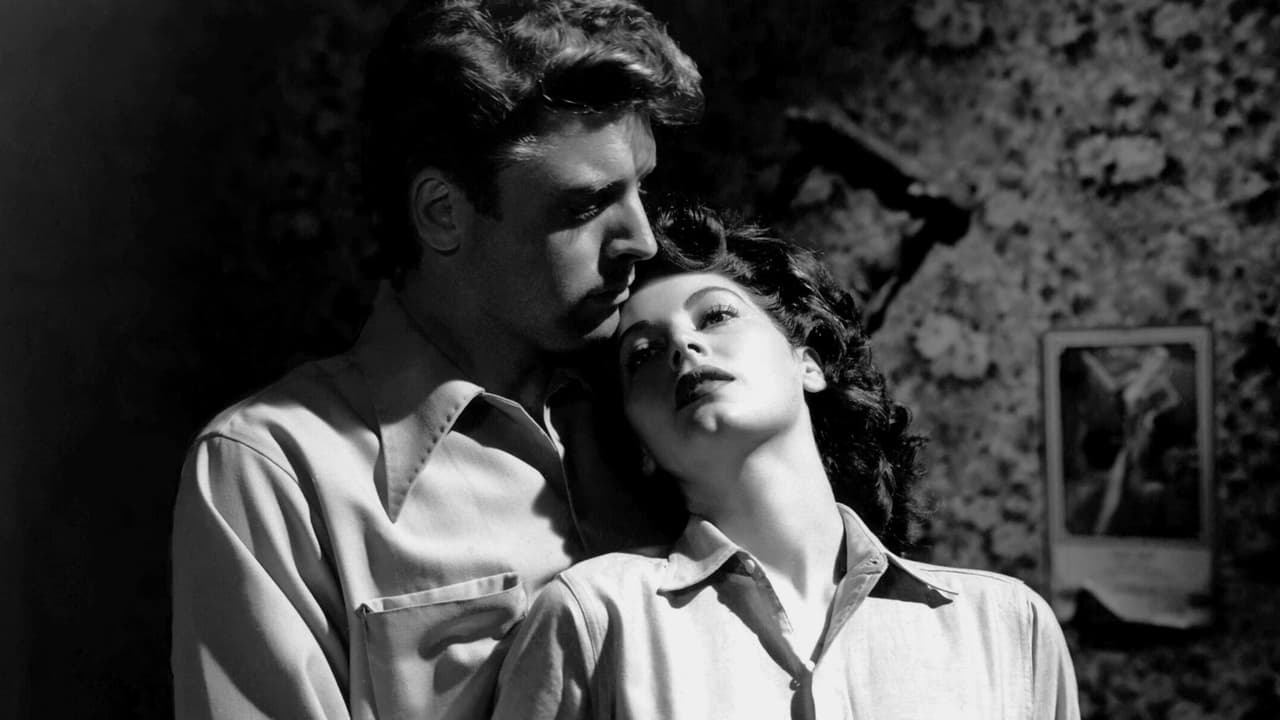
The Killers
1946 · 'Swede' Andersen
Frequently asked questions
When and where was Burt Lancaster born?
Burt Lancaster was born 1913-11-02 in New York City, New York, USA.
What films is Burt Lancaster known for?
Burt Lancaster has 23 titles indexed on Movie OTT, including Field of Dreams, Happy 100th Birthday, Hollywood, Control.
Where can I watch Burt Lancaster's films?
14 of Burt Lancaster's films are currently streaming, available on Prime Video, Netflix, Amazon Prime Video with Ads, Filmin.
Has Burt Lancaster directed any films?
Yes — Burt Lancaster has 1 directorial credit indexed on Movie OTT.
How long has Burt Lancaster been active?
Burt Lancaster's film career on Movie OTT spans from 1946 to 1989 — 43 years of work.