
The Story of Control
Control drops you straight into a premise that sounds clinical on paper but becomes deeply unsettling in practice. Fifteen complete strangers are placed into a nuclear shelter as part of a psychological experiment designed to observe how humans behave under extreme stress and isolation. The initial rules are simple: survive together without any contact with the outside world. At first, things hold together. People cooperate, establish routines, find ways to occupy their time. But the longer they're confined—the longer the walls close in—the thinner that veneer of civility becomes. What begins as a controlled scientific observation transforms into something messier, darker, and far more revealing about human nature than anyone anticipated.
Behind the Making of Control
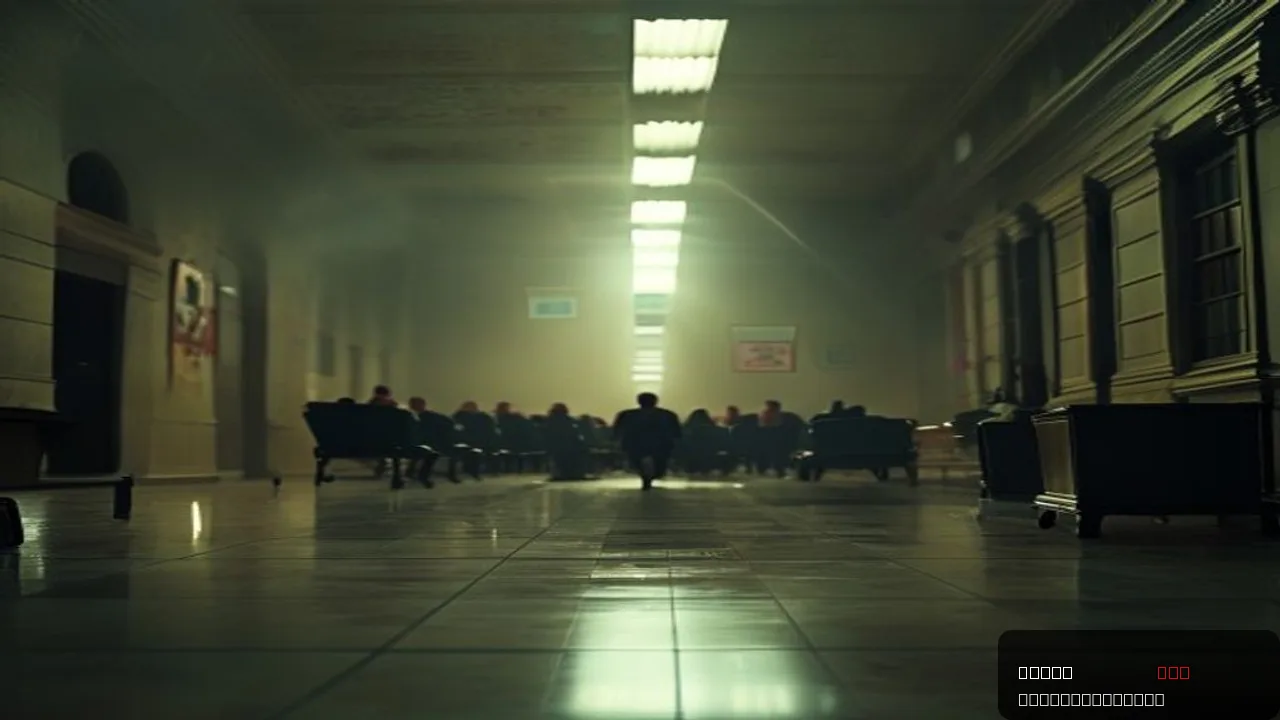
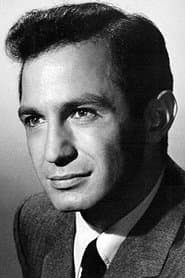
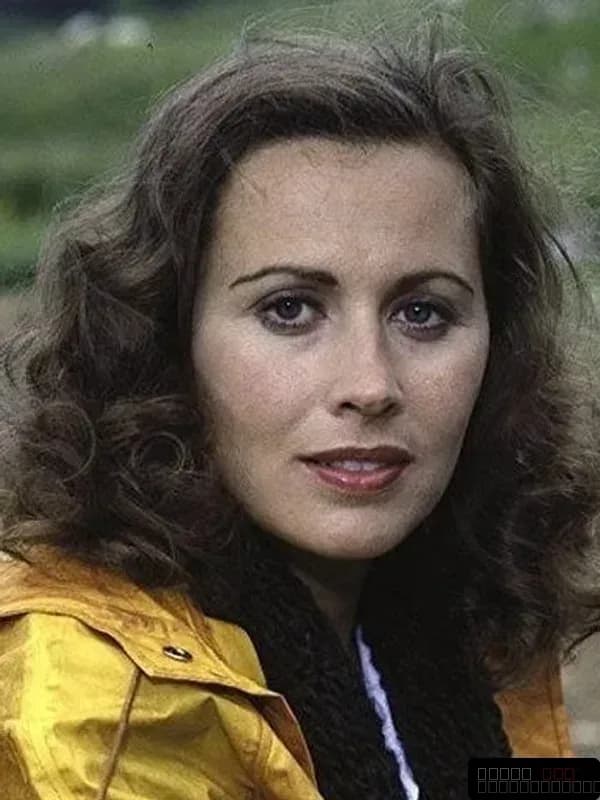
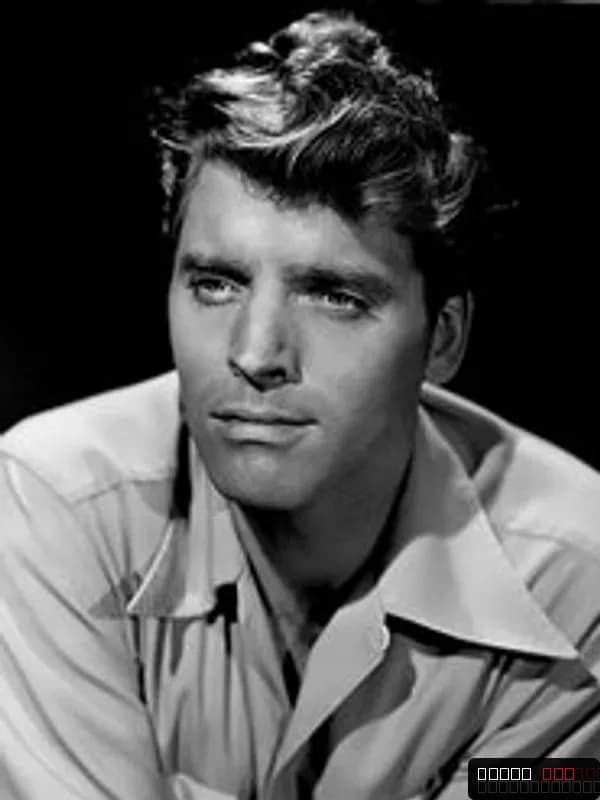
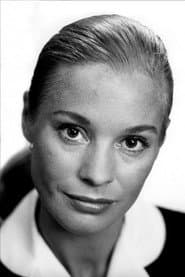
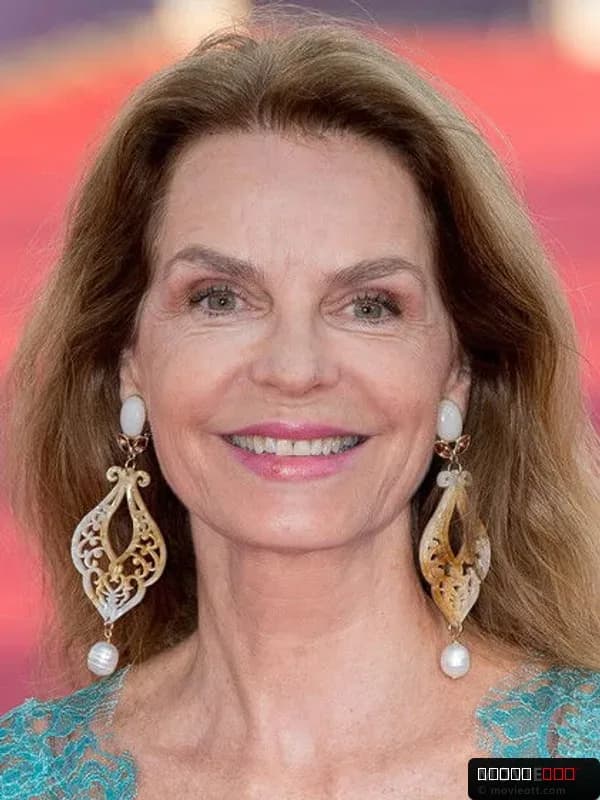
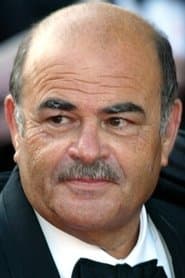
Control arrived in 1987 as an international co-production, bringing together Italian, French, and British talent across Séléna Audiovisuel, Alliance Entertainment, Cinecittà Studios, Cristaldifilm, Les Films Ariane, and RAI. Director Giuliano Montaldo helmed the project with a screenplay crafted by Piero Angela, Jeremy Hole, Montaldo himself, and Brian Moore—a writing team with serious pedigree. The cast anchors the film with real weight: Burt Lancaster, an icon who'd already spent decades commanding the screen, and Ben Gazzara, an actor known for bringing intensity and unpredictability to his roles. At 107 minutes, the film takes its time building tension rather than rushing toward easy resolutions. The production design—those shelter interiors, the cramped corridors and confined spaces—becomes as much a character as any of the fifteen people trapped inside. RAI's involvement as a broadcaster gave the project European reach, though it never quite achieved the mainstream recognition some of its pedigree might've suggested.
What Makes Control Stand Out
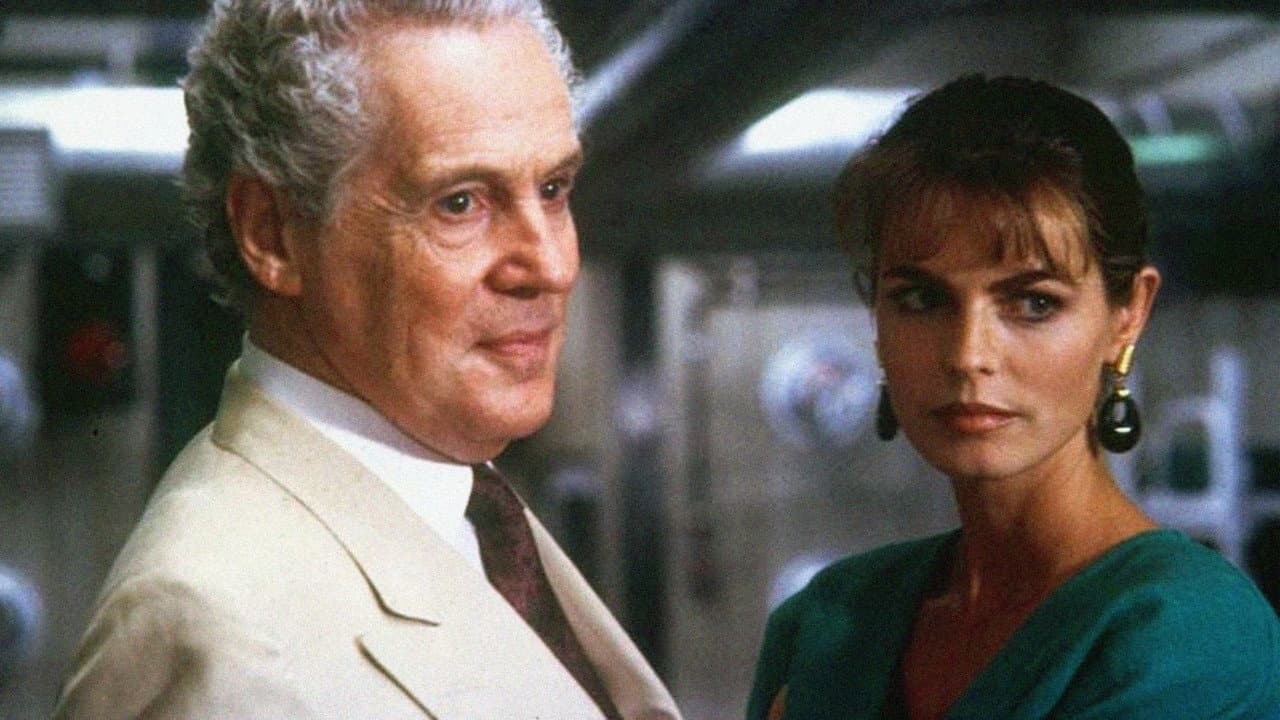
What's striking about Control is how it refuses to make the experiment itself the villain. There's no cartoonish scientist orchestrating chaos from above. Instead, the threat emerges from within—from the people themselves, their egos, their needs, their breaking points. The performances carry that weight. Lancaster doesn't phone it in; neither does Gazzara. They're playing men under pressure, and you can see the cracks forming in real time. The film's real achievement is its willingness to sit with discomfort. It doesn't cut away when things get awkward or tense. It stays there, in that shelter, watching people struggle with boredom, claustrophobia, and the slow erosion of patience. Some critics found the pacing deliberate—which is a polite way of saying slow—but that deliberation serves the story. When tempers finally fray, when alliances crack and desperation sets in, it lands because you've been living in that space alongside them. The IMDb rating of 5.6 reflects a film that's more challenging than crowd-pleasing, more interested in exploring psychology than delivering conventional thrills.
Where to Stream Control Online
Control is currently available across major OTT services, making it easier than ever to access this overlooked psychological experiment. Rather than hunting through multiple platforms, Movie OTT aggregates current streaming availability so you can see exactly where it's playing right now—whether that's a subscription service you already have or one you might want to try. The "Where to Watch" widget at the top of this page shows you all the platforms carrying Control today, along with whether it's included with your subscription or available for rental. Availability shifts regularly, so checking Movie OTT before you settle in ensures you're not chasing a title that's just rotated off a service.
Frequently asked questions
Q: Who directed Control and what was the writing process like?
Giuliano Montaldo directed the film, with a screenplay developed by Piero Angela, Jeremy Hole, Montaldo, and Brian Moore. That four-person writing team brought diverse perspectives to the material, which likely explains the film's refusal to take easy narrative shortcuts.
Q: Is Control based on a true story?
No, Control is a fictional work exploring psychological themes through an invented scenario. However, the premise draws on real-world research about group dynamics and stress, giving it an air of authenticity even though the characters and specific events are imagined.
Q: How long is Control and what's the runtime?
Control runs 107 minutes, which gives the director plenty of time to build atmosphere and tension without rushing the psychological deterioration of the group.
Q: What's the plot of Control without spoilers?
Fifteen strangers enter a nuclear shelter for a psychological experiment meant to observe how they handle isolation and stress. The experiment itself is the setup; what unfolds inside—the conflicts, alliances, and breaking points—is the real story.
Q: Where can I watch Control right now?
Control is available on major OTT services. Use the "Where to Watch" widget above to see which platform currently has it in your region, or visit Movie OTT to check real-time streaming availability across services.
Final Thoughts on Control
Control isn't a film that wants to be your favorite movie. It wants to be a film you can't quite shake—something that lingers because it taps into genuine anxieties about confined spaces, group breakdown, and the fragility of social order. The 1987 thriller doesn't offer easy answers or cathartic resolutions. What it does offer is a sober, unflinching look at what happens when ordinary people are stripped of ordinary comforts and forced to confront each other in close quarters. If you're drawn to psychological dramas over action-heavy thrillers, if you appreciate ensemble casts and slow-burn tension, Control deserves your attention. It's a film that rewards patience.