



The story of On the Beach and humanity's final countdown
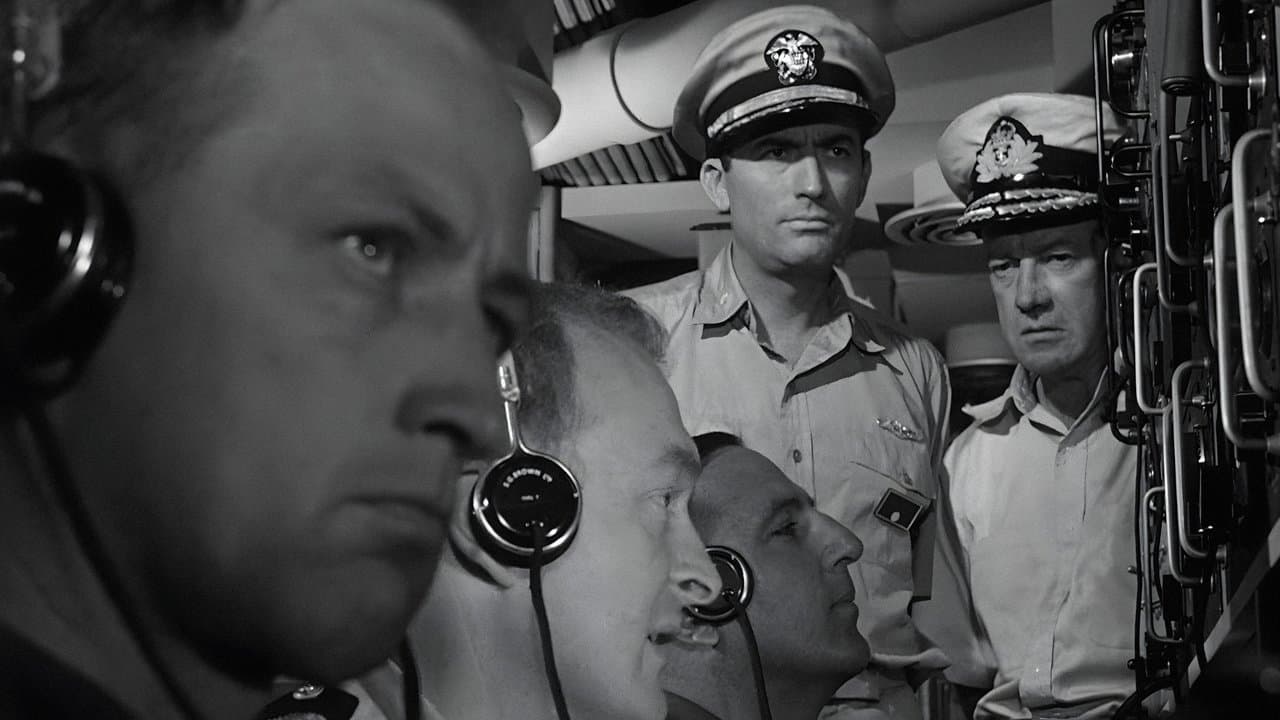
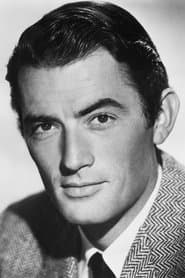
On the Beach doesn't ease you in. Set in 1964, the film opens on a world already dead—the northern hemisphere obliterated by atomic war, its population erased in a holocaust of radiation and fire. What remains is Australia, a temporary safe haven where life continues with an eerie normalcy that masks a terrible countdown. An American submarine, the USS Sawfish, arrives carrying Captain Dwight Towers (Gregory Peck), a man clinging to denial about his lost wife and children. As the crew ventures out on reconnaissance missions, the crew and the people of Australia grapple with the knowledge that radioactive clouds are drifting south, and there's nowhere left to go. The film's central emotional anchor is the tentative connection between Towers and Moira Davidson (Ava Gardner), a woman who sees in him a chance at connection before the end—a romance blooming not from hope, but from shared despair. It's a premise that shouldn't work as entertainment, and yet it does.
Behind the making of On the Beach and its Cold War context
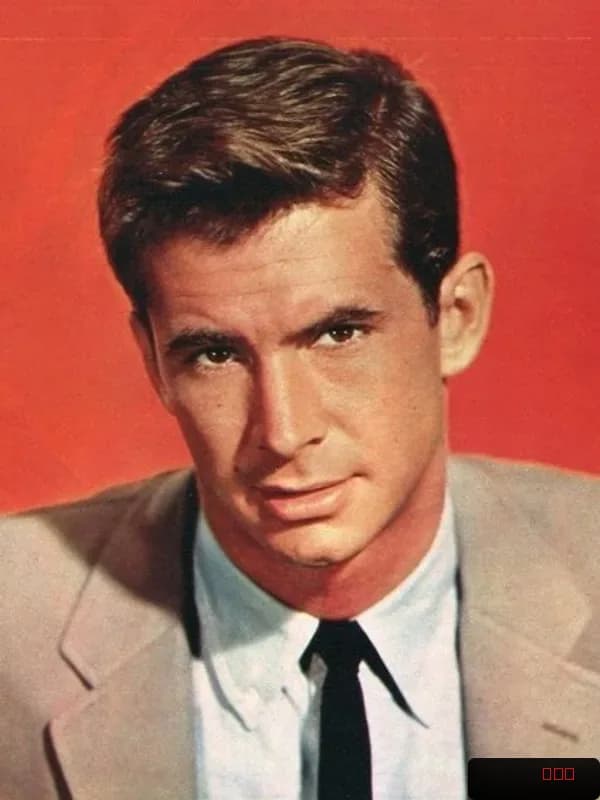
Produced and directed by Stanley Kramer, On the Beach arrived in 1959 as an adaptation of Nevil Shute's 1957 novel, itself a response to the escalating nuclear tensions of the era. Kramer and screenwriter John Paxton made a crucial creative choice: they assigned no blame for the war itself, attributing global annihilation instead to fear compounded by accident or misjudgment—a decision that made the film feel less like political propaganda and more like a meditation on human fallibility. The cast alone tells you this was a prestige production. Alongside Peck and Gardner, the film featured Fred Astaire in a rare dramatic role as a fatalistic racing driver, and a young Anthony Perkins as a submarine officer wrestling with his own despair. Ernest Gold composed the score, while Giuseppe Rotunno's cinematography captured both the sunlit Australian landscape and the creeping dread beneath it. The production ran 134 minutes—an ambitious length for 1959—and though it didn't become a box-office juggernaut, it earned respect from serious critics and film historians. The film received mixed reviews at the time, which says less about its quality than about audiences' discomfort with its refusal to offer comfort or heroic resolution.
What makes On the Beach stand out as Cold War cinema
What's striking about On the Beach is how it refuses the usual apocalypse-movie moves. There's no last-minute scientific breakthrough, no plucky hero who saves the day, no twist that rewrites the ending. Instead, Kramer commits to showing ordinary people—a submarine captain, a woman seeking connection, a racing driver, a young sailor—processing the unprocessable. Peck's performance is understated to the point of heartbreak; his Towers isn't heroic, he's numb, moving through days with the mechanical precision of a man who won't allow himself to feel. Ava Gardner brings something different—a vulnerability and hunger for meaning that makes her scenes with Peck ache. I keep coming back to the film's refusal to sentimentalize its own premise. It doesn't ask you to cry; it asks you to sit with the weight of it all. The performances develop real feeling for the characters as they confront their mortality each in their own way—some fearful, some angry, some fatalistic—and that emotional specificity is what separates this from mere doom-mongering. The film's anti-war message isn't delivered via speeches; it's embedded in the silence between characters, in the way people try to live when they know there's no future. That's harder to pull off than it sounds, and Kramer doesn't always nail it, but when he does—in a scene where Astaire's character takes one last drive, or in the quiet desperation of the submarine crew—it cuts deep.
How to watch On the Beach on major streaming platforms
On the Beach is currently available on major OTT services, and Movie OTT tracks where it's streaming right now so you don't have to hunt across five different apps. The film's 134-minute runtime means you'll want to block out a real chunk of time—this isn't something to half-watch while scrolling. Because of its apocalyptic content and themes of suicide (the film doesn't shy away from how some characters choose to meet the end), it's worth noting the film carries an era-appropriate rating, though modern viewers won't find it graphically disturbing. Check the Where to Watch widget at the top of this page for current availability in your region, as streaming rights shift seasonally.
Frequently asked questions
Q: Is On the Beach based on a true story?
No, it's a work of fiction adapted from Nevil Shute's 1957 novel. However, it was written during the height of Cold War nuclear anxiety, so while the specific events didn't happen, the fears driving the story were very real for audiences in the 1950s.
Q: Who directed On the Beach?
Stanley Kramer both produced and directed the film. Kramer was known for tackling socially conscious material, and On the Beach fits squarely within his body of serious, message-driven work.
Q: Why does On the Beach assign no blame for the nuclear war?
Screenwriter John Paxton and Kramer made a deliberate choice to avoid Cold War finger-pointing. Instead, the film attributes the war to fear, accident, and misjudgment—a more universal and philosophically unsettling approach than blaming one side or the other.
Q: How long is On the Beach?
The film runs 134 minutes (just over two hours), which was a substantial runtime for 1959 and allows Kramer to linger on character moments rather than rushing toward action.
Q: What's the deal with Fred Astaire in this movie?
Astaire plays Julian Osborn, a race-car driver, in one of his rare dramatic roles outside of musicals. His performance is understated and melancholic—a far cry from his dancing days, and it works.
Final thoughts on On the Beach
On the Beach won't leave you feeling uplifted. That's the point. It's a film that trusts viewers to sit with existential dread without needing rescue, and that's a rare thing—especially from a major studio production in 1959. The performances are subtle, the direction patient, and the worldview unsparing. If you're drawn to serious science fiction that uses the genre to explore human nature rather than showcase spectacle, or if you're interested in how Cold War anxieties shaped cinema, this is essential viewing. Movie OTT has made it easy to find where it's streaming. Give it the full 134 minutes. You'll understand why it's still discussed more than sixty years later.