





The Story of City on Fire
City on Fire follows the devastating aftermath of industrial sabotage gone catastrophically wrong. An ex-employee of a major oil refinery, consumed by resentment over his termination, deliberately triggers an explosion at the facility that spirals into something far worse than he anticipated — a chain reaction of fires that spreads unchecked across the entire city. What begins as a single act of revenge transforms into an urban nightmare, forcing residents and first responders into a desperate struggle for survival as flames engulf neighborhoods, businesses, and infrastructure. The film doesn't shy away from the human cost: families separated, emergency services overwhelmed, ordinary people making split-second decisions between fight and flight.
Behind the Making of City on Fire
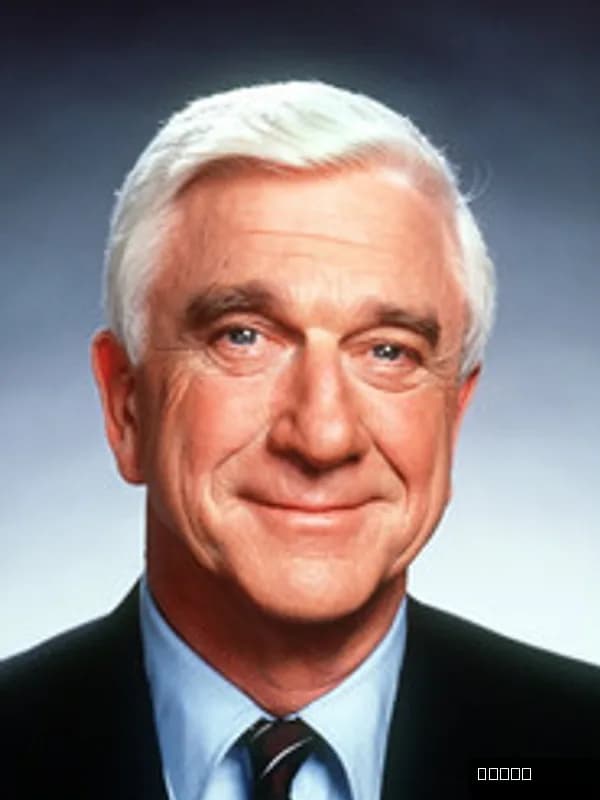
City on Fire emerged from a collaboration between Astral Films and the Canadian Film Development Corporation, positioning it as a distinctly North American production during the height of the 1970s disaster-film boom. Director Alvin Rakoff helmed the project with a screenplay crafted by Jack Hill, Dave Lewis, and Céline La Frenière — a writing team tasked with building dramatic tension across a sprawling urban catastrophe. The cast assembled for the 106-minute runtime reads like a who's who of established talent: Barry Newman anchors the ensemble, while Leslie Nielsen, Shelley Winters, James Franciscus, and the legendary Ava Gardner round out a lineup that brought serious acting credentials to what could have been a by-the-numbers genre exercise. The film's budget and box office performance were modest by today's standards, yet it found an audience hungry for large-scale disaster narratives. While it didn't rack up major awards recognition, the production itself reflects the era's fascination with spectacle-driven storytelling — the kind of film where practical effects, stunt work, and set pieces carry as much weight as dialogue.
What Makes City on Fire Stand Out
What's striking about City on Fire is how it refuses to treat the disaster as mere backdrop. The sabotage isn't some random act of nature or accident — it's personal, motivated by workplace grievance, which gives the catastrophe a moral dimension that elevates it beyond simple spectacle. The ensemble cast doesn't disappear into cardboard archetypes either; Newman, Nielsen, and the others ground their scenes with genuine urgency. There's a specificity to how the film portrays institutional failure: the refinery's safety lapses, the communication breakdowns between agencies, the way panic can spread as fast as flames. I keep coming back to the fact that nobody in this film is a superhero. The firefighters are exhausted. The officials are improvising. Civilians make mistakes. That's what separates City on Fire from the glossier disaster films of its decade — it's willing to show systems breaking down in real time, with real consequences. The performances carry an authenticity that modern viewers might find refreshing; there's no winking at the camera, no ironic distance. These people are terrified, and it shows. The IMDb rating of 5.1/10 doesn't quite capture what the film achieves in its quieter moments — the scenes between action sequences where characters process loss and fear.
Where to Stream City on Fire Online
City on Fire is currently available on major OTT services, making it easier than ever to access this 1979 disaster classic from home. Rather than hunting through multiple streaming apps, Movie OTT aggregates current availability across platforms, so you can see exactly where the film is streaming right now without the guesswork. Whether you're looking to revisit the film or discovering it for the first time, the Where to Watch widget at the top of this page will show you every platform carrying it. Streaming rights shift regularly, so checking Movie OTT's real-time availability tracker ensures you won't waste time searching the wrong services.
Frequently asked questions
Q: Who directed City on Fire and who wrote the screenplay?
Alvin Rakoff directed the film, with a screenplay by Jack Hill, Dave Lewis, and Céline La Frenière. The writing team crafted the narrative around a sabotaged oil refinery that triggers a city-wide disaster.
Q: What year was City on Fire released?
City on Fire was released in 1979, during the peak era of disaster films. The 106-minute runtime gives the story plenty of room to develop both the sabotage and its catastrophic aftermath.
Q: Is City on Fire based on a true story?
No, City on Fire is a fictional disaster narrative. While it draws on real anxieties about industrial safety and urban vulnerability, the plot and characters are original creations designed to explore what happens when sabotage spirals beyond one person's control.
Q: What's the plot of City on Fire?
A disgruntled ex-employee of an oil refinery deliberately causes an explosion at the facility, which ignites a chain reaction of fires that spreads across the entire city. The film follows the efforts of residents, emergency services, and officials as they struggle to survive and contain the disaster.
Q: Where can I watch City on Fire?
City on Fire is available on several major OTT platforms. Use the Where to Watch widget on this page to see current streaming availability in your region, or visit Movie OTT to check real-time listings across services.
Final Thoughts on City on Fire
City on Fire deserves a second look. It's not a perfect film — the pacing can lag, and some subplots feel underdeveloped — but it captures something genuine about urban vulnerability and institutional chaos that still resonates. The cast commits fully, the disaster sequences deliver genuine spectacle, and the moral ambiguity of the sabotage gives the narrative weight beyond mere pyrotechnics. If you're drawn to 1970s disaster cinema or want to see Leslie Nielsen and Ava Gardner in a film that treats its premise seriously, this is worth your time. Don't expect a polished modern blockbuster. Expect something rougher, messier, and ultimately more human.