




The Story of The Fifth Musketeer
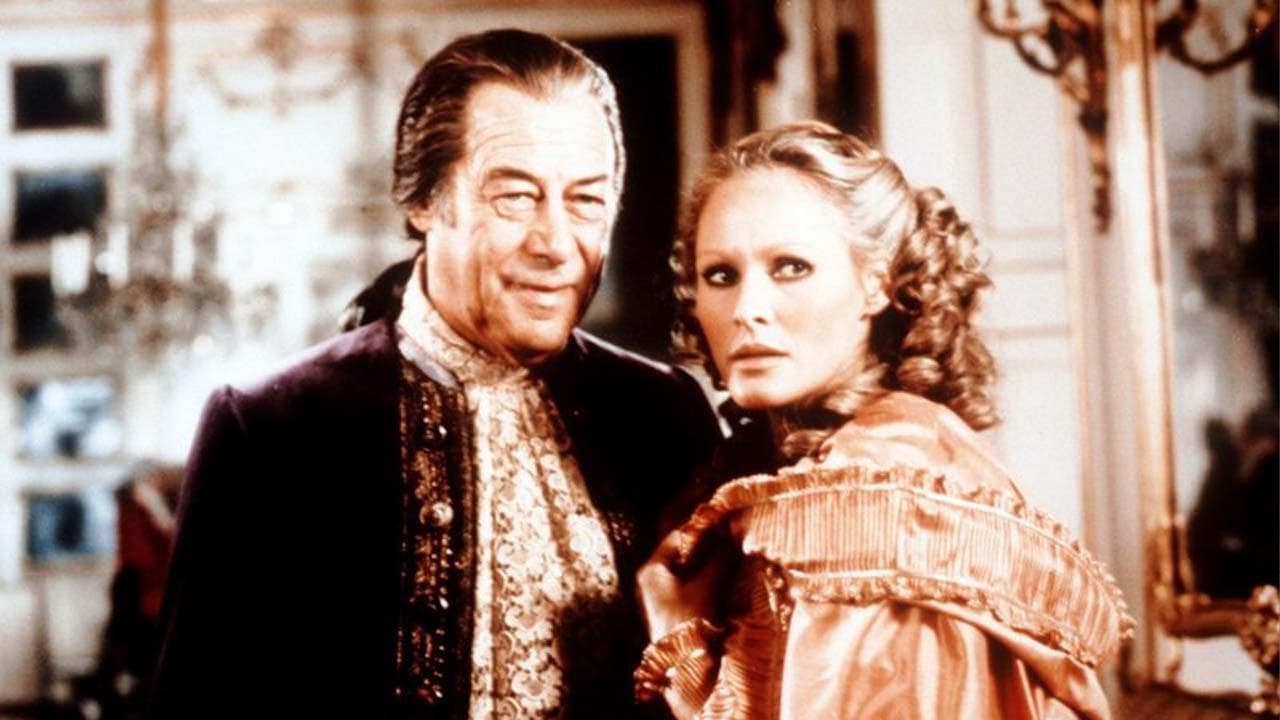
The Fifth Musketeer opens on a premise as old as royal courts themselves: King Louis XIV doesn't know he has a twin brother, Philippe, locked away from the world. When the king learns the truth—that his mirror image exists—his response is swift and brutal. He throws Philippe into the Bastille, the fortress prison that'd become synonymous with royal tyranny. But here's where it gets tangled. Louis, desperate to boost his popularity, concocts a dangerous scheme: stage an assassination attempt on himself, using Philippe dressed as the king as bait. The plan goes sideways. Philippe doesn't die as intended. Instead, he escapes, and in the chaos that follows, everyone believes the escaped prisoner is actually the real Louis XIV. Suddenly the kingdom's entire power structure—its legitimacy, its authority, everything—hangs on which twin is which. Nobody's quite sure anymore.
The film draws from the final section of Alexandre Dumas' 1847–1850 novel The Vicomte of Bragelonne: Ten Years Later, which itself riffs on the historical legend of the Man in the Iron Mask. That's a lot of literary DNA compressed into 116 minutes. What emerges is a swashbuckling romp that doesn't take itself too seriously—the tagline itself promises "Pure adventure is back...for the fun of it!" This isn't a grim, historically rigorous study of 17th-century France. It's a popcorn thriller dressed in velvet and swords.
Behind the Making of The Fifth Musketeer
The Fifth Musketeer emerged as a German-Austrian co-production from Sascha-Verleih in 1979, arriving during a particular moment when European studios were still mining the adventure-film catalog for material that could compete with Hollywood's blockbuster ambitions. The production itself had considerable scope—a 116-minute runtime was substantial for the era, and the period settings, costumes, and action sequences required real budget and technical craft. When it rolled out in Europe, it carried an alternate title, Behind the Iron Mask, which more directly telegraphed its literary source material to audiences already familiar with Dumas.
Casting a dual role—playing both the king and his imprisoned twin—is no small feat, and the film's central performance anchors the entire enterprise. The production leaned on the star power available to European cinema at the time, assembling a cast meant to carry a story that hinges entirely on the audience believing in the tension between two versions of the same man. Box office performance in theatrical release was modest, and the film never achieved the kind of international breakthrough that might've launched it into the canon of definitive Musketeer adaptations. Still, the sheer ambition of the undertaking—adapting Dumas' dense final novel, building action sequences, managing the logistics of a dual performance—speaks to the seriousness with which the production team approached their material. Movie OTT now makes it easy to track where this forgotten piece of adventure cinema ended up in the streaming era.
What Makes The Fifth Musketeer Stand Out
Honestly, what's striking about The Fifth Musketeer is how earnest it is. The IMDb rating of 4.9/10 might suggest a film that's campy or incompetent, but that's not quite what's happening here. This is a movie that genuinely commits to its premise—the twin-brother switcheroo, the palace intrigue, the sword fights—without winking at the audience. There's no irony. No meta-commentary. Just a straightforward adventure story that doesn't apologize for being, well, an adventure story from 1979. That kind of sincerity can feel refreshing now, even if critics at the time found the execution uneven or the pacing slack.
The dual-role performance carries real weight because the script demands that we believe these two men are fundamentally different despite sharing a face. One is a king shaped by power and paranoia; the other is a prisoner shaped by betrayal and desperation. The actor playing both has to find those distinctions in posture, voice, timing—the invisible choreography of character work. When Philippe escapes and chaos erupts, the film's central tension becomes almost Kafkaesque: How do you prove you're the real king when everyone's been told you're an imposter? The identity crisis at the heart of the story—who's legitimate, who's fraudulent, what does "real" even mean in a court built on performance—that's genuinely interesting thematic territory, even if the film doesn't always know what to do with it.
What's also worth noting is that the film doesn't shy away from the darker implications of its plot. Philippe's imprisonment in the Bastille isn't played for laughs. The assassination attempt is genuinely dangerous. There's a real sense of stakes, of lives hanging on the outcome of this deception. That tonal commitment—mixing swashbuckling adventure with genuine peril—is what keeps the film from feeling like pure camp, even when it wobbles.
How to Watch The Fifth Musketeer Online
The Fifth Musketeer is available across major OTT services, and Movie OTT's "Where to Watch" widget at the top of this page shows you exactly which platforms are currently streaming it in your region. Availability shifts regularly, so checking that widget before you click play is your best bet. Whether you're browsing on a lazy Sunday or planning a 1970s adventure-film marathon, you'll find it without much hunting. The film's 116-minute runtime makes it a solid evening watch—not so long that it demands a major time commitment, but substantial enough to feel like a proper film experience rather than a quick scroll.
Streaming has made it possible to revisit films like this that might otherwise have disappeared into the vault. A movie that underperformed in 1979 European theaters can now find an audience of curious viewers who want to explore the deeper cuts of adventure cinema. That's one of the real benefits of the streaming era—the long tail gets watched again.
Frequently asked questions
Q: Is The Fifth Musketeer based on a true story?
No, it's based on Alexandre Dumas' 1847–1850 novel The Vicomte of Bragelonne: Ten Years Later, which itself draws from the legend of the Man in the Iron Mask. The man-in-the-iron-mask legend has historical roots, but Dumas' version is fiction that's become more famous than any historical fact.
Q: Who directed The Fifth Musketeer?
The film was produced by Sascha-Verleih as a German-Austrian co-production in 1979. It was released in Europe under the alternate title Behind the Iron Mask to emphasize its connection to the Dumas source material.
Q: How long is The Fifth Musketeer?
The film runs 116 minutes, making it a substantial adventure film that doesn't rush through its plot. That runtime gives the story room to breathe without overstaying its welcome.
Q: What's the plot of The Fifth Musketeer in simple terms?
A king discovers he has a secret twin brother imprisoned in the Bastille. When the king stages a fake assassination using his brother as bait, the plan backfires—the twin escapes and everyone believes he's the real king. The rest of the film follows the chaos that erupts from this identity crisis.
Q: Where can I watch The Fifth Musketeer right now?
Check the "Where to Watch" widget at the top of this page for current streaming availability on major OTT platforms in your region. Availability varies by location and changes regularly.
Final Thoughts on The Fifth Musketeer
The Fifth Musketeer isn't a masterpiece, and its 4.9 IMDb rating reflects that honest assessment. But it's a genuinely interesting artifact of 1970s European adventure cinema—a film that swings for the fences, commits fully to its premise, and doesn't condescend to its audience. If you're a completist hunting down every adaptation of Dumas' works, or if you're in the mood for unironic, earnest swashbuckling without modern cynicism, it's worth the 116 minutes. That's what streaming's really for—giving films like this a second life.