




The story of The Swarm: When nature turns deadly
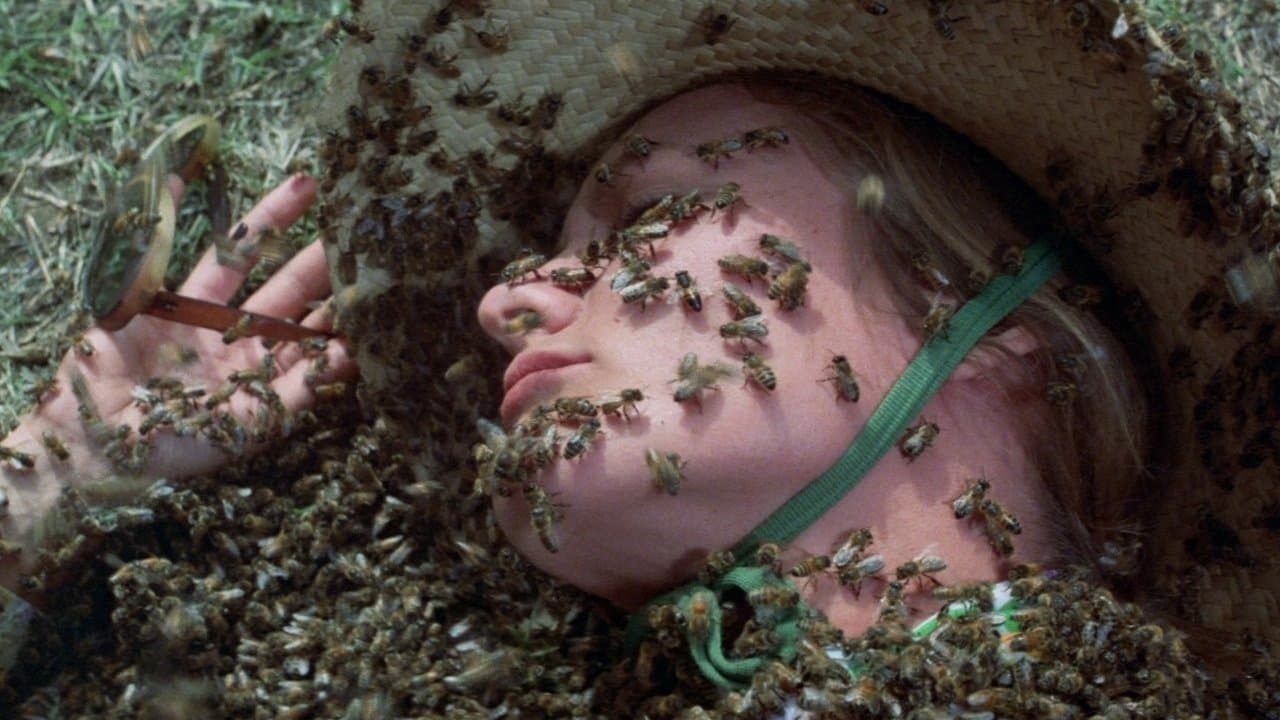
The Swarm follows Dr. Bradford Crane, a dedicated scientist, and General Thalius Slater, a military commander, as they race against time to stop an unstoppable threat: a massive swarm of genetically altered killer bees that's advancing northward from South America toward Texas. These aren't your garden-variety honeybees. They're aggressive, nearly invisible to radar, and they attack without warning or mercy. What starts as isolated incidents quickly escalates into a full-scale national emergency as the swarm leaves destruction in its wake—and the only people who understand the danger are a scientist and a soldier who can barely stand each other. The film's 116-minute runtime is packed with escalating tension, spectacular set pieces, and the kind of high-stakes scenario that made disaster movies the box office gold of the 1970s.
Behind the making of The Swarm: Irwin Allen's ambitious adaptation
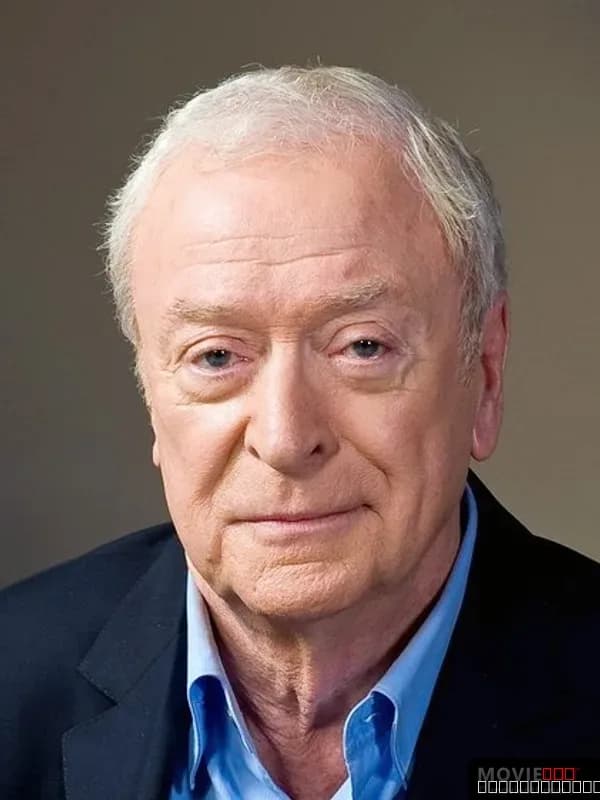
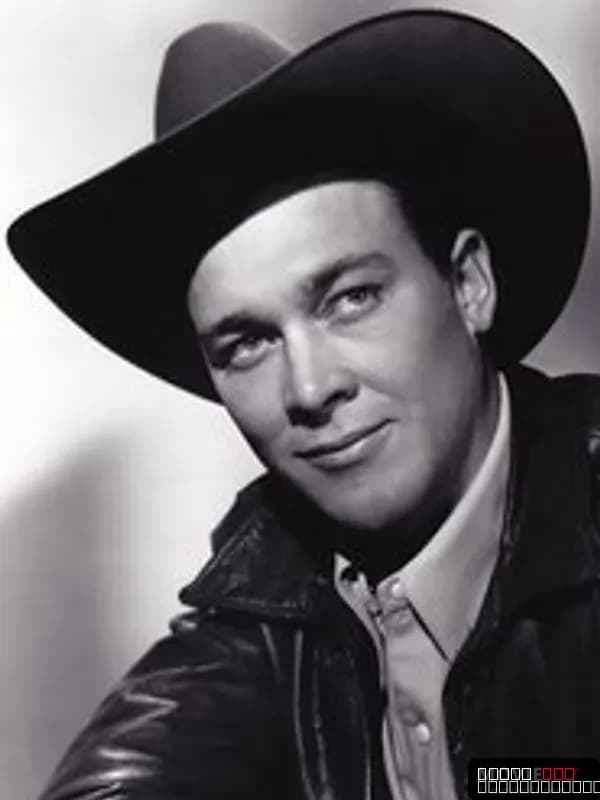
Director and producer Irwin Allen—already famous for his work on The Poseidon Adventure and The Towering Inferno—adapted Arthur Herzog's 1974 novel into a big-budget Warner Bros. Pictures production that spared no expense in bringing killer bees to the screen. The ensemble cast reads like a who's who of 1970s Hollywood: Michael Caine as the lead scientist, Katharine Ross, Richard Widmark, Richard Chamberlain, Olivia de Havilland, Ben Johnson, Lee Grant, José Ferrer, Patty Duke, Slim Pickens, Bradford Dillman, and Fred MacMurray in his final film role. That's not just star power—that's generational range, from golden-age legends to contemporary A-listers. The production design and special effects were state-of-the-art for 1978, including a genuinely impressive train crash sequence that remains one of the film's most talked-about moments. While critical reception was mixed (the film holds a 5.052 IMDb rating), audiences in 1978 responded to the spectacle and the primal fear of an invisible, unstoppable enemy. The movie arrived during a cultural moment when killer bee stories were dominating news cycles and popular imagination—much the way murder hornets would capture media attention decades later.
What makes The Swarm stand out in 1970s disaster cinema
What's striking about The Swarm, especially watching it now, is how it weaponizes a real scientific fact to create genuine dread. The African honeybees were real. The cross-breeding was real. The threat, while exaggerated for dramatic effect, wasn't entirely fictional—which gave the film a documentary-like plausibility that pure monster movies couldn't touch. Michael Caine brings gravitas to the scientist role, treating the material with the seriousness it demands, while the supporting cast lends credibility to what could've easily become camp. There's a scene early on where the swarm attacks a small Texas town, and it's chaotic, poorly lit, and genuinely unsettling—you can't quite see the bees, which makes it worse. The thing nobody mentions is that the film works best when it leans into uncertainty and confusion rather than clear monster-movie logic. When characters don't understand what they're facing, neither do we, and that's where the tension lives. Irwin Allen understood that disaster cinema thrives on spectacle, sure, but it also thrives on the breakdown of order and authority—and The Swarm delivers both. The military can't bomb the swarm. Science can't immediately stop it. Politicians argue while people die. It's a film that doesn't pretend easy solutions exist.
Where to stream The Swarm online
The Swarm is currently available on major OTT services, and if you're hunting for it, Movie OTT tracks real-time streaming availability across platforms so you won't waste time searching. The "Where to Watch" widget at the top of this page shows you exactly which services have it right now—availability changes, so it's worth checking before you settle in. Whether you're catching it on a weekend or planning a 1970s disaster movie marathon, you'll find it listed with current pricing and subscription requirements.
Frequently asked questions
Q: Who directed The Swarm?
Irwin Allen directed and produced The Swarm. Allen was already a master of the disaster genre, having helmed The Poseidon Adventure (1972) and The Towering Inferno (1974), so he brought serious technical expertise to the killer bee premise.
Q: Is The Swarm based on a true story or a book?
Yes—it's based on Arthur Herzog's 1974 novel of the same name. While the killer bee threat has real scientific roots (African honeybees were indeed being studied and cross-bred in the 1970s), the film's narrative and scale are fictional dramatizations.
Q: How long is The Swarm?
The film runs 116 minutes, which gives Allen plenty of time to build tension, develop his ensemble cast, and stage multiple set pieces—including the famous train crash sequence.
Q: What's the IMDb rating for The Swarm?
The Swarm holds a 5.052/10 rating on IMDb, reflecting mixed critical and audience reception, though it's developed a cult following among disaster movie enthusiasts who appreciate its ambition and practical effects work.
Q: Was Fred MacMurray in The Swarm?
Yes—The Swarm was Fred MacMurray's final film role, making it a notable piece of cinema history for fans of the legendary actor's career.
Final thoughts on The Swarm
The Swarm isn't a perfect film—it's messy, sometimes slow, and doesn't always know whether it's serious science fiction or pulp entertainment. But that's exactly what makes it worth watching. It's a product of its era: ambitious, expensive, and genuinely trying to scare people with a premise rooted in real anxiety. If you love 1970s disaster cinema, creature features, or just want to see Michael Caine and a legendary ensemble cast take killer bees seriously, it's worth your time. Don't expect subtlety. Expect spectacle, genuine tension, and a film that understands that sometimes the scariest enemy is the one you can't see coming.