









The story of Stealing Sinatra
When you hear the name Sinatra, you think of the Rat Pack, Vegas, and old Hollywood glamour. But there's a stranger chapter in that legacy—one that doesn't get told as often. Stealing Sinatra takes you back to 1963, when a young man named Barry Keenan convinced his friends John Irwin and Joe Amsler to help him pull off something nobody thought possible: kidnapping Frank Sinatra Jr. The premise alone sounds like a heist film waiting to happen, and that's exactly what this 96-minute TV movie delivers. It's not your typical crime story. Instead, it's a darkly comedic look at three guys who needed money, had a half-baked plan, and somehow managed to pull off one of the most talked-about crimes in mid-century American history. The film doesn't shy away from the absurdity—the tagline says it all: "What's a little kidnapping among friends?"
Behind the making of Stealing Sinatra
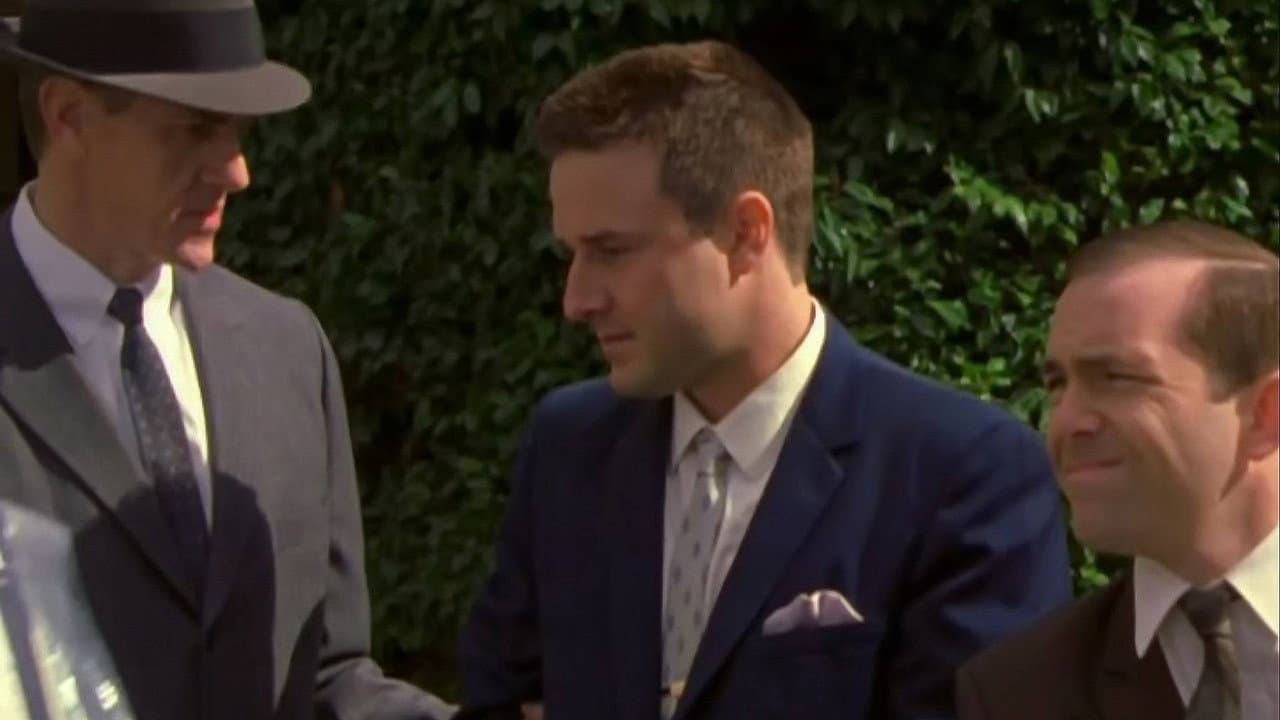
Stealing Sinatra arrived in 2003 as a made-for-television movie, directed by Ron Underwood, a seasoned TV director known for his work on crime dramas and historical pieces. The casting alone signals the filmmakers' ambitions: David Arquette takes the lead role as Barry Keenan, the mastermind of the scheme, while William H. Macy plays John Irwin—and these aren't bit players. Macy's track record speaks for itself; by 2003, he'd already built a reputation for bringing depth to morally compromised characters. Thomas Ian Nicholas rounds out the trio as the kidnapping's most famous victim, Frank Sinatra Jr., while James Russo portrays the Chairman of the Board himself. That's a lot of recognizable talent for what could've been a B-movie exploitation piece. The film was produced as a television event, which meant it reached a broad audience through network and cable distribution—not quite the theatrical run of a major studio picture, but the kind of prestige project that networks greenlit when they wanted to tell a real story with real stakes. IMDb users have given it a middling 5.5 rating, which reflects the challenge of balancing historical accuracy with dramatic entertainment. What's striking is that the film doesn't apologize for its TV-movie origins; instead, it leans into the procedural, almost documentary-like approach that made 1970s crime dramas so compelling.
What makes Stealing Sinatra stand out
Here's the thing about this film—it works because it refuses to make anyone a clean hero or villain. Barry Keenan (Arquette) isn't portrayed as a criminal mastermind; he's a broke guy with a wild idea and enough charisma to talk his friends into something stupid. John Irwin (Macy) isn't a hardened criminal either; he's someone who got caught up in circumstances and made bad choices. That moral ambiguity is what keeps you watching. The performances don't rely on scenery-chewing or melodrama—instead, there's a restraint here that makes the whole thing feel closer to documentary than fiction. When you watch Arquette convince Macy that this plan might actually work, you're not seeing a cartoonish villain; you're seeing two guys rationalizing themselves into a corner. The film also benefits from its willingness to show the Sinatra family's perspective. James Russo's Frank Sinatra—appearing in flashbacks and framing sequences—isn't just a symbol of wealth and power; he's a father worried about his son. That human dimension could've been lost in a more sensational treatment. What I keep coming back to is how the film treats the actual kidnapping itself. It doesn't glorify it. It shows it as clumsy, terrifying, and ultimately futile—which is exactly what it was. The pacing moves along without feeling rushed, and the dialogue has moments of genuine wit without becoming a parody of itself. Movie OTT tracks titles like this one—films that sit in that interesting middle ground between mainstream and cult, between TV movie and theatrical ambition—and Stealing Sinatra is a perfect example of why that middle ground matters.
Where to stream Stealing Sinatra online
Finding Stealing Sinatra is easier than it was for Keenan to find a getaway driver. The film is available on major OTT services, and you can check the "Where to Watch" widget at the top of this page to see which platforms currently have it in your region. Streaming availability shifts regularly—what's on one service today might move to another next month—so the widget is your best bet for real-time accuracy. If you're a fan of crime dramas, historical pieces, or just want to see what happens when three guys decide kidnapping a Sinatra is a good idea, it's worth hunting down. Most major streaming services that carry made-for-TV movies and cable originals will have this one in their library. Don't expect it to be front-and-center on the homepage, but it's there if you search for it.
Frequently asked questions
Q: Is Stealing Sinatra based on a true story?
Yes. The film tells the true story of the 1963 kidnapping of Frank Sinatra Jr. by Barry Keenan, John Irwin, and Joe Amsler. The three men demanded a $240,000 ransom, which was paid, and Frank Jr. was released safely. It remains one of the most unusual crimes in American history.
Q: Who directed Stealing Sinatra?
Ron Underwood directed the film. Underwood is a veteran television director who's worked on numerous crime dramas and historical TV movies. His approach brought a procedural, grounded style to the material.
Q: What's the runtime of Stealing Sinatra?
The film runs 96 minutes, making it a tight, focused narrative that doesn't overstay its welcome. It's structured more like a long-form television drama than a sprawling theatrical crime epic.
Q: Who stars in Stealing Sinatra?
David Arquette plays Barry Keenan, William H. Macy plays John Irwin, Thomas Ian Nicholas plays Frank Sinatra Jr., and James Russo portrays Frank Sinatra. The ensemble cast brings credibility to what could've been a sensational story.
Q: Where can I watch Stealing Sinatra?
The film is available on major OTT streaming services. Check the "Where to Watch" widget at the top of this page for current availability in your area, as streaming rights vary by region and change over time.
Final thoughts on Stealing Sinatra
If you're looking for a crime drama that doesn't take itself too seriously but also doesn't wink at the camera every five minutes, Stealing Sinatra deserves your attention. It's the kind of film that works best when you know the basic historical facts going in—it lets you sit back and watch skilled actors navigate a story you can't quite predict, even though it actually happened. The 2003 release date places it in an interesting moment for television filmmaking, when networks still invested in original movies with real budgets and real talent. It's not perfect, and the middling IMDb score reflects that—not every swing connects—but there's something genuinely compelling about watching three ordinary guys stumble through an extraordinary crime. Whether you're a Sinatra fanatic, a crime-history buff, or just someone who appreciates a well-cast ensemble piece, this one's worth your time.