



What The Sessions is Really About
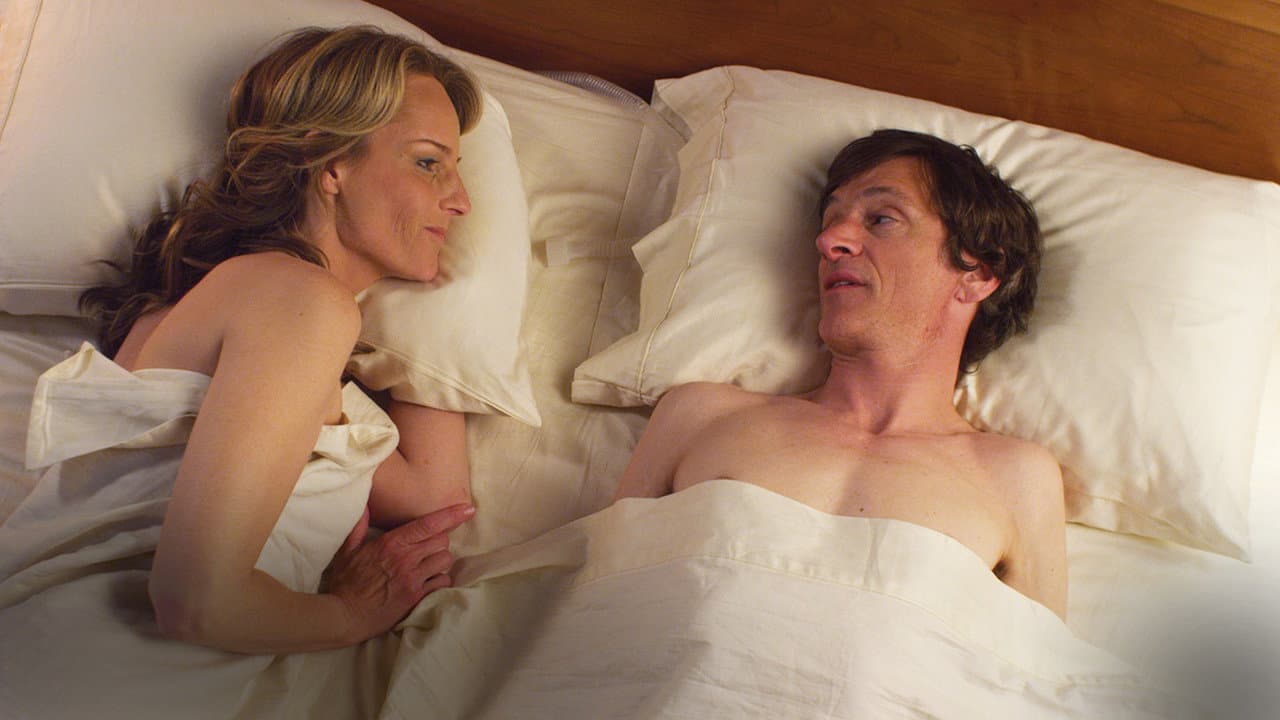
The Sessions tells the story of Mark O'Brien, a journalist and poet living inside an iron lung after a childhood bout with polio left him paralyzed from the neck down. Though confined to a machine that breathes for him, Mark refuses to let his condition define the scope of his life—he writes, he thinks, he questions everything. When a writing assignment about sexuality and disability lands on his desk, something shifts. He becomes consumed with a single, deeply personal question: what if he didn't have to die a virgin? What unfolds isn't a story about overcoming disability through sheer willpower. It's messier, funnier, and far more human than that—a portrait of one man's quiet determination to claim an experience that society has deemed impossible for him, and the unexpected emotional terrain he traverses along the way.
Behind the Making of The Sessions
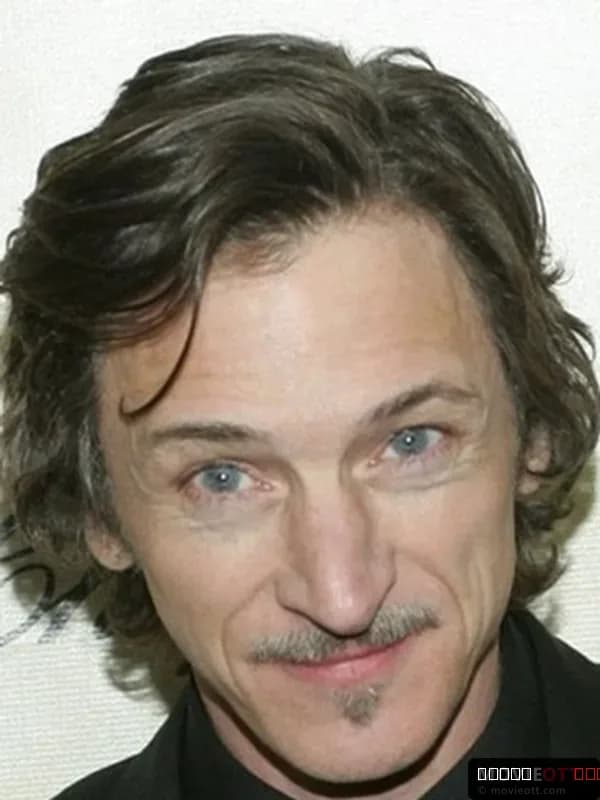
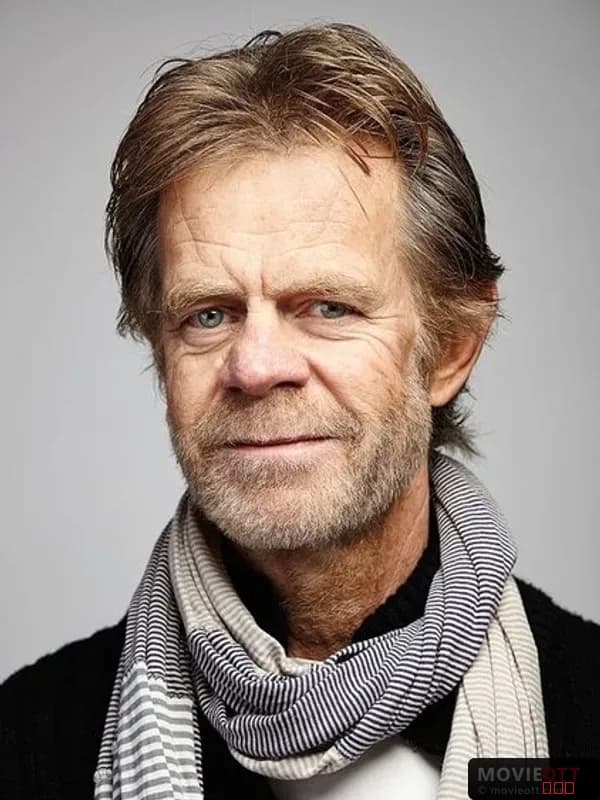
Writer-director Ben Lewin adapted The Sessions from Mark O'Brien's 1990 essay "On Seeing a Sex Surrogate," a piece that's part memoir, part meditation on desire and bodily autonomy. The film premiered at the 2012 Sundance Film Festival and went on to earn substantial critical acclaim—Variety reported that it became one of the festival's breakout hits that year. John Hawkes, known for his character work in television and film, carries the entire movie with remarkable nuance, narrating much of it in O'Brien's own voice (a choice that grounds us immediately in Mark's inner world). Helen Hunt, returning to film after years away from the big screen, plays Cheryl Cohen-Greene, the sex surrogate who becomes far more than a transactional figure in Mark's life. The film also features William H. Macy as a priest—a detail that matters, given how the Roman Catholic Church's teachings on sexuality create an undercurrent of conflict throughout.
The production itself was intimate and small. Such Much Films and Rhino Films kept the scope focused, which allowed Lewin to concentrate on the emotional precision of each scene rather than spectacle. Running just 95 minutes, the film moves with intention; there's no filler, no manufactured drama. At the box office, The Sessions found its audience through word-of-mouth and festival buzz rather than blockbuster marketing. It earned an MPAA rating of R for sexual content and language—appropriate for a film that doesn't shy away from frank discussions of desire and physical intimacy, even as it treats those conversations with dignity and humor.
Why The Sessions Resonates and What Makes It Stand Out
What's striking is how the film refuses sentimentality. You'd expect a story about a disabled man losing his virginity to be either tragic or triumphant, but The Sessions lives in a third space entirely—one where Mark is neither victim nor hero, just a person with wants and doubts and a dry sense of humor. Hawkes captures this brilliantly. There's a scene early on where Mark's caregiver recoils from his advances, and instead of milking that moment for pathos, the film lets it sit as awkward and real and painful without turning it into a referendum on Mark's worth. That's the film's greatest strength: it trusts the audience to understand that vulnerability doesn't require a soundtrack swell.
Helen Hunt's performance is equally grounded. Cheryl isn't portrayed as a saint or a savior—she's a professional doing her job, yes, but also a woman navigating her own boundaries, her own feelings, her own complicated relationship to what she does. The chemistry between Hawkes and Hunt crackles precisely because they're not playing romance. They're playing two people trying to be honest with each other in a situation that demands it. The film explores themes of sexual awakening, power dynamics, faith, and the gap between what we're told we should want and what we actually desire. It's a small film with enormous emotional reach, and the IMDb rating of 6.889 doesn't quite capture how deeply it affects viewers who connect with it.
I keep coming back to how the film treats Mark's narration. Rather than feeling like a crutch, his voice becomes the film's conscience—witty, self-aware, sometimes self-deprecating, always honest. He's not asking for pity. He's asking to be seen. That distinction changes everything.
Where to Stream The Sessions Online
The Sessions is available on major OTT streaming platforms, and Movie OTT tracks current streaming availability across multiple services so you can find where it's playing right now. Since streaming rights shift regularly, the "Where to Watch" widget at the top of this page will show you the most up-to-date list of platforms carrying the film in your region. Whether you're looking for it on a subscription service, rental option, or purchase availability, checking that widget first saves you the hunt.
Frequently Asked Questions
Q: Is The Sessions based on a true story?
Yes. The film is adapted from Mark O'Brien's 1990 essay "On Seeing a Sex Surrogate," and it closely follows the real events of his life. Both Mark O'Brien and Cheryl Cohen-Greene were real people, and the film honors their actual experiences while creating a narrative arc for cinema.
Q: Who directed The Sessions?
Ben Lewin wrote and directed The Sessions. It was his feature directorial debut, and he brought remarkable sensitivity to the material, crafting a film that's funny, tender, and completely without condescension.
Q: What's the runtime of The Sessions?
The film runs 95 minutes, a lean runtime that keeps the story focused and emotionally tight without a wasted scene.
Q: Did The Sessions win any awards?
The film earned several award nominations and wins on the festival circuit and at major ceremonies. Helen Hunt received particular recognition for her performance, earning an Academy Award nomination for Best Supporting Actress.
Q: Why is the Roman Catholic Church part of the story?
Mark O'Brien was a devout Catholic, and his faith—particularly the Church's teachings on sexuality—creates an internal conflict that runs through the film. His priest, played by William H. Macy, becomes a sounding board for Mark's wrestling with desire and doctrine.
Final Thoughts on The Sessions
The Sessions deserves to be seen by anyone interested in character-driven cinema that takes emotional risks. It's a film about the body, yes, but more fundamentally about the hunger to be known and accepted as you are. Hawkes and Hunt give two of the finest performances of their careers, and Ben Lewin's direction proves that you don't need explosions or plot twists to hold an audience captive. What you need is honesty, humor, and two actors brave enough to sit in uncomfortable moments and let them breathe. This isn't a film that'll leave you feeling inspired in a conventional way. It'll leave you thinking about what it means to claim your own life, whatever that looks like.