




The Story of Stepmom: A Mother, a Girlfriend, and the Family They Didn't Plan
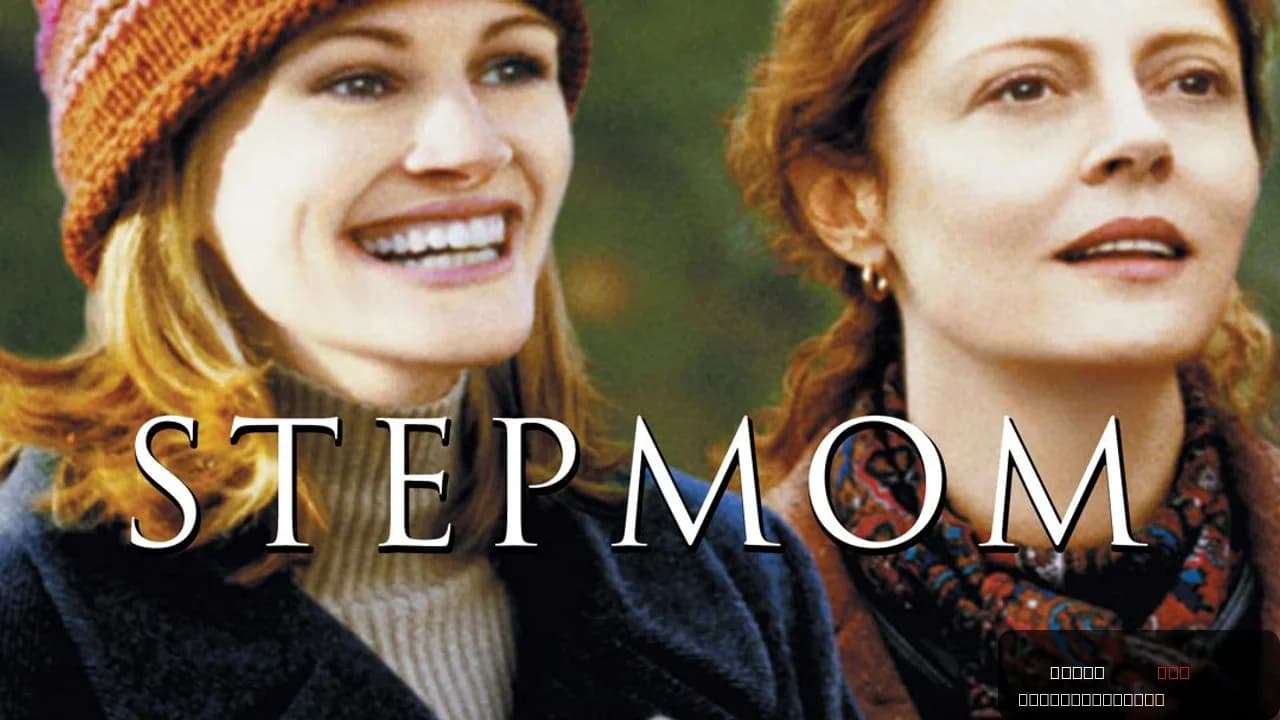
Stepmom tells the story of two women caught in an impossible situation—one that doesn't have a neat solution, which is precisely what makes it work. Jackie is a divorced mother of two young children, Luke and Anna, trying to rebuild her life after her marriage falls apart. Isabel, Julia Roberts's character, is a successful, career-driven woman who falls in love with Jackie's ex-husband Luke (Ed Harris) and suddenly finds herself thrust into the role of stepmother to his kids. It's an awkward dynamic from frame one: Isabel doesn't particularly want to be a parent, Jackie resents this interloper in her family's life, and the children are caught in the middle. The film doesn't shy away from the messiness of blended families. Instead, it leans into the discomfort, the resentment, the small humiliations—and eventually, something unexpected blooms between these two women who have every reason to stay enemies.
Behind the Making of Stepmom: Production, Cast Chemistry, and Awards Recognition
Chris Columbus, the director behind Home Alone and Mrs. Doubtfire, brought his trademark blend of comedy and heart to Stepmom, assembling a screenplay written by five credited writers—Gigi Levangie, Jessie Nelson, Steven Rogers, Karen Leigh Hopkins, and Ron Bass—which speaks to how carefully the material was shaped. The film was produced by Wendy Finerman, Mark Radcliffe, and Michael Barnathan, with a runtime of 125 minutes that allows the story to breathe and the character relationships to deepen. Julia Roberts was already a megastar by 1998, fresh off massive successes, while Susan Sarandon brought decades of critical credibility and nuance to her role. Ed Harris, playing the somewhat passive Luke caught between two women, grounds the ensemble with his understated presence. The supporting cast—including young Jena Malone and Liam Aiken as the children, along with Lynn Whitfield and Darrell Larson—rounds out a production that felt intentional and well-cast. The film earned recognition in awards circles, though it didn't become a major awards season player. What's striking is how Movie OTT tracks these kinds of mid-budget dramas, which often get overshadowed by bigger releases but develop devoted audiences over time.
What Makes Stepmom Stand Out: The Performances and the Emotional Payoff
The real engine of Stepmom is the slow-burn chemistry between Roberts and Sarandon. They don't like each other at first—Isabel is too polished, too dismissive of motherhood; Jackie is too protective, too quick to judge. But Columbus and his writers understand something crucial: antagonism can transform into understanding when you're forced to spend time with someone, especially when real stakes are involved. There's a scene early on where Isabel tries to connect with the kids and fails spectacularly, and instead of playing it for easy laughs, the film lets the awkwardness linger. That's the tone throughout—comedy and drama aren't separated into neat boxes. They bleed into each other. Roberts, often criticized for playing variations on herself, actually shows range here; Isabel's brittleness cracks as the film progresses, revealing someone who's terrified of failing at something she never wanted in the first place. Sarandon, meanwhile, brings gravitas and vulnerability without ever becoming a saint. She's flawed, angry, and human in ways that feel earned rather than written. The supporting performances matter too—Malone and Aiken never feel like child actors hitting marks. They feel like actual kids caught between two adults trying to figure things out. I keep coming back to how the film doesn't resolve everything neatly. Some wounds don't fully heal. Some resentments linger. That's what separates Stepmom from a Hallmark movie.
Where to Stream Stepmom Online: Current Availability
If you're ready to revisit Stepmom or experience it for the first time, the film is currently streaming on Prime Video. The "Where to Watch" widget at the top of this page will show you all available platforms in real time—streaming availability changes frequently, and Movie OTT keeps those listings updated across Netflix, Prime, Hotstar, and other services so you don't waste time searching. Prime Video offers a straightforward way to access the full 125-minute runtime without interruption, which is important for a film that builds its emotional impact gradually. Check your subscription status to confirm access, or you may have the option to rent or purchase if you don't have an active Prime membership.
Frequently Asked Questions
Q: Who directed Stepmom?
Chris Columbus directed Stepmom in 1998. He's known for his work on Home Alone, Mrs. Doubtfire, and the first two Harry Potter films—directors who specialize in balancing humor with genuine emotion.
Q: Is Stepmom based on a true story?
No, Stepmom is a fictional narrative written by five screenwriters. While the scenario reflects real-life blended family dynamics that many people experience, it's not adapted from a specific true story or memoir.
Q: What's the runtime of Stepmom?
The film runs 125 minutes, which gives the story and character development plenty of room to unfold without feeling rushed.
Q: How is Stepmom rated on IMDb?
Stepmom holds a 6.8/10 rating on IMDb, which reflects its mixed but generally positive reception—audiences appreciated the performances and emotional honesty even if critics were occasionally divided on the execution.
Q: When was Stepmom released?
Stepmom premiered in 1998 as an American production, making it over two decades old but still relevant to anyone navigating family complexity or interested in late-90s drama cinema.
Final Thoughts on Stepmom: Why It Still Matters
Stepmom isn't a perfect film—it occasionally leans toward sentimentality, and some plot threads feel more resolved than others. But it's a sincere film, which is rarer than you'd think. It respects its audience enough to acknowledge that family is messy, that love doesn't always look like we expect, and that sometimes the person you least want to forgive becomes the person you need most. Twenty-five years later, that still holds weight.