






The story of Still Here: A journalist's reckoning
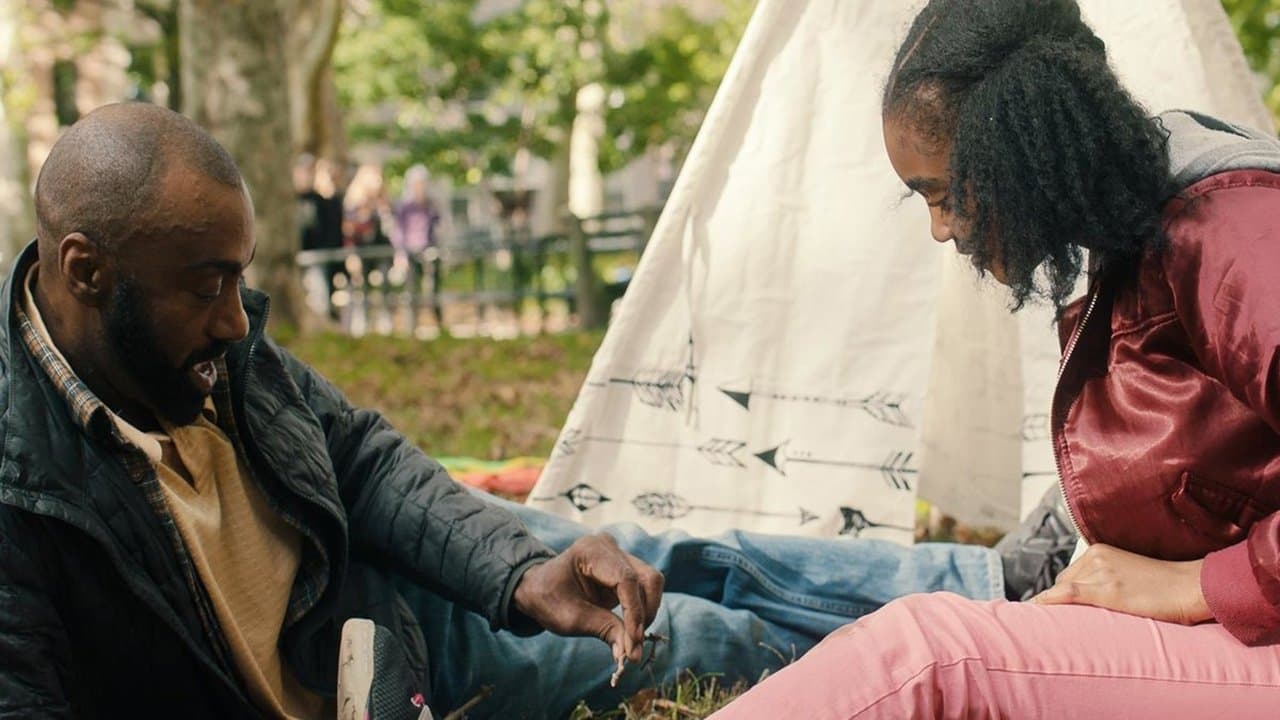
Still Here follows Christian Baker, an ambitious but overworked journalist at The Chronicle in New York, who gets handed what he assumes will be a throwaway assignment—a social story about Monique Watson, a 12-year-old African-American girl who's gone missing from Brooklyn. Instead of doing real legwork, Christian cuts corners. He rushes through his research, latches onto the first lead that crosses his desk, and publishes without thinking through the consequences. The weight of that carelessness hits him hard. What seemed like a quick story becomes a moral crisis when he realizes his sloppy journalism may have actually harmed the search for Monique. Guilt-ridden and desperate to make things right, Christian finally buckles down and does the work he should've done from the start—and finds himself in a race against the clock to help Monique's family find her before it's too late.
It's a premise that feels urgently relevant. Missing child cases dominate news cycles, and the role of media in shaping public perception—or muddying it—remains contentious. Director Vlad Feier grounds the story in real events, which gives the narrative weight beyond its 99-minute runtime. The film doesn't shy away from uncomfortable questions: Who bears responsibility when journalism fails? What does redemption actually look like? Can one person's belated effort undo the damage their negligence caused?
Behind the making of Still Here: Cast, production, and critical reception
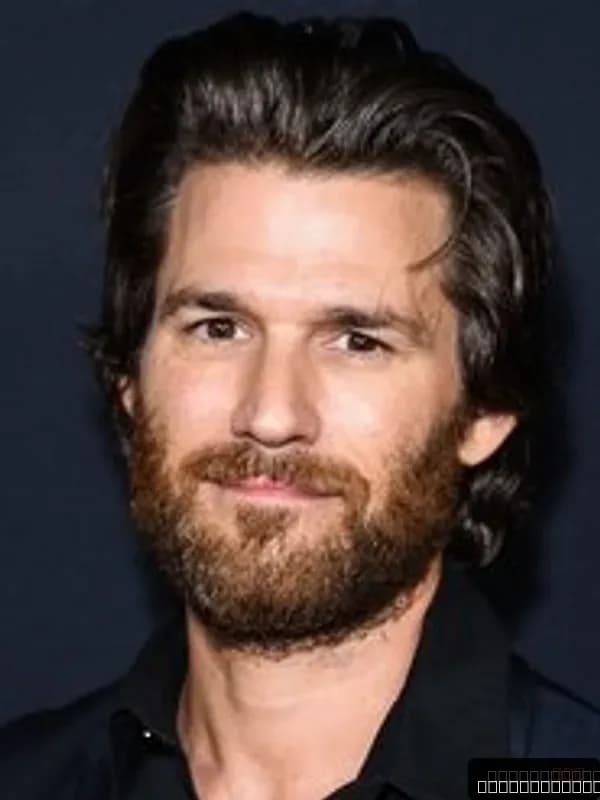
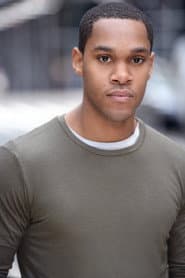
Still Here was co-written and directed by Vlad Feier, who brought together a cast that includes Johnny Whitworth in the lead role as Christian Baker, alongside Maurice McRae, Afton Williamson, Jeremy Holm, Zazie Beetz, and Larry Pine. The ensemble cast carries real weight—these aren't household names, but they're seasoned character actors who know how to ground a story in authenticity. Zazie Beetz, in particular, brings a quiet intensity to her role, though the film's narrative focus remains squarely on Christian's arc and moral transformation.
Produced by Atelier 44, the film arrived in 2020 with modest ambitions and even more modest commercial returns. Its box office take was negligible—just $5,268—which speaks to the limited theatrical release it received. That's not uncommon for independent dramas tackling serious social themes; distribution remains brutal for films that don't fit neatly into mainstream genre categories. The film did secure one award nomination, a recognition that suggests the industry recognized something worth honoring in Feier's approach, even if wider audiences didn't flock to theaters.
The critical consensus, reflected in its 25% Rotten Tomatoes score and 5.5/10 IMDb rating from over 1,000 voters, tells a different story. Reviews were mixed to negative, with critics pointing to pacing issues, heavy-handed messaging, and a script that sometimes prioritizes moral lessons over nuanced character development. That said—and this matters—the film's availability on major streaming platforms has given it a second life that traditional box office numbers never could have predicted. Movie OTT tracks where Still Here streams, making it easy to find if you're curious about indie dramas that swing for something meaningful, even when they don't always connect.
What makes Still Here stand out: Themes of accountability and redemption
What's striking about Still Here isn't that it's a perfectly executed thriller—it isn't. Rather, it's the film's refusal to let Christian off easy. This isn't a story where the hero realizes his mistake and everything magically resolves. The damage is real. The consequences ripple outward. Even as Christian throws himself into the search with genuine urgency, you're left wondering whether good intentions can actually repair harm that's already been done.
The performances anchor this moral ambiguity. Whitworth carries the weight of Christian's guilt without ever becoming sanctimonious about it. There's a scene early on where he's trying to explain himself to Monique's mother—he doesn't grovel, doesn't make excuses, but you can see the recognition in his face that he's failed her in a moment when she needed help most. That's the kind of quiet, uncomfortable acting that doesn't always get celebrated, but it's what makes the film work when it does work.
The film also sits at an interesting intersection of genre expectations. It's framed as a crime drama—missing child, investigation, race against time—but it's really interested in the interior world of a man reckoning with his own complicity in a broken system. That's not what audiences necessarily show up for, which might explain the tepid critical and commercial response. Yet there's something genuinely unsettling about how the film handles the collision between Christian's personal redemption and Monique's material safety. They're not the same thing, and the film doesn't pretend they are. The thing nobody mentions is that this kind of moral clarity in storytelling is actually pretty rare—most films let their protagonists off the hook far too easily.
How to watch Still Here online
Still Here is currently available on major OTT services, making it accessible whether you're a subscriber to streaming's biggest players or exploring smaller platforms. Rather than listing every possible service here, the "Where to Watch" widget at the top of this page pulls real-time availability data, so you'll always know exactly where to find it and whether it's included with your current subscriptions. That's one of the advantages of using a streaming aggregator like Movie OTT—you don't waste time hunting across five different apps only to discover the film isn't actually available on any of them. The 99-minute runtime means it won't demand a huge time commitment, which makes it a solid option for a weeknight watch if you're in the mood for something that doesn't go down easy.
Frequently asked questions
Q: Is Still Here based on a true story?
Yes, the film is based on real events, though it takes creative liberties with names, characters, and specific plot details. Director Vlad Feier drew inspiration from actual missing child cases and the role media plays in investigations.
Q: Who directed Still Here?
Vlad Feier co-wrote and directed the film. It's his feature work in exploring themes of accountability and redemption.
Q: What's the runtime of Still Here?
The film runs 99 minutes, making it a lean narrative that moves briskly through its central conflict without excessive padding.
Q: Where can I watch Still Here?
Still Here is available on major streaming platforms. Check the "Where to Watch" widget on this page for current availability in your region and on your subscriptions.
Q: Why did Still Here receive mixed reviews?
Critics felt the film's messaging sometimes overpowered its storytelling, and pacing issues affected the dramatic tension. That said, some viewers find the film's moral clarity and commitment to its themes compelling, even if the execution isn't flawless.
Final thoughts on Still Here
Still Here isn't a perfect film, and the critical consensus reflects legitimate storytelling shortcomings. But it's a film that doesn't look away from difficult questions about responsibility, and it doesn't let its protagonist—or its audience—off the hook easily. If you're drawn to independent dramas that prioritize moral complexity over entertainment spectacle, it's worth your time. Don't expect a thriller that'll keep you on the edge of your seat, but do expect a story that'll sit with you after the credits roll.