


The story of Subash Chandra Bose and its dual narrative
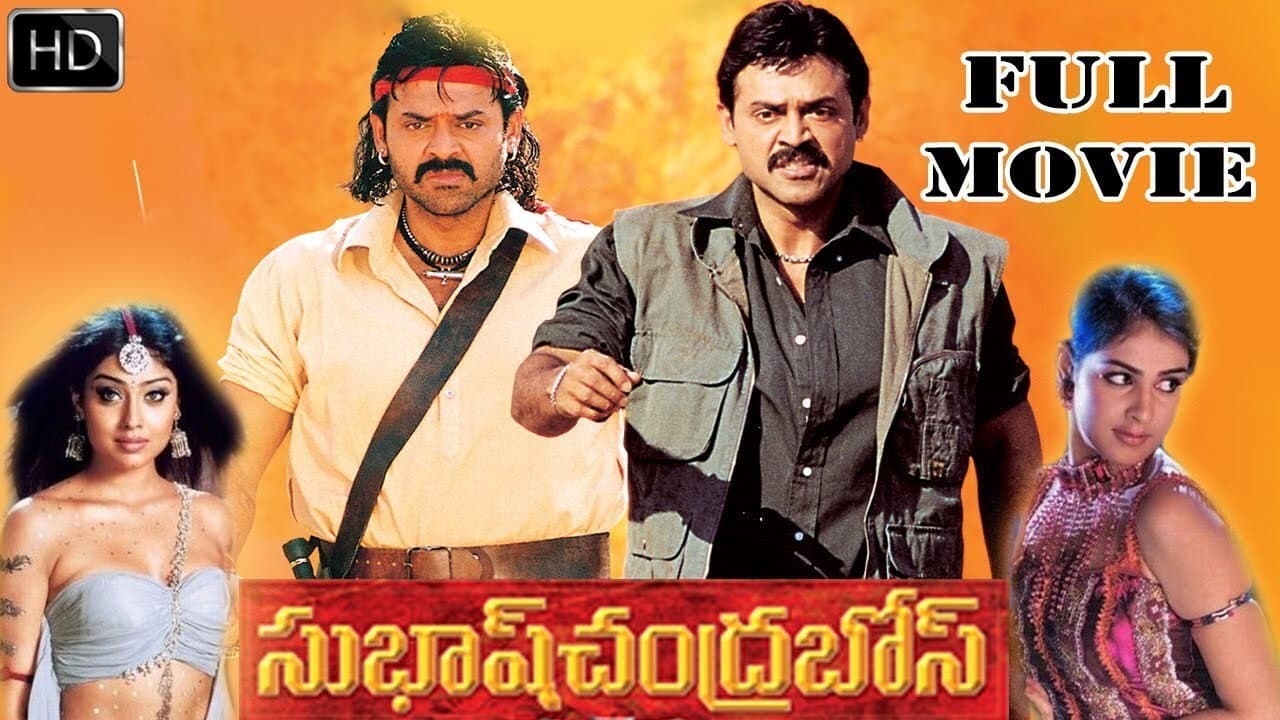
Subash Chandra Bose is a patriotic action drama that splits itself across two time periods—and that's the film's most interesting structural choice, even if the execution doesn't always land. In the present day, Ashok (Venkatesh) works as a journalist at a television channel alongside his girlfriend Anita (Genelia). While covering a politician's meeting, Ashok experiences a sudden, vivid flashback that transports him to 1946, where he encounters a man named Chandram (also Venkatesh)—a local freedom fighter who worships the historical Subash Chandra Bose and stands against British colonial rule. The narrative oscillates between these two eras, using the modern storyline as a frame through which we glimpse the revolutionary past. It's an ambitious structural gambit—one that director K. Raghavendra Rao clearly believed would create thematic resonance between then and now, between the fight for independence and the fight for truth in contemporary media.
Behind the making of Subash Chandra Bose and its theatrical reception
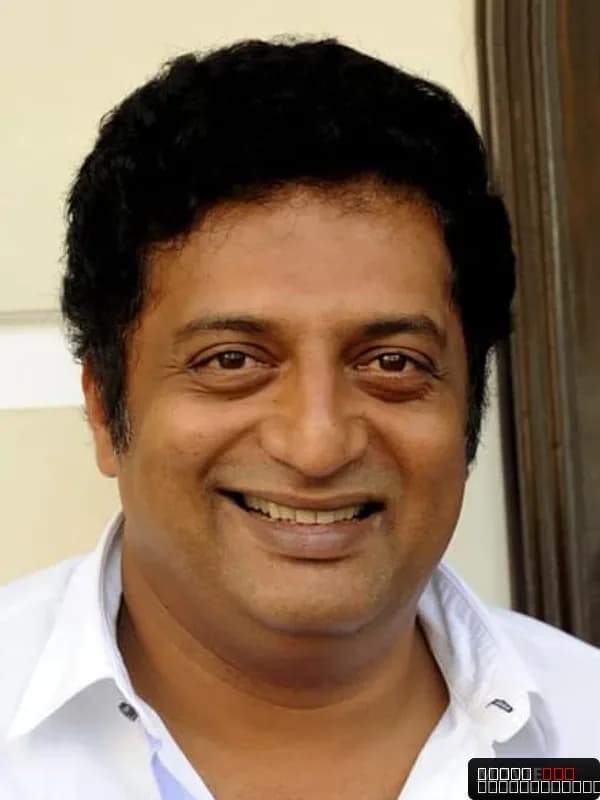
When K. Raghavendra Rao, one of Telugu cinema's most prolific directors, stepped behind the camera for Subash Chandra Bose in 2005, he was already deep into his directorial legacy—this was his 101st film. That's not a typo. Raghavendra Rao had been churning out pictures for decades, and Subash Chandra Bose arrived during a period when his commercial touch wasn't quite what it once was. The film was produced by Swapna Dutt under the banner Vyjayanthi Movies, a company known for backing substantial Telugu productions. The ensemble cast brought real marquee power: Venkatesh in a double role, Genelia D'Souza as his romantic interest, Shriya Saran in the supporting cast, and Prakash Raj as the politician whose appearance triggers the whole flashback mechanism. Composer Mani Sharma handled the music score. Despite this pedigree—or perhaps because the film's ambitions outpaced its execution—Subash Chandra Bose became a box-office disaster. It didn't find an audience in theaters, and the film's commercial failure meant it never received the kind of theatrical run or critical reassessment that sometimes follows a cult classic's initial flop. Movie OTT tracks how films like this one eventually find second lives on streaming platforms, where they're discovered by audiences who weren't around during their theatrical window.
What makes Subash Chandra Bose stand out as a period-action hybrid
What's striking about Subash Chandra Bose—at least on paper—is its refusal to be a straightforward biopic. Rather than simply dramatizing the historical freedom fighter's life, the film creates a modern-day character who's spiritually inspired by that legacy. Venkatesh carries both timelines, and there's something conceptually interesting about watching the same actor embody a contemporary journalist and a 1946 revolutionary. The action sequences, particularly when Chandram welcomes the state governor (Tom Alter) by blowing up a water tank in his palace, have a certain audacious energy—they don't feel constrained by realism. Mani Sharma's score attempts to bridge the temporal gap, using music to suggest that the spirit of resistance transcends era. That said, the IMDb rating of 4.2/10 tells you that audiences and critics didn't connect with the film's vision. The plot mechanics feel clunky; the flashback trigger (seeing Prakash Raj) is never quite earned dramatically. There's a gap between what Raghavendra Rao seemed to want to say about patriotism, journalism, and historical memory—and what actually lands on screen. I keep coming back to the central conceit: why does seeing a politician trigger visions of 1946? The film never satisfies that question, which means the entire narrative framework feels unmotivated.
Where to stream Subash Chandra Bose online
Subash Chandra Bose is currently available on major OTT services, making it accessible to Telugu cinema enthusiasts and curious streamers who want to explore the deeper cuts of mid-2000s Indian film. The "Where to Watch" widget at the top of this page will show you exactly which platforms are carrying it right now—availability shifts, so it's worth checking there first before searching elsewhere. Movie OTT aggregates streaming data across multiple services, so you won't waste time hunting. Given the film's theatrical failure and the decades that have passed since 2005, streaming has become the primary way most people will encounter Subash Chandra Bose. It's a two-hour-and-35-minute commitment (155 minutes exactly), so you'll want to set aside a proper block of time.
Frequently asked questions
Q: Who directed Subash Chandra Bose?
K. Raghavendra Rao, the legendary Telugu director, helmed this 2005 film as his 101st directorial effort. Raghavendra Rao was known for his prolific output and his mastery of commercial Telugu cinema, though this particular project didn't achieve the success of his earlier work.
Q: Is Subash Chandra Bose based on a true story?
The film is inspired by the real historical freedom fighter Subash Chandra Bose, but it's not a straightforward biographical account. Instead, it creates a fictional character, Chandram, who idolizes the historical figure and fights against British colonial rule in 1946. The modern-day framing story with journalist Ashok is entirely fictional.
Q: What's the runtime of Subash Chandra Bose?
The film runs for 155 minutes (2 hours and 35 minutes), making it a substantial watch. Plan accordingly if you're settling in for a streaming session.
Q: Who stars in Subash Chandra Bose?
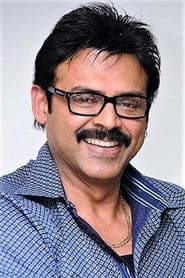
Venkatesh carries the film in a double role, playing both the modern-day journalist Ashok and the freedom fighter Chandram. Genelia D'Souza appears as Ashok's girlfriend Anita, while Prakash Raj, Shriya Saran, Gulshan Grover, and Tom Alter round out the ensemble cast.
Q: Why did Subash Chandra Bose fail at the box office?
Despite its ambitious structure, strong cast, and the involvement of veteran director K. Raghavendra Rao, the film struggled to connect with audiences. The narrative mechanics feel underdeveloped, and the emotional through-line between the two timelines never quite justifies itself. What seemed like a bold creative choice on paper didn't translate into compelling cinema.
Final thoughts on Subash Chandra Bose
Subash Chandra Bose remains a fascinating artifact of mid-2000s Telugu cinema—a film that swung for the fences and missed. It's not "so bad it's good," and it's not hidden gem territory either. What it is: a reminder that ambition and resources don't always equal execution. For film historians or anyone tracking K. Raghavendra Rao's later career, it's worth a watch. For casual viewers, there are better ways to spend 155 minutes. But that's precisely why streaming platforms matter—they give films like this a second chance at an audience, even if that audience is small.