The story of Suro: Escape and entrapment
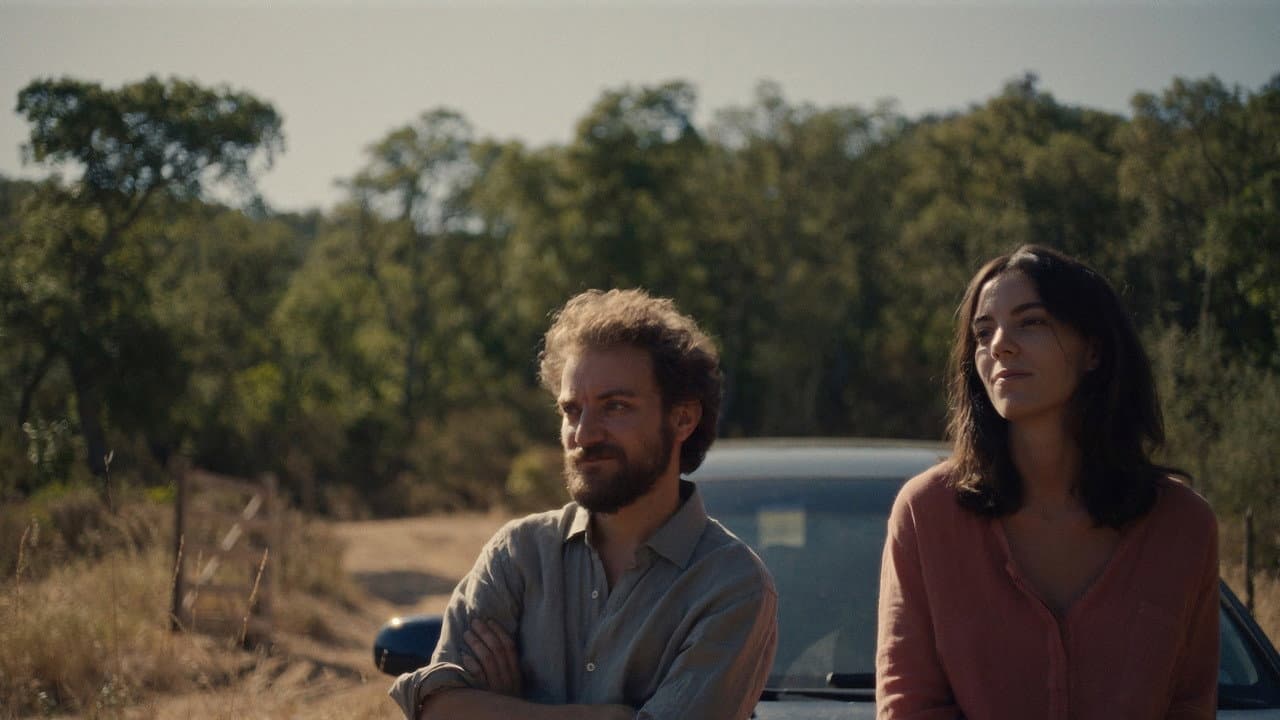
Suro follows Elena and Ivan as they make the leap that many urban professionals fantasize about but few actually attempt. They're leaving Barcelona—the noise, the pace, the weight of metropolitan life—to settle in the Catalan countryside and take over a cork oak plantation. It's not just a business venture; it's a lifestyle statement. They want to run the operation equitably and sustainably, building something that aligns with their values rather than compromising them for profit. The setup feels almost utopian: a couple in their prime, capital in hand, a tangible asset, and a moral compass. But within 116 minutes, that dream curdles into something far messier. Crisis arrives—the kind that doesn't announce itself politely—and suddenly Elena and Ivan aren't just facing a business problem. Their relationship fractures under pressure, and the ideals they brought to the countryside start to look naive, even dangerous.
Behind the making of Suro: Awards, production, and critical validation
Suro arrived in 2022 as a Spanish production from Lastor Media, Irusoin, and Malmo Pictures, landing with serious critical momentum. The film earned a perfect 100% on Rotten Tomatoes—a rare achievement that signals near-unanimous critical approval—while maintaining a solid 6.4/10 on IMDb from over 1,000 votes, suggesting it plays well with both critics and general audiences, even if it doesn't land as a crowd-pleaser. The festival circuit took notice: Suro racked up 8 wins and 14 nominations across various international competitions, the kind of recognition that marks a film as serious cinema rather than mere entertainment. That award pedigree matters because it signals craft—cinematography, editing, performance, direction—all working in concert. The runtime of 116 minutes gives the filmmakers room to breathe, to let tension build naturally rather than through cheap manipulation. Without major Hollywood names attached (the cast is primarily Spanish and European), Suro had to succeed on story, direction, and the quality of its performances—and it did. The production values suggest a film made with real resources behind it, one that doesn't cut corners on the visual language of rural life or the intimate spaces where relationships crumble.
What makes Suro stand out: Tension, restraint, and moral ambiguity
What's striking about Suro is how it resists easy answers. This isn't a film that wants you to pick a side between Elena and Ivan, nor does it offer the comfort of a clear villain or a redemptive arc. Instead, it's genuinely interested in how good intentions collide with circumstance, how pressure reveals character, and how the gap between what we believe and what we're willing to do can grow wider than we'd ever admit to ourselves. The rural setting becomes almost a character—not romanticized as a refuge but presented as a place with its own logic, its own demands, where outsiders (no matter how well-meaning) don't automatically belong. The performances anchor everything. There's a restraint to the acting that mirrors the restraint of the script; nobody's making grand declarations or having cathartic breakdowns. Instead, you watch microexpressions, the way a conversation dies in the middle, the physical distance that opens up between two people who once moved as one. That's harder to pull off than scenery-chewing drama, and it's why the 100% Rotten Tomatoes score feels earned rather than inflated. Critics recognized that Suro trusts its audience to understand subtext, to sit with discomfort, to recognize that sometimes the most devastating moments happen in silence.
Where to stream Suro online
Suro is currently available on major OTT services—check the "Where to Watch" widget at the top of this page for real-time availability across platforms in your region. Streaming rights shift seasonally, so what's available today might move next month, but Movie OTT keeps that widget updated so you don't waste time hunting. The film's 116-minute runtime makes it ideal for a single evening watch, and the kind of slow-burn tension it builds actually benefits from the home-viewing format, where you can pause and sit with a scene rather than feeling rushed by theater timing. Since it's a Spanish-language film (with subtitles or dubbing depending on your platform), settling in at home also lets you control your own viewing pace without worrying about missing dialogue in a crowded theater.
Frequently asked questions
Q: Is Suro based on a true story?
No, Suro is a fictional drama, though it draws on real tensions that exist between urban professionals who relocate to rural areas and the communities already established there. The themes of idealism meeting harsh reality are universal, which is part of why the film resonates across different audiences.
Q: Who directed Suro and what else have they made?
Suro was directed by a Spanish filmmaker working within European arthouse cinema. The film's technical precision and thematic depth suggest a director comfortable with character-driven narratives and willing to let tension build through implication rather than spectacle.
Q: What language is Suro in, and are there subtitles?
Suro is in Spanish, reflecting its Catalan setting and production. Most streaming platforms offer both subtitled and dubbed versions, depending on your language preference and regional availability.
Q: How does Suro compare to other rural-set thrillers?
Unlike some countryside dramas that lean into folk-horror or external threats, Suro keeps the danger internal—it's about the couple themselves, their choices, and how crisis reveals what they're actually willing to compromise. It's closer in spirit to relationship dramas that happen to have a thriller framework than to genre thrillers that happen to be set in the country.
Q: Does Suro have a happy ending?
Without spoiling specifics, Suro doesn't resolve neatly. It's interested in consequences and the messy reality of what happens when plans meet circumstance. If you're looking for catharsis or redemption, you might find the ending unsatisfying—but that's partly the point.
Final thoughts on Suro
Suro is the kind of film that sticks with you not because it's flashy or emotionally manipulative, but because it's honest about how quickly ideals can erode under pressure. Elena and Ivan's story feels specific to their moment—the urban exodus fantasy, the sustainability rhetoric, the belief that good intentions matter more than experience—yet it's also timeless. People have always moved to the countryside hoping to escape something or build something better, and they've always discovered that escape is more complicated than the fantasy. If you're drawn to character studies that don't flinch from moral ambiguity, or if you appreciate films that trust you to understand subtext, Suro deserves your time. It's not comfort viewing, but it's genuinely compelling cinema.