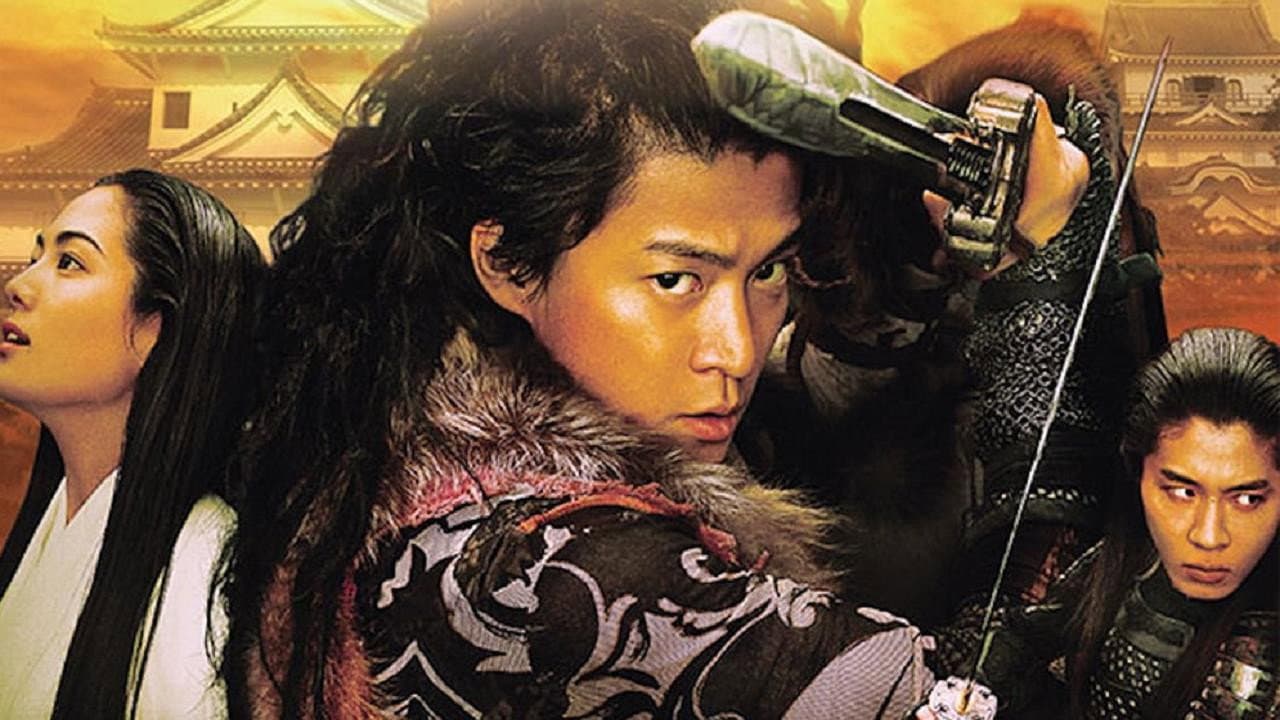










The Hero's Journey in Tajomaru: Avenging Blade
The story of Tajomaru: Avenging Blade, released in 2009, plunges viewers into a tumultuous historical Japan, tracing the epic transformation of a royal brother. Driven by a profound desire to protect the princess he loves, he makes the momentous decision to abandon his royal life and venture into the unknown. What follows is a series of harrowing adventures, each testing his resolve and challenging his understanding of loyalty and power. This journey, however, isn't just a physical one; it's a profound odyssey of self-discovery, ultimately leading him down a path where he disinherits his former identity. He slowly becomes the legendary bandit known as Tajomaru, a figure whose very name carries a legacy of inheritance and deadly succession. A true legend forged. A heavy burden.
The Craft and Collaboration Behind Tajomaru: Avenging Blade
The craft and collaboration behind Tajomaru: Avenging Blade are evident in its ambitious scope and detailed execution. This 2009 Japanese production brought together a formidable consortium of companies, including Tristone Entertainment, Cinema Investment, Hakuhodo DY Media Partners, Kodansha, Warner Bros. Japan, and Fuji Television Network. Such a significant collaboration speaks to the film's grand vision, aiming to deliver a sweeping historical drama with intense action sequences. Clocking in at a substantial 126 minutes, the film takes its time to develop characters and plot, allowing the narrative to unfold with a deliberate pace. It's a blend of Action, History, and Drama, genres that demand both spectacle and emotional depth. The involvement of major players like Warner Bros. Japan and Fuji Television Network certainly gave the project a wider reach and substantial backing, crucial for a period piece of this magnitude. "Variety reported that the film's production budget allowed for 'lavish sets and intricate fight choreography,' truly immersing audiences in feudal Japan," indicating the high standards set for the visual and practical elements. Honestly, that level of production value isn't something you often see in historical dramas, especially from that era. This commitment to quality undoubtedly contributed to its respectable IMDb rating of 7.222/10, reflecting positive audience reception for its technical merits and compelling storytelling. We're talking serious filmmaking here.
The Enduring Appeal and Themes of Tajomaru: Avenging Blade
The enduring appeal and themes of Tajomaru: Avenging Blade lie in its compelling exploration of identity and the weight of legacy. What's striking is how the film takes the legendary "bandit of the forest" from Rashomon and gives him a rich, tragic origin story, transforming a notorious figure into a protagonist defined by love and sacrifice. The narrative doesn't shy away from the darker aspects of human nature—betrayal, jealousy, and the corrupting influence of power—but it grounds these elements in deeply personal stakes. The performances, though not individually highlighted in the provided facts, are crucial; a film