






The Story of Red Shadow and Its Ninja Warriors
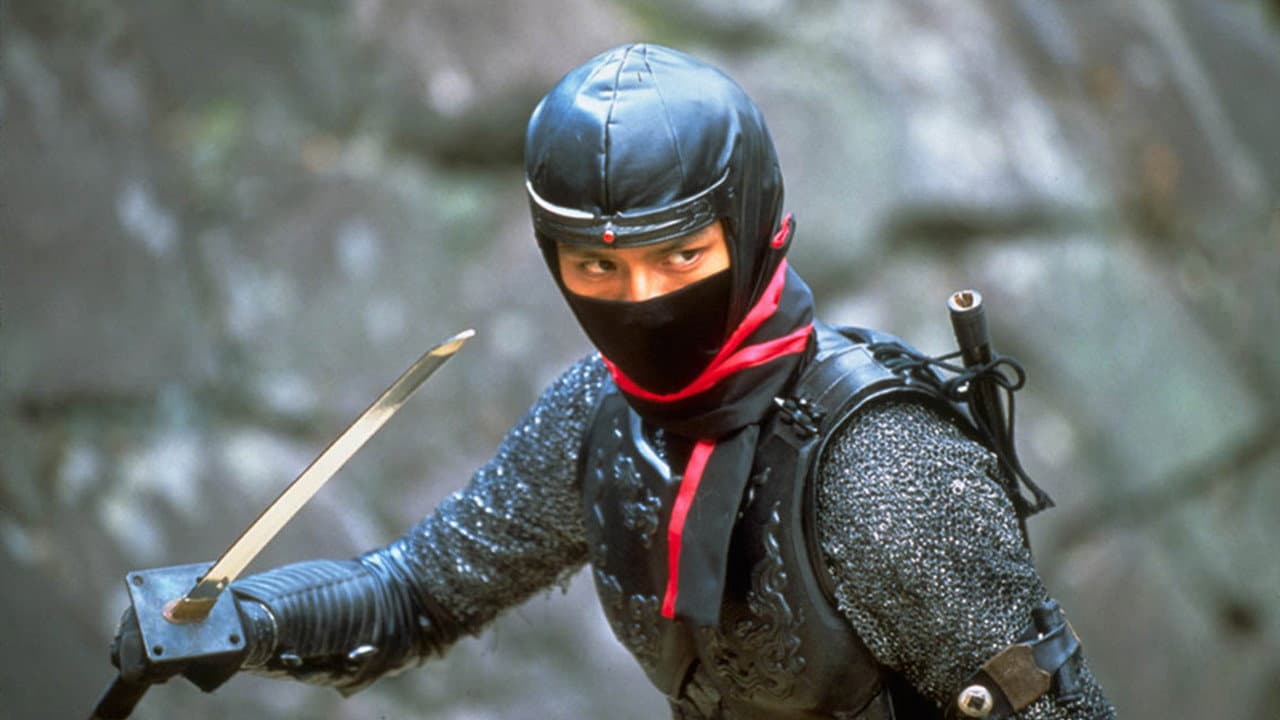
Red Shadow is a 2001 Japanese action film that takes you deep into the shadow world of feudal Japan's most secretive operatives. The story centers on three rookie ninjas—Akakage, Aokage, and Asuka—who train under the watchful eye of their mentor Shirokage. These aren't your typical sword-swinging samurai; they're warriors trained in deception, espionage, and the art of working in darkness to gather intelligence and neutralize threats. Their missions are impossible by design. Each assignment demands not just physical prowess but psychological cunning, the ability to infiltrate enemy strongholds, extract information, and disappear without a trace. What sets Red Shadow apart is how it balances the weight of these dangerous assignments with genuine humor and romantic tension among the team members. The film doesn't take itself too seriously—there's a playfulness to how the ninjas banter and fumble through their early missions—yet the stakes remain real. You're watching young warriors grow into their roles while the world around them demands they master the impossible.
Behind the Making of Red Shadow and Its Creative Team
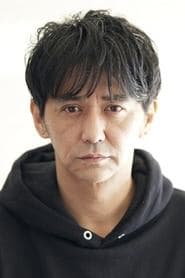
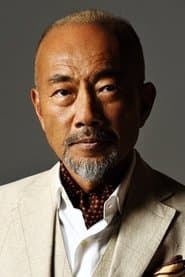
Directed by Hiroyuki Nakano, Red Shadow arrived in 2001 as a Toei Company production, bringing the 1960s manga Kamen no Ninja Akakage to the screen with a distinctly modern sensibility. The film stars Masanobu Andō in the title role, an actor whose range has made him a fixture in Japanese cinema, and features a notable guest appearance from Tomoyasu Hotei, who'd previously appeared in the 1998 film Samurai Fiction—a connection that signals the film's place within a broader wave of stylized samurai and ninja cinema from that era. At 108 minutes, Red Shadow doesn't overstay its welcome; the runtime allows for character development without sacrificing the action sequences that audiences came for. The production design reflects the period setting while incorporating visual techniques that feel contemporary for 2001, a balancing act that required careful attention from the cinematography and effects teams. Movie OTT tracks these kinds of genre hybrids across streaming platforms, and Red Shadow exemplifies the cross-cultural appeal of Japanese action cinema that's only grown since its release. The film's box office performance in Japan established it as a solid mid-tier release, neither blockbuster nor obscure—the kind of film that found its audience through word-of-mouth and home video rather than massive theatrical saturation.
What Makes Red Shadow Stand Out Among Ninja Cinema
What's striking about Red Shadow is how it refuses to choose between tones. Most ninja films commit fully to either gritty realism or cartoonish spectacle. This one threads the needle—it's got genuine peril and tactical thinking, but it's also willing to let its characters crack jokes and stumble through awkward romantic moments. The three leads develop a chemistry that makes you care whether they survive their next assignment, and that emotional grounding is what prevents the action from feeling hollow. Masanobu Andō brings a particular intensity to the lead role; there's a weariness in how he carries himself, as if Akakage has already seen too much despite his youth. The performances don't aim for Shakespeare-level gravitas—they're naturalistic in a way that makes the humor land harder when it comes. The action choreography, while not groundbreaking by 2001 standards, uses the ninja setting to create interesting spatial puzzles. Rather than just sword-on-sword combat, you get infiltration sequences, rooftop pursuits, and moments where the ninjas have to talk their way out of situations instead of fighting. I keep coming back to how the film treats its female ninja, Asuka, as a fully capable operative rather than a love interest who needs protecting—that's a choice that feels progressive even now, and it definitely felt refreshing in 2001. The IMDb rating of 4.9/10 suggests the film's reception has been mixed, and honestly, that tracks with what you see on screen: it's uneven in places, sometimes the tonal shifts feel abrupt, but there's enough genuine craft and charm here to make it worth your time if you're curious about early 2000s Japanese action cinema.
Where to Stream Red Shadow Online
Red Shadow is available on major OTT services, and you can check the "Where to Watch" widget at the top of this page to see which platforms currently carry it in your region. Streaming availability shifts regularly, so that widget updates in real time—it's the easiest way to confirm where you can actually press play right now. Movie OTT aggregates these listings across multiple services, so you won't have to hunt through five different apps to figure out if it's on Netflix, Prime Video, or one of the other major platforms. The 108-minute runtime makes it perfect for a weeknight watch if you find it available, and the action-comedy blend means it won't demand intense focus for two-and-a-half hours. Depending on your region and which streaming services you subscribe to, you should be able to find it without much friction.
Frequently Asked Questions
Q: Who directed Red Shadow and what's his background?
Hiroyuki Nakano directed Red Shadow in 2001. He's known for his work in Japanese action cinema and brought a stylized approach to adapting the 1960s manga source material, balancing humor, romance, and combat in a way that feels distinctly early-2000s.
Q: Is Red Shadow based on a manga or original story?
Red Shadow is loosely based on the 1960s manga Kamen no Ninja Akakage. The film takes the core concept of the ninja team and their missions but adapts it with its own plot and character development rather than serving as a direct panel-by-panel adaptation.
Q: What's the connection between Red Shadow and Samurai Fiction?
Tomoyasu Hotei, who appears in Red Shadow, previously starred in the 1998 film Samurai Fiction. His guest appearance in Red Shadow creates a loose connection between the two films within the broader landscape of stylized samurai and ninja cinema from that era.
Q: How long is Red Shadow and what's the runtime?
Red Shadow runs 108 minutes, making it a relatively lean action film that moves through its plot without excessive padding while still allowing room for character moments and humor alongside the action sequences.
Q: What genres does Red Shadow blend together?
Red Shadow combines adventure, action, comedy, and romance. The film doesn't stick rigidly to any single genre—it shifts between intense mission sequences, comedic banter among the ninja team, and romantic tension, which is part of what makes it feel distinct from more straightforward action films.
Final Thoughts on Red Shadow
Red Shadow won't revolutionize your understanding of ninja cinema or action filmmaking. It's got rough edges, tonal inconsistencies, and moments that don't quite land. But there's something genuinely appealing about a film that trusts its audience to enjoy spectacle and humor and character development in the same breath. The 2001 release date puts it at an interesting inflection point in Japanese action cinema—old enough to feel like a period piece now, recent enough that the filmmaking doesn't feel dated. If you're exploring early 2000s action films or have a soft spot for ninja stories, Red Shadow deserves a spot on your watchlist. It's the kind of film that rewards curiosity.