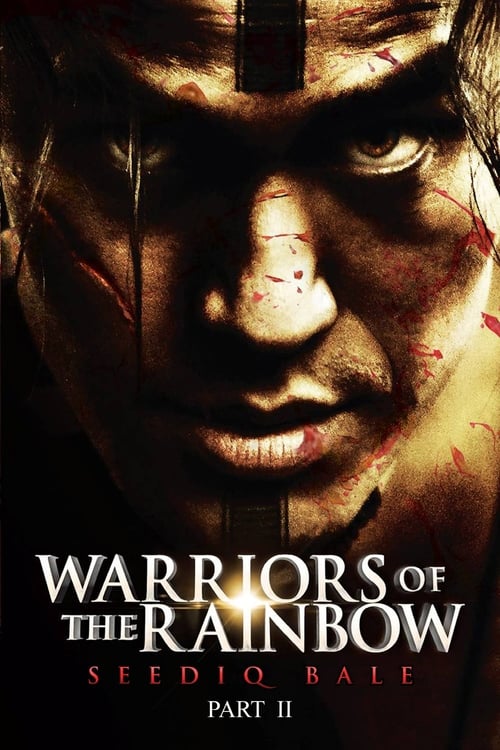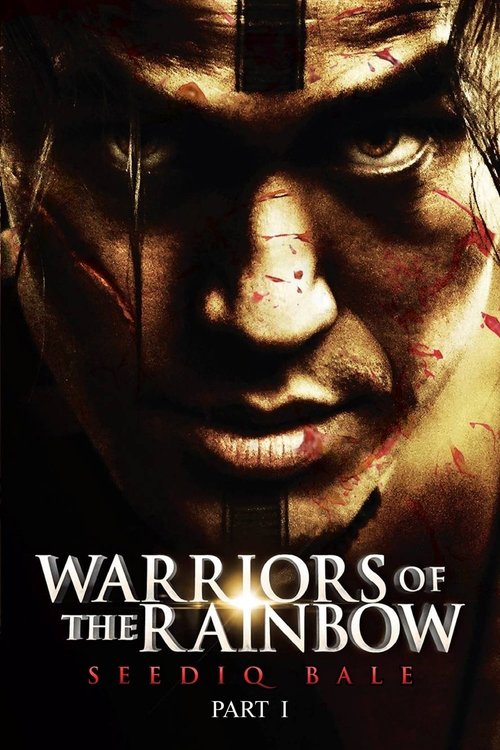







The story of Warriors of the Rainbow: Seediq Bale
Warriors of the Rainbow: Seediq Bale unfolds in a world where an indigenous clan-based people have lived in harmony with nature for generations, their customs and rhythms tied to the land itself. That equilibrium shatters when violent outsiders arrive with a singular mission: seize natural resources and subjugate the people who've inhabited these mountains for centuries. What follows isn't a story of passive suffering—it's a chronicle of one man's decision to rise up, to organize his people, and to mount a resistance that will cost everything. The film doesn't romanticize this struggle; instead, it presents the collision between two worlds with unflinching clarity, showing how survival and dignity sometimes demand a willingness to fight on terms you didn't choose.
Behind the making of Warriors of the Rainbow: Seediq Bale
Released in 2012, Warriors of the Rainbow: Seediq Bale emerged from the combined efforts of ARS Film Production and Central Motion Picture Corporation, two powerhouses in Asian cinema who understood the scale this story demanded. At 153 minutes, the film commands the kind of runtime that allows for genuine character development rather than rushed exposition. The production itself was a significant undertaking—crafting the visual language of early 20th-century Taiwan, building sets that honored the Seediq people's world, and assembling a cast capable of carrying the emotional and physical weight of a revolution. What's striking is that this wasn't a vanity project or a quick historical retelling; the filmmakers treated the source material with the kind of respect usually reserved for prestige dramas, investing resources into authenticity and narrative depth. The film found an audience internationally, establishing itself as part of the Warriors of the Rainbow: The Seediq Bale Saga franchise, signaling that this story had enough resonance to extend beyond a single installment. Its 7.8 rating on IMDb reflects a film that earned its audience rather than simply inheriting one.
What makes Warriors of the Rainbow: Seediq Bale stand out
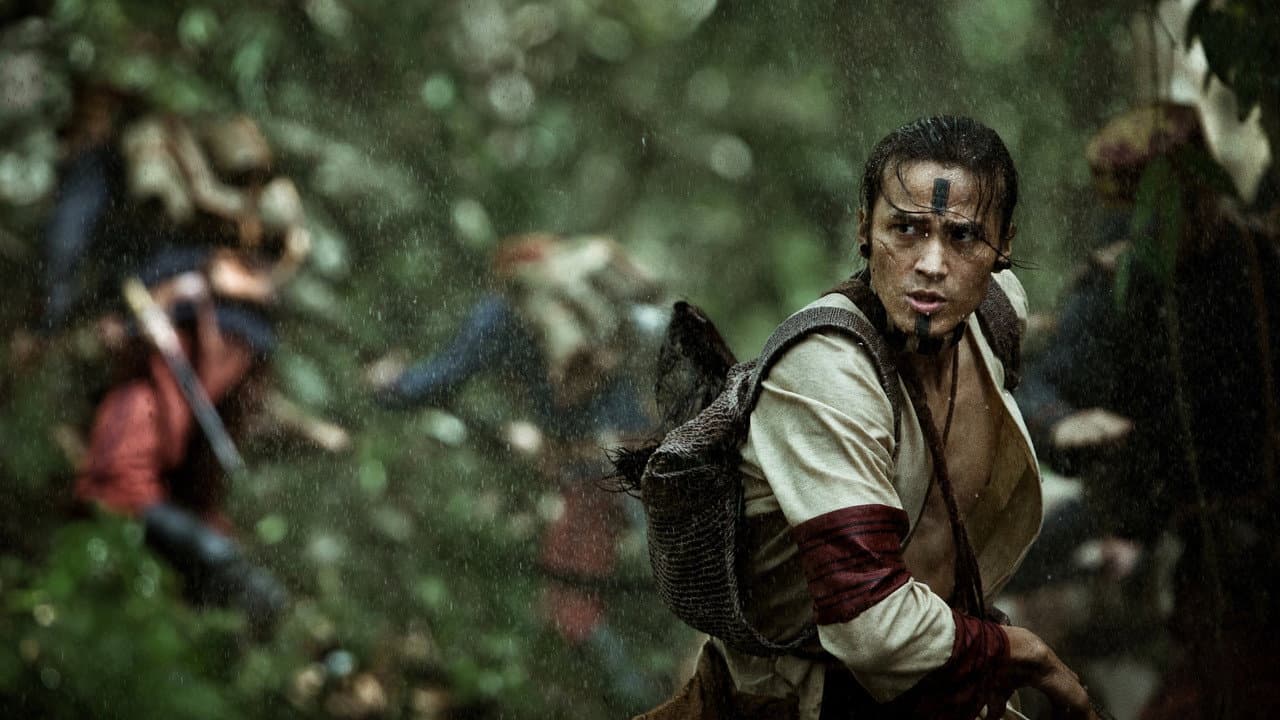
There's something about historical dramas set outside the Western canon that forces viewers to confront their own blind spots—and this film does exactly that. The performances aren't theatrical or overwrought; they're grounded in a kind of lived weariness, the look of people who understand what they're fighting for and what it will cost them. What I keep coming back to is how the film treats violence not as spectacle but as consequence. When conflict erupts, it doesn't feel choreographed for entertainment; it feels inevitable, tragic, the only language available when negotiation has failed. The cinematography captures both the beauty of the landscape and its role as a character in its own right—mountains become refuge and trap simultaneously. Critics have noted the film's refusal to simplify its antagonists into cardboard villains; the colonial forces aren't one-dimensional, which somehow makes their actions more chilling. The storytelling weaves personal stakes with historical ones, so you're never watching abstract political conflict—you're watching families, traditions, and futures hang in the balance. That's what separates a good war film from a great one: the willingness to make you feel the weight of every decision.
Where to stream Warriors of the Rainbow: Seediq Bale online
You can find Warriors of the Rainbow: Seediq Bale across major OTT services—check the Where to Watch widget at the top of this page for current availability in your region. Streaming rights shift frequently, so Movie OTT keeps a running tracker of where this title lives across platforms. Given the film's 153-minute runtime, you'll want to carve out an uninterrupted evening; this isn't a background-watch kind of experience. If you're a subscriber to one of the major platforms, there's a solid chance it's already in your library. The film's international reach means it's been licensed fairly broadly, making it more accessible than some regional dramas tend to be. Movie OTT's aggregation tool helps you skip the frustration of checking five different apps—just load up the page and see where it's streaming right now.
Frequently asked questions
Q: Is Warriors of the Rainbow: Seediq Bale based on a true story?
Yes. The film draws from the historical Seediq Uprising of 1930, a real resistance movement by the Seediq people against Japanese colonial rule in Taiwan. While the narrative takes some dramatic license, the core events and the struggle for indigenous autonomy are grounded in documented history.
Q: How long is Warriors of the Rainbow: Seediq Bale?
The film runs 153 minutes—just under two hours and forty minutes. That length allows the story to breathe and develop character relationships without feeling rushed, though it's worth planning your viewing accordingly.
Q: What genres does Warriors of the Rainbow: Seediq Bale fall into?
It's classified as drama, history, and war. The blend means you're getting character-driven storytelling within a historical framework, rather than pure action spectacle or dry documentary reconstruction.
Q: Is Warriors of the Rainbow: Seediq Bale part of a series?
Yes, it's part of the Warriors of the Rainbow: The Seediq Bale Saga franchise. This installment stands alone narratively, but the franchise indicates there's enough depth in the Seediq people's story for extended exploration across multiple works.
Q: What's the IMDb rating for Warriors of the Rainbow: Seediq Bale?
The film holds a 7.8 out of 10 on IMDb, which reflects strong audience appreciation and critical regard. That rating puts it in the range of well-crafted historical dramas that audiences genuinely connect with.
Final thoughts on Warriors of the Rainbow: Seediq Bale
Warriors of the Rainbow: Seediq Bale demands something from its viewers—patience, attention, a willingness to sit with difficult material. But it repays that investment with a story that matters, with performances that linger, and with a historical perspective that doesn't get told often enough in global cinema. If you're drawn to epics that prioritize human truth over spectacle, or if you're interested in indigenous resistance narratives told from the inside out, this is essential viewing. The runtime isn't a bug; it's a feature. Settle in, and let the film work.