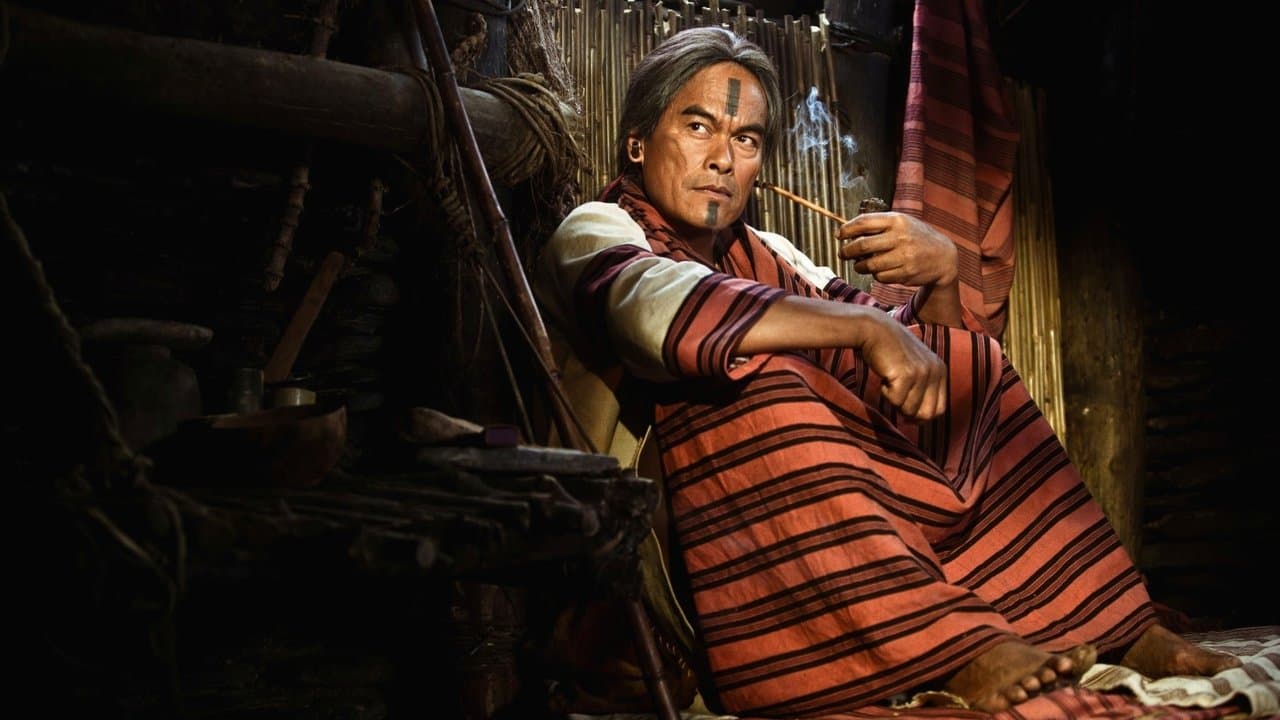







The story of Warriors of the Rainbow: Seediq Bale - Part 2: The Rainbow Bridge
Warriors of the Rainbow: Seediq Bale - Part 2: The Rainbow Bridge picks up the threads of an uprising that shook colonial Taiwan. After the initial rebellion at Wushe, Mona Rudao and his followers find themselves locked in a guerrilla war against the militarily superior Japanese occupiers—and against rival Seediq clans who've chosen a different path. What unfolds across 132 minutes isn't just a battle for territory. It's a fight for identity, for the right to be called "Seediq Bale," which translates to "real men." The film doesn't shy away from the impossible odds or the moral weight of leadership during wartime. Instead, it leans into them, creating a narrative that's as much about personal honor as it is about collective survival.
Behind the making of Warriors of the Rainbow: Seediq Bale - Part 2: The Rainbow Bridge
This film is the second half of an ambitious two-part, four-hour Taiwanese edition—a bold structural choice that emerged from a 2011 release strategy unlike anything most Western audiences encounter. The production brought together ARS Film Production, Central Motion Picture Corporation, Lion Rock Productions, and Fortissimo Films, alongside backing from the Hong Kong Asia Film Financing Forum and CMC Entertainment. That's a serious assembly of resources and creative talent. The 132-minute runtime of Part 2 alone speaks to the filmmakers' commitment to letting scenes breathe, to showing rather than telling the grinding reality of sustained conflict. On IMDb, the film holds a 8.044/10 rating—a score that reflects both critical appreciation and audience engagement with its unflinching approach to historical drama. While specific box office figures aren't universally documented in English-language sources, the film's prestige within Asian cinema and its multiple festival screenings cemented it as a significant work of Taiwanese filmmaking. The production design and cinematography had to capture both the lush landscapes where these events unfolded and the deteriorating conditions of prolonged warfare, which demanded meticulous attention to historical detail.
What makes Warriors of the Rainbow: Seediq Bale - Part 2: The Rainbow Bridge stand out
Here's what strikes you about this film: it doesn't treat its historical subjects as noble savages or tragic victims waiting for salvation. Instead, Mona Rudao emerges as a complex leader—strategic, conflicted, capable of both tenderness and ruthlessness. The performances anchor every scene, with actors conveying the psychological toll of resistance through small gestures and silences as much as through dialogue. What's particularly effective is how the film handles the fracture within the Seediq community itself. Some clans sided with the Japanese; others with Rudao. That internal division—the way colonialism weaponized existing tensions—gets far more screen time than many war films would allow, and it's all the more powerful for it. The cinematography captures both intimate moments of family and community alongside sweeping shots of landscape and conflict, creating a visual rhythm that mirrors the psychological experience of living under occupation. The thing nobody mentions is how much of the film's power comes from what isn't shown: the off-screen deaths, the unseen suffering, the way time itself becomes weaponized as the Japanese military apparatus slowly tightens. You'll find yourself thinking about this film long after it ends—not because it provides easy answers about resistance or colonialism, but because it refuses to simplify either.
Where to stream Warriors of the Rainbow: Seediq Bale - Part 2: The Rainbow Bridge online
Finding Warriors of the Rainbow: Seediq Bale - Part 2: The Rainbow Bridge across streaming platforms can be tricky, since it's a niche historical epic rather than mainstream fare. The film is currently available on major OTT services—check the "Where to Watch" widget at the top of this page for real-time availability in your region. Because streaming rights shift frequently, especially for international titles, Movie OTT tracks current availability so you don't have to hunt across multiple apps. If you're serious about Taiwanese cinema or historical dramas, it's worth the hunt. The film rewards patient viewing and a commitment to subtitles if you're watching the original-language version.
Frequently asked questions
Q: Is Warriors of the Rainbow: Seediq Bale - Part 2: The Rainbow Bridge based on a true story?
Yes. The film is based on the Wushe Incident of 1930, a real indigenous uprising against Japanese colonial rule in Taiwan. Mona Rudao was a historical leader of the Seediq people who organized one of the most significant acts of resistance during the colonial period.
Q: Do I need to watch Part 1 before Part 2?
Yes, absolutely. Warriors of the Rainbow: Seediq Bale - Part 2: The Rainbow Bridge is the second installment of a two-part saga totaling four hours. Part 1 establishes the characters, conflicts, and the initial uprising, so watching in order is essential to understanding the narrative and emotional stakes.
Q: How long is Warriors of the Rainbow: Seediq Bale - Part 2: The Rainbow Bridge?
Part 2 runs 132 minutes, or just over two hours. Combined with Part 1, the complete story spans approximately four hours—a commitment, but one that allows the filmmakers to develop character and historical context without rushing.
Q: What does "Seediq Bale" mean?
It translates to "real men" in the Seediq language. The phrase carries deep cultural significance throughout the film, representing not just masculinity but dignity, honor, and the right to live according to one's own values and traditions.
Q: Where can I watch Warriors of the Rainbow: Seediq Bale - Part 2: The Rainbow Bridge?
The film is available on major OTT streaming services. Use the "Where to Watch" widget at the top of this page to find current availability in your location, or visit Movie OTT's streaming aggregator to check multiple platforms at once.
Final thoughts on Warriors of the Rainbow: Seediq Bale - Part 2: The Rainbow Bridge
Warriors of the Rainbow: Seediq Bale - Part 2: The Rainbow Bridge isn't an easy watch, but it's a necessary one. It's a film that respects both its historical subjects and its audience's intelligence. If you're drawn to epic historical dramas that don't flinch from complexity, that center indigenous perspectives, or that explore what resistance actually costs—this belongs on your watchlist. The performances, cinematography, and sheer ambition of the production make it a landmark in Taiwanese cinema. This isn't a film you casually stream while scrolling your phone. It demands attention. It deserves it.