







The Quiet Revolution of Shall We Dance?
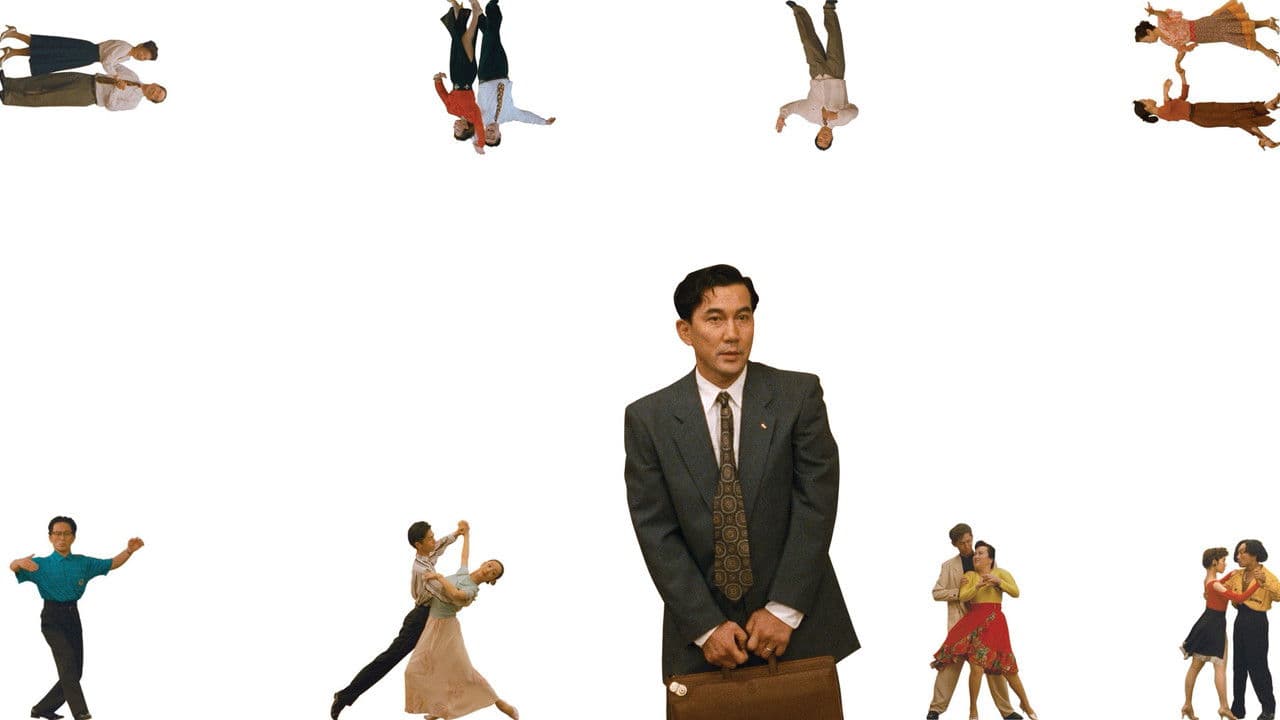
Shall We Dance? introduces us to Shohei Sugiyama, a seemingly content but undeniably bored Japanese accountant whose life has settled into a comfortable, if monotonous, rhythm. Every day, he commutes, works, and returns home to a loving family, yet a profound sense of incompleteness gnaws at him. His routine is abruptly — and beautifully — interrupted one evening when he spots a captivating woman, Mai, gazing out from the window of a ballroom dance studio. Drawn by her mysterious allure and a sudden, inexplicable curiosity, Shohei impulsively signs up for secret dance lessons. What begins as an almost voyeuristic pursuit to be near Mai quickly blossoms into a genuine, if initially clumsy, love for dancing itself. This newfound passion, however, throws his meticulously ordered life into disarray. His wife, noticing his late nights and the faint scent of perfume, becomes increasingly suspicious, eventually hiring a private detective to uncover the truth behind his sudden, secretive behavior. It's a classic setup, perfectly encapsulated by the film's official tagline: "She's got the moves… but he's got two left feet!"
Behind the Making of Shall We Dance? (1996)
Directed by the acclaimed Masayuki Suo, Shall We Dance? premiered in 1996, captivating audiences with its unique blend of Music, Comedy, Drama, and Romance. This Japanese production, brought to life by Altamira Pictures and TOHO, stands as a significant cultural touchstone. Interestingly, the film itself is noted to be a remake of a 1937 film of the same name, though it carved out its own distinct identity. Its title also cleverly references the iconic song "Shall We Dance?" from Rodgers and Hammerstein's classic musical The King and I, setting a tone of romantic possibility and elegant movement. Running a substantial 136 minutes, the film takes its time to develop its characters and their journey, allowing the audience to truly immerse themselves in Shohei's transformation. The film garnered considerable international acclaim, not just for its heartwarming story but also for its subtle humor and poignant exploration of human yearning. Its critical success is reflected in its solid IMDb rating of 7.464/10, indicating a strong positive reception from viewers worldwide. The film's impact was so profound that it later inspired a hugely popular 2004 English-language remake starring Richard Gere, Jennifer Lopez, and Susan Sarandon, further cementing the original's legacy as a timeless narrative.
Why Shall We Dance? Resonates with Audiences
What makes Shall We Dance? such an enduring and beloved film? Honestly, it's the film's profound understanding of the human condition — that quiet desperation many of us feel when life becomes too predictable. Director Masayuki Suo masterfully crafts a narrative that is both deeply personal and universally relatable, exploring themes of mid-life crisis, the pursuit of passion, and the often-unspoken desires that lie beneath societal expectations. The performances, particularly that of the lead, are wonderfully understated, conveying Shohei's internal struggle and gradual awakening with remarkable authenticity. You really feel his initial awkwardness on the dance floor, the sheer terror of trying something new, then the slow burn of joy as he finds his rhythm. The film's humor isn't broad; it's gentle, often stemming from the characters' earnestness and the subtle cultural clashes between traditional Japanese decorum and the expressive nature of ballroom dance. It's a film about finding joy and connection in unexpected places, and it handles the complexities of marriage and personal growth with immense grace. As Janet Maslin of The New York Times reported, "The director, Masayuki Suo, creates a mood of gentle, melancholy yearning that is as amusing as it is touching." That's exactly it. It's a beautiful, moving piece of cinema.
Where to Stream Shall We Dance? (1996) Online
For those eager to experience the original Japanese charm of Shall We Dance?, you're in luck. The film is currently available on major OTT services, making it accessible to a wide audience. Finding where to watch your favorite movies and shows can sometimes feel like a dance in itself, but Movie OTT simplifies the process by aggregating streaming availability across various platforms. You can find a comprehensive list of all the services where this title is currently streaming by checking the "Where to Watch" widget located at the top of this very page. It's a convenient way to ensure you don't miss out on this delightful cinematic experience, no matter your preferred streaming provider. Just a click away.
Frequently asked questions
Q: What is the runtime of Shall We Dance? (1996)?
The 1996 Japanese film Shall We Dance? has a runtime of 136 minutes. This allows for a detailed and leisurely exploration of its characters and their journey through the world of ballroom dancing.
Q: Who directed the 1996 film Shall We Dance??
Shall We Dance? (1996) was directed by Masayuki Suo. His vision brought this heartwarming romantic comedy-drama to life, earning critical acclaim both in Japan and internationally.
Q: Is Shall We Dance? (1996) a remake?
Yes, the 1996 Japanese film Shall We Dance? is noted to be a remake of a 1937 film of the same name. It also famously inspired the popular 2004 English-language remake.
Q: What is the IMDb rating for Shall We Dance? (1996)?
Shall We Dance? (1996) holds a strong IMDb rating of 7.464 out of 10. This rating reflects its positive reception and enduring appeal among global audiences.
Q: Where can I stream Shall We Dance? (1996)?
The 1996 film Shall We Dance? is currently available on major OTT services. To find out exactly where you can stream it, refer to the "Where to Watch" widget on movieott.com, which provides up-to-date availability information.
Final Steps with Shall We Dance? (1996)
Shall We Dance? isn't just a film about dancing; it's a profound, often humorous, look at the courage it takes to step outside your comfort zone and embrace new passions. It's for anyone who's ever felt a spark of curiosity ignite within a mundane routine, or for those who appreciate a story where personal growth unfolds with gentle grace. The film's universal themes of self-discovery, marital understanding, and the joy of movement transcend cultural barriers, making it a truly timeless watch. If you're looking for a film that will leave you with a smile and perhaps a renewed sense of possibility, this original Japanese masterpiece comes highly recommended. It’s a quiet triumph, a genuinely moving experience that stays with you long after the credits roll. Don't miss it.