Actor
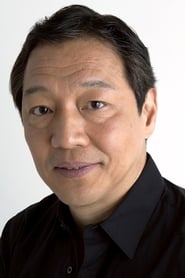
Koji Yakusho
25 films on Movie OTT · Active 1985–2026
Koji Yakusho carries a particular stillness on screen, the kind that makes you lean in rather than pull away. His breakthrough came in the late 1990s when he emerged as one of Japan's most compelling character actors, building a reputation for inhabiting roles with a kind of internal precision that didn't announce itself. What's striking is how he's sustained that approach across three decades without becoming a caricature of himself. He works steadily, chooses roles that seem to interest him rather than chase him, and brings the same attentiveness to a supporting part as he does to a lead. That consistency has made him a reliable presence in Japanese cinema and, increasingly, in international productions that recognize his particular gifts.
About Koji Yakusho
Koji Yakusho carries a particular stillness on screen, the kind that makes you lean in rather than pull away. His breakthrough came in the late 1990s when he emerged as one of Japan's most compelling character actors, building a reputation for inhabiting roles with a kind of internal precision that didn't announce itself. What's striking is how he's sustained that approach across three decades without becoming a caricature of himself. He works steadily, chooses roles that seem to interest him rather than chase him, and brings the same attentiveness to a supporting part as he does to a lead. That consistency has made him a reliable presence in Japanese cinema and, increasingly, in international productions that recognize his particular gifts.
Throughout his career, Yakusho has moved between intimate dramas and larger ensemble works without losing focus. He appeared in Shall We Dance (1996), which established him as someone capable of anchoring a film with quiet conviction. His work in Cure (1997) showed his range in genre territory, playing against type in a psychological thriller that demanded both vulnerability and restraint. Yakusho took on roles in Babel (2006), where he shared screen time with an international cast, and appeared in Departures (2008), a film that won the Academy Award for Best Foreign Language Film. More recently, his filmography has included Hakkenden (2024), where he continued exploring character-driven material. He's also slated to appear in Snowflowers: Seeds of Hope (2025) and Scarlet: A Journey Through Vengeance and Destiny (2026), projects that suggest he's still drawn to narratives with thematic weight.
Yakusho doesn't have the kind of career built on repeated collaborations with a single auteur, which is partly by design. He's worked with Hirokazu Koreeda and other major Japanese directors, but his choices seem governed by script and character rather than loyalty to a particular vision. That independence has allowed him to move fluidly between Japanese-language productions and international co-productions, a skill that's become increasingly valuable as streaming platforms and multinational productions reshape how films get made and distributed. He's the kind of actor who doesn't need to anchor a franchise. He's the one you trust to ground a story.
Recognition has come in the form of festival prizes and critical respect rather than household-name celebrity. Japanese film awards and international film festival selections have acknowledged his work, though he's never pursued the kind of visible awards-season strategy that defines some careers. That's not indifference. It's a different calculus entirely.
Yakusho's current slate speaks to where he is now in his career. Snowflowers: Seeds of Hope, arriving in 2025, positions him in material that likely values his ability to convey emotional depth without overstatement. Scarlet: A Journey Through Vengeance and Destiny, due in 2026, suggests he's willing to engage with genre frameworks that might attract younger audiences or international streaming platforms. He's not chasing relevance. He's working. And that distinction matters. The thing nobody mentions is that the actors who last longest in this industry are often the ones who don't seem to need it as much as the industry needs them.
Currently streaming
6 of 25 on platforms
Scarlet: A Journey Through Vengeance and Destiny
2026 · Netflix, Netflix Standard with Ads +12
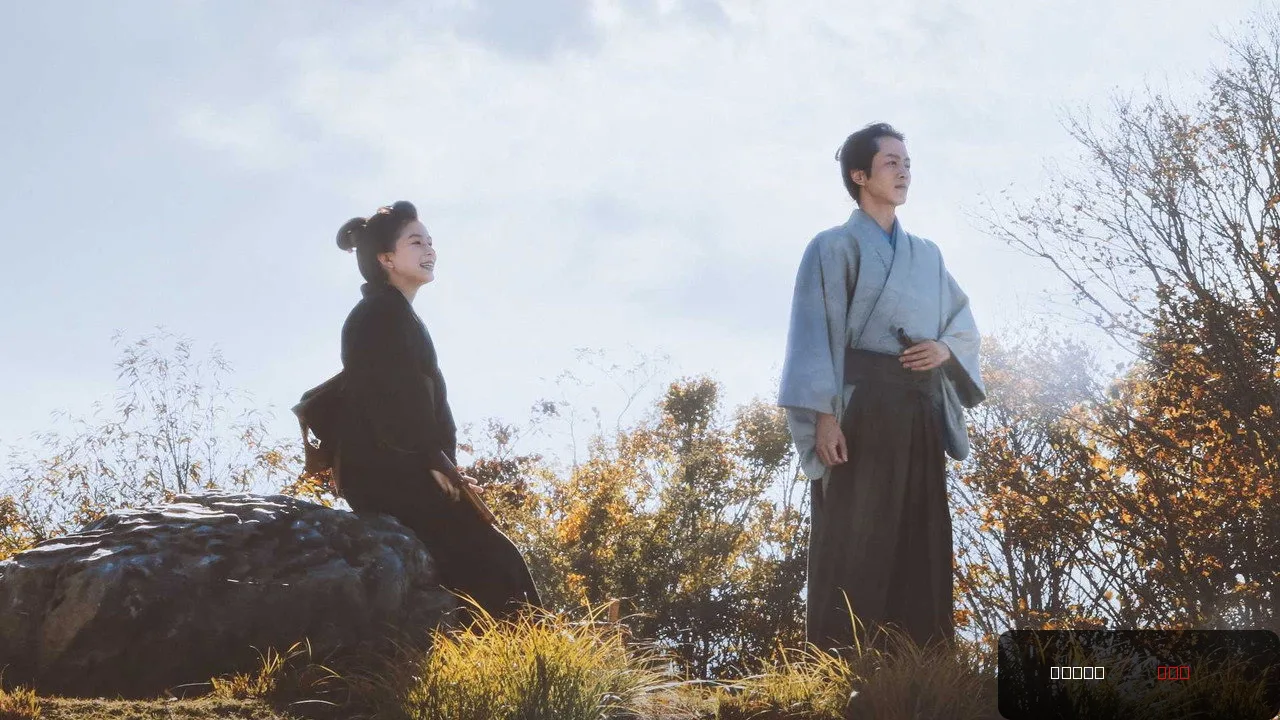
Snowflowers: Seeds of Hope
2025 · Netflix
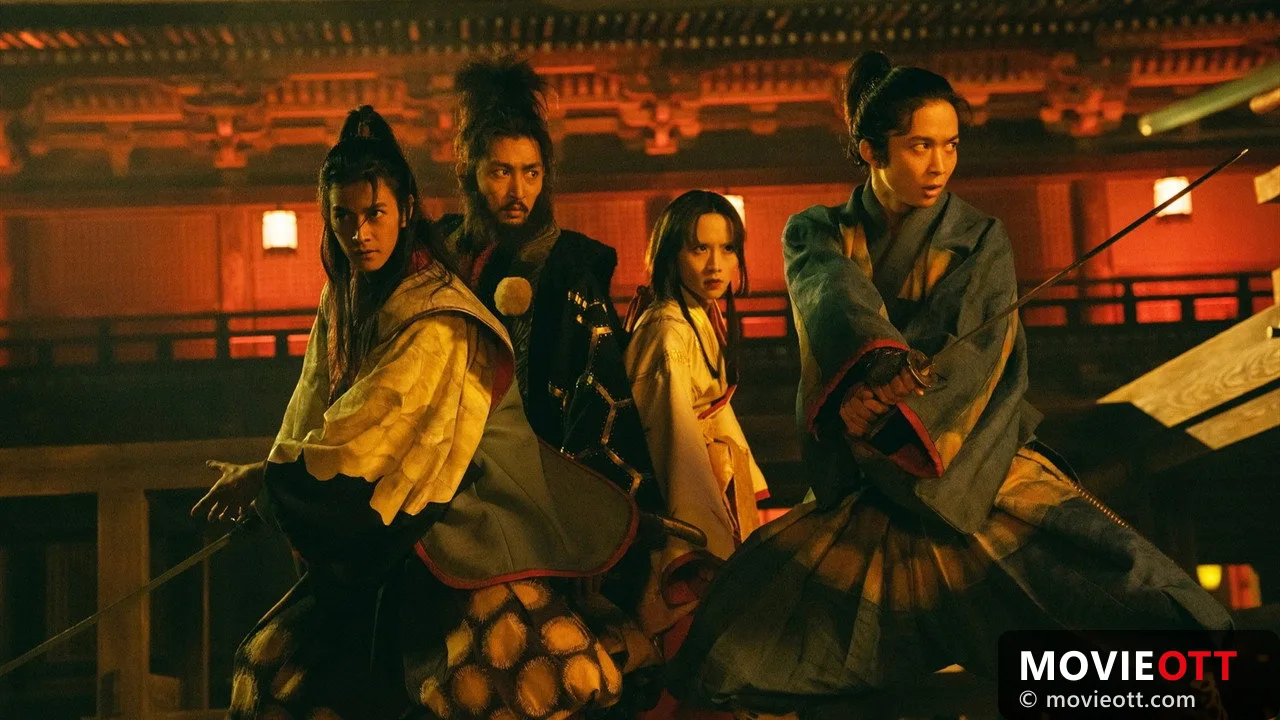
Hakkenden
2024 · Netflix

Father of the Milky Way Railroad
2023 · Netflix

Isoroku Yamamoto, the Commander-in-Chief of the Combined Fleet
2011 · Netflix

Shall We Dance?
1996 · Netflix
Filmography
Scarlet: A Journey Through Vengeance and Destiny
2026 · Cast
Snowflowers: Seeds of Hope
2025 · Cast
Hakkenden
2024 · Cast
Father of the Milky Way Railroad
2023 · Cast
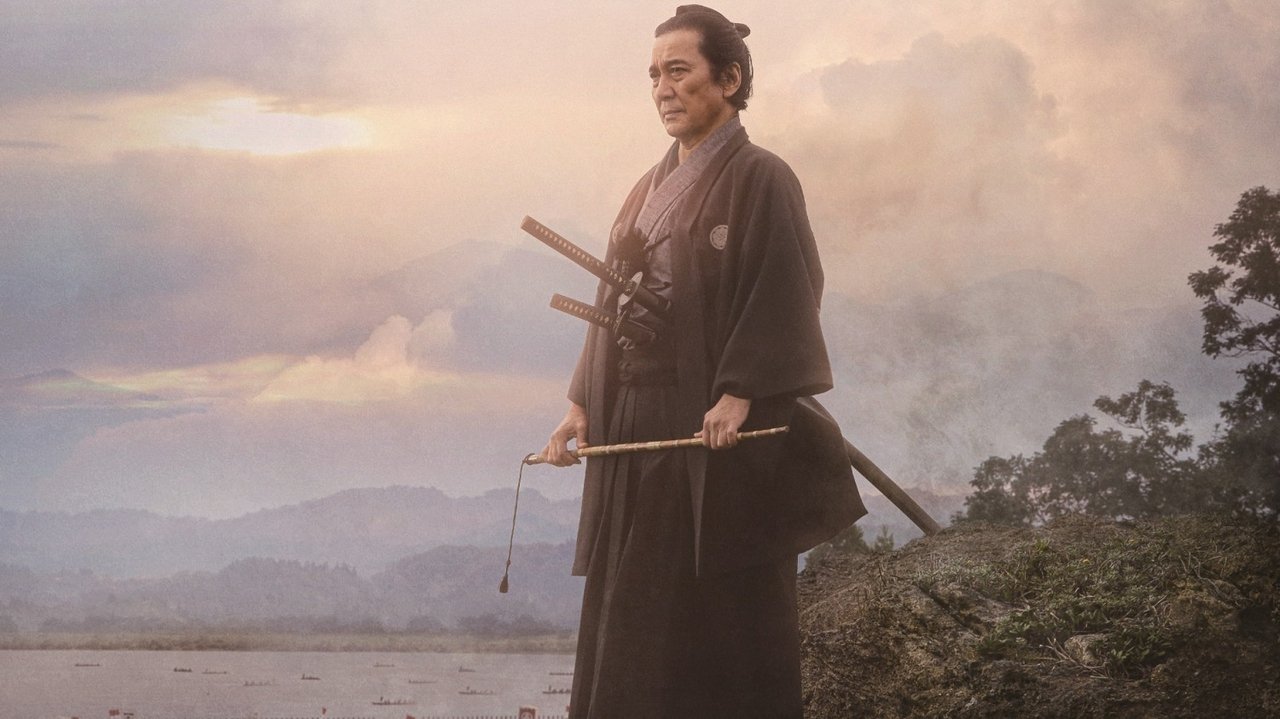
The Pass: Last Days of the Samurai
2022 · Kawai Tsugunosuke
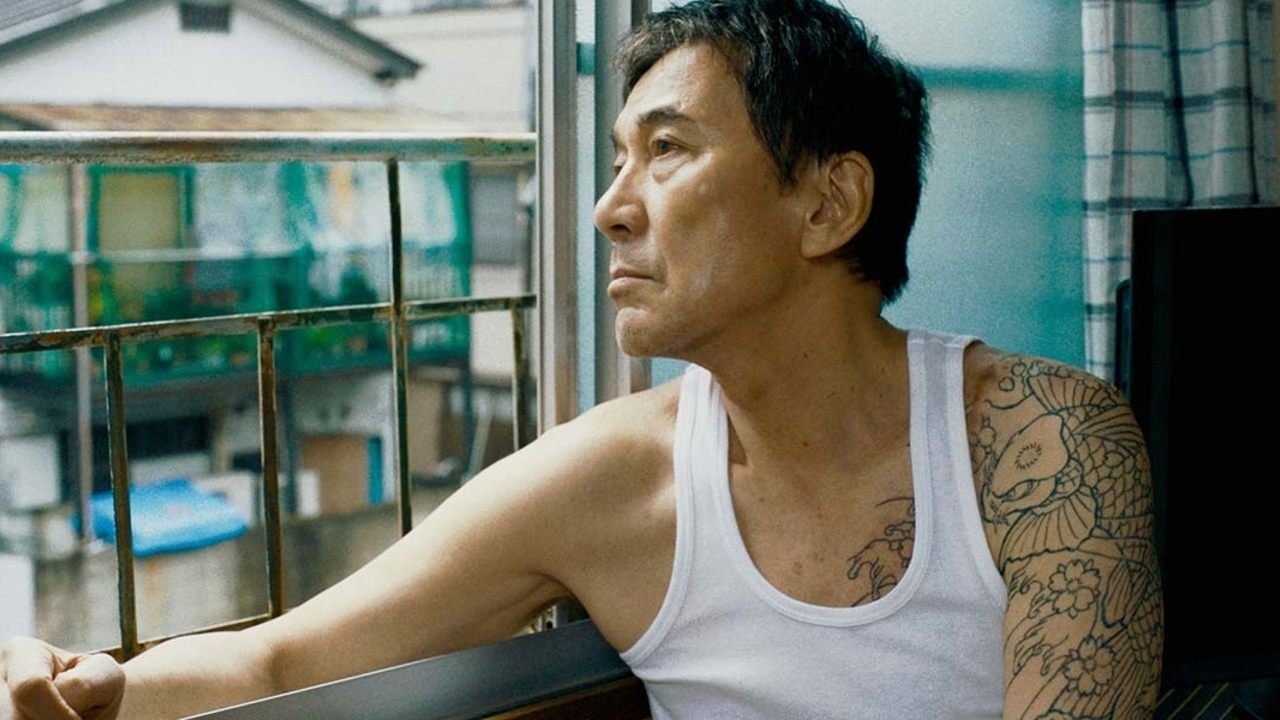
Under the Open Sky
2021 · Mikami Masao

The Blood of Wolves
2018 · Shogo Ogami
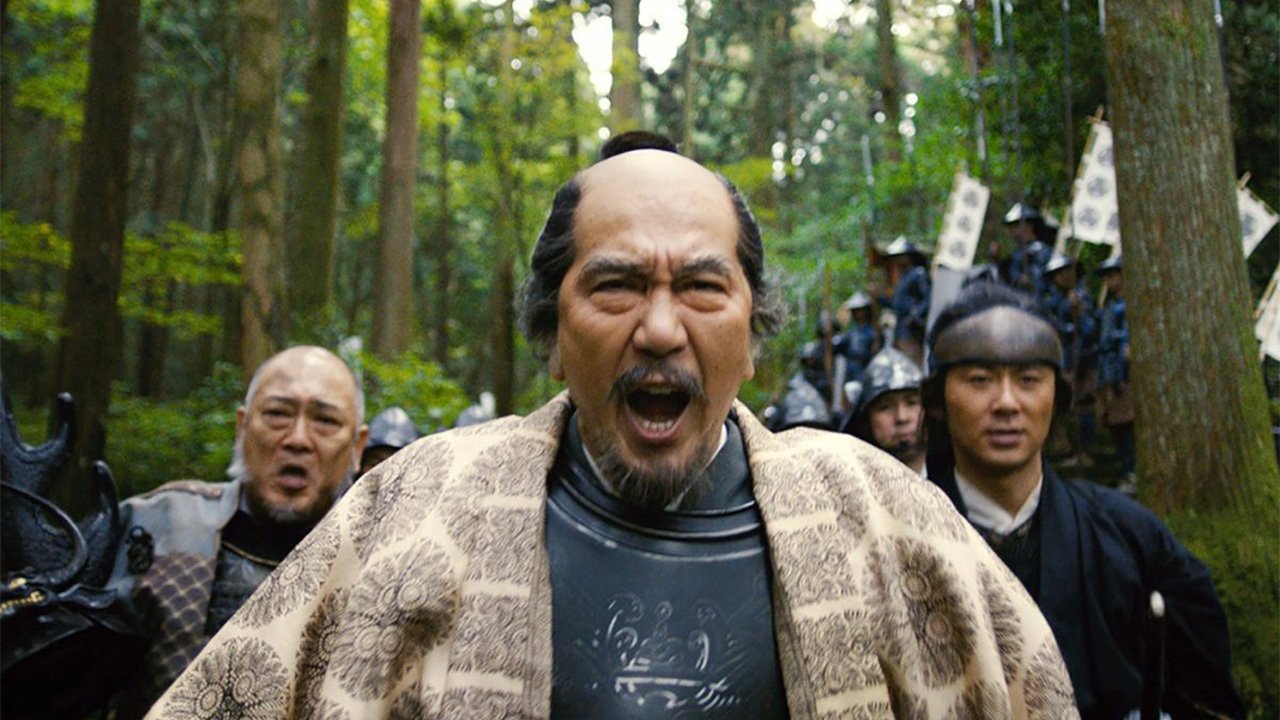
Sekigahara
2017 · Tokugawa Ieyasu
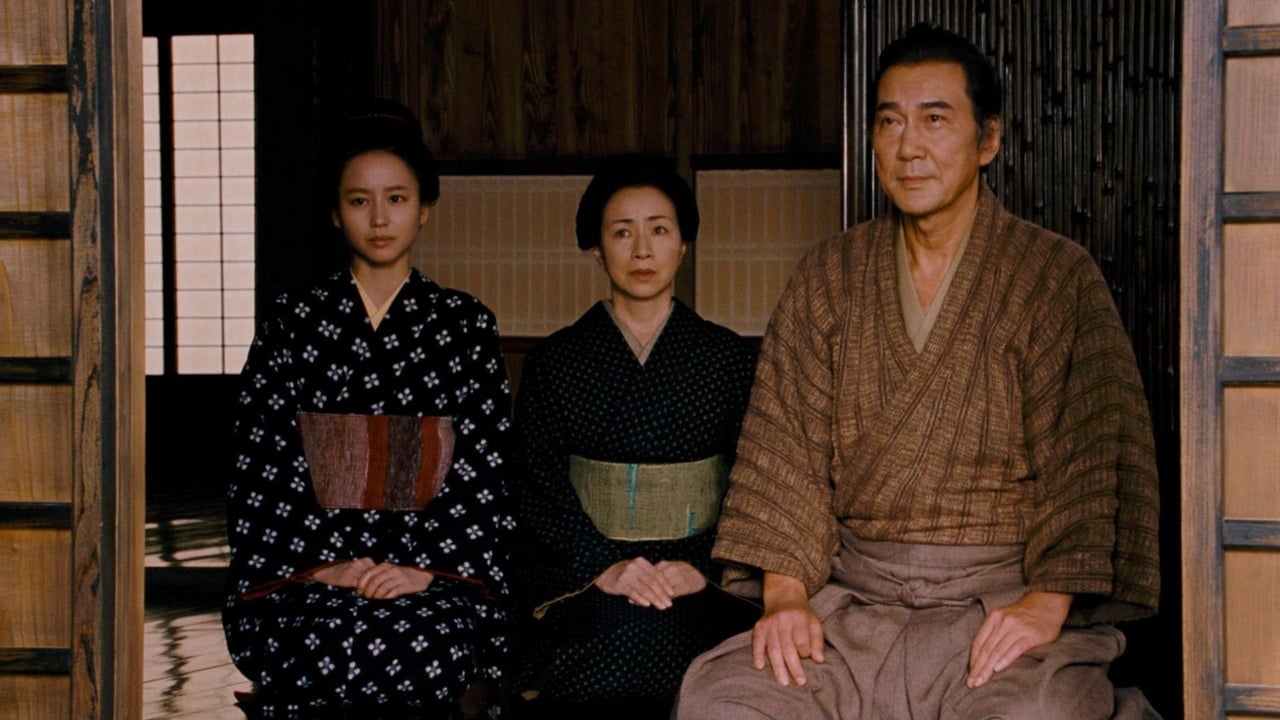
A Samurai Chronicle
2014 · Toda
Isoroku Yamamoto, the Commander-in-Chief of the Combined Fleet
2011 · Cast

Paco and the Magical Book
2008 · Onuki

Tokyo Sonata
2008 · Robber

Retribution
2007 · Noboru Yoshioka

Séance
2004 · Sato

University of Laughs
2004 · Mutsuo Sakisaka
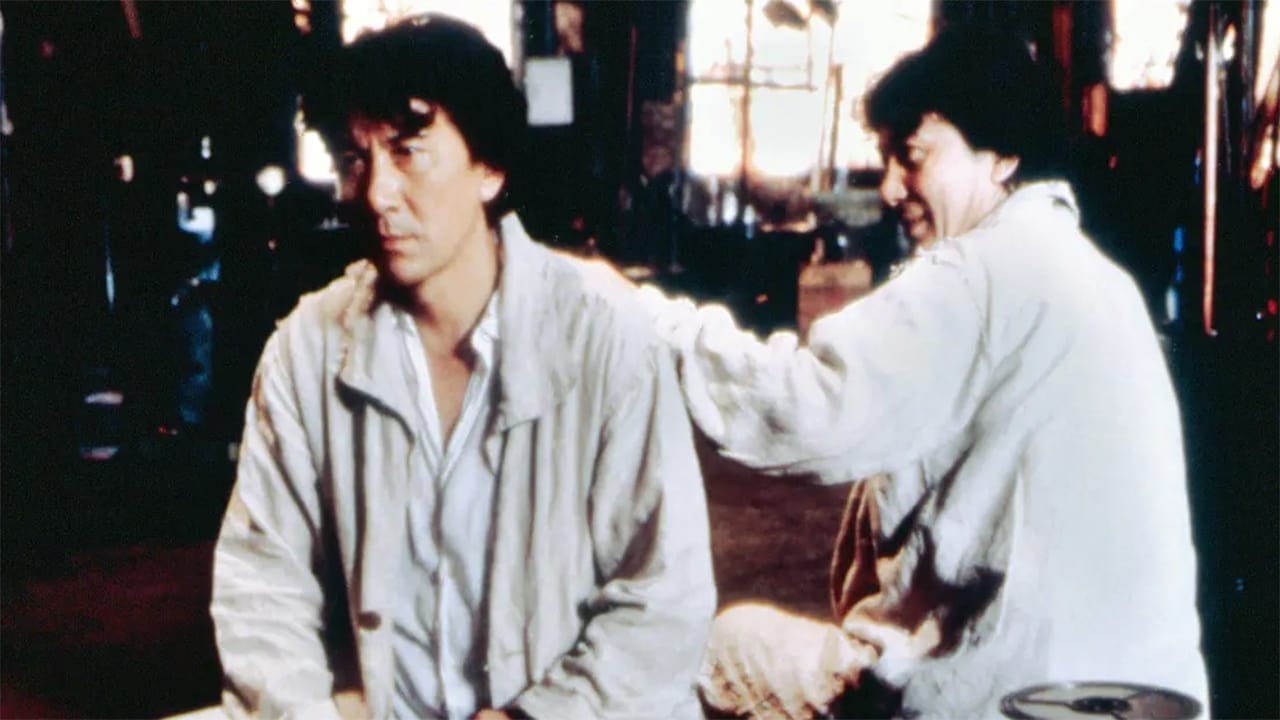
Doppelgänger
2003 · Michio Hayasaki
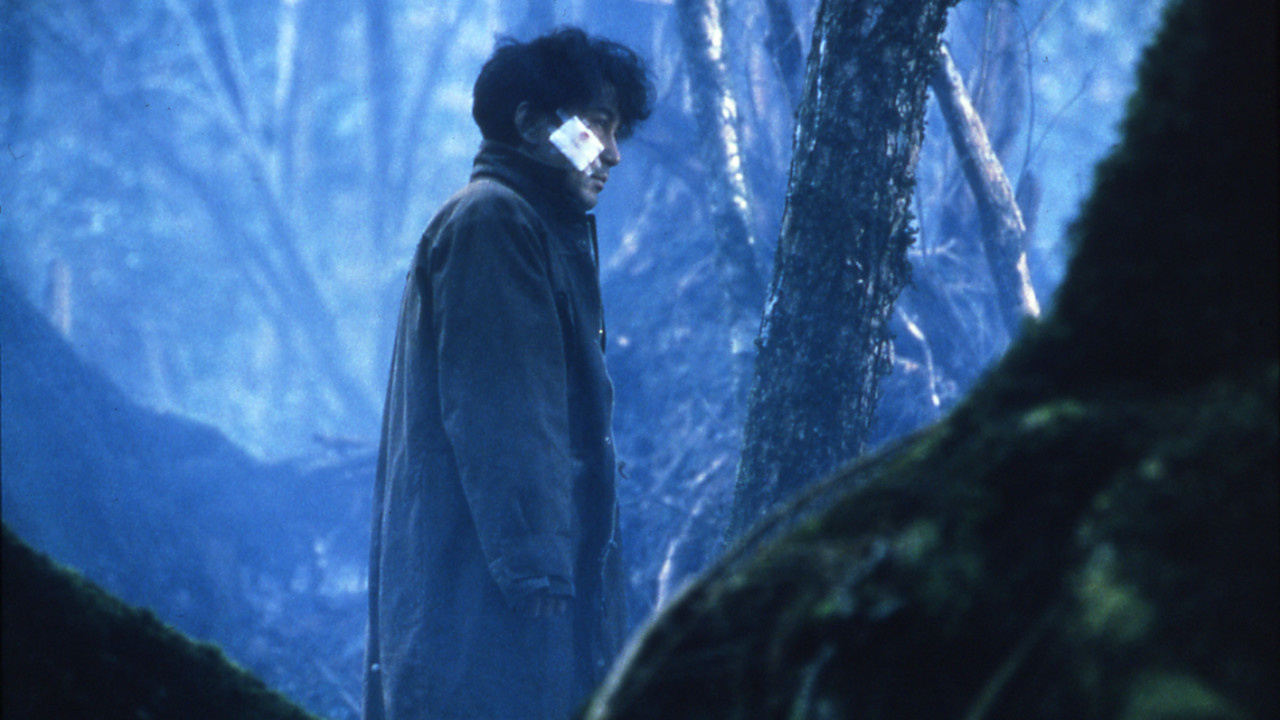
Charisma
1999 · Goro Yabuike
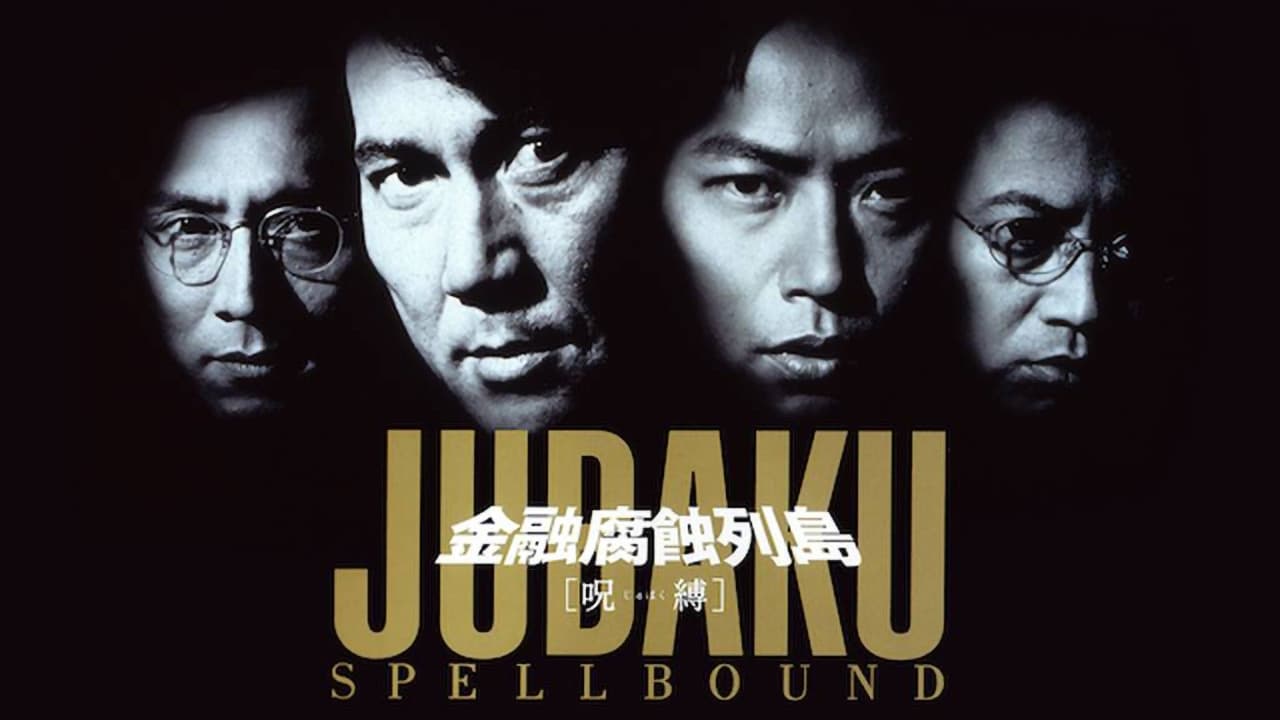
Jubaku: Spellbound
1999 · Hiroshi Kitano
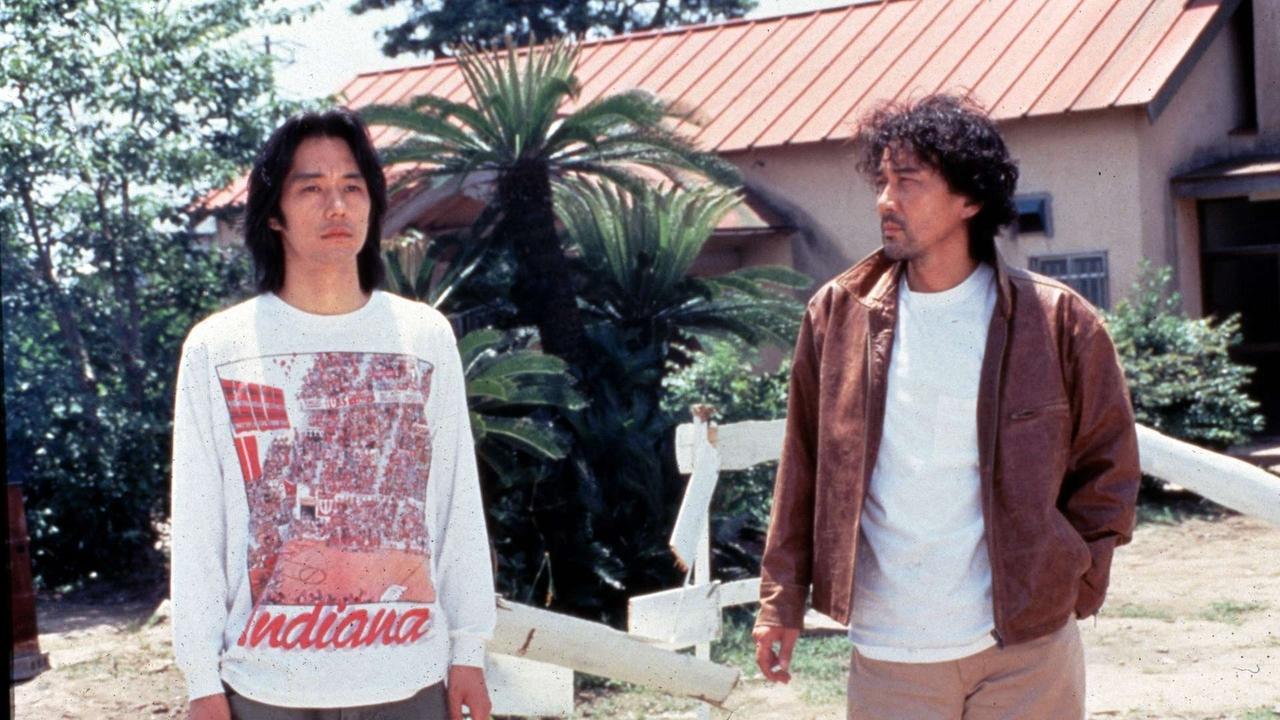
License to Live
1999 · Fujimori

Cure
1997 · Kenichi Takabe
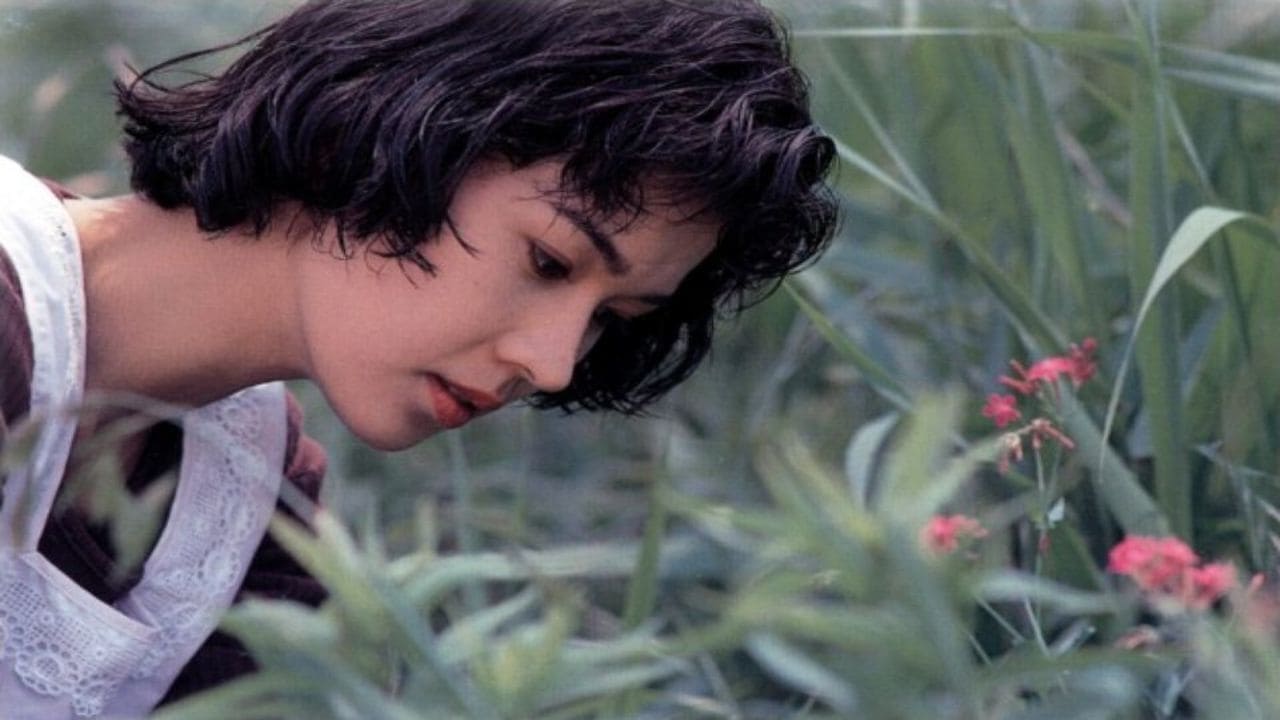
The Eel
1997 · Takuro Yamashita
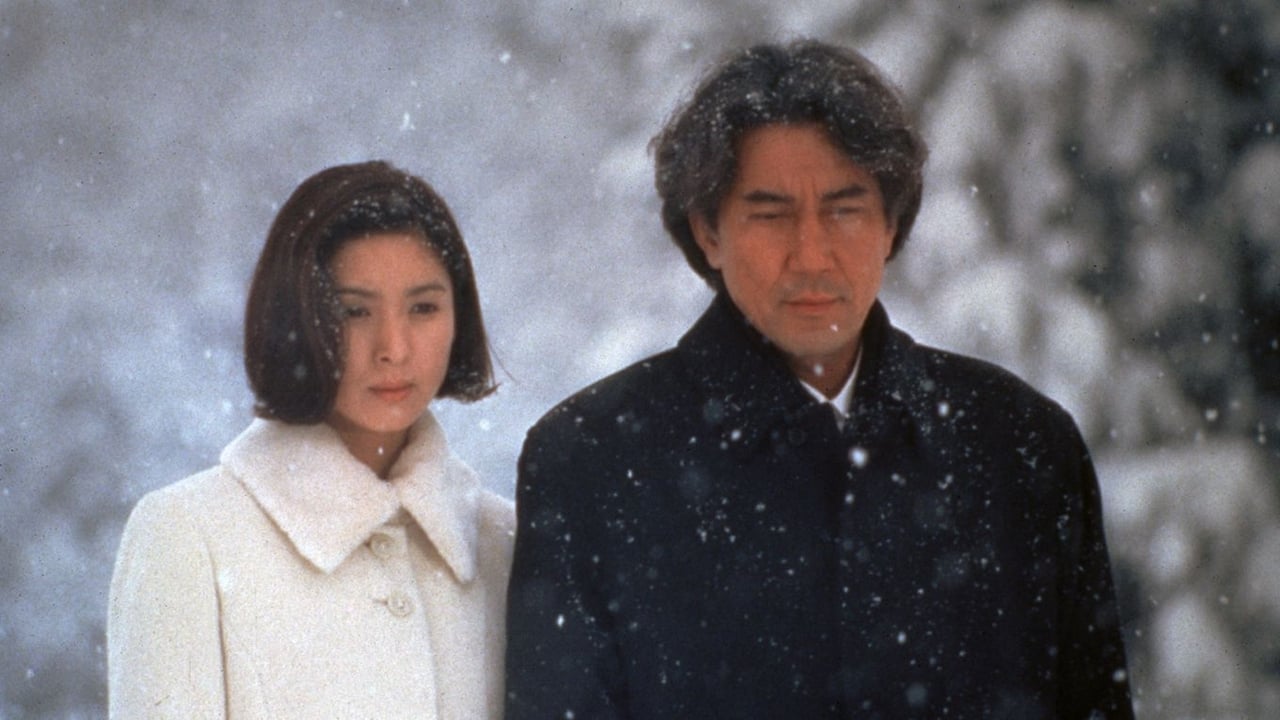
Lost Paradise
1997 · Shoichiro Kuki
Shall We Dance?
1996 · Shohei Sugiyama
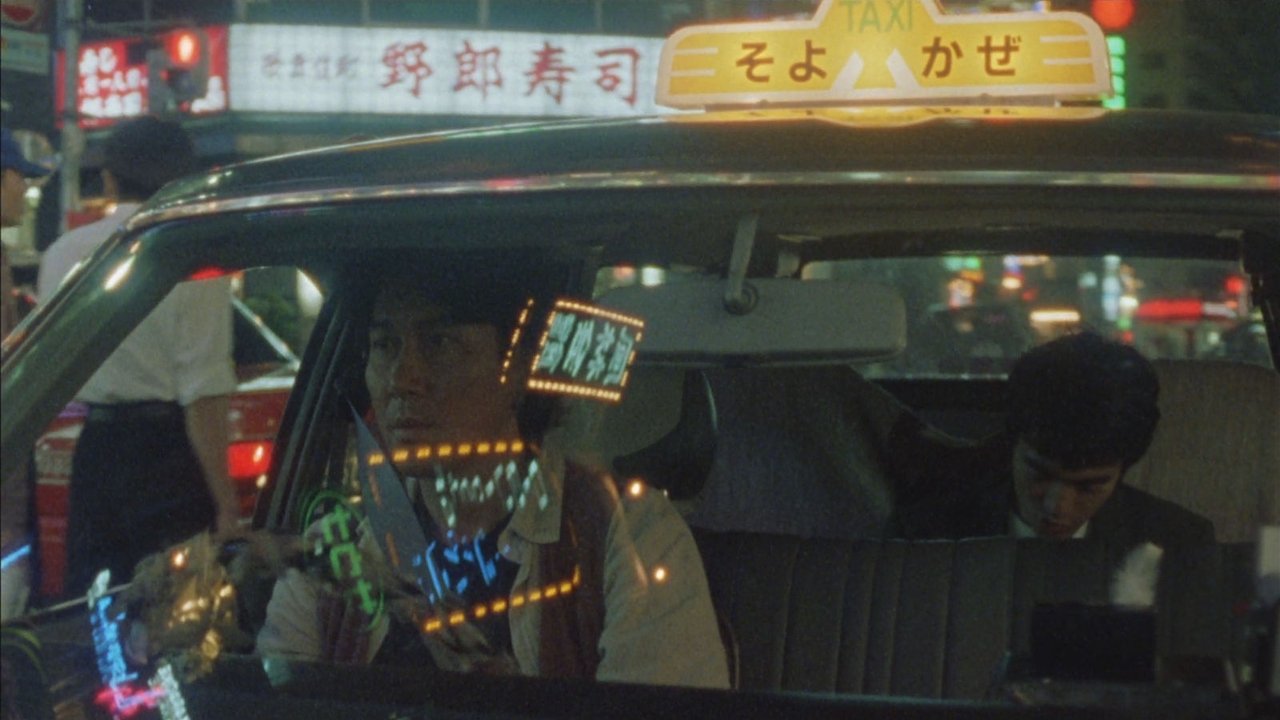
Kamikaze Taxi
1995 · Kazumasa Kantake

Tampopo
1985 · White Suit Man
Frequently asked questions
When and where was Koji Yakusho born?
Koji Yakusho was born 1956-01-01 in Isahaya, Japan.
What films is Koji Yakusho known for?
Koji Yakusho has 25 titles indexed on Movie OTT, including Scarlet: A Journey Through Vengeance and Destiny, Snowflowers: Seeds of Hope, Hakkenden.
Where can I watch Koji Yakusho's films?
6 of Koji Yakusho's films are currently streaming, available on Netflix, Netflix Standard with Ads, Apple TV Store, Fandango At Home.
How long has Koji Yakusho been active?
Koji Yakusho's film career on Movie OTT spans from 1985 to 2026 — 41 years of work.