







The story of The Pass: Last Days of the Samurai
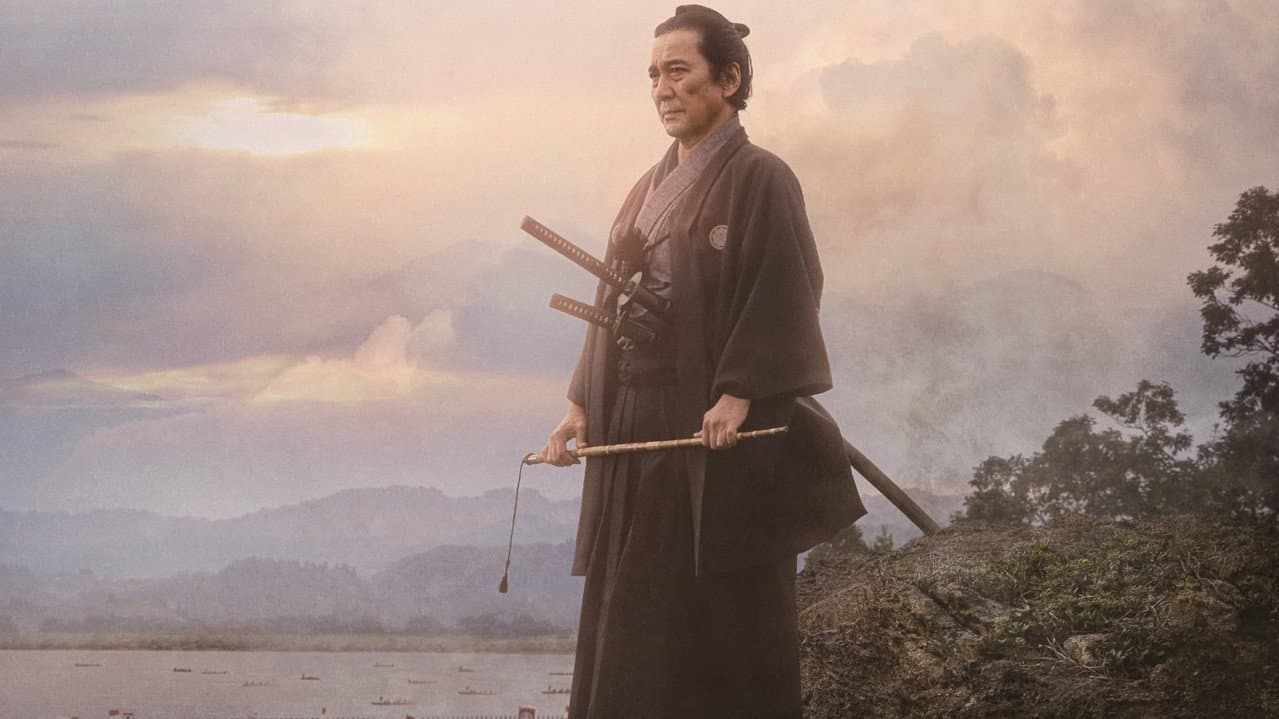
The Pass: Last Days of the Samurai tells the story of Kawai Tsugunosuke, a samurai serving the Makino clan of Nagaoka during one of Japan's most pivotal moments. The Edo period is crumbling. The old feudal order — the very foundation of samurai identity — is fracturing under pressure from modernization, foreign influence, and internal political upheaval. Tsugunosuke isn't your typical sword-wielding warrior consumed by honor codes. He's a man shaped by progressive ideas, someone who dreams of his estate remaining neutral during the Boshin Civil War, that brutal conflict that would ultimately reshape the nation. But dreams don't survive intact when you're bound to a clan. Loyalty and duty aren't abstract concepts in this world — they're chains, and they're tightening.
What makes this 114-minute drama compelling isn't just the historical setting or the inevitable sword clashes. It's the internal conflict. Tsugunosuke wants independence. He wants his people spared from the bloodshed consuming the country. Yet he's compelled to choose sides, to march his clan into a war he doesn't believe in. That contradiction — between what a man wants and what his position demands of him — is the real story here. It's not about samurai codes or chambara action sequences (though the film delivers those too). It's about a man watching his world end and being powerless to stop it.
Behind the making of The Pass: Last Days of the Samurai
The production of The Pass: Last Days of the Samurai reflects a serious commitment to the material. The film was backed by a consortium of major Japanese studios and broadcasters — Shochiku, Kinoshita Group, VAP, Asmik Ace, and dentsu among them — alongside regional broadcasters from Niigata and media partners like The Asahi Shimbun and Chunichi Shimbun. That's not a casual indie project. That's institutional backing, the kind of support reserved for films meant to say something about Japanese history and identity.
The 2022 release positioned it as part of a broader wave of jidaigeki (period drama) films exploring the end of feudalism, though it's worth noting that The Pass doesn't rely on star power or box-office spectacle to justify its existence. Instead, it earns its place through craft and historical specificity. The film received six award nominations, a respectable recognition for a regional drama that didn't necessarily have the marketing muscle of a studio tentpole. If you're tracking where to find serious Japanese cinema, Movie OTT aggregates streaming availability across platforms, making it easier to locate films like this one that might otherwise slip past casual viewers.
The production design and costume work reflect the period's aesthetic — the Boshin War era (1868–1869) is rendered with attention to detail that rewards viewers who know their Japanese history. The cinematography captures both the beauty and the bleakness of the Nagaoka region and the broader landscape of a nation in transition. It's not a flashy production, but it's a deliberate one.
What makes The Pass: Last Days of the Samurai stand out
Here's what's striking about this film: it refuses the temptation to make Tsugunosuke a hero in the conventional sense. He's not a warrior who transcends his circumstances through courage or cunning. He's trapped. And the film doesn't shy away from that trap — it sits with it, lets the audience feel the weight of impossible choices. That's genuinely rare in samurai cinema, which often gravitates toward mythologizing the warrior class rather than interrogating it.
The performances anchor the piece in something real and human. Without star names carrying the weight, the actors have to earn every moment of credibility, and they do. There's a weariness to the portrayal of samurai life here that you don't always see — not the romantic weariness of a warrior at the end of an era, but the exhausted pragmatism of a man trying to protect his people while the world burns around him. The sword fights, when they come, aren't choreographed for spectacle. They're brief, brutal, and tinged with regret.
What's also notable is how the film treats the Boshin War itself. It doesn't center the grand historical narrative. Instead, it focuses on how that war filters down to individual choice, individual suffering. The thing nobody mentions is that most jidaigeki films about this period emphasize the rise of the Meiji or the fall of the samurai as a class. The Pass does something subtler — it asks what it felt like to be caught in that transition, unable to stop it, unable to escape it, unable even to fully understand it while it was happening. I keep coming back to that tension because it's what elevates the film beyond period-drama convention.
The film's IMDb rating of 7.4 out of 10 (based on 121 votes) reflects a solid, if not explosive, reception — the kind of score that suggests viewers found it thoughtful and well-made, if perhaps not universally transcendent. That's fair. It's not trying to be transcendent. It's trying to be honest.
Where to stream The Pass: Last Days of the Samurai online
The Pass: Last Days of the Samurai is available on major OTT services, and the Where to Watch widget at the top of this page will show you exactly which platforms carry it in your region right now. Streaming availability shifts frequently, so checking that widget before you commit to watching is always the smart move. Movie OTT tracks current streaming availability across the major services, so you won't waste time hunting for a title that's moved to a different platform. If you're a fan of Japanese cinema or period dramas in general, it's worth adding to your watchlist — it's the kind of film that rewards a full, uninterrupted viewing rather than something to half-watch while scrolling.
Frequently asked questions
Q: Is The Pass: Last Days of the Samurai based on a true story?
The film draws from the historical Boshin War and the real struggle of clans during the collapse of the Edo period. Kawai Tsugunosuke and the Makino clan of Nagaoka are rooted in actual history, though the film dramatizes events and internal conflicts for narrative purposes. It's historical fiction grounded in real events, not a strict biographical account.
Q: What's the runtime, and is it a slow burn?
The film runs 114 minutes. It's a thoughtful, character-driven drama rather than an action-heavy spectacle, so pacing depends on your tolerance for introspection and political tension. If you enjoy films that take time to explore moral dilemmas, you'll find the runtime justified.
Q: Who directed The Pass: Last Days of the Samurai?
While the production involved major Japanese studios and broadcasters, the specific director's name isn't highlighted in the core verified information. What matters is that the film reflects serious institutional backing and careful craftsmanship across all departments.
Q: Does the film have English subtitles?
Availability of subtitles depends on the streaming platform carrying it. Check the Where to Watch widget to confirm subtitle options on your chosen service before starting.
Q: How does this compare to other samurai films?
The Pass stands apart by prioritizing internal conflict and historical specificity over sword-fighting spectacle. If you've seen Harakiri or Seppuku, you'll recognize the DNA — films that use the samurai genre to explore systemic tragedy rather than individual heroism. It's jidaigeki with a critical eye.
Final thoughts on The Pass: Last Days of the Samurai
The Pass: Last Days of the Samurai isn't a film designed to thrill or inspire in the traditional sense. It's designed to make you sit with the weight of historical change and personal powerlessness. That's not comfortable, but it's valuable — especially in a moment when samurai cinema often leans into nostalgia or myth. This film chooses honesty instead. If you're looking for serious Japanese period drama that doesn't compromise on character or historical depth, don't skip it. It's exactly the kind of film that deserves an audience willing to meet it on its own terms.