The story of Tezuka's Barbara
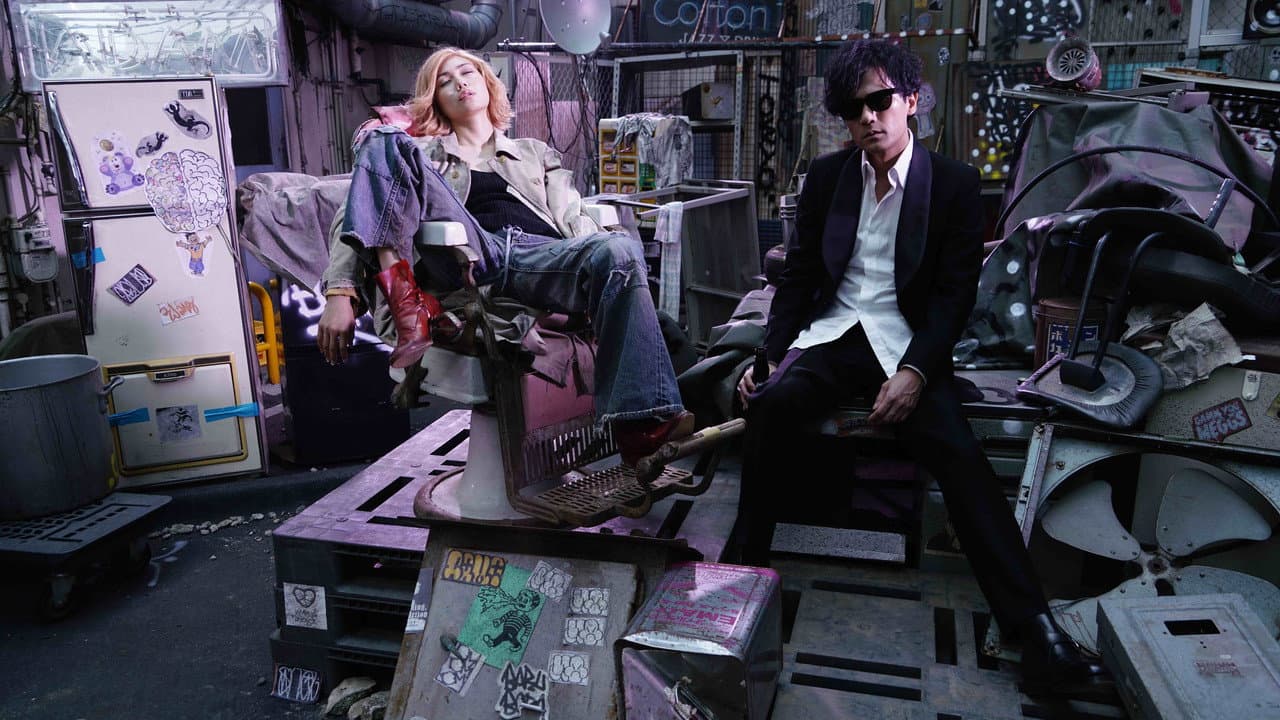
Tezuka's Barbara is an adult-oriented fantasy that spirals from a deceptively simple premise into something far stranger and more unsettling. The film follows Yosuke Mikura, a famous novelist whose carefully constructed life gets turned upside down when a mysterious woman named Barbara arrives—almost materializes—into his world. What unfolds isn't a conventional romance or thriller, but something closer to a fever dream filtered through occult symbolism and erotic tension. The narrative doesn't hold your hand. Instead, it asks you to surrender to its logic, to accept that in Barbara's presence, the boundaries between desire, reality, and something altogether more sinister begin to blur. Macoto Tezuka, grandson of manga legend Osamu Tezuka, brings his grandfather's reimagining of The Tales of Hoffmann to the screen with an aesthetic sensibility that feels both deeply personal and deliberately challenging.
Behind the making of Tezuka's Barbara
Tezuka's Barbara arrived in 2020 as a passion project that brought together an international creative team determined to honor Osamu Tezuka's original work while pushing it into new territory. The production involved Third Window Films, Rapid Eye Movies, the Barbara Film Committee, and multiple creative partners across Tezuka Productions, each contributing to what became a genuinely distinctive piece of cinema. What's most striking about the film's DNA is the involvement of cinematographer Christopher Doyle—the legendary DP who's shot for Wong Kar-wai and Gus Van Sant. Doyle's visual language transforms every frame into something painterly, almost hallucinogenic, which serves the material's erotic and occult dimensions in ways that feel intentional rather than incidental. The film runs 100 minutes, a runtime that allows the narrative to breathe without overstaying its welcome, though the pacing itself becomes part of the unsettling effect. While Tezuka's Barbara didn't dominate box-office charts, it garnered two wins and three nominations at various film festivals, signaling that despite its modest footprint, the film found its audience among cinephiles and manga devotees willing to engage with its uncompromising vision. The picture carries an IMDb rating of 5.7 out of 10 from 289 votes—a score that reflects the film's polarizing nature, something that often happens when a work refuses easy categorization.
What makes Tezuka's Barbara stand out visually and thematically
What's striking is how the film operates on multiple registers at once without ever feeling confused about its own identity. The performances anchor the narrative in genuine emotional stakes—the actors commit fully to scenes that could easily veer into self-parody, which prevents the film from becoming merely arch or precious. Macoto Tezuka's directorial choices suggest someone wrestling with his grandfather's legacy in real time, trying to find a cinematic language that honors the manga's sensuality while adding layers of psychological complexity that only cinema can provide. The occult elements aren't window dressing; they're structural—they're how the film explores desire, obsession, and the ways we construct narratives about ourselves. There's a particular scene where Barbara moves through a room and the camera doesn't quite follow her in the expected way, creating a sense of vertigo that works because Doyle's cinematography has already established a visual grammar we think we understand, then subtly breaks it. That's the film in microcosm: it sets expectations and then doesn't quite meet them, not out of incompetence but out of deliberate artistic choice. The mystery at the film's center—who is Barbara, really, and what does she want?—can't be solved through conventional detective work. Instead, the film suggests that some questions are more interesting unanswered, that the not-knowing is where the real power lies. I keep coming back to how the film trusts its audience to sit with ambiguity, to resist the urge to close the loop.
Where to stream Tezuka's Barbara online
Tezuka's Barbara is available across major OTT services, making it accessible to viewers hunting for something genuinely different from mainstream streaming fare. You can check the Where to Watch widget at the top of this page for the most current platform availability in your region. Movie OTT tracks streaming locations across services in real time, so if you're trying to figure out whether it's on your subscription or available for rental, that widget will give you the answer without the guesswork. The film's niche status means it won't be the first title you see on any platform's homepage, but that's almost fitting—it's the kind of movie you have to actually seek out, which feels right for a work this deliberately obscure. If you're serious about exploring manga adaptations and experimental cinema on streaming, you'll want to add this to your watchlist.
Frequently asked questions
Q: Is Tezuka's Barbara based on a true story?
No, it's based on manga created by Osamu Tezuka, the legendary manga pioneer. The film is Macoto Tezuka's adaptation of his grandfather's reimagining of The Tales of Hoffmann, so it's rooted in literary and manga tradition rather than real events.
Q: Who directed Tezuka's Barbara?
Macoto Tezuka directed the film, bringing his own artistic vision to his grandfather's source material. The cinematography is by Christopher Doyle, the acclaimed DP known for his work with Wong Kar-wai and other visionary directors.
Q: What's the runtime of Tezuka's Barbara?
The film runs 100 minutes, which gives it enough space to develop its dreamlike narrative without feeling bloated or artificially stretched.
Q: Why is Tezuka's Barbara rated 5.7 on IMDb?
The film is deliberately challenging and doesn't follow conventional narrative or genre rules, which tends to polarize audiences. Some viewers find its ambiguity and visual experimentation compelling; others find it frustrating. That divided response is reflected in the rating.
Q: Where can I watch Tezuka's Barbara?
The film is currently available on major OTT streaming services. Check the Where to Watch widget at the top of this page for the specific platforms and rental/subscription options available in your region.
Final thoughts on Tezuka's Barbara
Tezuka's Barbara isn't a film for everyone, and it doesn't pretend to be. It's for viewers who want to be unsettled, who can sit with mystery and ambiguity, who appreciate visual cinema and aren't afraid of slow-burn storytelling. The film rewards patience and repeated viewing—details click into place on a second watch that felt cryptic the first time through. If you've been looking for something that takes manga adaptation seriously as an art form, that treats its source material with respect while also pushing it somewhere new, then this is worth your time. Don't go in expecting conventional narrative satisfaction. Go in ready to surrender to Macoto Tezuka's vision and Christopher Doyle's intoxicating imagery. That's where the real pleasure lives.