


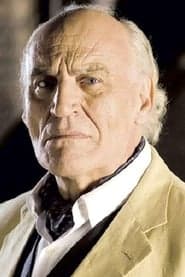
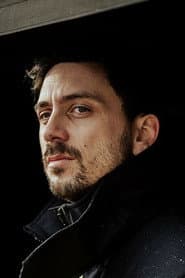
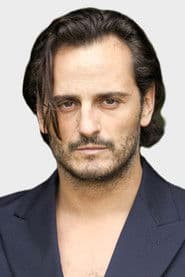


Unveiling the Heroism in The Angel of Budapest: A True Story
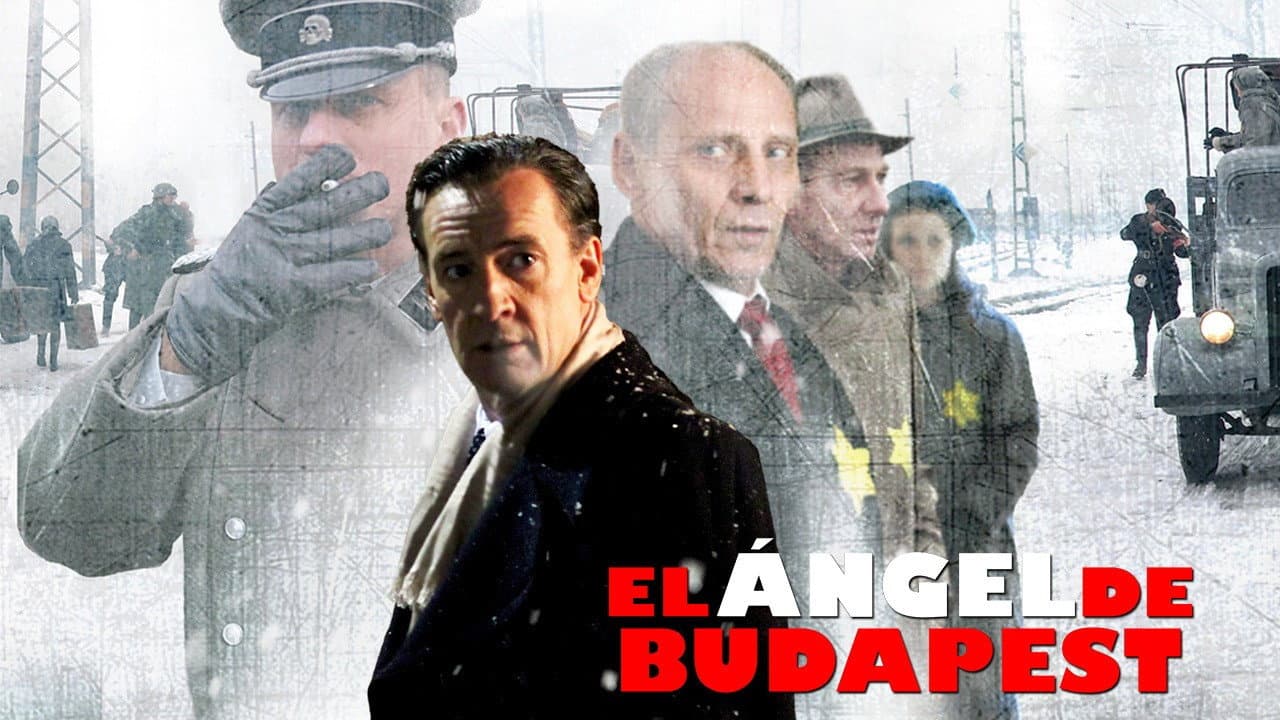
The Angel of Budapest, a compelling 2011 Spanish television film, plunges viewers into the heart of World War II's darkest hours, focusing on the remarkable true story of Ángel Sanz Briz. This 109-minute war drama, produced by DLO Producciones, introduces us to Sanz Briz, a Spanish ambassador stationed in Budapest, Hungary, in 1944. As the Holocaust escalated, threatening the lives of thousands of Jewish people, Sanz Briz embarked on a daring and dangerous mission. His courageous actions, detailed in journalist Diego Carcedo's book "Un español frente al Holocausto," involved creating a network of Spanish safe houses and issuing protective passports to shield countless individuals from Nazi persecution. It's a story of extraordinary moral courage against unimaginable evil.
Bringing History to the Screen: The Production of The Angel of Budapest
The production of The Angel of Budapest in 2011, while originally conceived as a Spanish television miniseries, skillfully condensed its powerful narrative into a 109-minute film, ensuring its crucial message reached a broader, international audience. DLO Producciones took on the ambitious and sensitive task of adapting Diego Carcedo's meticulously researched book, "Un español frente al Holocausto." This wasn't merely another war drama; it was a dedicated effort to shine a much-needed light on a largely unsung hero, Ángel Sanz Briz, whose immense contributions during the Holocaust weren't widely celebrated. Crafting a film from such profound historical material always presents unique challenges, particularly in balancing factual accuracy with compelling storytelling. The filmmakers here had to navigate the delicate line between depicting the horrors of the era and focusing on the beacon of hope Sanz Briz represented, all within a constrained runtime. The film's 109 minutes feel precisely calibrated, allowing for a deep dive into the diplomatic complexities and the sheer human drama without ever feeling rushed or overstuffed. It's a testament to the production team that they managed to capture such a vast historical canvas—the escalating persecution, the bureaucratic hurdles, the desperate pleas for help—within its relatively tight structure. While The Angel of Budapest might not have garnered major international awards like some blockbuster productions, its respectable IMDb rating of 6.2/10 reflects a solid, creditable effort, especially for a made-for-television production. Honestly, translating such a sensitive and historically significant event requires incredible care, and the team behind The Angel of Budapest clearly understood the weight of their responsibility. They weren't just making a movie; they were preserving a legacy, making sure that Sanz Briz's actions wouldn't be forgotten.
The Enduring Impact and Critical Reception of The Angel of Budapest
What makes The Angel of Budapest resonate so powerfully is its unflinching yet dignified portrayal of everyday heroism in the face of genocide. The film wisely avoids grandstanding or sensationalism, instead focusing on the quiet, determined actions of one man who chose humanity over the rigid, often terrifying, dictates of his time. I keep coming back to a particular scene early on—perhaps where Sanz Briz, armed only with diplomatic papers and sheer will, first confronts an SS officer at the gates of a "protected" house. His calm, almost bureaucratic resolve stands in stark contrast to the officer's menace, a moment that perfectly encapsulates the film's central tension and its profound theme: the incredible power of individual will against systemic evil. The performances, though not by internationally recognized stars, are earnest and grounded, lending a palpable authenticity to the dire circumstances of 1944 Budapest. Critics, while acknowledging its television origins and perhaps a more modest budget than Hollywood counterparts, generally praised the film's strong historical foundation and its undeniable emotional punch. As one reviewer noted for a Spanish publication, "It's a stark reminder that even in the darkest times, courage can flicker, and sometimes, that's enough to save lives, thousands of them." The film doesn't shy away from the horrific realities of the Holocaust, showing glimpses of the terror and despair, but it balances this with the inspiring narrative of diplomatic resistance and the ingenuity required to save lives. The direction, while not overtly flashy, effectively builds a pervasive sense of dread and urgency, expertly transporting viewers to a Budapest teetering on the brink of unimaginable destruction. It’s a story that truly needed telling, and one that Movie OTT believes deserves wider recognition.
Discovering Where to Stream The Angel of Budapest Online
For those eager to witness this incredible true story, The Angel of Budapest is readily available on major OTT services. We understand that finding where a specific film is streaming can be a challenge — a real headache, sometimes. But fear not! You'll find a comprehensive list of all current platforms hosting this powerful war drama right at the top of this very page, in our "Where to Watch" widget. Movie OTT consistently tracks streaming availability to ensure you're always up-to-date on where your favorite films, like The Angel of Budapest, are accessible. Whether you prefer subscription services or rental options, the widget has you covered, making it simple to find your preferred viewing method. It’s always satisfying when a film of such historical significance is so easy to access.
Frequently asked questions
Q: Where can I watch The Angel of Budapest?
The Angel of Budapest is currently available on major OTT services. You can find a complete, up-to-date list of all platforms hosting the film in the "Where to Watch" widget at the top of this page on Movie OTT.
Q: Is The Angel of Budapest based on a true story?
Yes, absolutely. The film is based on the real-life actions of Spanish ambassador Ángel Sanz Briz in Budapest during World War II, as chronicled in Diego Carcedo's book "Un español frente al Holocausto." He saved thousands of Jews from the Holocaust.
Q: Who was Ángel Sanz Briz?
Ángel Sanz Briz was a Spanish diplomat who served as an ambassador in Hungary during World War II. He is known for his heroic efforts in saving approximately 5,000 Jews from persecution by issuing them Spanish protective passports and lodging them in safe houses.
Q: What genres does The Angel of Budapest fall under?
The Angel of Budapest is primarily categorized as a War and Drama film. It blends intense historical events with profound human stories and moral dilemmas.
Q: What is the runtime of The Angel of Budapest?
The film has a runtime of 109 minutes. This allows it to tell a substantial, impactful story without being overly long.
Why The Angel of Budapest is a Must-Watch Historical Drama
If you're drawn to stories of extraordinary human courage and moral conviction against overwhelming odds, then The Angel of Budapest is an absolute must-watch. It's a poignant reminder of the power of diplomacy and individual bravery in the face of unimaginable atrocities. The film serves not just as entertainment, but as an important historical document, bringing a lesser-known hero to the forefront. For anyone interested in World War II history, the Holocaust, or simply powerful human dramas, you'll find this 2011 production deeply moving and inspiring. Don't miss it.