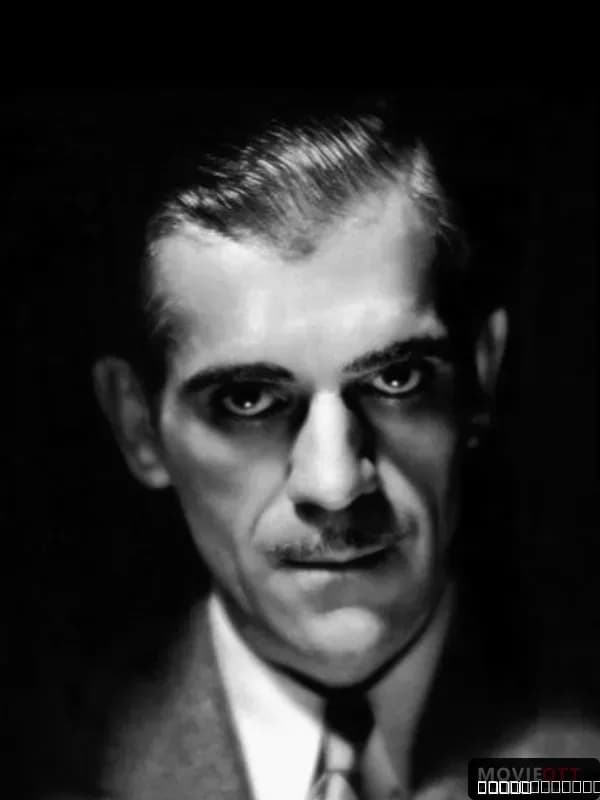
What The Ape Is Really About
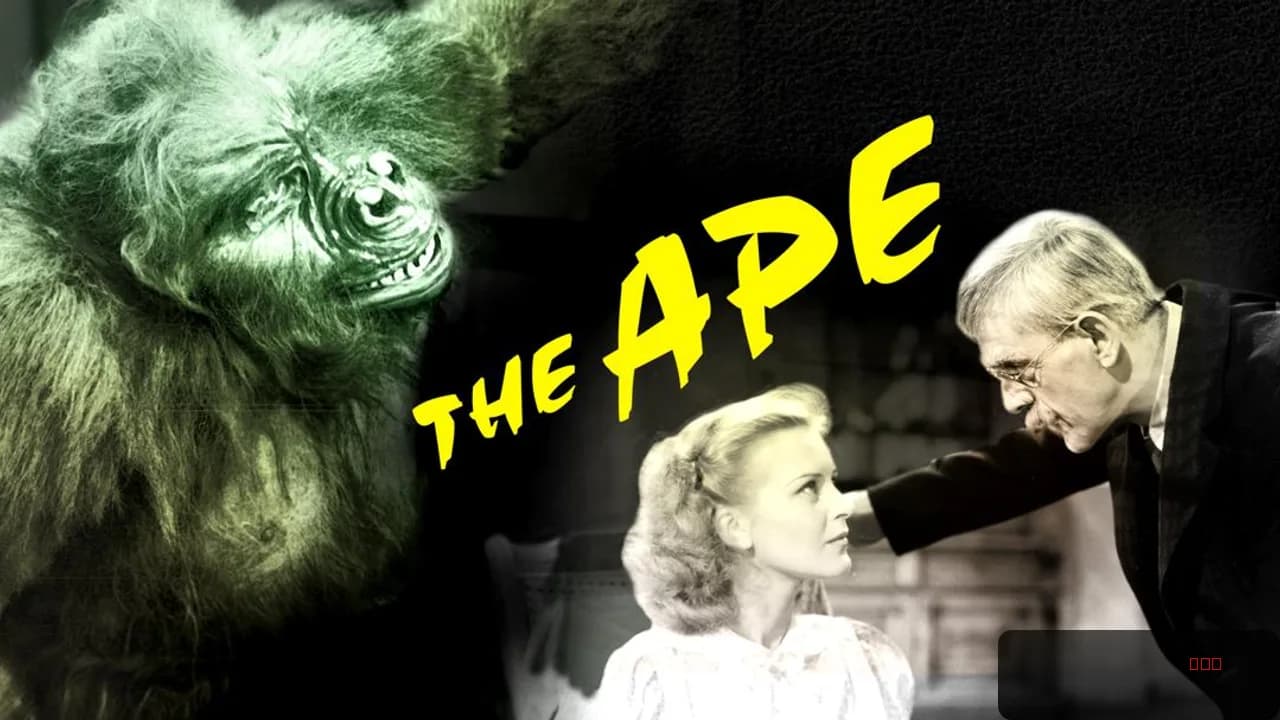
The Ape isn't your typical mad-scientist story, even though it starts like one. Director William Nigh's 1940 film opens with Dr. Bernard Adrian desperately trying to cure a young woman's polio using experimental spinal-fluid treatments. It's a premise rooted in genuine medical tragedy—polio was a real terror in the 1930s and '40s—which gives the film's opening act an almost tragic urgency. But then a circus ape escapes, tears through the town terrorizing locals, and breaks into Adrian's laboratory. What happens next is the kind of plot twist that feels genuinely unhinged: the ape destroys Adrian's precious spinal-fluid supply in the chaos, and rather than accept defeat, Adrian makes a choice that sends the film spinning into genuine body-horror territory. He skins the dead ape and uses its hide as a disguise to hunt for more victims.
Behind the Making of The Ape
The Ape wasn't born in a vacuum. Director William Nigh had actually adapted the same source material—Adam Hull Shirk's stage play—six years earlier as The House of Mystery in 1934, so by 1940 he knew the material inside and out. This wasn't a prestige production by any measure. The film runs a brisk 59 minutes, which was standard for B-horror output during Hollywood's Golden Age, and it was made on a modest budget designed to fill out double features at neighborhood theaters. Yet Nigh assembled a cast anchored by Boris Karloff, who was already a horror icon thanks to Frankenstein (1931) and The Mummy (1932). Karloff's presence—even in a low-budget picture—lent the film a certain gravitas and audience draw that smaller studios couldn't otherwise afford. The supporting cast included Maris Wrixon, Gene O'Donnell, Dorothy Vaughan, Henry Hall, Selmer Jackson, and Gertrude Hoffmann, all solid character players of the era. The film didn't make waves at the box office, and it's never been celebrated by awards bodies, but it found its audience in revival screenings and late-night horror marathons. Movie OTT tracks where titles like this one are currently streaming, making these forgotten corners of cinema history easier to rediscover.
Why The Ape Still Unsettles, Even Now
What's striking is how the film refuses to wink at its own premise. Karloff doesn't play Adrian as a cartoon villain—there's a genuine pathos in his desperation to save his patient, and that makes his descent into murderous madness feel earned rather than arbitrary. The moment he decides to wear the ape's skin isn't played for laughs; it's treated with a kind of grim inevitability, as if Adrian's obsession has finally burned away his last moral boundary. The film doesn't have the technical polish of Universal's bigger horror productions, and the ape suit itself—well, it looks like what it is, a man in a costume. But that actually works in the film's favor. There's something more unsettling about a low-budget, matter-of-fact approach to grotesque body horror than there would be in a slick, well-lit version. You're watching a respected actor commit to one of cinema's stranger premises without apology. Karloff's performance carries the weight here; he's playing a man whose intelligence and desperation have become indistinguishable from madness, and you believe it because he commits fully to the role's logic, no matter how twisted that logic becomes.
The film also works as an early example of science-fiction horror that takes its medical premise seriously. Adrian isn't seeking immortality or power for its own sake—he's trying to cure disease, which makes his methods feel like a cautionary tale about the dangers of unchecked ambition in the name of progress. It's a theme that would echo through decades of horror and sci-fi cinema, but The Ape gets there early and doesn't soften the edges. The pacing is relentless, too. Nigh doesn't waste a second of that 59-minute runtime, which means the film moves from setup to escalation to climax without ever letting you catch your breath. Some critics have dismissed it as forgettable, but I'd argue that's because it doesn't fit neatly into any single genre box—it's horror, it's sci-fi, it's a crime thriller, and it's a tragedy all at once.
Where to Stream The Ape Online
If you're looking to track down The Ape, you can find it on Prime Video, where it's currently available for streaming. The platform has become a solid home for classic and B-list horror films, and this 1940 oddity sits comfortably alongside other vintage genre fare. Check the Where-to-Watch widget at the top of this page to confirm current availability in your region, as streaming rights can shift. Movie OTT keeps tabs on where these titles land, so you don't have to hunt across five different services to find what you're looking for.
Frequently Asked Questions
Q: Who directed The Ape and what else has he made?
William Nigh directed The Ape in 1940. He was a prolific director of the era who actually adapted the same source material once before, making The House of Mystery in 1934. Nigh worked across multiple genres and was known for his efficient, no-nonsense approach to filmmaking.
Q: Is The Ape based on a true story?
No, The Ape is based on Adam Hull Shirk's stage play of the same name. While polio was a real medical crisis of the era, Adrian's story and his descent into madness are fictional. Nigh had already adapted the play once before in 1934.
Q: What's the plot of The Ape, and does it have spoilers I should know?
The film follows Dr. Adrian as he tries to cure a patient's polio using spinal-fluid treatments. When a circus ape destroys his supply, Adrian makes a dark choice to continue his work—but we'll leave it at that. The central twist is best experienced firsthand.
Q: Where can I watch The Ape right now?
The Ape is currently available on Prime Video. Use the Where-to-Watch widget on this page to check availability in your region and confirm the current streaming status.
Q: What's the runtime and rating of The Ape?
The Ape runs 59 minutes, which was typical for B-horror films of the 1940s. It's rated 4.7 out of 10 on IMDb, though critical opinion on older horror films can vary widely depending on whether you're evaluating it by modern standards or by the conventions of its own era.
Final Thoughts on The Ape
The Ape deserves better than its reputation suggests. Yes, it's a low-budget 1940 horror film with obvious technical limitations and a premise that sounds ridiculous on paper. But Boris Karloff's committed performance and William Nigh's refusal to treat the material as camp give it a strange, lingering power. It's the kind of forgotten film that rewards rediscovery—especially if you're interested in how horror cinema grappled with medical anxiety and scientific ethics long before modern biotech became a mainstream concern. If you're a genre enthusiast or a Karloff completist, it's worth your time.