

Discovering Fortune in the Desert: The Ballad of Cable Hogue's Story
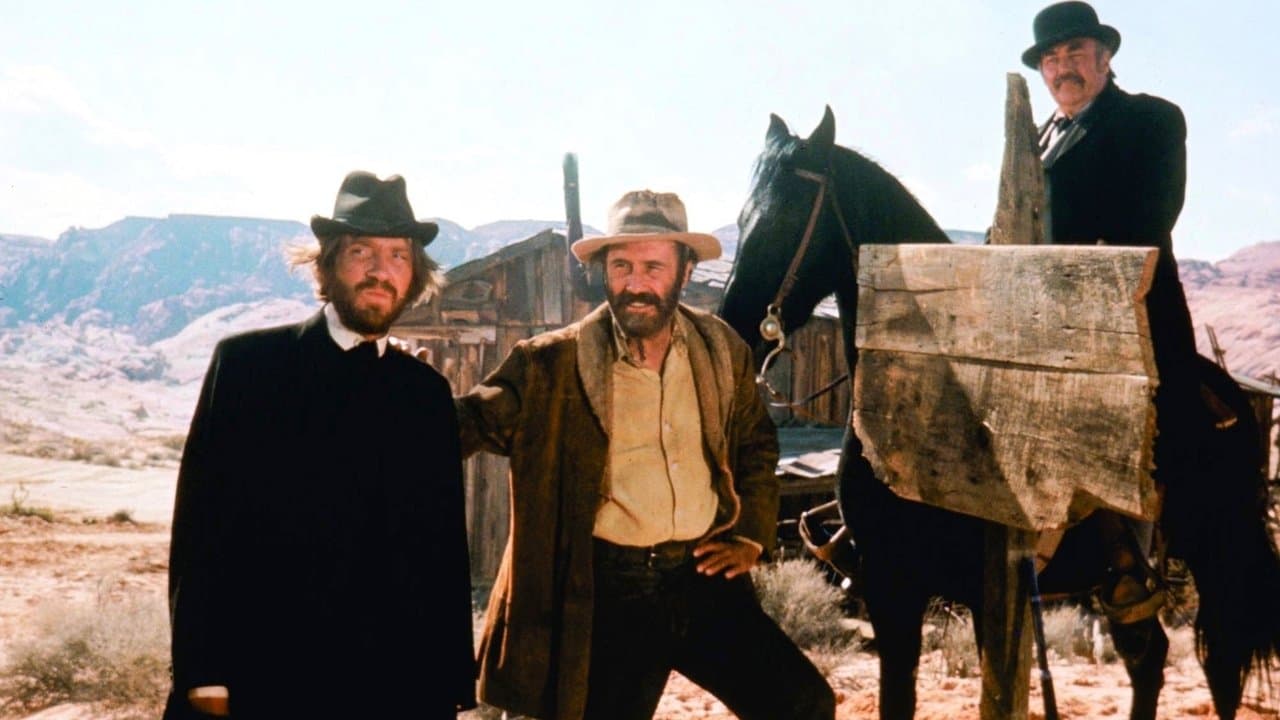
The Ballad of Cable Hogue introduces us to its titular character, a down-on-his-luck prospector, Cable Hogue, who finds himself in an utterly desperate situation. Double-crossed and left for dead in the harsh Arizona desert, without a drop of water, his prospects seem bleak. Just when all hope appears lost, fate intervenes in the most unexpected way: he stumbles upon a natural spring. A perfect, much-needed oasis. This isn't just any water source; it's strategically located along a major stagecoach line, a crucial rest stop in the vast, unforgiving landscape. Cable, a man of ingenuity and survival instinct, seizes this opportunity. He decides to build a makeshift rest stop, transforming his improbable discovery into a thriving business. Soon, a spirited prostitute named Hildy from the nearest town joins him, adding another layer to his unconventional life. His unique enterprise flourishes, providing him with a sense of purpose and prosperity he hadn't known before.
Behind the Scenes of The Ballad of Cable Hogue: Peckinpah's Vision
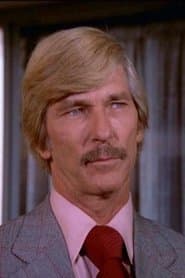
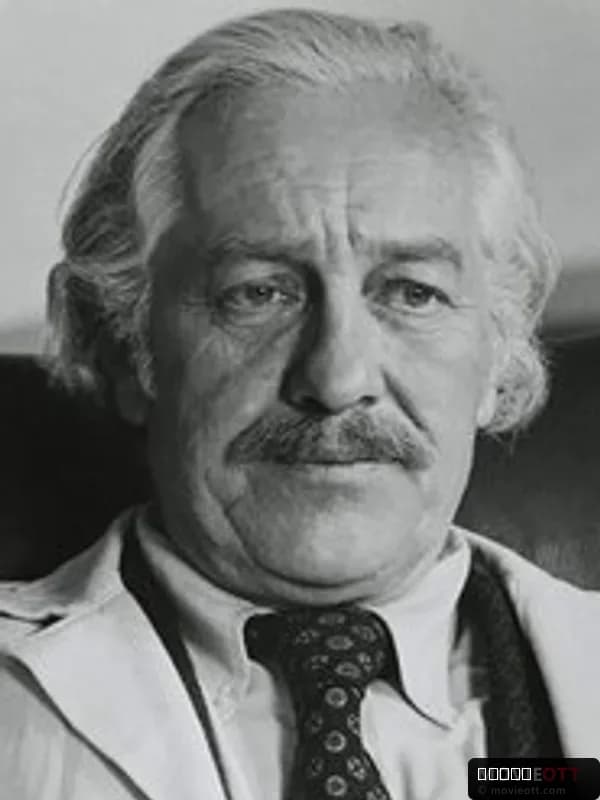
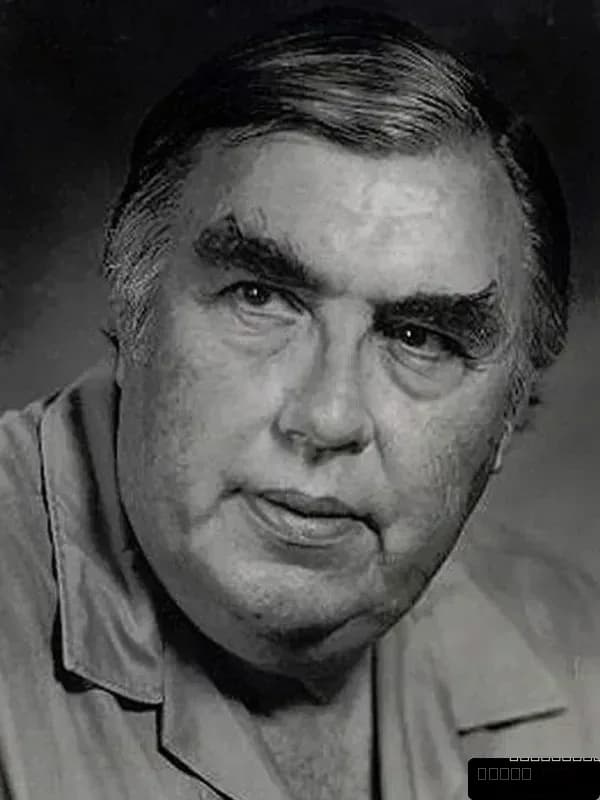
The Ballad of Cable Hogue emerged in 1970 as a Warner Bros. Pictures production, marking a distinctive turn for its acclaimed director and producer, Sam Peckinpah. Known for his often brutal and violent Westerns, Peckinpah here presented a surprisingly gentle, almost elegiac vision of the American West. The film, clocking in at 121 minutes, masterfully blends elements of Comedy, Western, and Action, a genre mix that wasn't typical for the era. At its heart, the film is anchored by a superb cast, with Jason Robards delivering a memorable performance as the resilient Cable Hogue. Robards, a seasoned actor, perfectly embodies the character's blend of grit, humor, and vulnerability. He's joined by Stella Stevens as the quick-witted Hildy, whose dynamic with Cable forms much of the film's emotional core, and David Warner, who often played unconventional roles, rounds out the main trio. The film's setting, the Arizona desert, isn't just a backdrop; it's a character in itself, emphasizing the vastness and the isolation of the closing frontier (a theme Peckinpah often explored). Movie OTT often highlights how directors like Peckinpah could subvert audience expectations, and this film is a prime example. Its 7/10 IMDb rating reflects a solid critical and audience appreciation for its unique narrative and stylistic choices, proving that even a master of violence could craft a tender, character-driven story when he wanted to.
The Enduring Charm of The Ballad of Cable Hogue: Themes and Performances
What's striking about The Ballad of Cable Hogue isn't just its departure from Peckinpah's usual gritty style, but its profound humanism. The film works so well because it embraces a lyrical quality, providing both humor and genuine comfort, as noted by reviewer John Chard. Peckinpah truly appears in "jolly form" here, crafting a narrative that, despite some underlying "nasty human traits" and a bit of violence, leans heavily into its comedic and touching aspects. Honestly, it's a film that resonates because it tackles the universal theme of adaptation in the face of inevitable change. We see Cable Hogue, a man who literally strikes water in the desert, build a life, a home, and even a family of sorts. His resourcefulness, his genuine affection for Hildy — it's all so endearing. That's the beauty of it. As one contemporary critic for Film Quarterly reportedly observed, "Peckinpah's Cable Hogue is a profound meditation on the human spirit's resilience, disguised as a rollicking Western comedy." The performances are key, of course; Robards' Cable is a man you can't help but root for, and Stevens’ Hildy is a revelation, a strong, independent woman who finds her own place in Hogue’s world. The chemistry between them just crackles. It’s a love story, a story of entrepreneurship, and a poignant elegy for a disappearing way of life, all rolled into one. It’s a film that doesn’t just show the West, it feels the West fading, and we feel it right along with Cable.
How to Stream The Ballad of Cable Hogue Online Today
For those eager to experience Sam Peckinpah's distinct take on the Western genre, The Ballad of Cable Hogue is currently available on major OTT services. Finding where to watch your favorite films can sometimes feel like a treasure hunt, but Movie OTT makes it simple. Our "Where to Watch" widget, located at the top of this very page, provides an up-to-date listing of every platform where you can stream this classic. Whether you're looking to rent, buy, or subscribe through one of the widely available streaming platforms, that widget is your go-to guide. We're constantly tracking availability, so you can be confident you're getting the most accurate information. Don't let the search for streaming options hold you back from discovering this gem; it’s easier than ever to dive into Cable Hogue's desert adventure. You'll find it.
Frequently asked questions
Q: Who directed The Ballad of Cable Hogue?
The Ballad of Cable Hogue was directed and produced by the legendary American filmmaker Sam Peckinpah. He is widely known for his Westerns, though this film showcases a notably softer, more comedic side of his directorial style.
Q: What is The Ballad of Cable Hogue about?
The film centers on Cable Hogue, a prospector left for dead in the desert, who discovers a vital water spring along a stagecoach route. He capitalizes on this find, building a successful rest stop, but his world is eventually threatened by the arrival of the automobile, symbolizing the end of the Old West era.
Q: When was The Ballad of Cable Hogue released?
This Western comedy, The Ballad of Cable Hogue, first premiered in 1970. It was a production of Warner Bros. Pictures, contributing to the rich cinematic output of that decade.
Q: What is the IMDb rating for The Ballad of Cable Hogue?
The Ballad of Cable Hogue holds a respectable IMDb rating of 7/10. This rating reflects a generally positive reception from audiences and critics alike, recognizing its unique blend of humor, drama, and poignant themes.
Q: Is The Ballad of Cable Hogue a typical Sam Peckinpah film?
Not entirely. While it features his characteristic Western setting and themes of a fading era, The Ballad of Cable Hogue is often cited as one of Peckinpah's more gentle and comedic works, contrasting with the intense violence seen in many of his other films. It's a testament to his range.
Why The Ballad of Cable Hogue is a Must-Watch Western
For anyone who appreciates a Western with heart, wit, and a touch of melancholy, The Ballad of Cable Hogue is an absolute must-watch. It’s a film that defies easy categorization, offering a unique blend of laugh-out-loud moments and genuinely touching human drama. If you're tired of formulaic Westerns, this picture offers something different—a deeply personal story set against the epic backdrop of a changing frontier. It’s a beautiful, bittersweet elegy for a bygone era, seen through the eyes of an unforgettable character. Don’t miss it. Movie OTT recommends this not just for Peckinpah fans, but for anyone looking for a truly original cinematic experience that lingers long after the credits roll.