The story of The Brain That Wouldn't Die in 2020
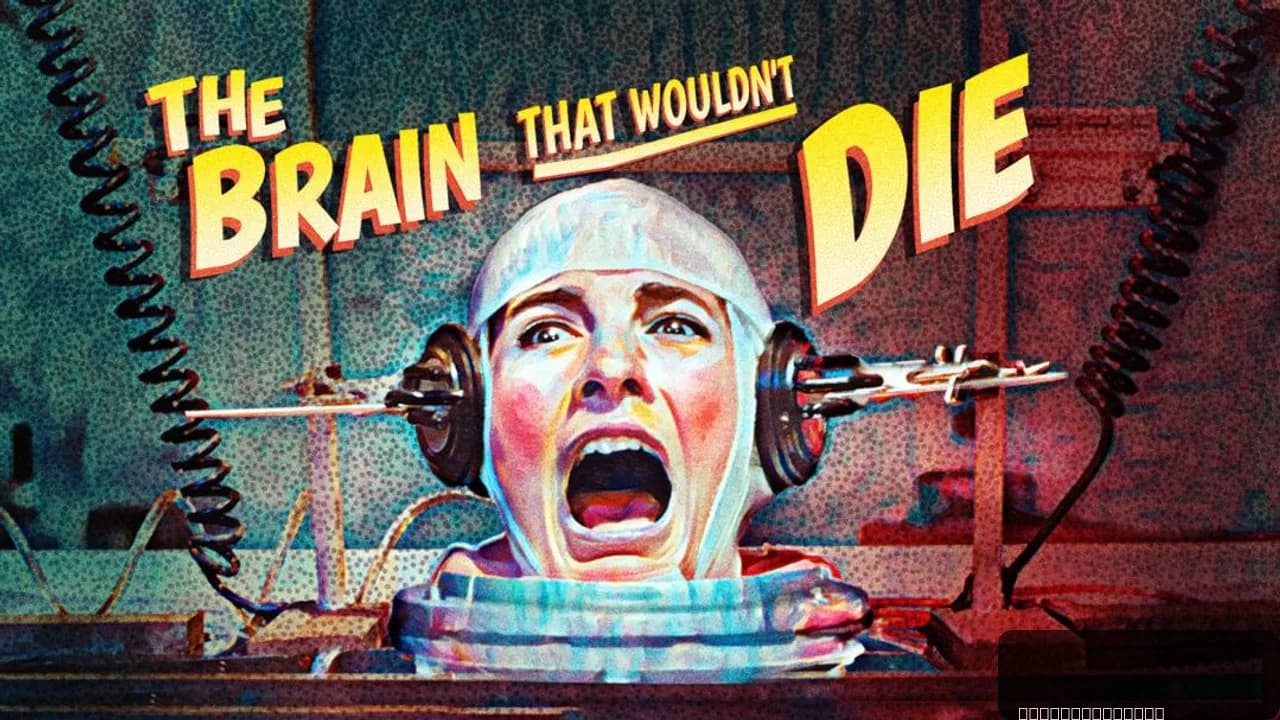
The Brain That Wouldn't Die follows a surgeon—brilliant, obsessed, utterly unhinged—who's willing to cross every ethical and legal line imaginable to save the woman he loves. When his fiancée is decapitated in a car accident, he does the unthinkable: he keeps her head alive in a lab, suspended in a tank, conscious and aware of her grotesque new existence. But a severed head isn't enough. He needs a body. What unfolds is a darkly comic hunt through the underbelly of society—a search that spirals into increasingly absurd and horrifying territory as the surgeon pursues his gruesome goal by any means necessary. The film doesn't shy away from the premise's inherent ridiculousness, leaning into the pulp and exploitation roots of the material while maintaining a satirical edge that separates it from straight horror pastiche.
Behind the making of The Brain That Wouldn't Die remake
Director Derek Carl's 2020 version isn't a loose reimagining—it's a near-faithful recreation. According to Starburst magazine, the film functions as an almost shot-by-shot remake of the 1962 original, which means Carl made a deliberate artistic choice to honor the source material's structure while filtering it through a contemporary satirical lens. The cast includes Patrick D. Green in the lead role, alongside Rachael Perrell Fosket, Robert Blanche, and Chris Ihlenfeldt, actors who bring commitment to material that could easily tip into camp without their grounding presence. The film premiered at the Portland Horror Film Festival, establishing its credentials within the horror community rather than pursuing mainstream theatrical distribution. At 97 minutes, it's a lean, focused piece—no bloat, just surgical precision (pun intended). While the film carries a modest IMDb rating of 4.9/10, that score reflects both the deliberately provocative nature of the project and the difficulty of executing satire in horror, where audiences sometimes can't tell if they're being invited to laugh or meant to recoil.
What makes The Brain That Wouldn't Die resonate with horror fans
What's striking is how Carl's remake understands that the original 1962 film was already operating in a heightened, almost campy register—so the 2020 version doesn't need to exaggerate much to tip into satire. The performances walk a tightrope between sincerity and parody, which is harder than it sounds. Patrick D. Green's surgeon isn't a cartoon villain; he's a man genuinely tormented by his own monstrosity, and that tension—the gap between how reasonable he thinks he's being and how obviously insane he actually is—creates the film's dark comedy. Rachael Perrell Fosket, meanwhile, has to convey emotion and agency while literally playing a disembodied head, which requires an actor who can do subtle work with just her face and voice. The thing nobody mentions is how much restraint that takes. The script could've gone full Body Horror grotesquerie, but instead it finds humor in the surgeon's rationalizations, in his conversations with the severed head, in the casual monstrosity of his logic. It's not laugh-out-loud funny—it's uncomfortable funny, which is far more interesting. The film's willingness to sit in that discomfort, rather than cutting away or punching up the gore, is what separates it from standard horror-comedy fare. Honestly, the 97-minute runtime works in its favor; there's no time to outstay the premise's welcome.
Where to stream The Brain That Wouldn't Die online
The Brain That Wouldn't Die is currently available on Prime Video, making it accessible to anyone with an Amazon subscription. You can check the Where to Watch widget at the top of this page for real-time availability across all platforms in your region. If you're hunting for niche horror and cult remakes, Movie OTT tracks streaming availability across dozens of services, so you'll always know where your next genre fix is hiding. Prime Video's library has become increasingly friendly to indie horror projects, and this film fits right into that ecosystem—the kind of bold, weird remake that finds its audience through streaming rather than theatrical release. It's worth noting that streaming catalogs shift constantly, so if you're planning to watch, don't wait too long; what's available today might migrate to a different platform or disappear entirely next month.
Frequently asked questions
Q: Is The Brain That Wouldn't Die a remake?
Yes. Derek Carl's 2020 film is a satirical remake of the 1962 cult classic of the same name. According to Starburst magazine, it's nearly a shot-by-shot recreation of the original, reimagined through a contemporary lens.
Q: Who directed The Brain That Wouldn't Die?
Derek Carl directed the 2020 version. The film premiered at the Portland Horror Film Festival and reflects Carl's commitment to honoring the source material while injecting modern sensibilities.
Q: What's the runtime of The Brain That Wouldn't Die?
The film runs 97 minutes, keeping the story lean and focused without unnecessary padding.
Q: Who stars in The Brain That Wouldn't Die?
The cast includes Patrick D. Green as the obsessed surgeon, Rachael Perrell Fosket, Robert Blanche, and Chris Ihlenfeldt. Green and Perrell Fosket carry much of the film's emotional weight.
Q: Where can I watch The Brain That Wouldn't Die?
The film is currently streaming on Prime Video. Check the Where to Watch widget on this page for the most up-to-date availability in your region, or use Movie OTT's streaming tracker to find where it's available near you.
Q: Is The Brain That Wouldn't Die based on a true story?
No. It's a fictional horror-sci-fi story about a surgeon attempting to revive his fiancée's severed head and find her a new body. The original 1962 film was also entirely fictional, rooted in pulp sci-fi and exploitation cinema.
Final thoughts on The Brain That Wouldn't Die
The Brain That Wouldn't Die isn't for everyone—that 4.9 IMDb rating should tell you something about its divisive nature. But for viewers who appreciate horror that's willing to be weird, uncomfortable, and darkly funny all at once, it's worth the 97 minutes. The film understands its own absurdity without winking at the camera. It commits. That's rare. If you're scrolling through Prime Video looking for something that'll make you squirm and think at the same time, this is exactly the kind of cult-minded project that streaming platforms were built for.