









The story of The Charmer: Survival, desperation, and the immigrant's impossible choice
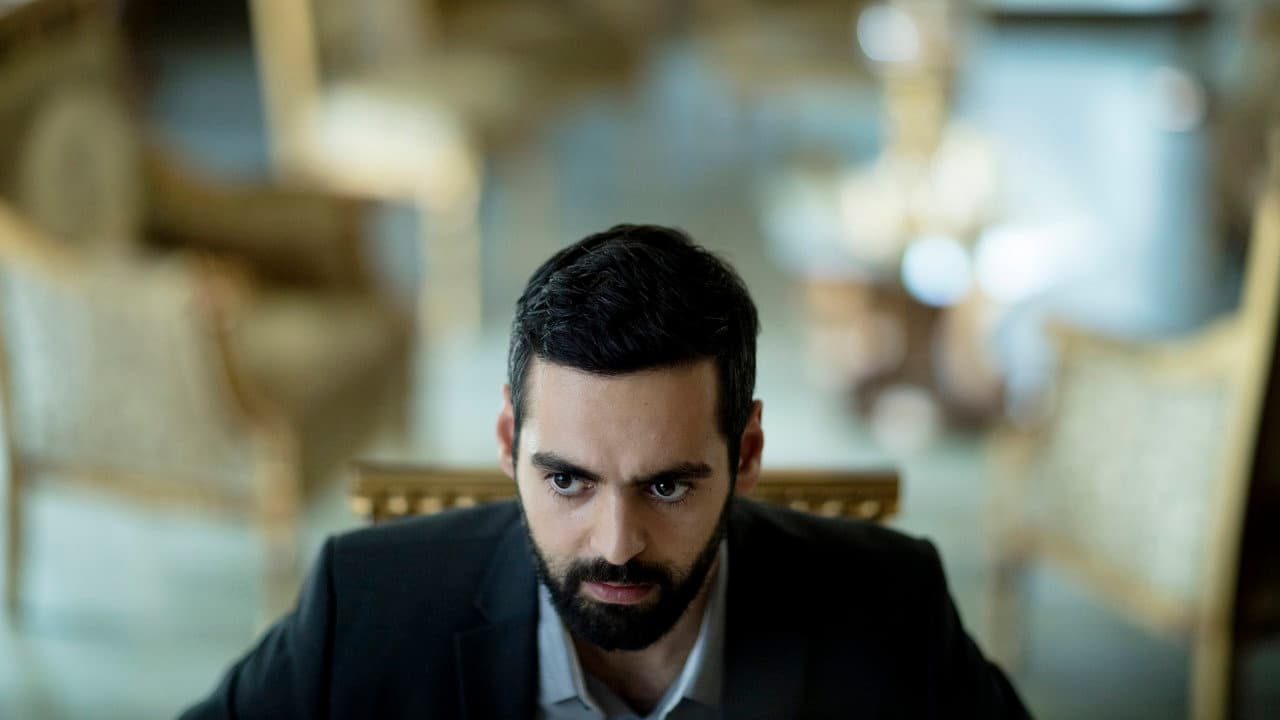
The Charmer follows a young Iranian man living in Denmark who's running out of time. His visa is expiring, and he knows what he has to do: find a woman who'll marry him, or face deportation back to a country he can't return to. It's a calculated strategy, almost businesslike—until it isn't. When he actually falls in love, the careful distance he's maintained collapses. The film doesn't look away from the messy contradictions of his situation: he's both predator and victim, both manipulator and genuinely trapped. That's what makes it so unsettling. Over 100 minutes, The Charmer builds tension by asking a question that doesn't have a clean answer—can you survive in a system designed to exclude you without becoming someone you don't recognize?
Behind the making of The Charmer: International production and Nordic cinema ambition
The Charmer emerged from a collaborative European production, drawing together Good Company Films, Garagefilm International, and funding from New Danish Screen and Film i Väst—a mix of Danish and Swedish backing that reflects the Nordic region's growing investment in complex social dramas. The 2018 release positioned itself within a wave of Scandinavian cinema that was moving beyond crime procedurals into intimate examinations of class, race, and belonging. The film's runtime of 100 minutes is deliberately lean; there's no fat, no scenes that don't earn their place. The production design and cinematography reflect that discipline—muted Copenhagen winters, cramped apartments, the visual grammar of a city that's simultaneously cosmopolitan and deeply insular. While The Charmer didn't generate massive box-office numbers, it found its audience on the festival circuit and through streaming platforms, where word-of-mouth among viewers hungry for character-driven thrillers kept it alive. The film currently holds a 6.5/10 on IMDb, a rating that reflects its divisive nature—some viewers see it as a piercing critique of immigration policy and masculine desperation, while others find the protagonist's behavior too morally compromised to root for. That tension, though, is precisely the point.
What makes The Charmer stand out: Performance, moral ambiguity, and the politics of belonging
What's striking about The Charmer is how it refuses to let you off the hook emotionally. The lead performance carries the entire film—it has to, because we're essentially trapped inside this man's head as his scheme unravels. There's a scene early on where he's coaching himself in the mirror, rehearsing charm, and it's both pathetic and heartbreaking. You can see him calculating, performing, and then—almost against his will—becoming genuine. That's the crux of it. The film doesn't pretend his original intentions were noble, but it also doesn't let viewers dismiss him as simply a con artist. He's a person trying to survive within a system that treats him as disposable, and the compromises he makes are less about moral failure than about the impossible mathematics of immigration law. Movie OTT tracks films like this—character studies that blur the line between thriller and social commentary—and The Charmer is essential viewing if you're interested in how European cinema is grappling with questions of race, class, and what it means to belong. The supporting cast grounds the story in specificity: the women he pursues aren't caricatures, the bureaucrats aren't mustache-twirling villains, and Denmark itself isn't portrayed as either savior or oppressor, but simply as a place with rules that don't bend for people like him. It's this refusal of easy moralizing that makes the film linger.
Where to stream The Charmer online: Availability across major OTT platforms
The Charmer is available on major OTT services, and you can check the Where to Watch widget at the top of this page to see which platform has it in your region right now. Streaming availability shifts regularly—sometimes it's on one service for a few months, then moves—so Movie OTT's tracking tool is genuinely useful here. The good news is that The Charmer has found solid placement across several platforms, which means if you're a subscriber to Netflix, Prime Video, or other major services, there's a solid chance it's already available to you. If you don't see it listed immediately, it's worth setting a reminder; Nordic dramas like this one tend to rotate back onto platforms seasonally. The 100-minute runtime also makes it ideal for streaming—long enough to feel substantial, short enough that you can finish it in a single sitting without the commitment of a multi-episode series.
Frequently asked questions
Q: What is The Charmer about?
The Charmer follows a young Iranian man in Denmark who pursues women as a path to securing his visa and staying in the country. When he genuinely falls in love, his scheme becomes complicated, and his past begins to catch up with him. It's a thriller that explores themes of immigration, racism, and the cost of survival.
Q: Who directed The Charmer?
The film was directed by Ole Christian Madsen, a Danish filmmaker known for his work in character-driven drama and social realism.
Q: Is The Charmer based on a true story?
While The Charmer isn't based on a specific true story, it draws on real patterns within immigration systems and the experiences of undocumented or at-risk migrants navigating legal pathways to stay in European countries.
Q: Where can I watch The Charmer?
The Charmer is available on major streaming platforms. Check the Where to Watch widget at the top of this page to see which service currently has it in your region.
Q: How long is The Charmer?
The film runs 100 minutes, making it a lean, focused thriller without unnecessary subplot padding.
Q: What's the IMDb rating for The Charmer?
The Charmer holds a 6.5/10 on IMDb, reflecting its divisive nature—some viewers appreciate its moral complexity, while others find the protagonist's actions difficult to empathize with.
Final thoughts on The Charmer: Who should watch this film
The Charmer isn't for everyone. If you want a clear hero and a satisfying resolution, look elsewhere. But if you're drawn to films that sit in moral gray zones, that refuse easy answers, and that use immigration and desperation as genuine narrative tension rather than backdrop—this one's for you. It's a film that respects your intelligence. It doesn't explain away its protagonist's behavior, and it doesn't excuse the system that traps him either. Watch it if you're interested in how contemporary European cinema is wrestling with questions of belonging, or if you just want to see a taut 100-minute thriller that doesn't waste a single scene. Movie OTT's streaming guides make finding it simple; the hard part is sitting with what it has to say.