




The Story of The Day of the Locust: Dreams and Disillusionment in 1930s Hollywood
The Day of the Locust paints a portrait of Hollywood that's anything but glamorous. Set in the 1930s, the film follows Tod Hackett, a young painter who arrives in Los Angeles hoping to establish himself as an art director in the film industry. What he finds instead is a world of delusion, desperation, and moral compromise. The narrative centers on Tod's infatuation with Faye Greener, an aspiring actress whose beauty masks a calculating indifference to anyone who can't advance her career. Caught between his own artistic ambitions and his desire for Faye, Tod watches as she gravitates toward Homer Simpson, a lonely accountant whose quiet stability and financial security offer her something Tod never can: a path to security, even if it comes without passion. It's a love triangle that isn't really about love at all—it's about survival, fantasy, and the impossible bargains people strike when they're desperate enough.
The film doesn't shy away from the darkness lurking beneath Hollywood's surface. By train, by car, by bus, they came to Hollywood in search of a dream, as the tagline promises—but what awaits them is something far more sinister than any studio lot could deliver. Schlesinger constructs a world where aspiration curdles into resentment, where extras and bit players exist as a restless, almost predatory mass waiting for their moment that will never come.
Behind the Making of The Day of the Locust: Production, Cast, and Cultural Timing
Director John Schlesinger brought his reputation for unflinching social observation to this 1975 adaptation of Nathanael West's 1939 novel of the same name. The film emerged during a particular moment in American cinema—the post-Watergate, post-Vietnam era when audiences were far more willing to accept cynical, dark visions of American life. Paramount Pictures and Long Road Productions backed the project with a substantial budget, resulting in a 145-minute film that doesn't feel a minute too long, though it certainly demands patience from viewers.
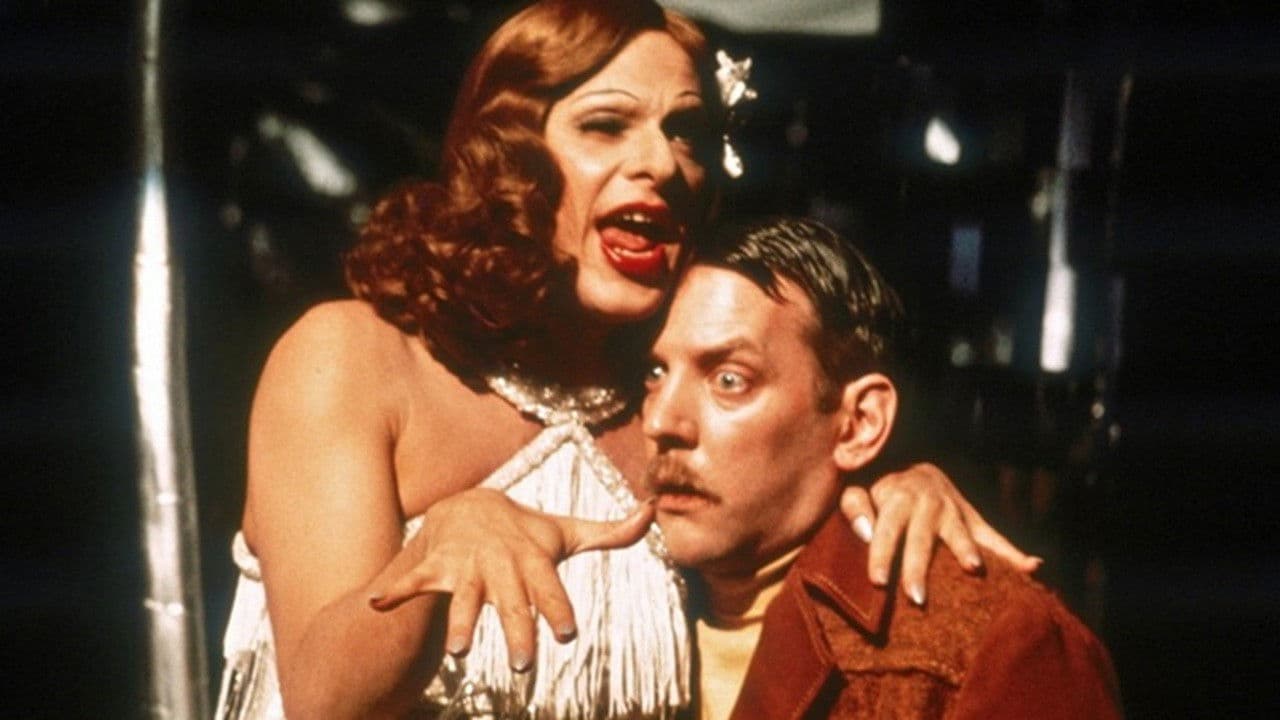
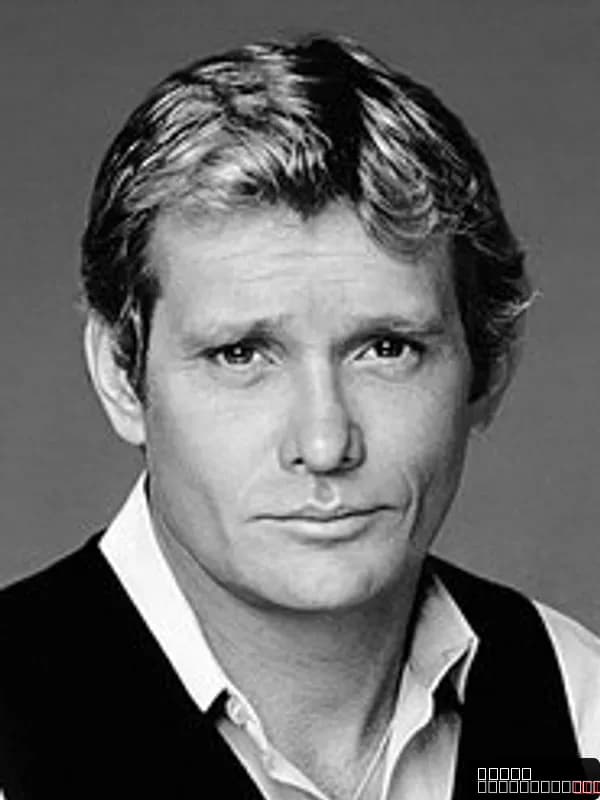
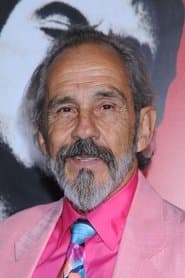
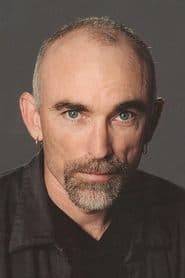
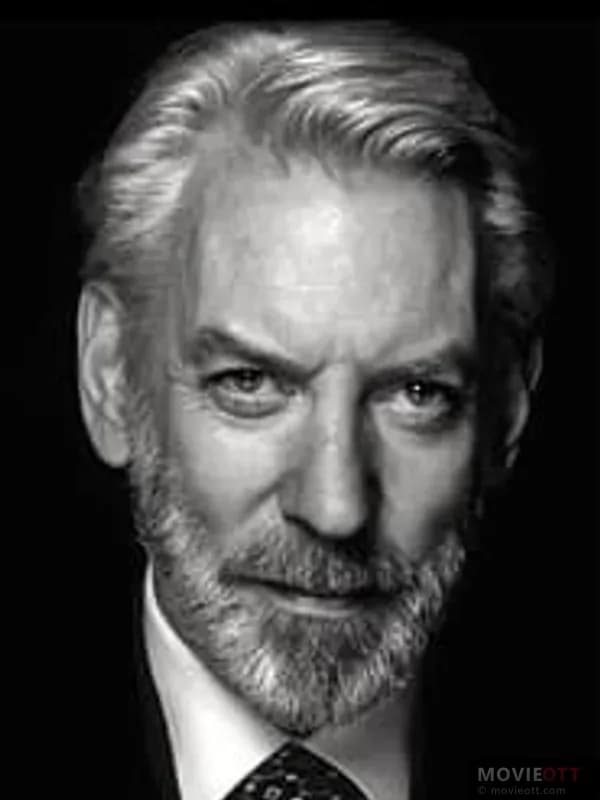
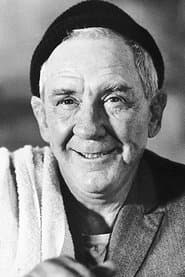
The ensemble cast reads like a masterclass in character acting. Donald Sutherland carries the film as Tod, bringing a mixture of naïveté and growing awareness to the role. Karen Black embodies Faye Greener with a kind of blank, beautiful selfishness that's almost hypnotic—she's not villainous, exactly, but she's utterly indifferent to anyone's feelings but her own. William Atherton plays Homer Simpson (yes, that Homer Simpson predates the cartoon by decades), and his performance as a meek, emotionally stunted man slowly unraveling under the weight of his own loneliness is genuinely unsettling. Burgess Meredith, Richard Dysart, John Hillerman, and Geraldine Page round out a cast that treats every small role with real weight and specificity. The film didn't become a box-office juggernaut—it was too bleak, too slow, too unwilling to comfort its audience—but it's exactly the kind of ambitious, uncompromising work that Movie OTT helps readers discover when they're looking beyond mainstream streaming recommendations.
What Makes The Day of the Locust Stand Out: Performance and the Anatomy of Desperation
What's striking about The Day of the Locust is how it refuses to judge its characters even as it shows us their worst impulses. This isn't a morality play. Tod isn't punished for his obsession with Faye because he's a bad person; he's trapped by the same hunger for something unattainable that drives everyone around him. The film's genius lies in its understanding that Hollywood doesn't corrupt people so much as it attracts those already primed for corruption, already willing to compromise, already convinced that the dream justifies any cost. Schlesinger's direction is patient, almost glacial at times, letting scenes breathe in ways that modern cinema rarely permits—there's a scene involving Faye at a Hollywood party that stretches uncomfortably long, and that discomfort is entirely intentional.
The performances anchor everything. Black's Faye is mesmerizing precisely because she's not trying to be sympathetic; she's a creature of pure surface, and the film doesn't ask us to like her so much as to understand her as a logical product of a system that values appearance over substance. Sutherland's Tod becomes increasingly unmoored, his artistic ideals grinding against the machinery of commercial filmmaking. Atherton's Homer, though—his slow descent into psychological breakdown is the film's true horror. He's not a bad man. He's just alone, and the film suggests that loneliness in a city of millions might be the most devastating thing of all. The supporting cast, particularly Burgess Meredith as an aging actor clinging to past glory, fills out a world that feels exhaustively, authentically desperate.
The cinematography by Conrad Hall (who'd go on to shoot The Godfather films) captures Los Angeles in muted, dusty tones that make the promised glamour seem like a mirage. Every frame suggests a place that's fundamentally hostile to human connection, where ambition curdles into resentment and desire becomes indistinguishable from contempt. When you're tracking down where to stream it, you'll find that Movie OTT's streaming guides help you locate films like this one—the kind of challenging, adult work that rewards sustained attention.
Where to Stream The Day of the Locust Online
The Day of the Locust is available on major OTT services, and you can find the current streaming availability through the "Where to Watch" widget at the top of this page. Availability varies by region and changes regularly, so if you don't see it on your preferred platform today, check back—films like this one often rotate through services. It's the kind of work that benefits from watching on a larger screen if possible; the cinematography and production design deserve that space. Movie OTT tracks streaming availability across platforms, so you won't waste time hunting through menus only to discover the title isn't where you expected it to be.
Frequently asked questions
Q: Who directed The Day of the Locust?
John Schlesinger directed the film, bringing his signature style of social observation and unflinching character study to Nathanael West's 1939 novel. Schlesinger was known for films like Midnight Cowboy and Sunday, Bloody Sunday, and The Day of the Locust represents one of his most ambitious and darkest works.
Q: Is The Day of the Locust based on a book?
Yes, it's adapted from Nathanael West's 1939 novel of the same name, a satirical critique of 1930s Hollywood that's considered one of the great American novels about the entertainment industry. The film stays remarkably faithful to West's bleak vision and cynical view of show-business ambition.
Q: How long is The Day of the Locust?
The film runs 145 minutes, which allows Schlesinger to develop his characters and world with patience and detail. It's not a quick watch, but it's a deliberate one—every scene earns its length.
Q: What's the IMDb rating for The Day of the Locust?
The film holds a 6.4 rating on IMDb, which reflects its status as a challenging, divisive work that critics respect more than general audiences embrace. It's the kind of film that tends to grow in reputation over time as viewers return to it.
Q: Is The Day of the Locust appropriate for all ages?
No. The film contains adult themes including sexual content, psychological breakdown, and violence. It's a mature work aimed at adult viewers who can handle its bleak worldview and slow-burn narrative style.
Final Thoughts on The Day of the Locust: A Film for the Disillusioned
The Day of the Locust isn't a feel-good experience. It won't leave you inspired or uplifted. What it will do is show you something true about ambition, desire, and the gap between dreams and reality—truths that don't get easier to watch just because it's been nearly fifty years since Schlesinger made the film. If you're tired of Hollywood narratives that celebrate the industry's glamour, or if you want to see a truly pessimistic vision of American aspiration rendered with artistic precision, this is essential viewing. It's the kind of challenging cinema that makes you grateful streaming services exist, because without them, films this uncompromising might disappear entirely.