



The Story of The Day We Died
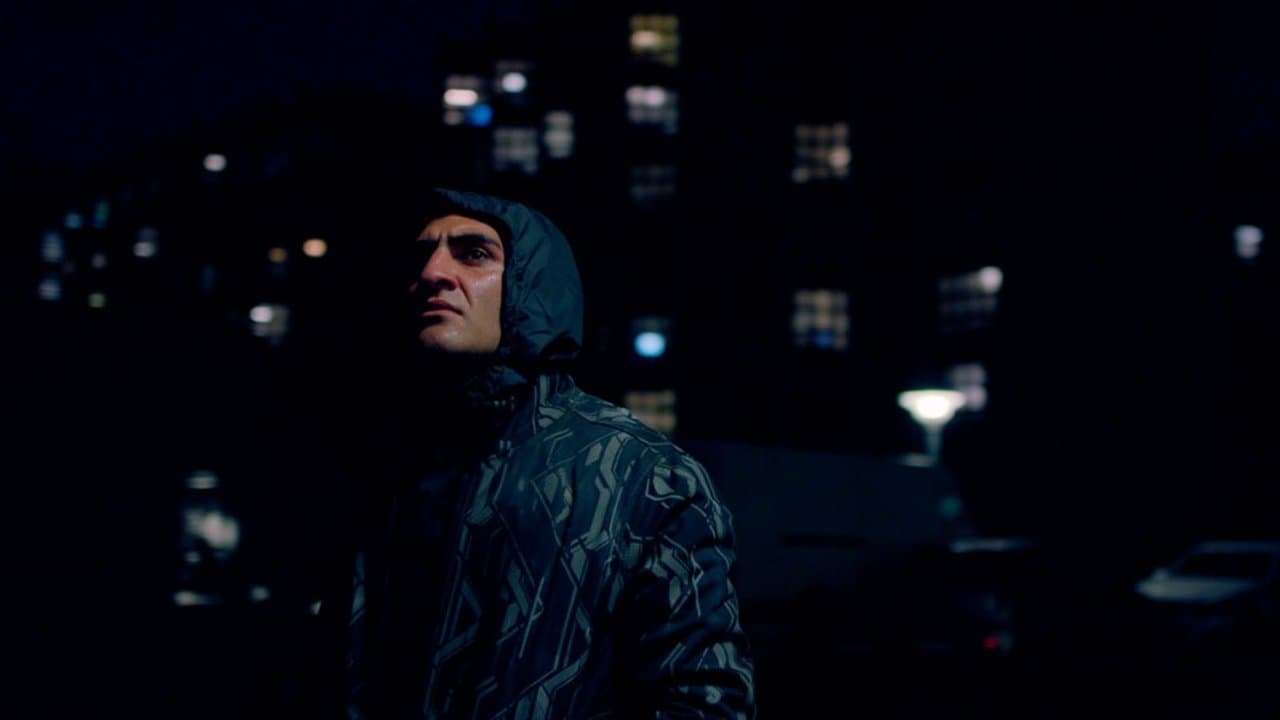
The Day We Died is a Danish drama that turns its lens toward one of Scandinavia's most devastating moments—the terrorist attacks that struck Copenhagen on February 14th and 15th, 2015. Rather than sensationalizing the violence, the film takes a step back to examine what happened in those days and the ripple effects that followed. It's not a thriller built on suspense; it's something quieter, more introspective. The 106-minute runtime allows the narrative room to breathe, to sit with the weight of events that changed a nation's sense of security. This isn't Hollywood's version of tragedy. It's grounded, deliberate, and unwilling to look away from the human cost.
Behind the Making of The Day We Died
Produced by a consortium of Danish institutions—Creative Alliance, DR (Danmarks Radio), Det Danske Filminstitut, and production company 4 1/2—The Day We Died emerged from a distinctly Nordic approach to difficult subject matter. The film was released in 2020, five years after the actual attacks, a timing that allowed some historical distance while the wounds were still visible in Denmark's cultural memory. The production brought together Danish filmmaking talent committed to treating the material with respect rather than exploitation. Though the film earned two award nominations, it didn't become a mainstream international breakout—which, in a way, reflects the film's own aesthetic: it's not chasing applause or dramatic flourishes. It's interested in truth-telling, even when that truth is uncomfortable and the box office rewards something flashier elsewhere.
The cast and crew approached the subject with the kind of seriousness you'd expect from filmmakers working in a country where the attacks weren't a distant tragedy but a lived national trauma. There's no MPAA rating listed for international distribution, which speaks to the film's regional focus and its intended Danish-speaking audience first. The production values reflect a mid-budget European drama—solid craft without the spectacle of a major studio picture.
What Makes The Day We Died Stand Out
What's striking about The Day We Died is its refusal to simplify. The film doesn't reduce the attacks to a single narrative arc or hero's journey. Instead, it traces multiple threads—the fear, the confusion, the political aftermath, the way a community tries to process something that defies easy understanding. I keep coming back to how restrained the direction is; there's no manipulative score swelling at manufactured emotional beats. The performances carry the weight. Danish actors bring an understated intensity to roles that could've been melodramatic in less capable hands, grounding the story in the texture of ordinary people confronting extraordinary circumstances.
The critical reception hovered around a 5.6 on IMDb (from 841 votes), which tells you something important: this isn't a crowd-pleaser, and it doesn't pretend to be. Some viewers found the pacing deliberate to the point of slowness; others saw that same pacing as respectful, even necessary. The thing nobody mentions is that this kind of film—one that refuses easy catharsis—often divides audiences precisely because it's doing something real. It's asking viewers to sit with discomfort rather than resolve it. That's not a flaw in The Day We Died; it's the entire point.
Where to Stream The Day We Died Online
Finding The Day We Died requires checking the major OTT services, where the film is currently available across several platforms. Rather than hunting through multiple apps, Movie OTT aggregates current streaming availability so you can see exactly where to watch without the guesswork. The film's availability varies by region—it's most readily found on services that prioritize international and European cinema. If you're looking for a film that won't dominate your weekend but will stick with you afterward, the convenience of streaming means you can fit it into your schedule on your own terms, which suits this particular film's contemplative nature.
Frequently Asked Questions
Q: Is The Day We Died based on a true story?
Yes. The film dramatizes the real terrorist attacks that occurred in Copenhagen on February 14th and 15th, 2015. It's a historical drama rooted in documented events, though it uses fictional characters and narrative framing to explore the human impact.
Q: Who directed The Day We Died?
The film was directed by Danish filmmaker Birger Larsen, working with producers from Creative Alliance, DR, Det Danske Filminstitut, and 4 1/2. It represents a collaborative effort from Denmark's major film institutions.
Q: How long is The Day We Died?
The film runs 106 minutes, giving it enough runtime to explore its subject with nuance rather than rushing through events.
Q: What genre is The Day We Died?
It's classified as both drama and history. It's not an action thriller despite its subject matter—it's a character-driven examination of tragedy and aftermath.
Q: Where can I watch The Day We Died?
The film is available on major OTT platforms. Check the Where to Watch widget at the top of this page for current availability in your region, or visit Movie OTT's streaming tracker for real-time updates.
Final Thoughts on The Day We Died
If you're drawn to cinema that refuses easy answers—that trusts audiences to sit with difficult material without hand-holding—The Day We Died deserves your time. It won't thrill you. It won't uplift you in any conventional sense. But it will make you think about how nations process trauma, how media shapes narrative, and what we owe to real events when we dramatize them. That's the kind of film that lingers.