
The story of The End of Puberty
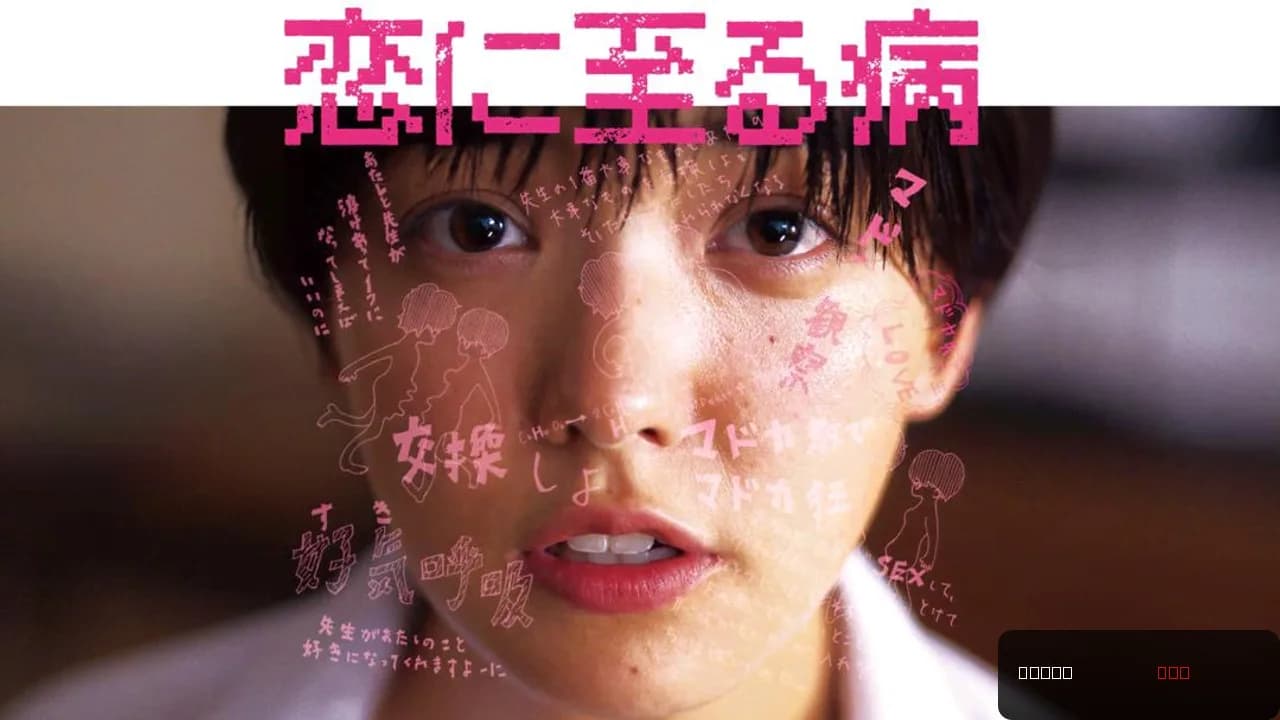
The End of Puberty is a 2011 Japanese drama that takes its title literally—it's about what happens when you're caught between childhood and whatever comes next. Director Shoko Kimura crafts a quiet, observational film centered on young people grappling with identity, desire, and the strange awkwardness of growing up. The narrative doesn't follow a conventional three-act structure so much as it observes moments: conversations that go nowhere, glances that mean everything, the small humiliations and small victories that define adolescence. It's the kind of film that doesn't announce its themes so much as let them breathe in the spaces between dialogue.
Behind the making of The End of Puberty
Shoko Kimura directed The End of Puberty during a period of Japanese cinema that was increasingly turning inward—away from the spectacle-driven productions that had dominated the 1990s and toward more intimate, character-driven narratives. The film's ensemble cast includes Miwako Wagatsuma, Yoichiro Saito, Aimi Satsukawa, and Shota Sometani, actors who'd been building their careers in Japanese television and indie film. Sometani in particular would go on to greater prominence in subsequent years, making his appearance here a snapshot of an emerging talent. The 115-minute runtime gives Kimura enough space to let scenes unfold without rushing—there's no manipulation of the editing to manufacture emotion. What's striking is how the film trusts its actors to carry the weight of the story. There's no score manipulating you toward feeling something; instead, you're left with the sounds of a school hallway, a car engine, rain on a window. Movie OTT tracks where contemporary and classic Japanese dramas like this one are currently streaming, which can be harder to pin down than major Hollywood releases.
What makes The End of Puberty stand out
The film's greatest strength lies in its refusal to sentimentalize adolescence. You won't find a triumphant montage or a neat resolution here. Instead, Kimura captures something that's often missing from coming-of-age narratives: the sheer tedium mixed with occasional intensity that actually characterizes being a teenager. The performances anchor everything—there's a naturalism to the way these actors inhabit their roles that suggests Kimura either spent considerable time with her cast or has a gift for extracting truth from actors without pushing them toward theatrical choices. Wagatsuma's performance, in particular, carries a kind of resigned exhaustion that feels earned rather than performed. The film doesn't judge its characters for their small cruelties or their desperate attempts to matter to each other. That's rare. It's also why the film has its detractors—audiences looking for narrative momentum or emotional catharsis might find themselves frustrated. The IMDb rating of 4/10 reflects this divide: some viewers see a slow, pointless slog; others recognize it as precisely the kind of uncompromising work that rewards patience. Hard to say which response is "correct," but what's undeniable is that Kimura made exactly the film she set out to make, indifferent to whether that would appeal to a mass audience.
Where to stream The End of Puberty online
The End of Puberty is currently available to stream on Prime Video, where it sits alongside a growing catalog of international cinema. If you're a Prime subscriber, you can access it directly without an additional rental fee (depending on your region and subscription tier). The Where to Watch widget at the top of this page will show you the most current availability, since streaming rights shift regularly. For those who follow Japanese independent and art-house cinema, Movie OTT's streaming aggregator makes it easier to discover where lesser-known titles like this one have landed—saving you the frustration of searching across five different apps only to find the film isn't where you thought it was.
Frequently asked questions
Q: Who directed The End of Puberty?
Shoko Kimura directed the film, bringing a minimalist, character-focused approach to the coming-of-age story. Her style emphasizes naturalistic performances and resists conventional narrative manipulation.
Q: Where can I watch The End of Puberty?
The film is currently streaming on Prime Video. Check the Where to Watch widget on this page for the most up-to-date platform availability in your region.
Q: What's the runtime of The End of Puberty?
The film runs 115 minutes, giving director Shoko Kimura ample time to develop scenes without rushing through character moments.
Q: Is The End of Puberty based on a true story?
There's no indication the film is based on a specific true story. Instead, it draws on universal experiences of adolescence—the awkwardness, confusion, and small dramas that most people recognize from their own teenage years.
Q: Why does The End of Puberty have such a low IMDb rating?
The film's 4/10 rating reflects its challenging, deliberately slow pace and refusal to provide narrative satisfaction or emotional catharsis. Viewers seeking conventional coming-of-age beats will likely be disappointed, but those attuned to quieter, more observational cinema may find it rewarding.
Final thoughts on The End of Puberty
The End of Puberty isn't a film for everyone—and Kimura seems entirely unbothered by that fact. It's a work of genuine artistic conviction, one that prioritizes authenticity over accessibility. If you're tired of coming-of-age stories that wrap everything up in a bow, or if you're simply curious about what contemporary Japanese independent cinema looks like, it's worth your time. Don't expect catharsis. Expect recognition. That might be enough.