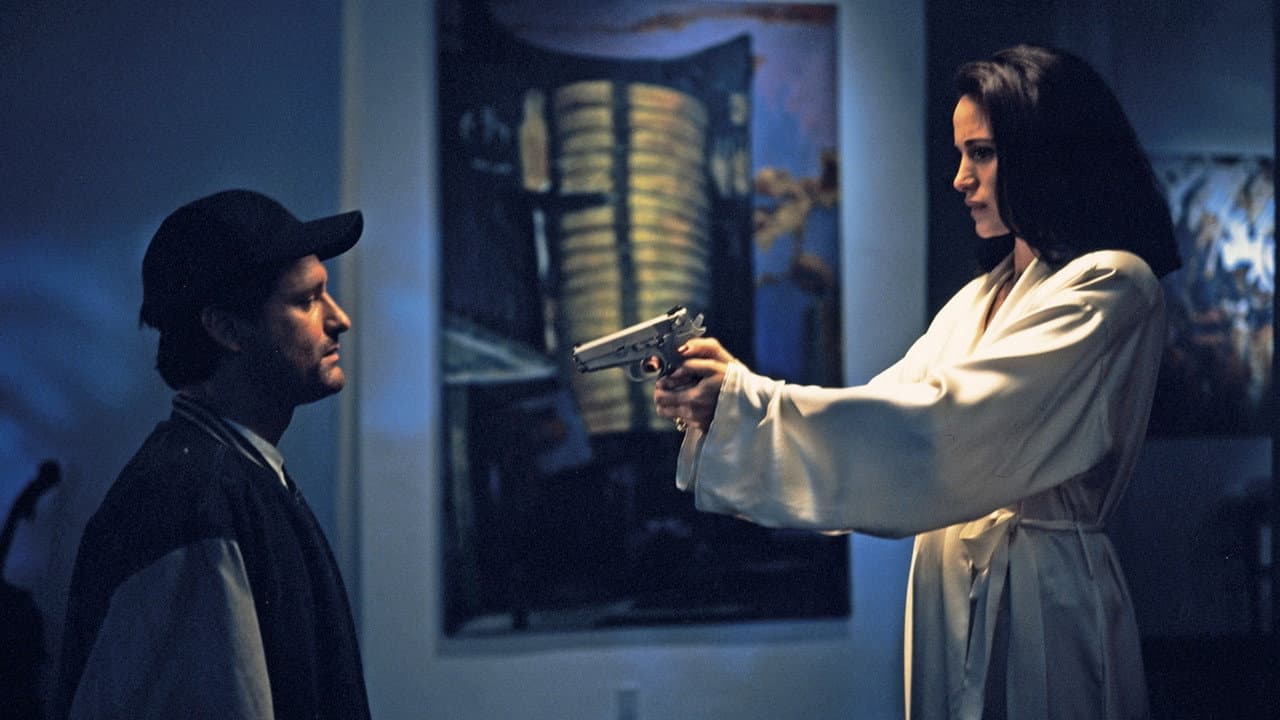






The story of The End of Violence unfolds in contemporary Hollywood
When a successful film producer becomes the target of a botched abduction, his world—and the worlds of those orbiting him—splinters into fragments of fear and deception. The End of Violence isn't your typical thriller. Wenders, the German auteur behind Wings of Desire and Paris, Texas, uses the kidnapping attempt as a catalyst to examine something far more unsettling than a simple crime: the machinery of surveillance, the illusion of safety, and how power corrupts everyone it touches. A police detective investigating the case, a surveillance agent with his own agenda, and the producer's wife all find themselves caught in a web where nobody's motives are clean and nobody's safe. The 121-minute film moves deliberately, building atmosphere rather than shock value, and that's either its greatest strength or its fatal flaw, depending on who you ask.
Behind the making of The End of Violence and its ambitious production
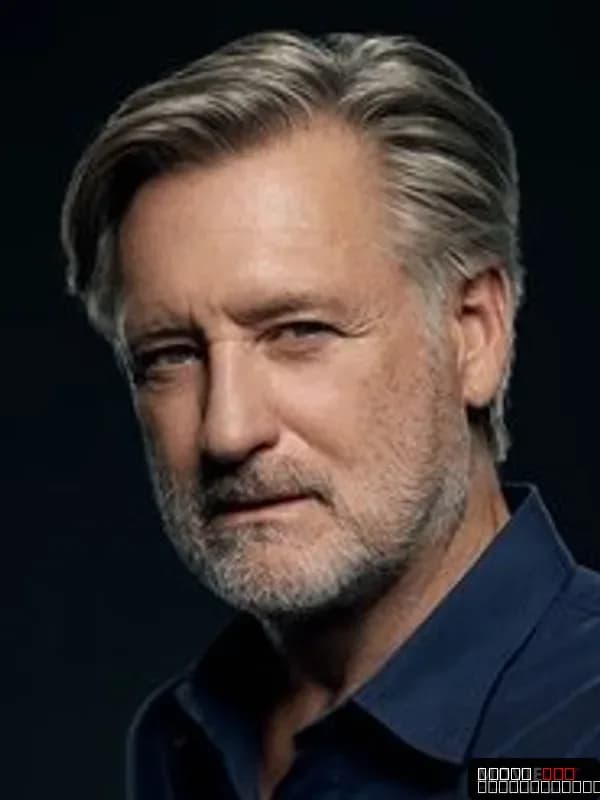
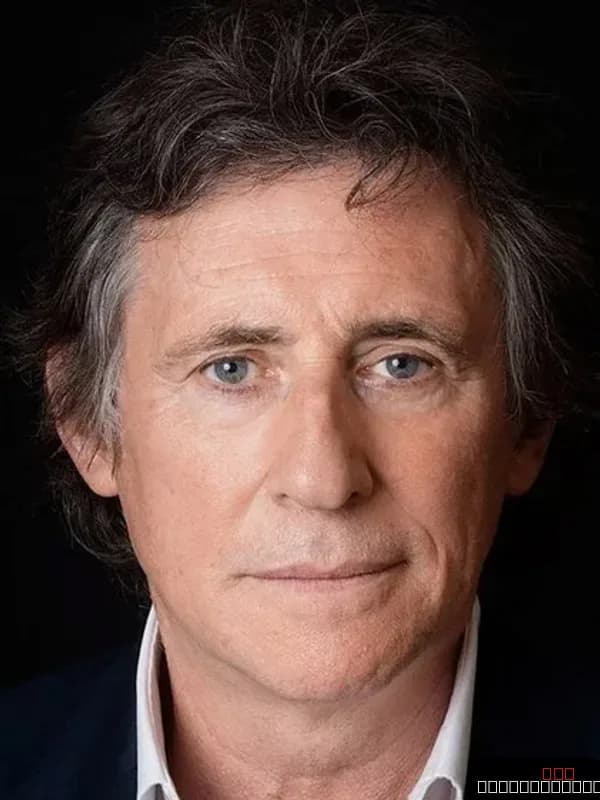
The End of Violence arrived in 1997 as a co-production between Kintop Pictures, CiBy 2000, Road Movies, and ARD Degeto—a genuinely international effort reflecting Wenders' pan-European sensibility. The director assembled a cast with serious credentials: Bill Pullman as the producer, Andie MacDowell as his wife, Gabriel Byrne as the detective, and supporting turns from Udo Kier and Pruitt Taylor Vince. The film premiered at the 1997 Cannes Film Festival, which was meant to signal prestige, but the box office told a different story. Audiences stayed away in significant numbers, and the film's commercial failure has somewhat overshadowed its artistic ambitions ever since. What's striking is how Wenders populated the soundtrack with his trusted collaborators—Jon Hassell and Ry Cooder providing the instrumental palette, with Bono contributing as well—creating a sonic texture that's dreamlike and deliberately fractured. The production design and cinematography drew praise from selective critics who recognized what Wenders was attempting, even if the narrative didn't always land for mainstream viewers. It's the kind of film that festivals celebrate and multiplexes reject.
What makes The End of Violence stand out as a critique of power and perception
Here's the thing nobody mentions: this film is genuinely interested in how surveillance has become woven into the fabric of daily life, and that was 1997—before smartphones, before social media, before we all agreed to carry tracking devices in our pockets. Wenders was ahead of the curve, and that prescience gives the film an eerie resonance now that we can't unsee. The performances work best when they're understated. Pullman brings a particular kind of Hollywood entitlement to his producer character—not cartoonish, but deeply human in his assumption that money and connections will protect him. MacDowell carries a quiet dread throughout, and Byrne's detective work isn't flashy; it's methodical and morally compromised. What doesn't quite work—and this is where the 5.4 IMDb rating starts to make sense—is the pacing. Wenders takes his time building mood, but sometimes the mood just sits there, waiting for the plot to catch up, and it never does with the urgency the material demands. I keep coming back to the central question the film asks: can violence ever truly end, or is it just displaced, redirected, waiting to surface somewhere else? That's a mature question for a thriller, even if the execution doesn't always match the ambition.
Where to stream The End of Violence online
Finding The End of Violence requires a bit of detective work of your own—which feels oddly fitting. The film is available on major OTT services, and Movie OTT maintains a current listing of exactly where you can access it right now, since streaming rights shift and shuffle constantly across platforms. Rather than hunting through multiple apps, Movie OTT tracks availability in one place, so you won't waste time searching. Whether it's on a subscription service you already have or requires a rental, the widget at the top of this page shows you all your options. Given how little theatrical distribution this film received in the first place, having it readily available on streaming is actually a small miracle—it's found a second life on platforms that Wenders himself probably didn't imagine when he made the film in the mid-1990s.
Frequently asked questions
Q: Who directed The End of Violence?
Wim Wenders, the acclaimed German filmmaker behind Wings of Desire and Paris, Texas, directed The End of Violence in 1997. It was his attempt to make a Hollywood thriller that critiques surveillance and power.
Q: Is The End of Violence based on a true story?
No, it's an original screenplay by Wenders and Ry Cooder. While it explores real anxieties about surveillance and crime in Los Angeles, it's not adapted from any specific true events.
Q: What's the runtime of The End of Violence?
The End of Violence runs 121 minutes, giving Wenders plenty of space to develop his themes, though some viewers find the pacing deliberate to the point of testing patience.
Q: Why did The End of Violence perform poorly at the box office?
The film's slow-burn approach, philosophical bent, and refusal to deliver traditional thriller beats alienated mainstream audiences expecting a faster-paced crime story. It's a director's film first and a commercial product second.
Q: Can I find The End of Violence on streaming services?
Yes—The End of Violence is available on major OTT platforms. Check the Where to Watch widget on this page for current availability in your region.
Final thoughts on The End of Violence
Wenders made a film that asks hard questions about surveillance, power, and whether redemption is even possible in a world saturated with violence. It doesn't always succeed—the narrative sometimes loses momentum, and not every viewer will have the patience for its meditative rhythm. But there's something to be said for ambition that doesn't quite land. The End of Violence is worth watching if you're drawn to challenging cinema, if you appreciate cinematography as storytelling, or if you're curious about how a major director tackled contemporary anxieties before the digital age made those anxieties impossible to ignore. It's not perfect. It's not even universally likable. But it's honest.