


The Story of Dead Man
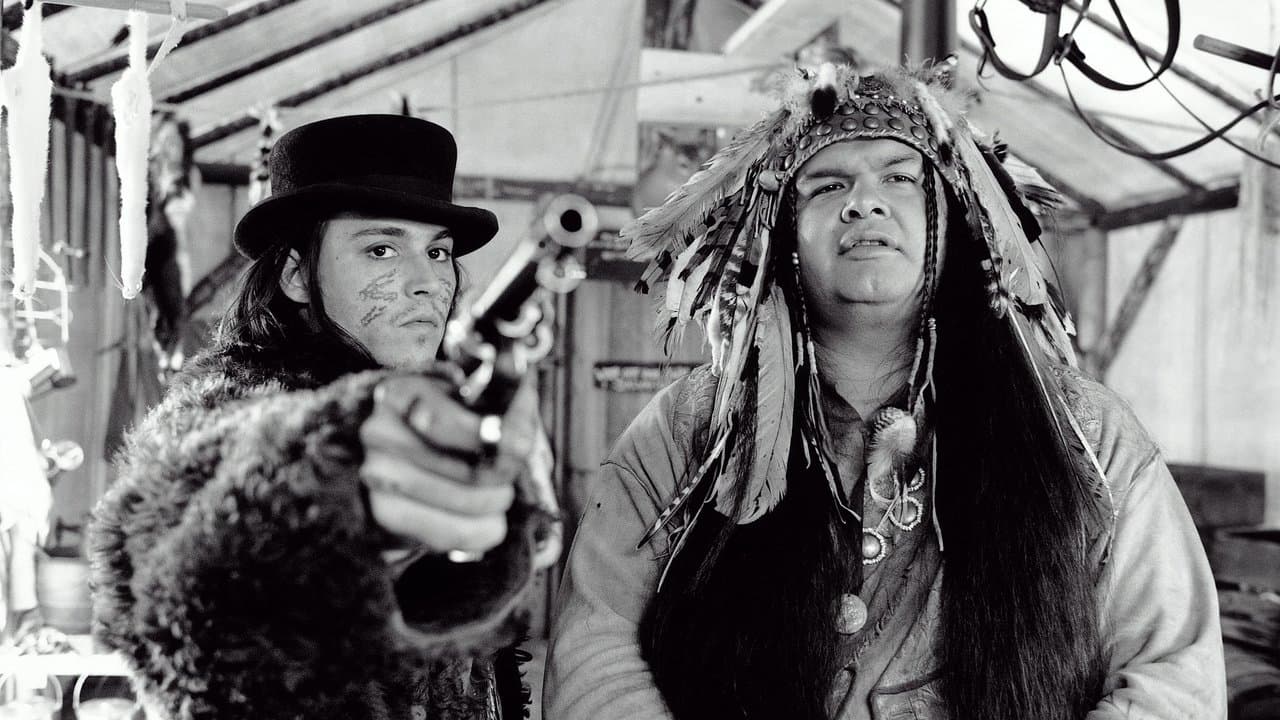
William Blake—a mild-mannered accountant from the East Coast, not the visionary English poet—boards a train headed west with nothing but a job offer and naive optimism. What he finds instead is betrayal, bloodshed, and a bullet in his chest. On the run after killing a man (though the circumstances are far murkier than self-defense), Blake stumbles into the wilderness, wounded and disoriented, where he encounters Nobody—an enigmatic Native American who speaks in cryptic riddles and seems to know Blake's fate better than Blake himself does. Nobody believes Blake is the reincarnation of the poet William Blake, and he's determined to guide the accountant on a spiritual journey toward death itself. What unfolds isn't a traditional Western showdown but something stranger, sadder, and infinitely more meditative: a man's slow walk toward oblivion, accompanied by a guide who understands that some journeys have only one destination.
Behind the Making of Dead Man
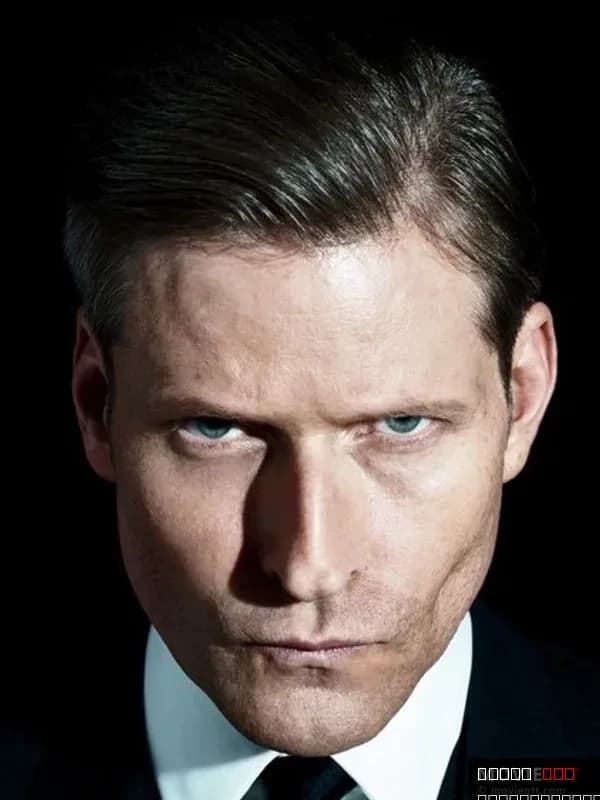
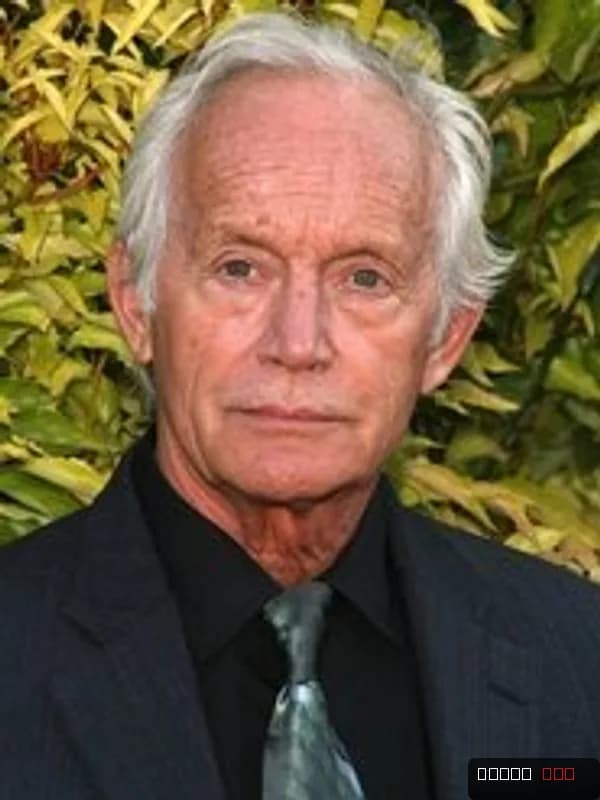
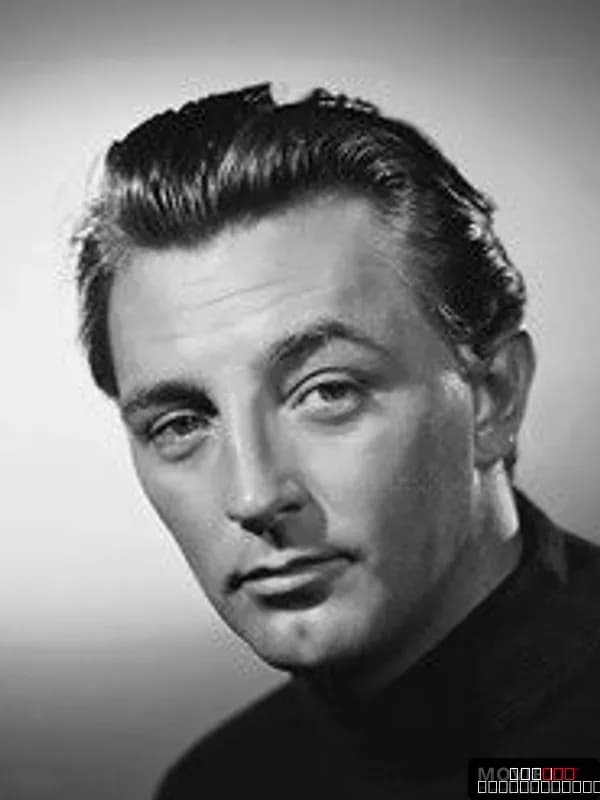
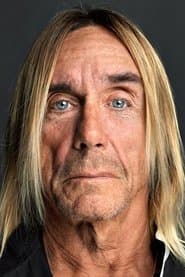
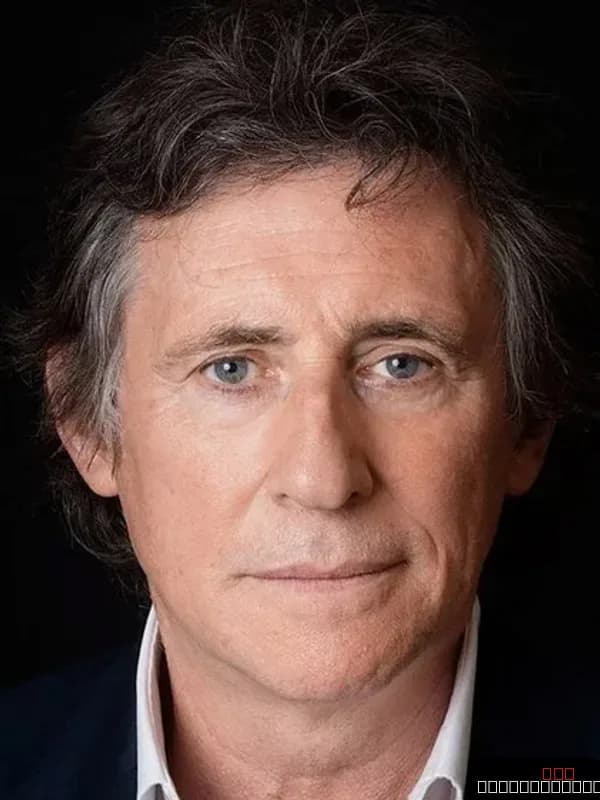
Jim Jarmusch wrote and directed Dead Man as a deliberate provocation to Western conventions—a film that wears the genre's trappings while dismantling its mythology from within. Released in 1995 by Pandora Film, JVC, Newmarket Capital Group, and 12-Gauge Productions, the film assembled a cast that reads like a who's-who of '90s cinema: Johnny Depp in a rare leading role as Blake, Gary Farmer as Nobody, and supporting turns from Billy Bob Thornton, Iggy Pop, Crispin Glover, John Hurt, Michael Wincott, Lance Henriksen, Gabriel Byrne, and Mili Avital. Perhaps most poignantly, Robert Mitchum appears in what would be one of his final film performances, lending the production a sense of finality that feels almost intentional. The film's 122-minute runtime gives Jarmusch space to breathe, to linger on landscapes and silences in ways that mainstream Westerns rarely permit. At 7.3 on IMDb, the film has found a devoted audience among those willing to meet it on its own strange terms—though it's never been a crowd-pleaser in the traditional sense. Box office returns were modest, and the film didn't chase awards season recognition, but it's become a cult landmark, the kind of film that reveals itself differently on each viewing.
What Makes Dead Man Stand Out
Here's what's striking: most Westerns are about conquest, about men imposing their will on the frontier. Dead Man is about surrender. Depp's performance—often overlooked in favor of his more theatrical later work—carries a quiet desperation, a man perpetually out of place, stumbling through scenes with the awkward grace of someone who's never belonged anywhere. Gary Farmer's Nobody steals almost every scene he's in, speaking in aphorisms and half-truths, treating the journey as a kind of funeral rite that Blake doesn't yet understand he's participating in. The film doesn't flinch from violence, but it doesn't celebrate it either; when guns go off, people die messily and without ceremony. What's remarkable is Jarmusch's refusal to make Blake a hero. He's complicit, flawed, and often helpless. The supporting cast—Thornton as a fur trapper, Glover as a deranged railroad agent—populate a world that feels genuinely hostile and indifferent to Blake's suffering. I keep coming back to the film's visual palette: shot in black and white by cinematographer Robby Müller, it has the texture of old photographs, of history already dead, already past. There's a scene where Blake and Nobody sit by a fire, and Nobody describes Blake's death before it happens—not as prophecy but as inevitability. The thing nobody mentions is how funny the film can be, in a dark and uncomfortable way. It's not trying to entertain you. It's trying to unsettle you, to make you complicit in watching a man die by inches.
Where to Stream Dead Man Online
Dead Man is available on major OTT services, and you can check the Where to Watch widget at the top of this page to see exactly which platforms are currently carrying it in your region. Streaming availability shifts frequently, so Movie OTT tracks the latest updates across all major services—if you're looking to build a watchlist of challenging, unconventional cinema, the platform's aggregation tools make it easy to find where Jarmusch's work is streaming right now. Because of the film's cult status and its deliberate rejection of mainstream appeal, it tends to stick around on prestige services that value artistic cinema over pure viewership numbers. Don't expect it on every platform, but when you find it, the investment is worth the effort.
Frequently asked questions
Q: Who directed Dead Man?
Jim Jarmusch wrote and directed the film. It's a singular artistic vision—Jarmusch is known for his unconventional approach to narrative, and Dead Man is perhaps his most daring exploration of genre and mortality.
Q: Is Dead Man based on a true story?
No, it's an original screenplay by Jarmusch, though it draws on Western mythology and reimagines the genre's central myths. The title character shares a name with the English Romantic poet William Blake, but the parallel is thematic rather than biographical.
Q: What's the runtime of Dead Man?
The film runs 122 minutes, which gives Jarmusch room to develop atmosphere and silence in ways that faster-paced Westerns don't allow.
Q: Why is Dead Man in black and white?
Cinematographer Robby Müller shot the film in black and white to evoke historical photography and to strip away color's distraction, forcing viewers to focus on composition, performance, and the film's meditative pacing.
Q: Is Dead Man appropriate for all audiences?
The film contains violence and is deliberately slow-paced and surreal—it's not for everyone. If you prefer conventional narratives and action-driven plots, this won't be your film. But if you're open to challenging, artistic cinema, it's essential viewing.
Final Thoughts on Dead Man
Dead Man isn't a film you watch to feel good. It's a film you watch to feel something different—to sit with discomfort, with mortality, with the strangeness of existence. Jarmusch made a Western that rejects the genre's promises of redemption and triumph, replacing them with ambiguity and spiritual reckoning. Twenty-nine years after its release, it's still one of the most uncompromising American films ever made. If you're the kind of viewer who doesn't need everything explained, who can sit with silence and find meaning in it, who wants cinema to challenge rather than comfort—then Dead Man is waiting for you.