Filmmaker
Jim Jarmusch
2 films on Movie OTT · 2 as director · Active 1995–2026
Jim Jarmusch has been making films on his own terms since the early 1980s, working almost entirely outside the Hollywood studio system and building one of the more distinctive bodies of work in American independent cinema. Born January 22, 1953, in Cuyahoga Falls, Ohio, he studied at Columbia University before transferring to NYU's film school, where he eventually became a teaching assistant to Nicholas Ray — an experience that seems to have hardened his conviction that filmmaking didn't need to follow anyone else's blueprint. He's probably best known for slow, deadpan character studies that treat silence as a narrative tool and refuse to reward viewers who want conventional plot momentum.
About Jim Jarmusch
Jim Jarmusch has been making films on his own terms since the early 1980s, working almost entirely outside the Hollywood studio system and building one of the more distinctive bodies of work in American independent cinema. Born January 22, 1953, in Cuyahoga Falls, Ohio, he studied at Columbia University before transferring to NYU's film school, where he eventually became a teaching assistant to Nicholas Ray — an experience that seems to have hardened his conviction that filmmaking didn't need to follow anyone else's blueprint. He's probably best known for slow, deadpan character studies that treat silence as a narrative tool and refuse to reward viewers who want conventional plot momentum.
His breakthrough came with Stranger Than Paradise in 1984, a black-and-white feature shot in long, unbroken takes with almost no camera movement, following three directionless people drifting between New York, Cleveland, and Florida. It won the Camera d'Or at Cannes and genuinely surprised people — not because it was technically dazzling, but because it wasn't trying to be anything other than exactly what it was. That confidence became a signature. Down by Law followed in 1986, then Mystery Train in 1989, and by the early 1990s Jarmusch had established a rhythm: ensemble casts, episodic or anthology structures, an almost anthropological interest in people who don't quite fit where they've landed. Night on Earth (1991) pushed that structure further, five taxi rides in five cities happening simultaneously on New Year's Eve, each vignette self-contained and tonally different from the last.
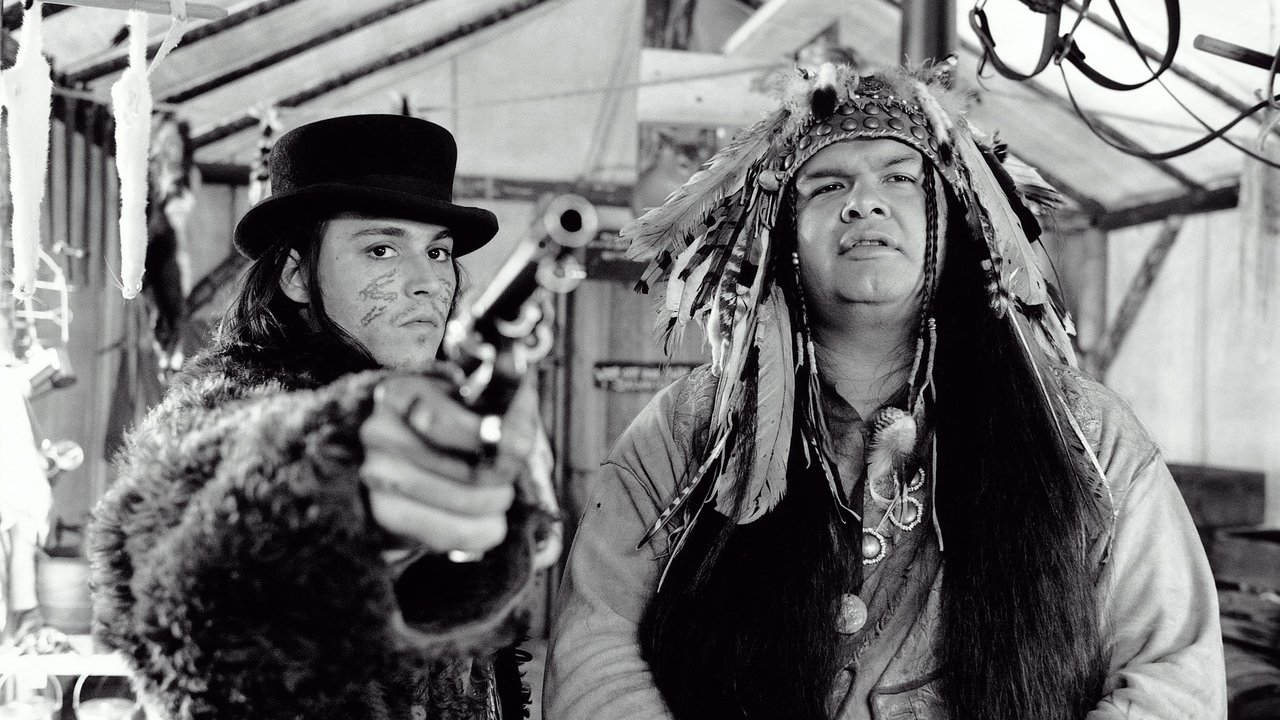
What's striking is how consistently he's returned to the same collaborators across decades — Tom Waits, John Lurie, and Roberto Benigni appeared in multiple early films; later, Bill Murray, Tilda Swinton, and Adam Driver became central figures in his work. Dead Man (1995) marked a turn toward genre, a strange Western shot in black-and-white with Neil Young improvising the score on set, and Ghost Dog: The Way of the Samurai (1999) filtered samurai philosophy through a hitman drama set in a deteriorating American city. He can't really be accused of repeating himself, even when the surface aesthetics stay consistent. Broken Flowers (2005) won the Grand Prix at Cannes. Only Lovers Left Alive (2013) turned a vampire story into something closer to a meditation on creative exhaustion. Paterson (2016) — about a bus driver in New Jersey who writes poetry — is probably his quietest film, which is saying something.
His most recent theatrical release before 2026 was The Dead Don't Die (2019), a zombie comedy with a cast that included Bill Murray, Adam Driver, Chloë Sevigny, and Tilda Swinton, and which received a mixed but interested reception (Variety reported that it divided Cannes, which felt appropriate). Now Jarmusch is attached to Father Mother Sister Brother: A Family Reunion Drama, set for 2026. The title alone suggests a return to the kind of ensemble, relationship-driven territory he's circled throughout his career — not action, not genre mechanics, just people in a room with history between them. Hard to say if it'll be as spare as Paterson or as stylized as Only Lovers Left Alive, but the framing of it as a "family reunion" drama puts it squarely in the register of accumulated grievance and unspoken feeling that he handles better than almost anyone working today.
Jarmusch doesn't make films quickly. The gaps between projects are long, and he's never seemed interested in building a commercial profile or chasing distribution deals. That's kept him financially constrained at times but creatively consistent in a way that's genuinely rare. Father Mother Sister Brother arrives roughly seven years after The Dead Don't Die, which tracks. At 72, he remains one of the few American directors whose name on a project tells you something specific and reliable about what you're going to experience — not a style exactly, more a set of values about what cinema is for.
Currently streaming
1 of 2 on platforms
Filmography
Frequently asked questions
When and where was Jim Jarmusch born?
Jim Jarmusch was born 1953-01-22 in Cuyahoga Falls, Ohio, USA.
What films is Jim Jarmusch known for?
Jim Jarmusch has 2 titles indexed on Movie OTT, including Father Mother Sister Brother: A Family Reunion Drama, Dead Man.
Where can I watch Jim Jarmusch's films?
1 of Jim Jarmusch's films are currently streaming, available on HBO Max Amazon Channel, Max, Movistar Plus+ Ficción Total , MUBI.
Has Jim Jarmusch directed any films?
Yes — Jim Jarmusch has 2 directorial credits indexed on Movie OTT.
How long has Jim Jarmusch been active?
Jim Jarmusch's film career on Movie OTT spans from 1995 to 2026 — 31 years of work.