The Story of The Locket: Deception Beneath a Wedding Veil
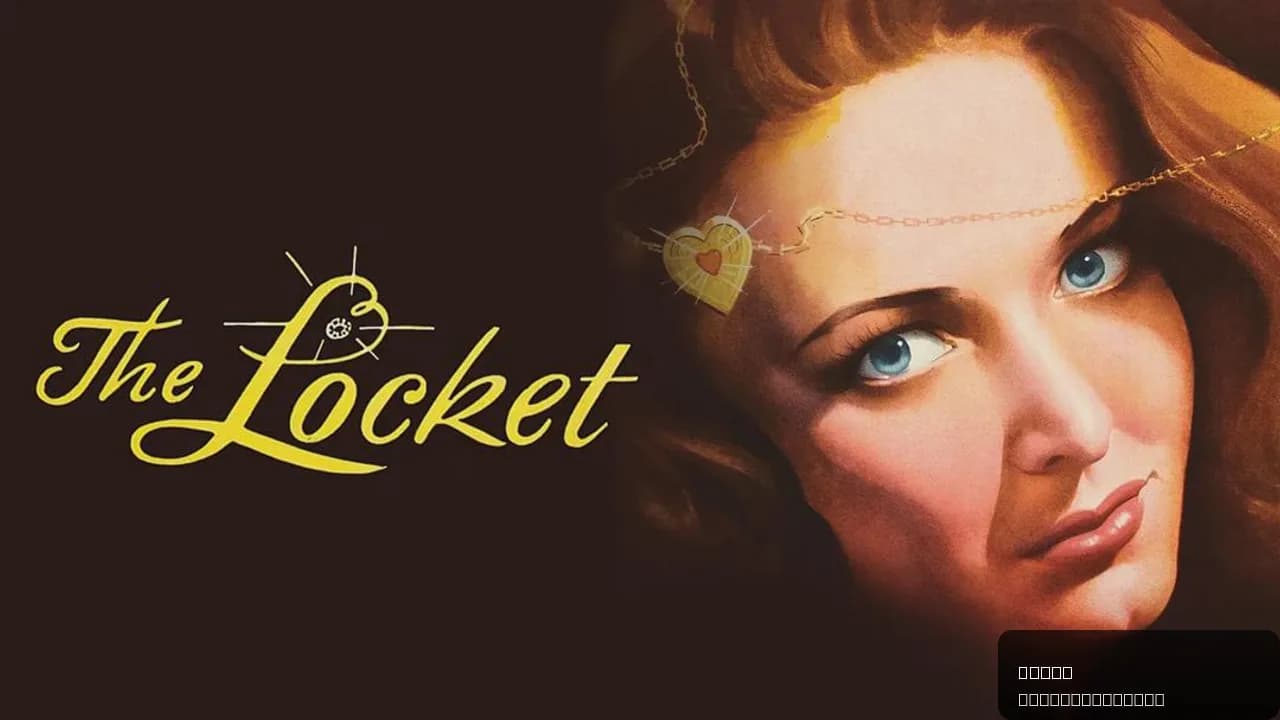
The Locket opens on what should be a moment of pure joy—a wedding day—but this is noir, and nothing here is pure. Laraine Day plays Nancy, a young woman about to marry a decent man, except she's carrying a secret so corrosive it threatens to destroy everything she's built. What unfolds is a portrait of manipulation and psychological damage told through one of cinema's most audacious narrative structures: a series of flashbacks nested inside one another, each layer peeling back another chapter of Nancy's destructive past. The film doesn't just tell you that she's used every man she's encountered—it shows you the specific moments, the specific lies, the specific ways she's weaponized charm and vulnerability to get what she wants. By the time the final frame arrives, you're left questioning what you've actually seen and whether Nancy herself even understands the damage she's caused.
Behind the Making of The Locket: Production, Cast, and RKO's Ambition
John Brahm directed The Locket as an RKO Pictures release, bringing his reputation for psychological depth to a screenplay by Sheridan Gibney, adapted from Norma Barzman's original story "What Nancy Wanted." (Barzman's later husband, Ben Barzman, would eventually be blacklisted—a footnote to Hollywood's darker history that adds an extra layer of intrigue to the film's exploration of hidden truths.) The 85-minute runtime is lean, but Brahm uses every second to construct what remains perhaps the most convoluted narrative structure in noir history. The cast assembled around Day is formidable: Brian Aherne, Robert Mitchum in an early role, and Gene Raymond all anchor different time periods in Nancy's life, creating a sense that we're watching the same woman through multiple mirrors, each reflection slightly distorted. Cinematographer Nicholas Musuraca, working with composer Roy Webb, crafted a visual and sonic language that feels claustrophobic even when scenes take place in open rooms. The film arrived in 1946 to solid interest, though its narrative complexity—that "flashback within a flashback within a flashback" structure that critics couldn't stop mentioning—proved both its greatest asset and a barrier to mainstream embrace. It's the kind of movie that was ahead of its time in ways audiences didn't fully appreciate until decades later.
What Makes The Locket Stand Out: Narrative Audacity and Performance
What's striking about The Locket is that it doesn't just use flashbacks as a storytelling device—it uses them as a form of psychological investigation. You're not watching a linear story with convenient exposition; you're watching a woman's past collapse inward, each memory contradicting or complicating the one before it. Laraine Day's performance is the engine that drives all of this. She plays Nancy with a kind of controlled desperation, a woman who seems almost unaware of her own capacity for harm. What makes her terrifying isn't theatrical villainy—it's the way she can shift from genuine vulnerability to calculated cruelty in the space of a look. Mitchum, though his screen time is limited, carries a particular weight; there's something in his bearing that suggests he's seen through Nancy even as he's falling for her. Aherne, as the man she's about to marry, embodies the tragedy of the film—he represents decency and stability, which is precisely why Nancy can't help but destroy him.
The thing nobody mentions is how the film's structure mirrors Nancy's own fractured psychology. She doesn't experience her past as a coherent narrative; it comes in fragments, contradictions, overlapping versions of the same events. By forcing the viewer to track multiple timelines and unreliable accounts, Brahm doesn't just tell us Nancy is damaged—he makes us feel the disorientation of being trapped inside her mind. It's a bold choice that could've been gimmicky in less capable hands, but here it feels inevitable, almost necessary. Movie OTT tracks how films like this one have influenced modern cinema's approach to unreliable narration and psychological complexity, and The Locket stands as a clear ancestor to everything from Memento to Mulholland Drive.
Where to Stream The Locket Online
If you're ready to experience this labyrinthine noir for yourself, The Locket is currently available on several streaming platforms. You can watch it on Amazon Prime Video with Ads, HBO Max Amazon Channel, Max, and Prime Video—multiple options depending on your existing subscriptions. The where-to-watch widget at the top of this page will show you real-time availability and help you find the best option for your setup. Since The Locket's visual language depends so heavily on shadow and contrast, it's worth seeking out the cleanest version available; the cinematography by Nicholas Musuraca is too intricate to appreciate on a compressed stream. If you're a subscriber to any of the platforms mentioned, you've likely got access already—just search the title and dive in.
Frequently Asked Questions
Q: Who directed The Locket and what's his background?
John Brahm directed The Locket in 1946. Brahm was known for his work in psychological thrillers and noir, bringing a sophisticated approach to narrative structure and character depth that's on full display here.
Q: Is The Locket based on a true story?
No, it's based on an original story called "What Nancy Wanted" by Norma Barzman, adapted into a screenplay by Sheridan Gibney specifically for the film.
Q: What's the deal with all the flashbacks everyone talks about?
The Locket uses nested flashbacks—flashbacks within flashbacks—to tell its story from multiple perspectives and time periods. It's disorienting by design, meant to mirror the protagonist's fragmented psychology and create an experience that's genuinely unsettling rather than straightforward.
Q: How long is The Locket?
The film runs 85 minutes, a lean runtime that Brahm uses efficiently to build psychological tension without padding.
Q: What streaming services have The Locket?
The Locket is available on Amazon Prime Video with Ads, HBO Max Amazon Channel, Max, and Prime Video, with availability varying by region and subscription tier.
Final Thoughts on The Locket
The Locket isn't a comfortable watch—it's deliberately disorienting, and the ending doesn't offer easy catharsis or moral clarity. But that's exactly what makes it essential viewing for anyone serious about noir. It's a film that trusts its audience to sit with ambiguity, to piece together contradictory information, and to confront the possibility that some people are simply broken in ways that can't be fixed by love or money or a fresh start. Sixty years later, that's still a radical proposition. If you've got access to one of the platforms carrying it, don't wait for the "right mood"—just start watching.