The Story of The Eternal Zero and Its Haunting Frame Narrative
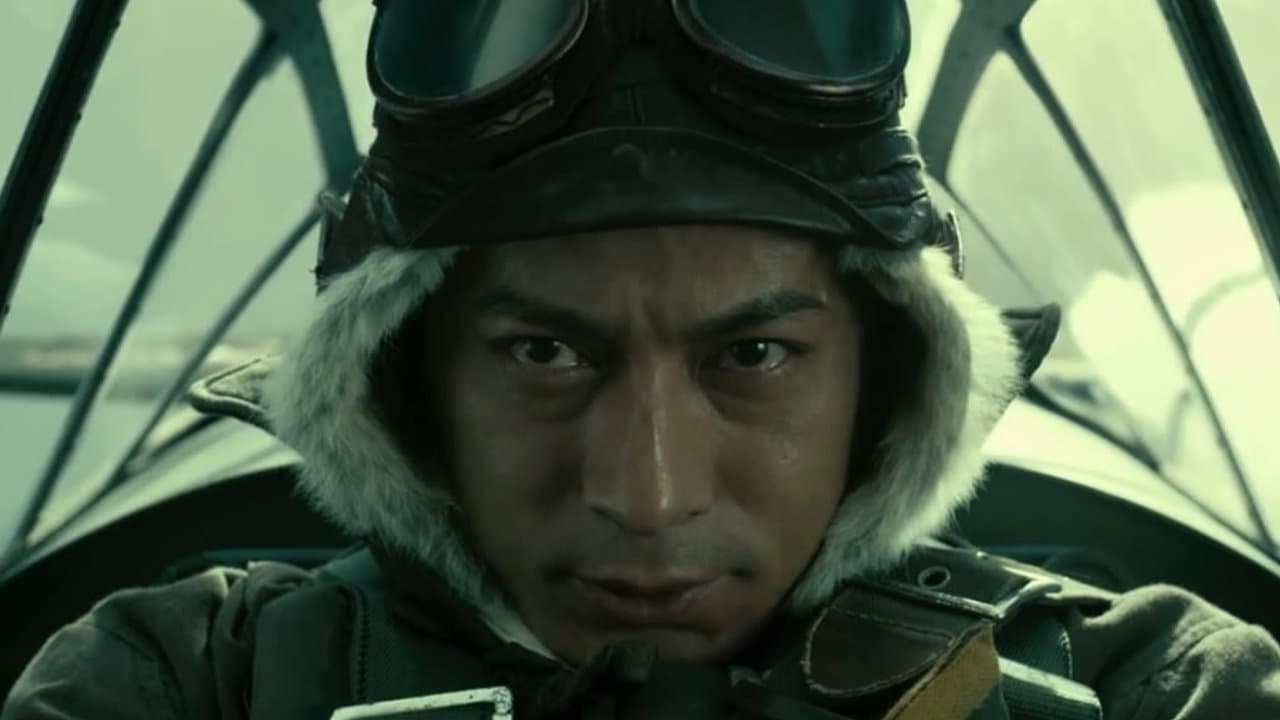
The Eternal Zero opens in 2004 with a deceptively simple premise: a young man and his sister learn that their biological grandfather was a kamikaze pilot who died during World War II. What starts as a family mystery becomes something far more complex. Rather than finding a straightforward heroic tale, the siblings encounter contradictory testimonies from their grandfather's former comrades—each account revealing a different version of who he really was, why he joined his squadron, and what his final flight truly meant. Director Takashi Yamazaki uses this frame story to anchor what could've been a straightforward war picture into something more psychologically intricate. The film doesn't rush to judgment about its central figure. Instead, it lets the ambiguity breathe, asking viewers to sit with the uncomfortable reality that historical truth is often messier than the myths we construct around it.
Behind the Making of The Eternal Zero and Its Record-Breaking Box Office
The Eternal Zero is based on Naoki Hyakuta's 2006 novel of the same name, adapted and directed by Takashi Yamazaki, who also handled the visual effects—a rare combination that speaks to his complete creative vision for the project. The film was a massive collaborative effort, with production credits spanning Amuse Soft Entertainment, TOHO, Kodansha, and dozens of other Japanese media and publishing houses, suggesting this wasn't just a movie but a cultural event. Released in Japan on December 21, 2013, the film became a phenomenon. It grossed over ¥8.76 billion, making it the highest-grossing Japanese film of 2014. That's not just box office success—that's a film that captured the national conversation. At 144 minutes, Yamazaki crafted an ambitious, deliberately paced narrative that refuses to cut corners, even when a leaner runtime might've been commercially safer. The film carries an IMDb rating of 7/10, reflecting its strong reception among general audiences, though critical consensus has remained more divided, which itself is telling about a work that doesn't settle for easy answers about war, duty, and national identity.
What Makes The Eternal Zero Stand Out Among War Cinema
What's striking about The Eternal Zero is how it uses the mystery structure not as a gimmick but as a genuine philosophical tool. The conflicting testimonies don't feel like plot devices—they feel like the real texture of how we remember and misremember history. One former comrade might describe the grandfather as selfless; another paints him as reluctant, even cowardly. A third remembers him as caught between impossible choices. The film trusts viewers to hold these contradictions without demanding resolution. That's rare in mainstream cinema, especially in war films, which often lean toward clarity and moral certainty. Yamazaki's direction here is patient and observant. He doesn't manipulate your emotions through swelling orchestral cues at predictable moments. Instead, he lets scenes breathe—a conversation in a cramped apartment, a walk through a memorial garden, a moment of silence that says more than dialogue ever could. The performances anchor everything. The younger actors investigating the mystery carry genuine confusion and emotional vulnerability, while the older actors recounting their memories seem to be wrestling with guilt, pride, and the weight of decades-long silence. There's a scene late in the film where one elderly veteran finally breaks down while describing a particular mission—not because the movie's manipulating you, but because you've earned the right to witness genuine human fracturing through patient storytelling.
Where to Stream The Eternal Zero Online
The Eternal Zero is currently available on major OTT services, and Movie OTT tracks its availability across multiple platforms so you don't have to hunt around. The film's 144-minute runtime makes it a commitment, but it's the kind of film that rewards your time investment. Given its status as one of Japan's most commercially successful films, it's found its way onto several streaming platforms in recent years. Check the Where to Watch widget at the top of this page to see exactly which services are carrying it in your region right now—availability shifts seasonally, and Movie OTT keeps that information current so you can jump in whenever you're ready.
Frequently Asked Questions
Q: Is The Eternal Zero based on a true story?
No, it's based on Naoki Hyakuta's 2006 novel, which is itself a work of fiction. However, it's grounded in the historical reality of kamikaze operations during World War II and explores how personal and national mythology can obscure historical truth.
Q: Who directed The Eternal Zero?
Takashi Yamazaki directed, co-wrote, and handled the visual effects for the film. His multi-hyphenate approach shaped the entire aesthetic and philosophical tone of the project.
Q: How long is The Eternal Zero?
The film runs 144 minutes (2 hours and 24 minutes), making it a substantial viewing experience that doesn't rush its narrative or emotional beats.
Q: Why was The Eternal Zero so commercially successful in Japan?
The film grossed over ¥8.76 billion and became the highest-grossing Japanese film of 2014, likely because it tapped into ongoing national conversations about how Japan remembers and interprets its wartime past—a subject that remains culturally resonant and contested.
Q: Does The Eternal Zero glorify kamikaze pilots?
No. The film deliberately avoids simple heroic narratives, instead presenting conflicting perspectives that force viewers to grapple with complicated questions about coercion, choice, and how we mythologize sacrifice.
Final Thoughts on The Eternal Zero
The Eternal Zero won't give you easy answers, and honestly, that's exactly why it's worth watching. It's a film that trusts its audience to sit with moral ambiguity and historical complexity without demanding closure. If you're looking for a war film that moves beyond spectacle and asks genuine questions about memory, duty, and what we choose to remember—or forget—this is it. Don't expect a conventional narrative arc. Expect something that'll stay with you long after the credits roll.