



The Story of Kagemusha: A Thief Becomes a Shadow
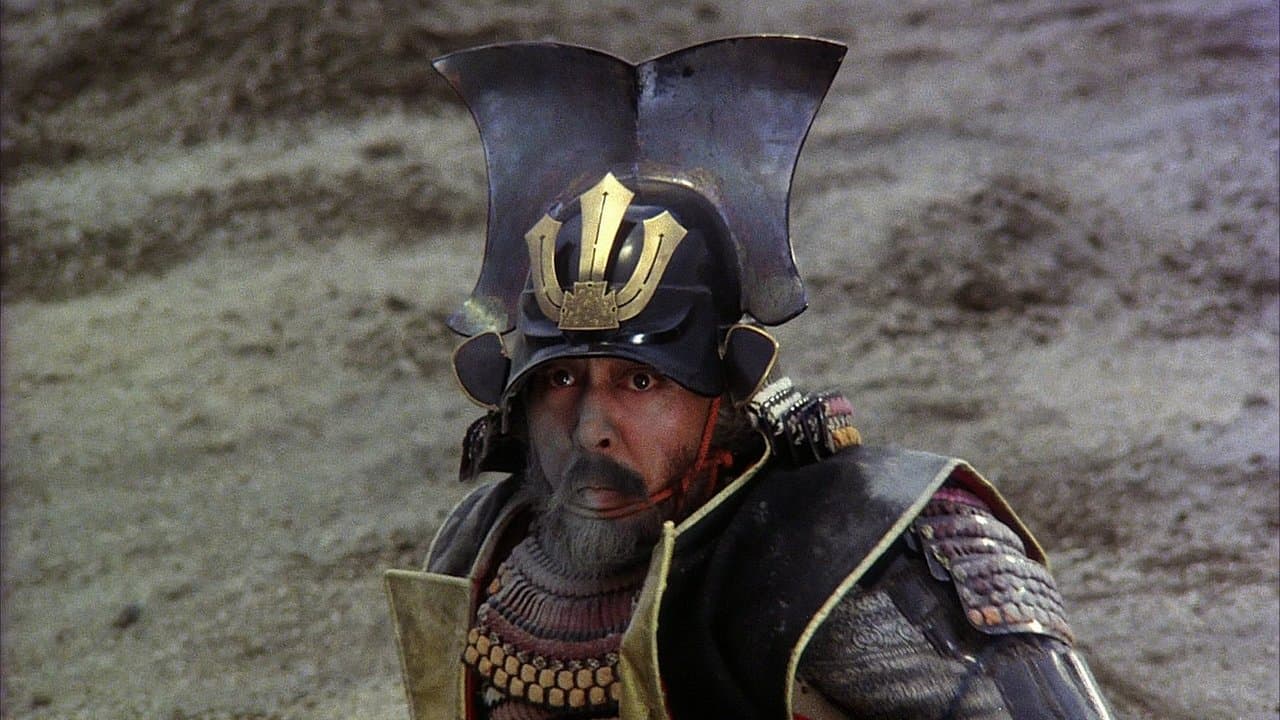
Kagemusha tells the story of a lower-class thief plucked from obscurity and thrust into the highest echelons of feudal power. The aging warlord Takeda Shingen, weakened by illness and sensing vulnerability in his clan, recruits this petty criminal to serve as his double—a kagemusha, or shadow warrior. The deception's purpose is straightforward: rival lords, circling like vultures, must believe Shingen remains strong and capable. As long as the thief can convincingly mimic the warlord's mannerisms, his voice, his bearing, the Takeda clan stays protected. But then Shingen dies. His generals face an impossible choice: reveal the truth and invite invasion, or let the thief continue the masquerade. They choose the latter, and what begins as a survival tactic becomes something far more complicated—a meditation on identity, loyalty, and whether a man can truly step into another's skin and never step back out.
Behind the Making of Kagemusha: Production, Awards, and Legacy
Kagemusha emerged from a collaboration between TOHO and 20th Century Fox, with Kurosawa's own production company bringing the vision to life. The film's 180-minute runtime—three full hours—allows Kurosawa to build his world with deliberate, painterly precision. Released in 1980, it arrived at a pivotal moment in the director's career, following years of relative quiet after the commercial disappointment of earlier works. The film proved a critical and commercial vindication, earning widespread acclaim and securing Kurosawa's place as a living master of cinema. It premiered at the Cannes Film Festival and went on to win the Palme d'Or, cementing its status as one of the decade's most significant films. The cast, led by Tatsuya Nakadai as both Shingen and the thief, delivered performances of extraordinary range—moving between imperial authority and desperate improvisation with unsettling fluidity. Nakadai's dual role remains one of cinema's great acting achievements, a portrait of two men who become one. The film's visual language, shot in widescreen color, draws on Kurosawa's decades of mastery with composition and movement. Every frame feels inhabited, every crowd scene choreographed like a dance. When Variety reviewed the film's restoration years later, critics noted how the cinematography had aged like fine wine, the colors still vibrant, the spatial relationships still breathtaking.
What Makes Kagemusha Stand Out: Themes of Identity and Performance
What's striking about Kagemusha is how it operates on multiple levels simultaneously. On the surface, it's a war film—there's intrigue, strategy, and the famous climactic Battle of Nagashino, a historical engagement from 1575 rendered with stunning scale and tragic beauty. But beneath that sits something more philosophical: a question about the nature of self. Can a man become someone else by sheer force of will and repetition? Does the role reshape the actor, or does the actor remain fundamentally unchanged beneath the mask? The thief starts as a survival mechanism—a tool, barely human in the eyes of those around him. Yet as weeks pass, something shifts. He begins to inhabit Shingen's world not just physically but emotionally. He attends councils, makes decisions, carries the weight of thousands of lives. The generals watch this transformation with a mixture of gratitude and unease. They've created something they can't fully control. What I keep coming back to is the film's refusal to offer easy answers. The thief doesn't become Shingen. He doesn't suddenly discover nobility in his blood. Instead, he becomes trapped between two identities—neither fully the criminal he was nor truly the lord he pretends to be. This liminal space is where Kurosawa finds his deepest drama. The performances reflect this ambiguity brilliantly. Nakadai's portrayal of the thief gradually sheds its desperation and takes on a strange dignity, while his Shingen radiates a kind of weary authority that makes his death feel inevitable rather than shocking. The supporting cast—particularly the generals who must maintain the lie—brings a bureaucratic tragedy to the proceedings. They're not villains. They're men trying to survive, making increasingly difficult choices in service of something larger than themselves.
Where to Stream Kagemusha Online
Kagemusha is available on major OTT services, and Movie OTT tracks current streaming availability across all platforms so you don't have to hunt through multiple apps. The film's three-hour runtime makes it an ideal weekend commitment—the kind of film that demands your full attention and rewards it generously. Whether you're accessing it through your regular streaming subscription or discovering it anew, Kagemusha benefits enormously from a quality picture and sound setup. The color palette, the intricate sound design of battle sequences, the subtle facial expressions—these details matter. Movie OTT's Where to Watch widget at the top of this page will show you exactly where the film is currently streaming in your region, so you can start watching immediately.
Frequently asked questions
Q: Who directed Kagemusha and when was it released?
Akira Kurosawa directed Kagemusha in 1980. It was a major comeback for the legendary filmmaker and premiered at the Cannes Film Festival, where it won the Palme d'Or.
Q: Is Kagemusha based on a true story?
While Kagemusha is set during the real Sengoku period of Japanese history and references the actual 1575 Battle of Nagashino, the central plot about a thief impersonating a warlord is a fictional creation. The concept of a kagemusha—a political decoy or shadow warrior—was a real historical practice, but this particular story is Kurosawa's invention.
Q: How long is Kagemusha?
The film runs 180 minutes, or three hours. It's a substantial work that unfolds at Kurosawa's deliberate pace, allowing viewers to absorb the visual and narrative details.
Q: What's the IMDb rating for Kagemusha?
Kagemusha holds a 7.8/10 rating on IMDb, reflecting strong critical and audience appreciation for the film's craft and storytelling.
Q: What does the title Kagemusha mean?
Kagemusha is a Japanese term meaning "shadow warrior." It refers to a political decoy or imposter used to deceive enemies—which is exactly the role the thief plays in the film.
Final Thoughts: Who Should Watch Kagemusha
Kagemusha isn't a film for passive viewing. It demands engagement, patience, and a willingness to sit with ambiguity. If you're drawn to historical epics, character studies, or Kurosawa's body of work, it's essential viewing. If you've never experienced Kurosawa before, this is an excellent entry point—visually stunning, narratively gripping, and thematically rich. The film asks profound questions about identity and duty without ever feeling didactic or preachy. It simply shows us a man caught between two worlds and lets us draw our own conclusions. That restraint, that trust in the audience's intelligence, is part of what makes it endure.