





The Story of Ran: When a Warlord Surrenders Power
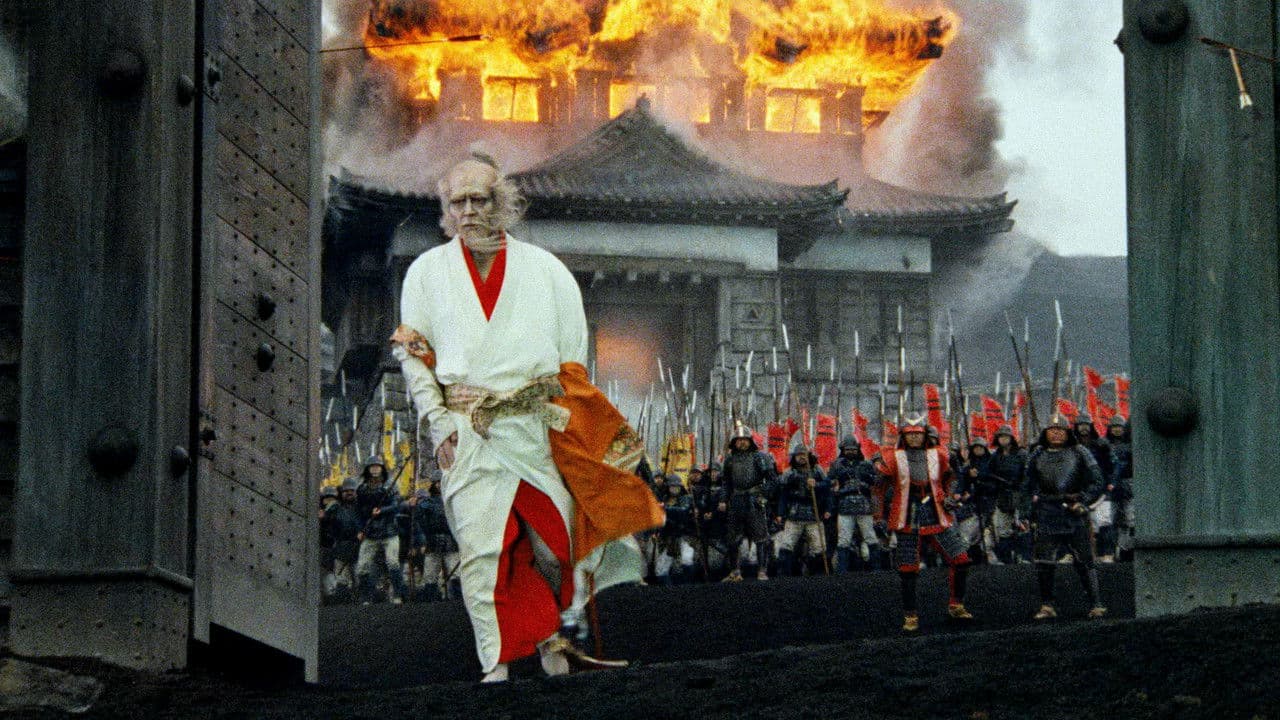
Ran tells the story of Hidetora Ichimonji, an aging Sengoku-period warlord who makes a fateful decision: he'll retire and divide his kingdom among his three sons, hoping to ensure peace and prosperity. It's a premise borrowed from Shakespeare's King Lear, but Akira Kurosawa doesn't simply adapt the play—he absorbs it, relocates it, and transforms it into something entirely his own. What unfolds isn't a comfortable story of succession planning. Instead, it's a descent into betrayal, madness, and the brutal logic of power that governs the world Hidetora thought he controlled. The film follows his journey from confident patriarch to broken wanderer, watching everything he built crumble around him as his sons turn against one another and against him. Kurosawa's genius lies in how he uses the sixteenth-century Japanese landscape—those sprawling castles, those blood-soaked battlefields—to ask questions that feel urgent even now: What happens when ambition meets old age? Can power ever be truly relinquished? And in a world governed by self-interest, is there any such thing as loyalty?
Behind the Making of Ran: Production, Awards, and Kurosawa's Final Vision
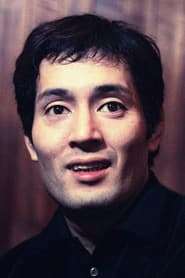
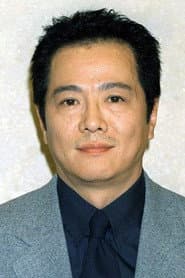
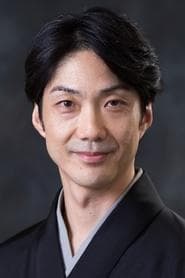
Ran arrived in 1985 as Akira Kurosawa's most ambitious undertaking in decades—and possibly his most expensive. Produced by Nippon Herald Films, Greenwich Film Production, and Herald Ace, the film represented a massive bet on Kurosawa's enduring vision. At 160 minutes, it demanded patience from audiences and absolute precision from its maker. The production was grueling. Kurosawa, already in his mid-seventies, oversaw everything with meticulous control: the cinematography, the editing, the color palette choices that would define how we see the film today. Tatsuya Nakadai, one of Japan's most respected actors, carries the film as Hidetora, delivering a performance that captures both the arrogance of a man accustomed to obedience and the vulnerability of someone watching his world collapse. The supporting cast—including Akira Terao, Jinpachi Nezu, and Daisuke Ryu as the three sons—creates a web of competing ambitions that feels lived-in and terrifyingly real.
The film's reception was immediate and reverential. It won the Palme d'Or at Cannes in 1985, cementing Kurosawa's status as one of cinema's towering figures. The Academy took notice as well, nominating Ran for Best Foreign Language Film and Best Cinematography. What's striking is that critics weren't just praising the film's technical mastery—they were recognizing it as a work of profound artistic vision, a late-period masterpiece that proved Kurosawa still had something urgent to say about power, aging, and the human condition. Movie OTT's streaming aggregator tracks how this 1985 classic has found new audiences across multiple platforms, making it easier than ever to experience Kurosawa's vision without the theatrical pilgrimage that once defined how cinephiles encountered his work.
What Makes Ran Stand Out: Vision, Performance, and Moral Ambiguity
Here's what nobody mentions enough about Ran: it's funny. Not in a comedic sense, but in the way that tragedy often is—there's a dark, almost absurdist humor in watching Hidetora's certainty evaporate, in seeing his sons squabble over power like children fighting over toys, in the sheer inevitability of his downfall. Kurosawa understood that the most devastating stories aren't the ones where everything goes wrong randomly; they're the ones where you can see exactly how and why the collapse happens, and you can't look away. Tatsuya Nakadai's performance is the emotional anchor here. He doesn't play Hidetora as a sympathetic figure—the man is arrogant, authoritarian, and blind to the consequences of his own decisions. But Nakadai finds something underneath that arrogance: a deep, almost primal fear of irrelevance. When Hidetora finally breaks, when he's wandering the heath in a rainstorm (yes, Kurosawa gives us that scene), it's not because the script demands pathos. It's because we've watched this man's entire understanding of the world—his identity as a ruler, his belief that his will matters—get systematically dismantled by people he trusted.
What's also remarkable is how Kurosawa handles the violence. The battle sequences are stunning and brutal, filmed with a kind of operatic intensity that makes them feel both beautiful and horrifying. There's no glorification here—war is presented as chaos, as the inevitable result of ambition meeting opportunity. I keep coming back to the color work in these scenes: the reds and golds bleed across the screen like blood and fire made visible. This isn't just technical skill; it's thematic choice. Every visual decision Kurosawa makes serves the story's central thesis: that the world is fundamentally unstable, that power is an illusion, and that madness and sanity are often just different perspectives on the same reality. Some viewers find the film's length—160 minutes—excessive, and I understand the complaint, but that length serves a purpose. It forces us to sit with Hidetora's suffering, to feel the weight of his choices, to experience time the way he does: as something both endless and slipping away.
Where to Stream Ran Online: Accessing Kurosawa's Epic
Ran is currently available on major OTT services, which means finding it is far simpler than it was even a decade ago. Movie OTT maintains an up-to-date widget showing exactly which platforms carry this title in your region, eliminating the frustration of bouncing between apps looking for a film that's hiding on some obscure service. Whether you're looking to revisit this masterpiece or experiencing it for the first time, you'll want to check the Where to Watch section at the top of this page to see current availability. The film's length and complexity mean it's best experienced on a platform where you can watch it in full without interruption—so plan accordingly. Streaming has democratized access to Kurosawa's work in ways that would've seemed impossible twenty years ago, making it possible to encounter one of cinema's greatest achievements without the gatekeeping that once surrounded it.
Frequently asked questions
Q: Is Ran based on Shakespeare's King Lear?
Yes, Ran directly adapts the plot of King Lear, transplanting it to sixteenth-century Japan. However, Kurosawa also incorporates elements from Japanese history and legend—particularly stories about the daimyō Mōri Motonari—creating a hybrid that's both faithful to Shakespeare's themes and distinctly Japanese in execution.
Q: Who directed Ran and why is he considered a master filmmaker?
Akira Kurosawa directed, co-wrote, and edited Ran. He's revered because of his revolutionary approach to visual storytelling—his influence on cinema is almost impossible to overstate. Ran, released when Kurosawa was in his mid-seventies, stands as one of his finest achievements, proving that his artistic vision remained undiminished in his later years.
Q: How long is Ran, and is it worth the time commitment?
Ran runs 160 minutes, which is substantial but deliberate. Kurosawa uses that runtime to build atmosphere, develop character, and let scenes breathe. Whether it's "worth it" depends on your patience for epic cinema, but most serious film lovers find the length justified by what the film accomplishes.
Q: What makes Ran different from other Shakespeare adaptations?
Ran doesn't try to be a faithful stage adaptation. Instead, Kurosawa uses Shakespeare's story as a skeleton and builds something entirely cinematic around it—using landscape, color, and the specific context of Japanese feudalism to explore universal themes about power and mortality in ways that feel fresh and urgent.
Q: Did Ran win any major awards?
Yes. Ran won the Palme d'Or at the 1985 Cannes Film Festival and received Academy Award nominations for Best Foreign Language Film and Best Cinematography. It's considered one of Kurosawa's masterpieces and one of the greatest films ever made.
Final Thoughts on Ran: A Film That Demands and Rewards Attention
Ran isn't easy. It's long, it's violent, it's morally murky, and it refuses to offer easy answers about power or human nature. But that's precisely what makes it essential. Kurosawa made this film late in his career, when he could have coasted on his reputation. Instead, he created something that feels urgent and alive—a meditation on ambition, aging, and the fragility of everything we build. If you've got the time and the appetite for cinema that challenges, Ran is waiting for you on major streaming services. It'll change how you think about what movies can do.