

The Story of Rhapsody in August
Rhapsody in August is Akira Kurosawa's final film, and it's a quietly devastating portrait of how the past refuses to stay buried. The narrative centers on an elderly woman—a hibakusha, a survivor of the 1945 atomic bombing of Nagasaki—who spends a summer caring for her four grandchildren while her son and daughter-in-law are away. The kids arrive full of curiosity and the kind of innocent energy that only childhood allows, but they're also drawn to questions about their grandmother's past, about the day that changed everything. When word arrives that a long-lost brother living in Hawaii wants to visit before he dies, the family faces something none of them expected: the possibility of reconciliation, the weight of survivor's guilt, and the question of whether forgiveness is even possible across the gulf of decades and continents.
What makes the setup so elegant is how Kurosawa doesn't announce his themes. The film unfolds like a summer itself—meandering, sometimes funny, sometimes unbearably tender, with moments of lightness that make the heavier scenes land harder when they arrive. The grandchildren don't understand what they're asking when they press their grandmother about the bombing. They're just kids. But their questions open doors the old woman has kept locked for nearly half a century.
Behind the Making of Rhapsody in August
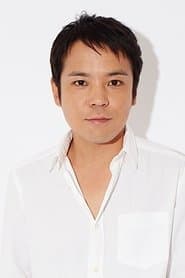
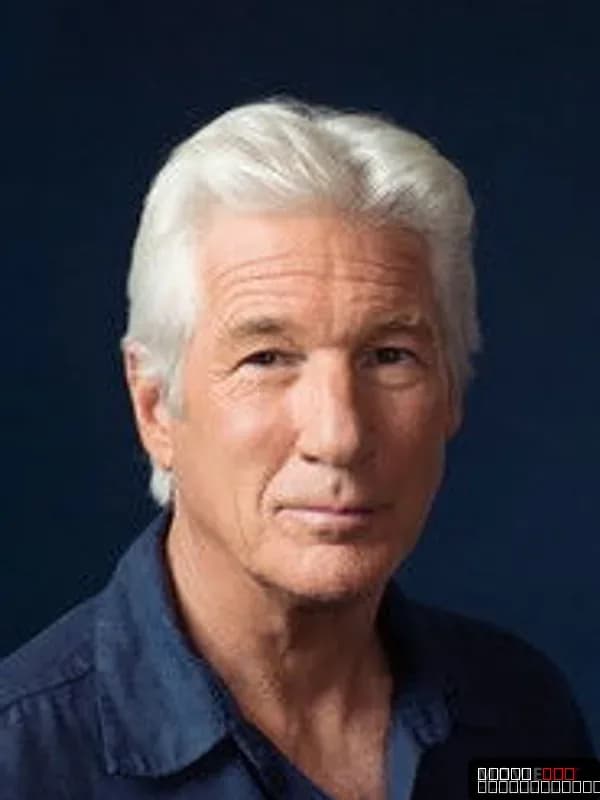
Rhapsody in August was adapted from Kiyoko Murata's novel Nabe no naka, and Kurosawa brought his signature visual intelligence to every frame—though by 1991, he was working with a smaller budget and a more intimate scale than his earlier epics. The film marked a significant moment in his career: his last theatrical feature before his death in 1998. Sachiko Murase anchors the film as the grandmother, delivering a performance of such quiet authority that you believe she's lived through unimaginable trauma and chosen to keep living anyway. Hidetaka Yoshioka plays the eldest grandson, and Richard Gere appears as the American nephew—a casting choice that was controversial at the time (some critics felt it was pandering to Western audiences) but which Kurosawa used deliberately, making Gere's presence a symbol of the outside world intruding on this family's reckoning.
The production involved Kurosawa Production, Shochiku, Sony PCL, and IMAGICA, and the film arrived at a moment when Japanese cinema was reassessing its relationship to the war and its aftermath. It won the Golden Lion at the Venice Film Festival in 1991, cementing Kurosawa's reputation as a filmmaker who could still surprise audiences well into his ninth decade. The runtime of 98 minutes is deceptively economical—there's not a wasted moment, though the pacing feels unhurried, almost meditative. If you're tracking down where to watch it, Movie OTT maintains a current list of streaming platforms carrying this title, so you can see exactly which services have it available in your region.
What Makes Rhapsody in August Stand Out
Honestly, what's striking about this film is how it refuses sentimentality even when every scene tempts it. Kurosawa could've made this into a tear-jerker, a cathartic explosion of grief and healing. Instead, he does something harder: he shows how grief lives alongside ordinary life, how a grandmother can be laughing with her grandchildren one moment and then disappear into memory the next. The performances are the backbone here. Murase doesn't play victimhood; she plays survival—the specific kind of exhaustion that comes from carrying something too heavy for too long. When Gere's character arrives, there's an awkwardness that feels genuine, not manufactured. These people are strangers who share blood and history but nothing else. Can they bridge that gap? The film doesn't answer the question cleanly, which is exactly why it matters.
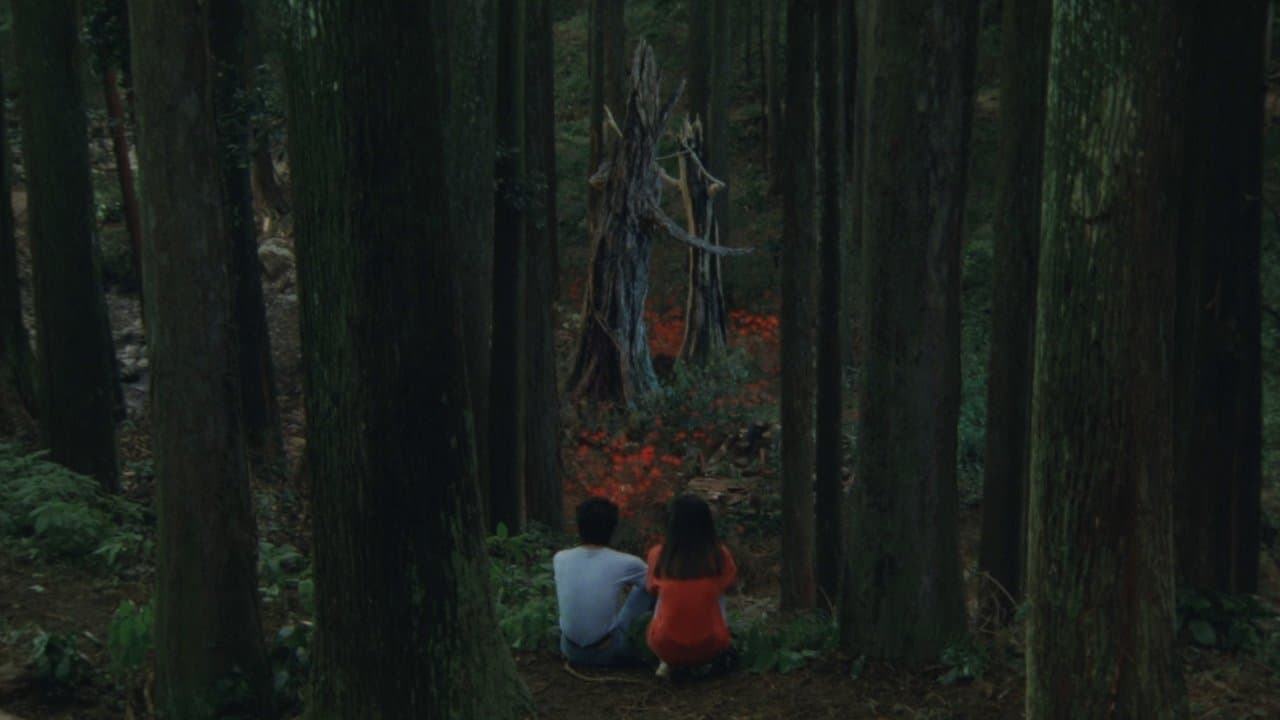
The use of silence and music throughout—particularly in how Kurosawa frames moments of remembrance—creates a kind of emotional architecture that works on you slowly. There's a scene where the grandmother watches her grandchildren play, and you see something shift in her face. Not a dramatic realization, just a small adjustment, a tiny opening. That's the film's real subject: not the bomb itself, but how we live after catastrophe, how we make room for joy and sorrow in the same breath. The IMDb rating of 7.164/10 doesn't quite capture how specific and moving this film is—it's the kind of movie that sneaks up on you, that you'll find yourself thinking about weeks later. What's rarely discussed is the role of nature in the film's visual language; Kurosawa uses gardens, water, and light to suggest both the passage of time and the persistence of beauty in a world that's known terrible things.
How to Stream Rhapsody in August Online
Rhapsody in August is available across major OTT platforms, and the Where to Watch widget at the top of this page will show you exactly which services currently carry it in your area—streaming availability shifts frequently, so that widget's your best bet for up-to-date information. Movie OTT tracks these changes across Netflix, Prime Video, and other major platforms, updating availability in real time. Since this is a 1991 Japanese drama, it's not always front-and-center on mainstream services, so if you see it available, don't wait—these titles can rotate off catalogs fairly quickly. The 98-minute runtime makes it a manageable evening watch, and honestly, it's worth clearing your schedule for. Once you start, you'll want to sit with it all the way through.
Frequently asked questions
Q: Who directed Rhapsody in August?
Akira Kurosawa directed the film. It was his final theatrical feature, released in 1991 when he was in his eighties, and it won the Golden Lion at the Venice Film Festival that year.
Q: Is Rhapsody in August based on a true story?
The film is based on the novel Nabe no naka by Kiyoko Murata, though it's not a biography of a specific person. It's a fictional exploration of how families process historical trauma, particularly the legacy of the atomic bombing of Nagasaki.
Q: What does hibakusha mean?
Hibakusha is a Japanese term for survivors of the atomic bombings of Hiroshima and Nagasaki in 1945. The protagonist of Rhapsody in August is a hibakusha who lost her husband in the Nagasaki bombing.
Q: Why is Richard Gere in a Kurosawa film?
Kurosawa cast Gere as the American nephew deliberately—his presence as an outsider represents the Western world and creates tension around forgiveness and reconciliation. The casting was controversial but served the film's thematic purpose.
Q: How long is Rhapsody in August?
The film runs 98 minutes, a relatively compact runtime that Kurosawa uses efficiently to build emotional resonance without excess.
Final Thoughts on Rhapsody in August
Rhapsody in August is a film for people who believe cinema can hold contradictions—grief and laughter, memory and forgetting, the individual and history. It's not a comfortable watch, but it's a necessary one, especially now. Kurosawa made this film knowing it might be his last, and you can feel that awareness in every choice. It's patient, humane, and absolutely unafraid to sit in silence. If you haven't seen it, seek it out. If you have, it's worth revisiting.