









The story of The Exorcism of Emily Rose
When a young girl named Emily Rose dies under mysterious circumstances, suspicion immediately falls on the exorcism performed by Father Moore just days before her death. The priest finds himself arrested and facing a murder charge—a stark collision between the supernatural and the courtroom. What unfolds isn't a straightforward possession narrative, but something more complicated: a trial that forces everyone involved to confront what they actually believe about faith, science, and the line between them. Movie OTT helps you track where this provocative film streams, but the real power lies in watching how the story itself refuses easy answers.
The premise hinges on a fundamental tension. Defense attorney Erin Bruner, a self-proclaimed agnostic, must convince a jury that a priest acted in good faith while the prosecutor—himself a believer—argues that negligence, not demons, killed Emily Rose. It's a setup that inverts the usual horror-movie logic. Rather than asking whether possession is real, the film asks whether the law can even accommodate such a question. The trial becomes a kind of exorcism itself, dragging buried doubts and convictions into the open.
Behind the making of The Exorcism of Emily Rose
Director Scott Derrickson and co-writer Paul Harris Boardman crafted this film as a hybrid legal thriller and supernatural horror picture, a gamble that paid off commercially and critically. Released in 2005 by Screen Gems, Lakeshore Entertainment, and Firm Films, the film drew audiences who might not typically seek out either courtroom drama or possession films—it became a box-office success precisely because it refused to be just one thing. The cast assembled around this concept was genuinely strong: Laura Linney brought her trademark intelligence and moral ambiguity to Bruner, while Tom Wilkinson's Father Moore carries the weight of a man caught between two worlds. Campbell Scott, Colm Feore, and Shohreh Aghdashloo rounded out a supporting ensemble that treated the material with the gravity it deserved.
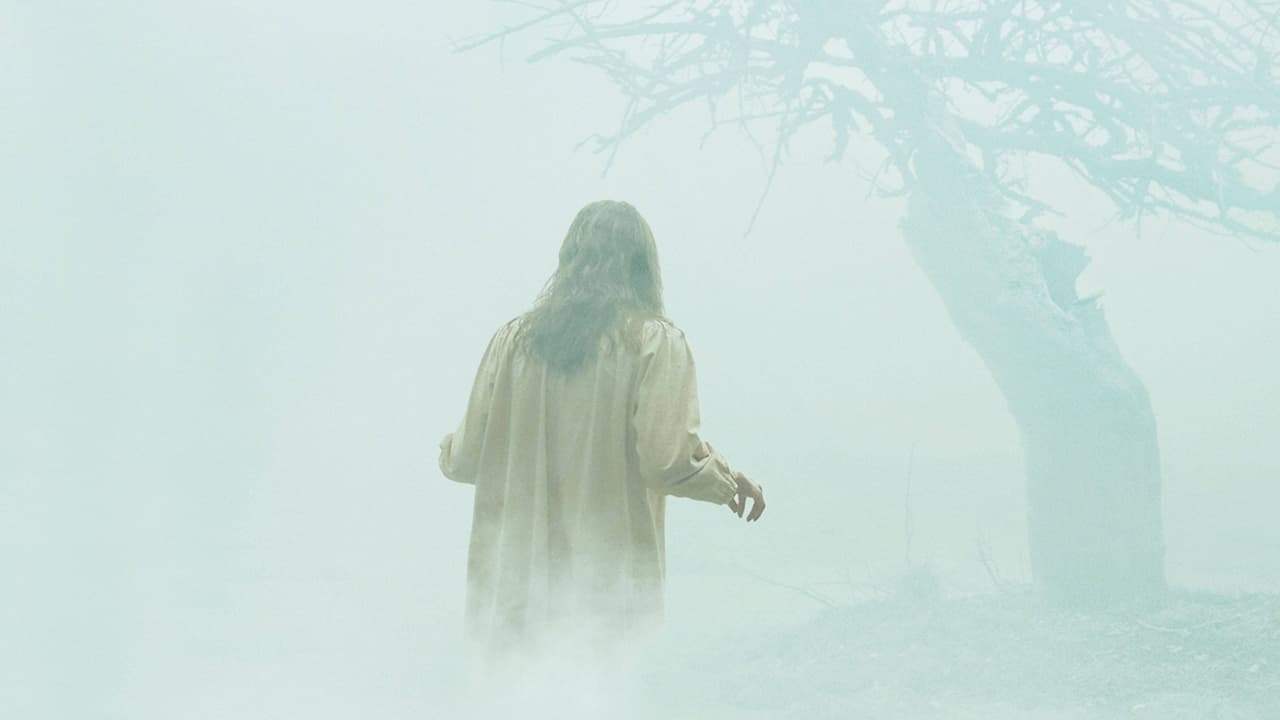
The film's loose inspiration came from the real-life case of Anneliese Michel, a German woman who died in 1976 following a series of exorcisms—a fact that grounds the story in actual tragedy rather than pure invention. That real-world anchor gives the courtroom proceedings an uncomfortable authenticity. Derrickson's direction emphasizes this duality: flashback sequences depicting Emily's possession are genuinely unsettling, while the trial scenes maintain the procedural rigor of a legal drama. The 122-minute runtime allows both halves breathing room. On IMDb, the film holds a 6.6 rating, reflecting its divisive nature—some viewers found it a masterful blend, others felt the two genres competed rather than complemented each other.
What makes The Exorcism of Emily Rose stand out
Here's what's striking about this film: it doesn't let you off easy. The horror elements aren't there to provide jump scares (though there are a few); they're there to embody Emily's suffering and make you understand why Father Moore believed intervention was necessary. Linney's performance is the emotional spine—she's playing a woman who doesn't believe in possession, yet finds herself defending someone who does, and watching her character's certainty crack is genuinely compelling. What's remarkable is how the film uses her skepticism not as a weakness but as a kind of strength. She has to win without ever admitting that demons are real. She has to believe in Father Moore's good intentions while the law demands she prove negligence didn't occur.
The screenplay doesn't shy away from the messiness of faith itself. The prosecutor isn't a cartoon villain; he's a man of faith who's genuinely horrified by what he sees as dangerous superstition. The judge is sympathetic but bound by law. Even Emily's parents are portrayed with complexity—they're not simply victims or villains, but desperate people who made a choice they believed was right. I keep coming back to one scene where Bruner sits alone in her apartment, surrounded by case files, and you can see her wrestling not just with the legal strategy but with something deeper: the possibility that the world might contain things she doesn't have language for.
Director Scott Derrickson brings a documentary-like precision to the courtroom scenes while letting the flashback sequences become genuinely disorienting and frightening. The sound design during Emily's possession moments is particularly effective—distorted voices, impossible body movements, the visual language of horror deployed to communicate psychological and spiritual crisis. It's a film that respects both the legal system and the possibility of the transcendent, which is rarer than you'd think.
Where to stream The Exorcism of Emily Rose online
The Exorcism of Emily Rose is currently available on major OTT services, and the streaming landscape shifts regularly, so checking Movie OTT's where-to-watch widget at the top of this page will show you exactly which platforms have it right now in your region. Whether you're a subscriber to the major streaming services or prefer to rent through digital storefronts, the film is widely accessible. The 122-minute runtime makes it a solid evening watch—substantial enough to feel like an event, but not so long that you're committing to a multi-night series. Given the film's blend of horror and courtroom intrigue, it's the kind of movie that rewards full attention, so settling in with a streaming service where you can focus is the right call.
Frequently asked questions
Q: Is The Exorcism of Emily Rose based on a true story?
Yes, the film is loosely inspired by the real-life case of Anneliese Michel, a German woman who died in 1976 following a series of exorcisms. While the names and some details are changed, the core tragedy and legal aftermath are grounded in actual events.
Q: Who directed The Exorcism of Emily Rose?
Scott Derrickson directed the film and co-wrote it with Paul Harris Boardman. Derrickson would go on to direct other notable horror and thriller projects, bringing a distinctive visual and narrative sensibility to this hybrid legal-supernatural drama.
Q: What's the runtime of The Exorcism of Emily Rose?
The film runs 122 minutes, giving both the courtroom drama and the possession flashbacks ample time to develop without feeling rushed.
Q: Who stars in The Exorcism of Emily Rose?
Laura Linney plays defense attorney Erin Bruner, while Tom Wilkinson portrays Father Moore. The supporting cast includes Campbell Scott as the prosecutor, along with Colm Feore, Jennifer Carpenter, and Shohreh Aghdashloo.
Q: What genres does The Exorcism of Emily Rose fall into?
The film is classified as Crime, Drama, Horror, and Thriller—a hybrid approach that sets it apart from straightforward possession movies or courtroom procedurals.
Final thoughts on The Exorcism of Emily Rose
The Exorcism of Emily Rose works because it refuses to choose sides. It doesn't debunk possession or validate it; it simply asks what happens when a legal system built on material evidence confronts something that might exist beyond material proof. That ambiguity is unsettling—which is precisely the point. If you're drawn to horror that makes you think, or legal dramas that venture into uncomfortable territory, this film deserves your time. It's not perfect, but it's genuinely strange and genuinely human in ways that stick with you.