The story of The Far Country
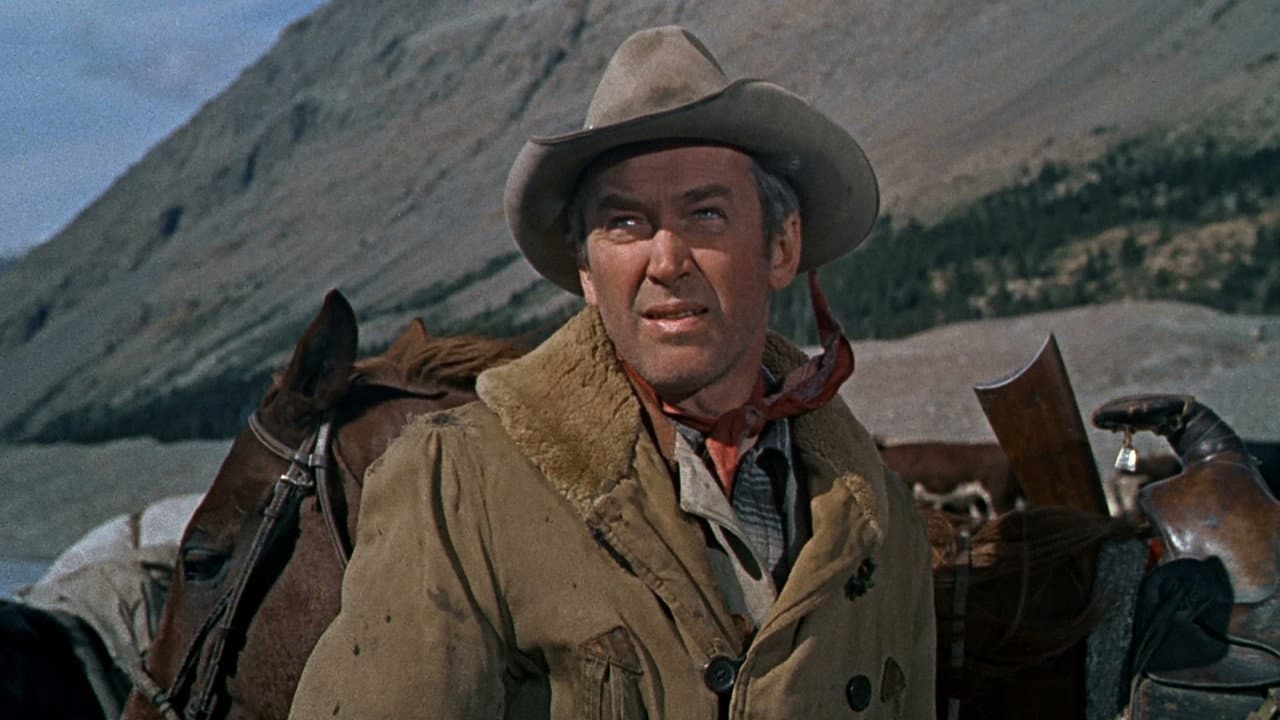
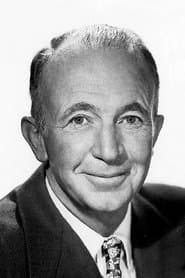
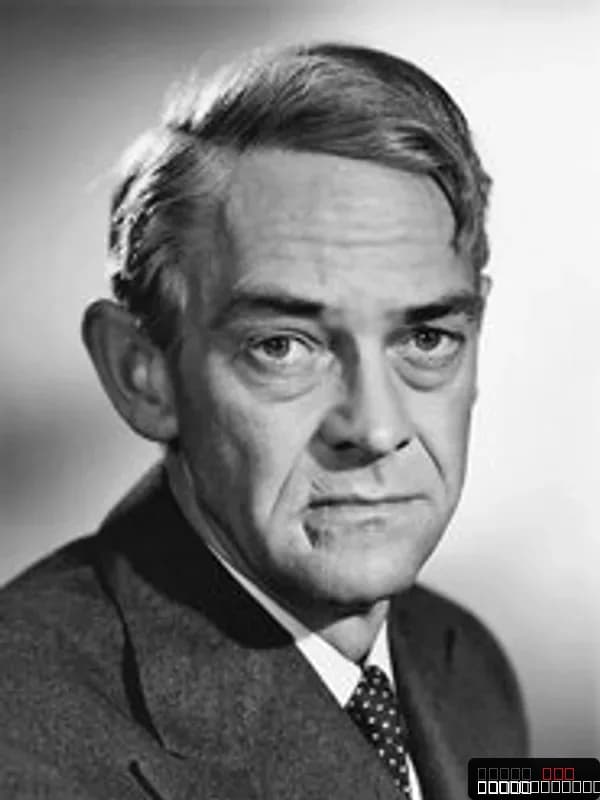
The Far Country drops you into the Klondike Gold Rush with two fortune hunters who've already worn out their welcome everywhere else. James Stewart plays Jeff Webster, a self-minded cattle driver determined to stake his claim in the Canadian wilderness, and Walter Brennan is Rube Morris, his talkative elderly partner who's equal parts comic relief and moral compass. They're transporting cattle north when they cross paths with Renee (Ruth Roman), a saloon owner with her own survival instincts, and more importantly, with Judge Gannon (John McIntire)—a corrupt lawman who runs the newly booming town of Dawson like his personal fiefdom. What starts as a simple business arrangement becomes a collision between personal ambition and institutional corruption. The two partners find themselves forced into Gannon's service, hauling supplies into town while watching the judge consolidate power through intimidation and violence. It's a setup that sounds straightforward on paper, but Mann uses it to explore something deeper about what happens when a man decides the rules no longer apply to him.
Behind the making of The Far Country
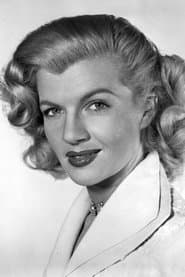
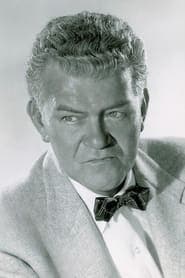
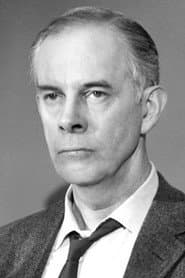
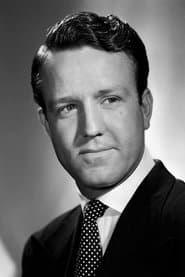
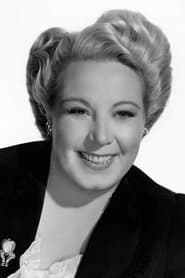
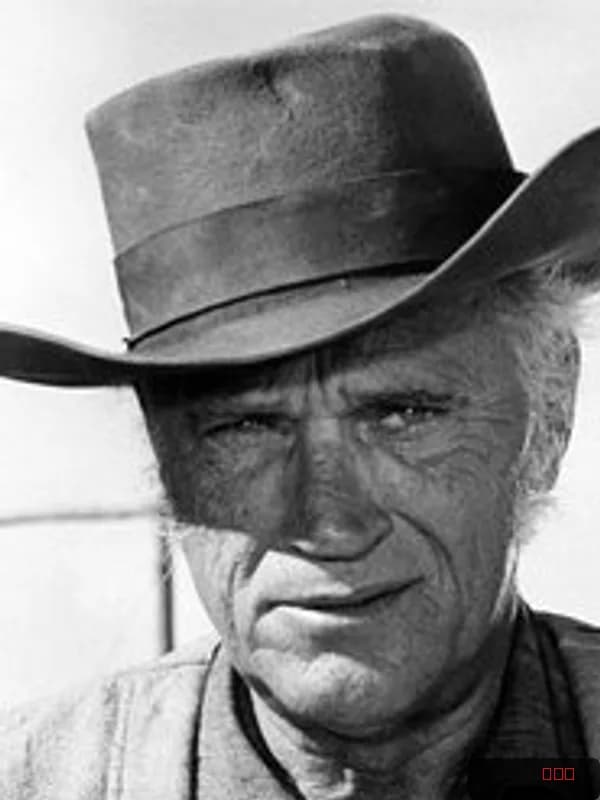
The Far Country marked the fourth Western collaboration between director Anthony Mann and star James Stewart, a creative partnership that'd already proven its mettle through films like Winchester '73 and Bend of the River. Universal International Pictures produced this Technicolor feature in 1954, and while it wasn't actually filmed in Alaska—despite its Yukon setting—the production design and cinematography sell the frontier convincingly. Borden Chase, who'd worked with Mann before, wrote the screenplay, bringing his knack for character-driven conflict and moral ambiguity to the Gold Rush setting. The supporting cast reads like a Western repertory company: Jay C. Flippen, Harry Morgan, Steve Brodie, Robert J. Wilke, Chubby Johnson, Royal Dano, and Jack Elam all fill out the town's texture with distinctive faces and personalities. Ruth Roman and Corinne Calvet round out the female leads, though it's Roman who carries real weight as a woman navigating her own survival in a lawless frontier. The film runs 97 minutes, a tight runtime that keeps the momentum sharp. It wasn't a blockbuster at the box office—those Gold Rush Westerns had limited appeal compared to cavalry pictures—but it's accumulated a respectable 6.9 rating on IMDb from viewers who appreciate Mann's approach to the genre.
What makes The Far Country stand out
What's striking about The Far Country is how it refuses to let Stewart's character off easy. Jeff Webster isn't a hero in the traditional sense—he's a guy willing to bend his own principles for profit, and the film doesn't shy away from showing the cost of that moral flexibility. Mann had a gift for this kind of moral complexity, and you see it threaded through every scene: honor, integrity, betrayal, and death aren't abstract concepts here, they're the actual stakes of survival. Stewart gives one of his more naturalistic performances, less folksy than his earlier Westerns and more genuinely conflicted—there's a moment late in the film where he realizes he's become the kind of man he despises, and it lands because Stewart doesn't play it for sentiment. Brennan, meanwhile, is excellent as the moral anchor; his Rube Morris seems like simple comic relief until you realize he's the only character who never compromises. The thing nobody mentions is how much of the film's power comes from watching these two men drift apart ideologically while remaining bound by partnership and affection. McIntire's Judge Gannon is a particular kind of villain—not theatrical, just methodically corrupt, using the law as a weapon because no one's strong enough to stop him. The cinematography captures the frontier as beautiful and hostile simultaneously, which is exactly the tone Mann wanted: this isn't a place where civilization wins, it's a place where you either adapt or get consumed.
How to stream The Far Country online
You can catch The Far Country on major OTT services—check the Where to Watch widget at the top of this page for current availability across streaming platforms. Since streaming catalogs shift regularly, Movie OTT keeps a real-time tracker of which services carry this title in your region, so you won't waste time searching. The Technicolor print holds up well on modern displays, though if you get the chance to see it on a bigger screen, that's worth the effort. The widescreen cinematography benefits from the space.
Frequently asked questions
Q: Who directed The Far Country?
Anthony Mann directed the film, marking his fourth Western collaboration with James Stewart. Mann was one of the finest Western directors of the 1950s, known for exploring moral ambiguity and character conflict within frontier settings.
Q: Is The Far Country based on a true story?
No, it's an original screenplay by Borden Chase set against the backdrop of the Klondike Gold Rush. While the historical setting is real, the characters and plot are fictional explorations of greed and corruption during that era.
Q: What's the runtime of The Far Country?
The film runs 97 minutes, a lean runtime that keeps the narrative moving without sacrificing character development or thematic depth.
Q: Who stars in The Far Country?
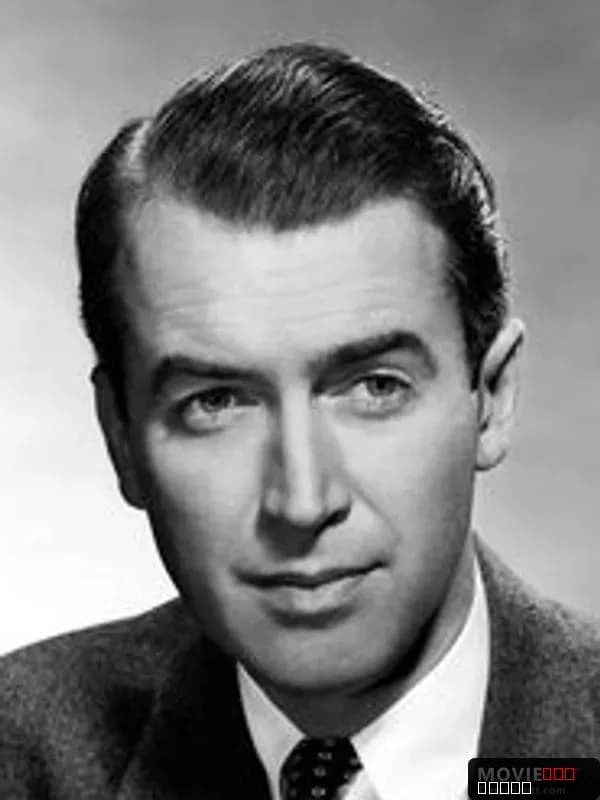
James Stewart plays the lead role of cattle driver Jeff Webster, with Walter Brennan as his elderly partner Rube Morris. Ruth Roman plays Renee, the saloon owner, and John McIntire plays the corrupt Judge Gannon. The supporting cast includes Jay C. Flippen, Harry Morgan, and several other Western character actors.
Q: Where was The Far Country filmed?
Despite being set in Alaska and the Yukon Territory, the film wasn't actually shot there. Universal International Pictures filmed it on soundstages and backlots, though the production design effectively creates the frontier atmosphere. It remains one of the few Westerns set in Alaska—others include The Spoilers and North to Alaska.
Final thoughts on The Far Country
The Far Country deserves more attention than it typically gets. It's not a flashy Western—there's no big cavalry charge or epic gunfight—but it's a film about how good people rationalize bad choices, and how that rationalization eats away at them. If you're looking for a character-driven Western that doesn't rely on spectacle, this is it. Stewart and Brennan's chemistry carries you through, and Mann's direction keeps the moral stakes visible in every frame. It's exactly the kind of film that Movie OTT exists to help you find—solid, thoughtful genre work that rewards actual attention.