




What The Forsaken is About
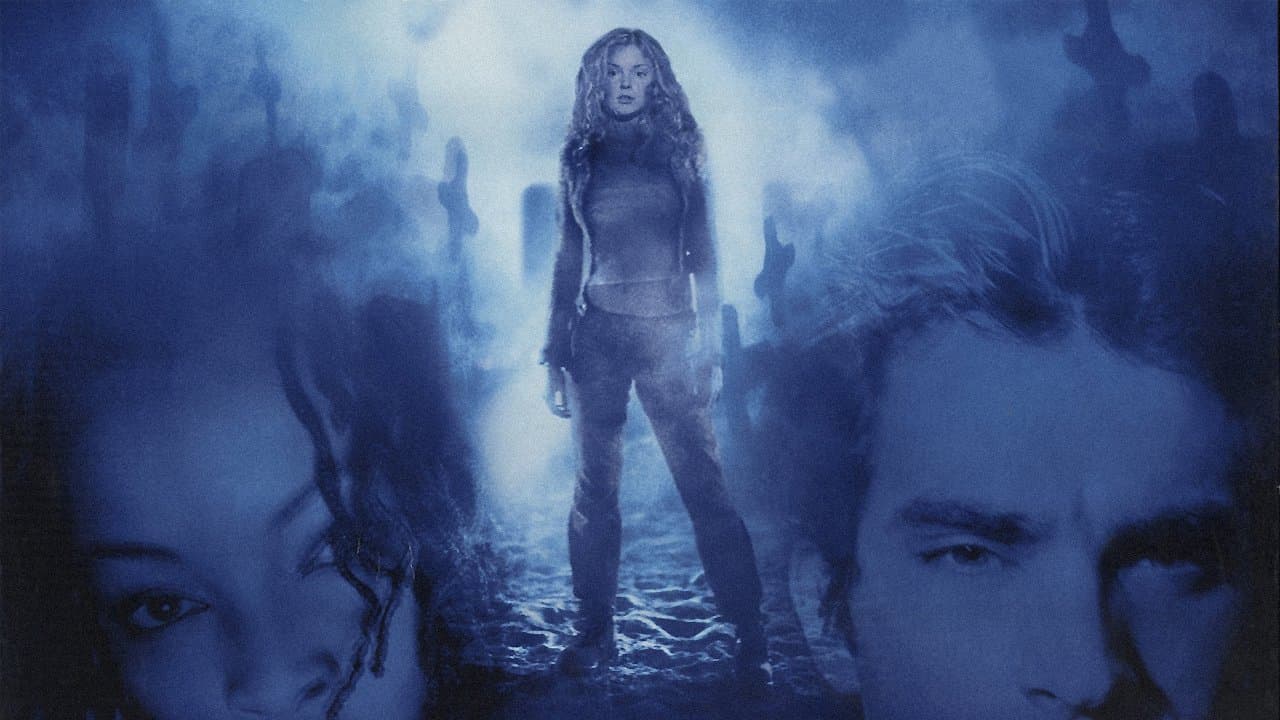
The Forsaken opens with a premise that sounds deceptively simple: a young film trailer editor is driving through the Arizona desert on a business trip when he picks up a shady hitchhiker. That decision—that single moment of roadside kindness—spirals into something far darker. The hitchhiker isn't just a drifter. He's infected, and before long, our protagonist becomes infected too. Now he's got a ticking clock. He's got a virus coursing through his veins that will eventually transform him into a blood-sucking vampire, and he's got limited time to find a cure. Along the way, he encounters a disoriented young woman being hunted by a vampire cult, and suddenly this becomes less about personal survival and more about uncovering a larger conspiracy. The road movie framework—that classic American genre of freedom and discovery—gets twisted into something claustrophobic and terrifying.
Behind the Making of The Forsaken
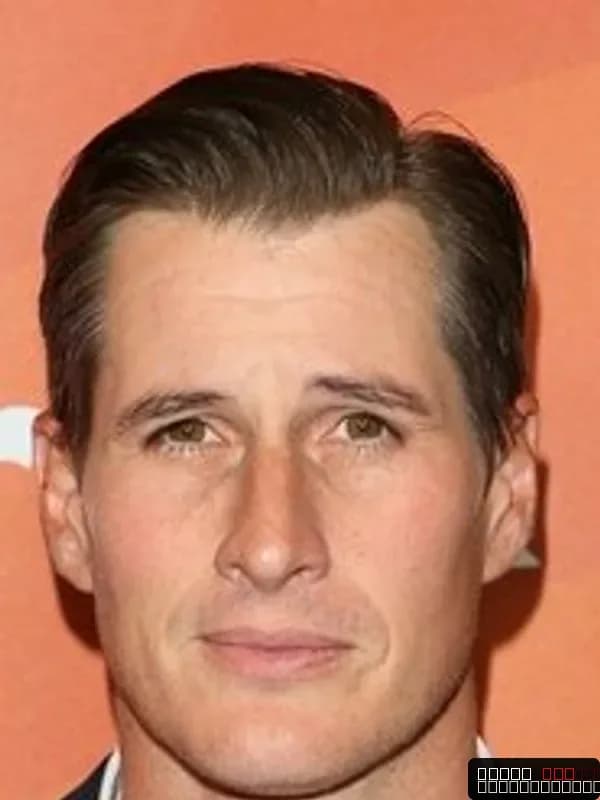
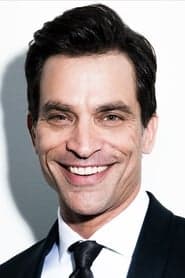
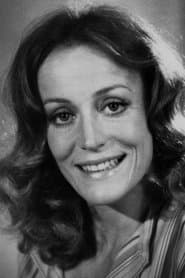
The Forsaken arrived in 2001 as a Screen Gems release, distributed during that particular moment when vampire horror was still finding its footing in post-Buffy cinema. Director and writer J. S. Cardone conceived it as a road movie with vampire hunters at its core, a structural choice that distinguishes it from more traditional vampire fare that tends to anchor itself in a single location. The film stars Kerr Smith, Brendan Fehr, Izabella Miko, and Jonathan Schaech—a cast of rising genre actors working with a modest production budget from Egmont Film and Sandstorm Films. At 91 minutes, it's lean and propulsive, designed to move. The film clocks in at a 5.3 rating on IMDb, which tells you something about its reception among genre enthusiasts, though ratings don't always capture what a film was trying to do or what audiences found engaging about it. What's worth noting is that Cardone's script and direction attempted something structurally ambitious: blending the road-trip narrative with vampire mythology in a way that wasn't entirely common at the time. The Arizona desert location becomes almost a character itself—vast, unforgiving, isolating. That landscape choice matters. It's not a gothic castle or a shadowy city. It's sun-baked emptiness where danger can emerge from anywhere.
Why The Forsaken Works as a Genre Exercise
I keep coming back to the central tension that makes this film tick: the protagonist isn't just fighting external threats (the vampire cult, the infected hitchhiker), he's fighting his own biology. The infection narrative creates an internal clock that no amount of running or hiding can fully escape. That's genuinely unsettling—the idea that your own body is becoming your enemy. The performances, particularly from Smith and Fehr, anchor the paranoia and desperation in something human. They're not heroes in the traditional sense. They're scared, confused people trying to survive a situation that defies rational explanation. The film doesn't waste time on exposition dumps or lengthy explanations of vampire lore; instead, it trusts the audience to understand the stakes and keeps moving. That pacing decision—whether you find it effective or abrupt—is deliberate. Cardone's direction prioritizes momentum over mythology, which means you don't get lengthy monologues about vampire origins or rules. You get tension, pursuit, and the creeping dread of watching someone realize they're transforming into the very thing hunting them. The cult subplot adds a layer of body-horror paranoia; the hunters become the hunted, and trust becomes impossible. These are the kinds of themes that work best when they're embedded in action rather than discussed, and The Forsaken understands that.
Where to Stream The Forsaken Online
The Forsaken is currently available on major OTT services, making it accessible to horror fans wherever you prefer to stream. You can check the Where to Watch widget at the top of this page to see which platforms in your region are carrying it right now—availability changes regularly, and Movie OTT tracks those shifts so you don't have to hunt across multiple apps. Since the film clocks in at just 91 minutes, it's an easy evening watch, the kind of title you can slot into a horror marathon or a late-night genre deep-dive without major time commitment. The streaming availability means there's no gatekeeping; if you're curious about early-2000s vampire horror and want to see how a modest production tackled the mythology, you've got options.
Frequently asked questions
Q: Who directed The Forsaken?
J. S. Cardone wrote and directed The Forsaken. He brought a road-movie sensibility to the vampire genre, structuring the film as a cross-country chase rather than a traditional haunted-location narrative.
Q: What's the runtime of The Forsaken?
The film runs 91 minutes, making it a lean, fast-paced entry in the vampire-horror category that doesn't overstay its welcome.
Q: Is The Forsaken based on a true story?
No, The Forsaken is an original screenplay by director J. S. Cardone, conceived as a fictional road movie with vampire hunters rather than an adaptation of existing material.
Q: Who stars in The Forsaken?
The film features Kerr Smith, Brendan Fehr, Izabella Miko, and Jonathan Schaech in the lead roles, a cast of 2000s-era genre actors bringing credibility to the survival-thriller elements.
Q: Where can I watch The Forsaken?
The Forsaken streams on multiple platforms—check the Where to Watch widget on this page for current availability in your region, as streaming rights vary by location and change over time.
Final Thoughts on The Forsaken
The Forsaken isn't a perfect film, and it doesn't pretend to be. What it is, though, is a committed attempt to make vampire horror feel visceral and immediate by stripping away gothic convention and dropping it into a contemporary, mundane setting. A guy in a car. A virus. The desert. A cult. These aren't the usual ingredients for vampire cinema, and that's exactly why it's worth watching. If you're tired of the same recycled vampire tropes and want something that swings for a different kind of dread, this is worth your 91 minutes.