The Story of The Garden of Allah
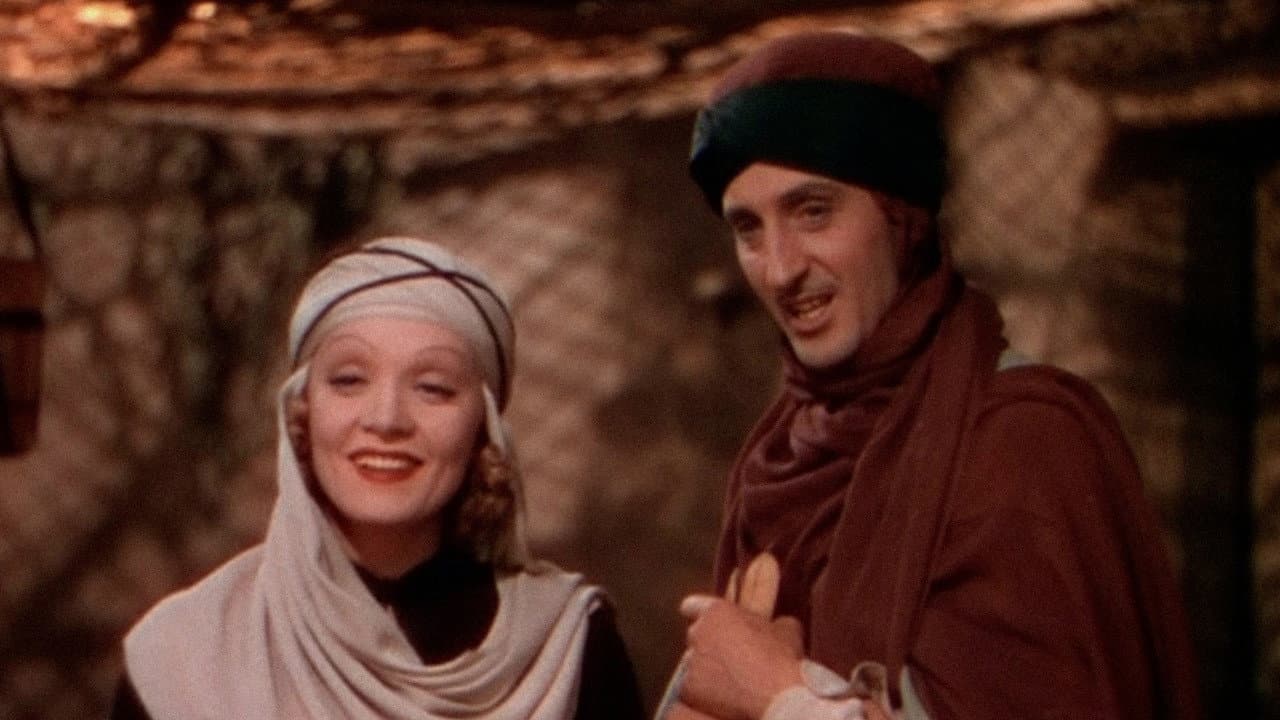
What happens when two people bound by sacred vows meet in the middle of the Sahara and realize the desert isn't the only thing burning? The Garden of Allah is a 1936 drama that follows Domini, a woman granted leave from her convent to spend time in reflection, and Boris, a man carrying secrets about his own abandonment of religious life. The film doesn't pretend to offer easy answers—instead, it watches these two souls circle each other across sand dunes and oasis evenings, knowing that their connection will cost them something precious. Neither character has the spirit to see their vows through, and the film's real tension comes not from plot mechanics but from watching them grapple with that failure. It's a star-crossed romance that trades melodrama for something quieter and more troubling: the slow realization that duty and desire might be irreconcilable.
Behind the Making of The Garden of Allah
Produced by David O. Selznick and directed by Richard Boleslawski, The Garden of Allah arrived as a prestige project with considerable pedigree. Selznick's production company, Selznick International Pictures, was at the height of its influence in the 1930s, and the studio spared no expense on this adaptation of Robert S. Hichens's 1904 novel—a source material that had already been filmed twice before as silent pictures in 1916 and 1927. The screenplay came from William P. Lipscomb and Lynn Riggs, both experienced screenwriters tasked with translating Hichens's romantic novel into dialogue-driven drama. The supporting cast reads like a roster of Golden Age character actors: Basil Rathbone, C. Aubrey Smith, Joseph Schildkraut, John Carradine, and Alan Marshal all anchor scenes with the kind of quiet authority that's rarer now. Max Steiner composed the score—the same Steiner who'd go on to define film music for decades. Box office returns were respectable for a prestige drama of the era, though the film didn't become a runaway hit. What's striking is that despite its lavish production values and A-list talent, The Garden of Allah remains somewhat overshadowed by Selznick's other 1936 releases, a fate that Movie OTT users often discover when browsing the studio's catalog.
What Makes The Garden of Allah Stand Out
The performances are where this film earns its place in the 1930s romance canon. Marlene Dietrich brings a kind of weary sophistication to Domini—she's not a damsel in distress but a woman who's spent years in a convent and is suddenly confronted with her own hunger, and Dietrich plays that contradiction without winking at the camera. Charles Boyer, meanwhile, carries the weight of his character's deception with a restraint that makes the film's emotional turns land harder than they have any right to. What nobody mentions is how the desert itself becomes a character—not as exotic backdrop but as a space where normal social rules don't apply, where two people can be themselves in ways their former lives never allowed. The cinematography captures sand and sky in a way that feels both romantic and isolating. Critics at the time were mixed (the IMDb rating of 6/10 reflects that split opinion), with some finding the pacing slow and the emotional stakes unclear. But that slowness is intentional—this isn't a film that rushes to resolve its central conflict. Instead, it lets you sit with the discomfort of watching two people want something they can't have, not because of external obstacles but because of who they've promised to be.
Where to Stream The Garden of Allah Online
You can find The Garden of Allah on major OTT services, and if you're hunting for where it's available right now, the Where to Watch widget at the top of this page will show you current streaming options. Since classic Hollywood titles migrate between platforms seasonally, it's worth checking Movie OTT's aggregator tool to confirm availability in your region before settling in to watch. The 79-minute runtime makes it a manageable evening, and the restoration quality varies depending on which platform hosts it—some services offer cleaner transfers than others, so if picture quality matters to you, it's worth comparing before you hit play.
Frequently asked questions
Q: Is The Garden of Allah based on a true story?
No, it's based on Robert S. Hichens's 1904 novel of the same name, which is a work of fiction. The story is entirely imagined, though it draws on real tensions between religious devotion and human desire that have preoccupied writers for centuries.
Q: Who directed The Garden of Allah?
Richard Boleslawski directed the film, working from a screenplay by William P. Lipscomb and Lynn Riggs. Boleslawski was known for his work in prestige dramas during the 1930s and brought a theatrical sensibility to the material.
Q: What's the runtime of The Garden of Allah?
The film runs 79 minutes, making it a relatively brisk drama by 1930s standards. It's lean enough to hold tension without feeling padded, though some viewers find its pacing meditative rather than propulsive.
Q: Why was The Garden of Allah filmed multiple times?
Hichens's novel was popular enough to attract filmmakers across different eras—it was adapted as silent films in 1916 and 1927 before this 1936 sound version. Each adaptation reflects the filmmaking sensibilities of its time, and the earlier versions are quite different in tone and approach.
Q: What's the IMDb rating for The Garden of Allah?
The film currently holds a 6 out of 10 on IMDb, reflecting a mixed critical and audience response. Some viewers appreciate its romantic melancholy and performances, while others find the pacing slow or the emotional arc unclear.
Final Thoughts on The Garden of Allah
The Garden of Allah isn't a film for everyone—it moves at its own pace and refuses to deliver the kind of clean resolution audiences might expect from a romance. But if you're drawn to 1930s cinema, to performances that suggest inner conflict rather than announce it, or to stories about people trapped between duty and desire, it's worth your time. The desert setting, the Dietrich-Boyer chemistry, and Max Steiner's score all work together to create something that lingers after the credits roll. It's a film that respects its audience's intelligence and patience, and that restraint is increasingly rare.