
What The Grass Harp is About: A Southern Tale of Family and Rebellion
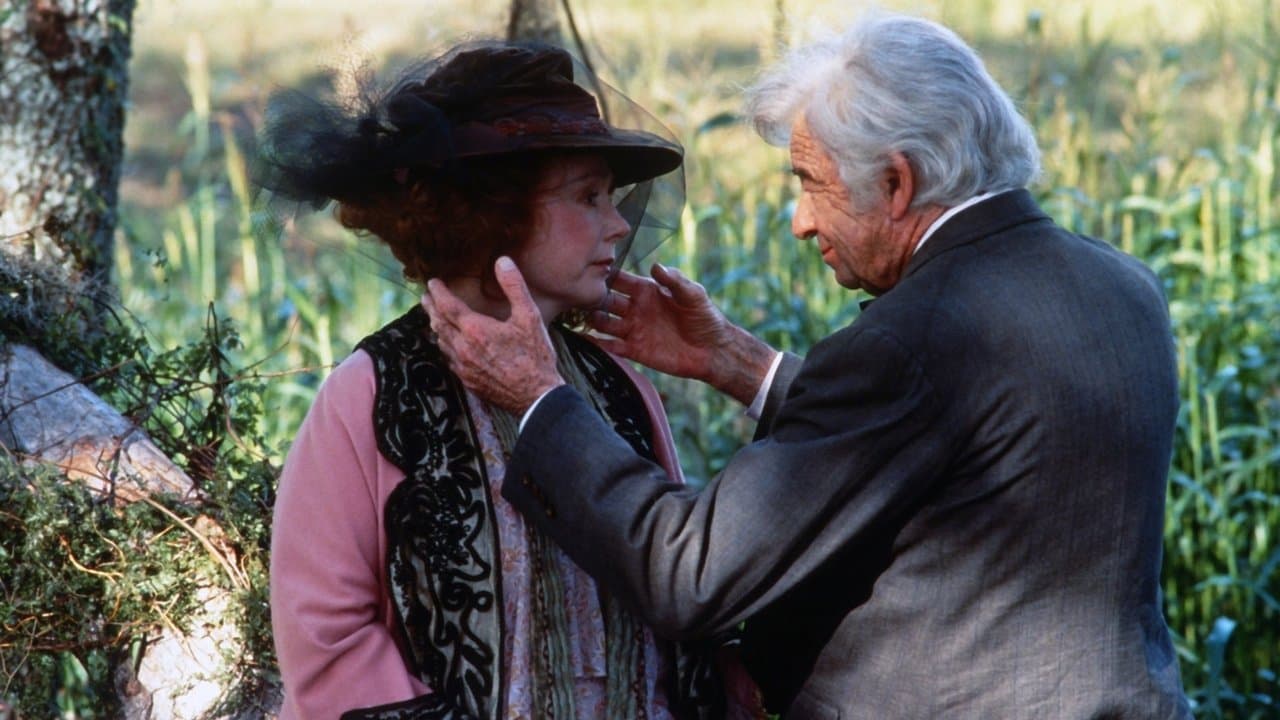
The Grass Harp invites viewers into a charming, albeit sometimes melancholic, portrait of the American Deep South in the 1940s, chronicling a unique coming-of-age journey. The story centers on Collin, a young orphan whose life takes an unexpected turn in 1935 when he moves in with his father's eccentric cousins, Verena and Dolly, after a tragic loss. Their household is anything but ordinary: Verena is a formidable, wealthy businesswoman, accustomed to getting her way, while Dolly is her gentle, more whimsical counterpart. The tension between the practical Verena and the free-spirited Dolly, along with their loyal maid Catherine, eventually boils over, leading to an extraordinary act of rebellion. Dolly, Collin, and Catherine literally move out of the house and into a treehouse, setting the stage for a delightful and poignant exploration of family, independence, and the search for belonging against the backdrop of a close-knit Southern community. It's a narrative that beautifully captures the essence of a bygone era and the enduring power of chosen family.
The Making of The Grass Harp: An Ensemble Cast and a Literary Legacy
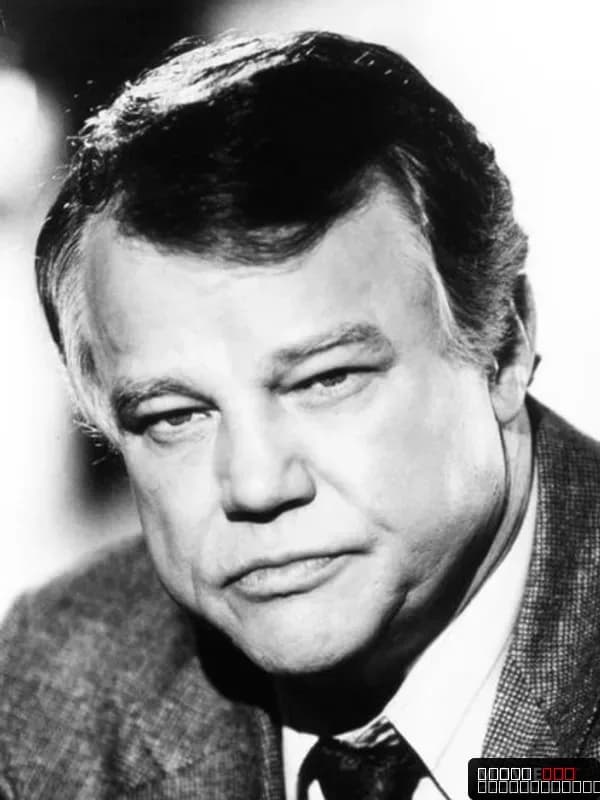
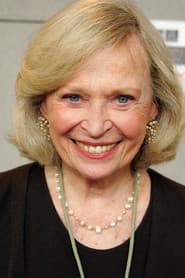
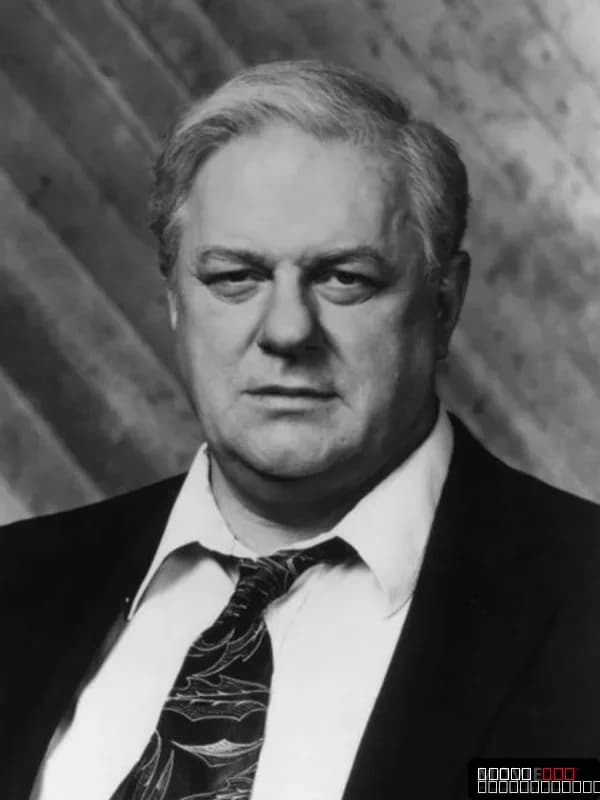
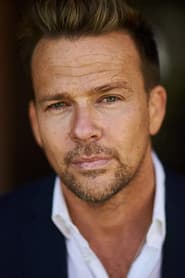
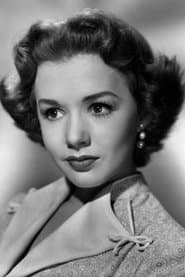
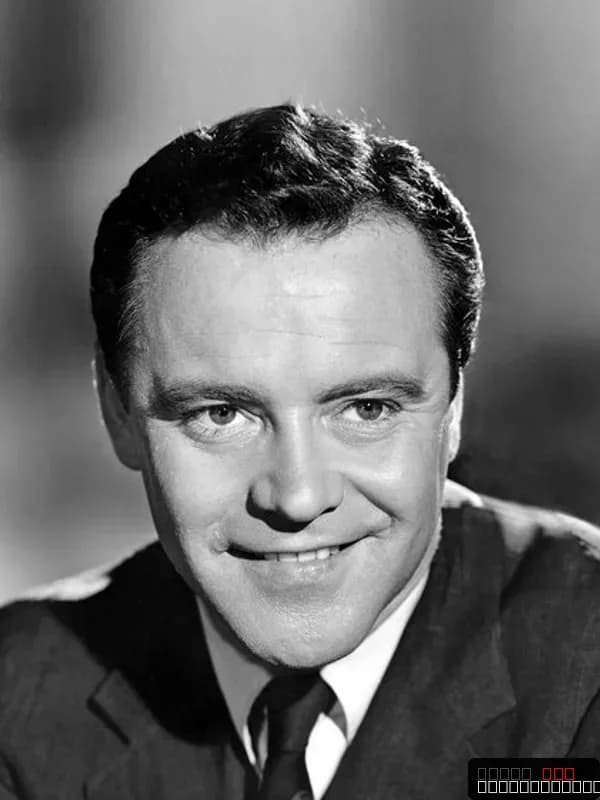
Bringing Truman Capote's cherished novella to the screen, The Grass Harp is a 1996 American comedy-drama film that boasts an impressive creative lineage and an ensemble cast. Directed by Charles Matthau, the son of legendary actor Walter Matthau, the film stands as a significant cinematic adaptation of Capote's work. Its screenplay, notably, was the final work of Oscar-winning screenwriter Stirling Silliphant, renowned for his contributions to classics like In the Heat of the Night. This adaptation was crafted from Capote's own stage play version, adding another layer to its literary pedigree. The production saw the collaborative efforts of Charles Matthau-Jerry Tokofsky-John Davis Productions and Fine Line Features, ensuring a certain independent spirit while leveraging established talent. The cast is truly a who's who of Hollywood veterans and rising stars: Piper Laurie, Sissy Spacek, Walter Matthau (in a delightful turn, I think), Jack Lemmon, Edward Furlong, and Nell Carter all lend their considerable talents. Piper Laurie, in particular, garnered critical acclaim for her performance, winning the Best Supporting Actress award from the Southeastern Film Critics Association. Released in 1996 with a runtime of 107 minutes, the film, while not a box office juggernaut, secured an IMDb rating of 5.9/10, reflecting a generally mixed but appreciative reception for its heartfelt narrative and strong performances. Variety, for instance, reported that Silliphant's screenplay, in its final form, managed to "retain the delicate balance of Capote's distinct Southern voice while making it accessible for a wider audience." A true labor of love.
Why The Grass Harp Resonates: Themes of Freedom and Unconventional Love
What makes The Grass Harp stand out isn't just its faithful adaptation of Truman Capote's prose, but its genuine warmth and the powerful performances from its stellar cast. The film, a blend of Comedy, Drama, and Family genres, explores universal themes through a distinctly Southern lens. It's a story about finding your place, even if that place is a treehouse, and about the courage it takes to live authentically, defying societal expectations. The core conflict between the pragmatic Verena and the dreamier Dolly isn't just sibling rivalry; it's a clash of philosophies, with Collin caught in the middle, ultimately siding with the unconventional. Piper Laurie's award-winning portrayal is a highlight, bringing depth and nuance to her character, but honestly, every performance feels carefully etched. The film's often-witty dialogue keeps the tone light even as it tackles serious questions about independence and belonging. We're drawn into this world not by grand action, but by the quiet acts of defiance and the profound connections forged between disparate souls. It’s a gentle rebellion, yes, but one with significant heart. Look — the film doesn't shy away from the complexities of family, showing that love isn't always neat, but it's always powerful. It leaves you with a feeling of quiet satisfaction, a reminder that sometimes, the most profound changes happen in the most unexpected places.
Where to Stream The Grass Harp Online
For those eager to experience the unique charm and heartfelt narrative of The Grass Harp, the good news is that this delightful film is currently available on major OTT services. As a senior entertainment editor for Movie OTT, I can confirm that our platform is dedicated to helping you find where your favorite films are streaming. You'll find a comprehensive list of all the platforms where The Grass Harp is currently available right at the top of this page, in our 'Where to Watch' widget. We understand the frustration of searching across multiple services, which is why Movie OTT aggregates all the streaming options in one convenient place. Whether you're looking to rent, buy, or subscribe, you'll be able to easily locate The Grass Harp and settle in for its 107 minutes of Southern charm. Don't let the search deter you from this Capote adaptation; we've got you covered.
Frequently asked questions
Q: What is the runtime of The Grass Harp?
The Grass Harp has a runtime of 107 minutes. This allows for a thorough exploration of its characters and themes, offering a complete and satisfying viewing experience.
Q: Who directed the film adaptation of The Grass Harp?
The Grass Harp was directed by Charles Matthau. He is the son of legendary actor Walter Matthau, who also has a role in the film.
Q: Is The Grass Harp based on a book?
Yes, The Grass Harp is based on the beloved novella of the same name by acclaimed author Truman Capote. The screenplay also draws from Capote's own stage play adaptation.
Q: When was The Grass Harp released?
The Grass Harp was released in 1996. It offered audiences a heartwarming and often witty look back at the Deep South of the 1940s.
Q: Which actor won an award for their performance in The Grass Harp?
Piper Laurie won the Best Supporting Actress award from the Southeastern Film Critics Association for her compelling performance in The Grass Harp.
Final Thoughts on The Grass Harp: A Timeless Story of Heart
The Grass Harp might not be the most talked-about film from 1996, but it's a quiet gem that rewards viewers with its sincerity and exceptional performances. If you appreciate character-driven narratives, Southern charm, and stories that celebrate individuality and the bonds of unconventional families, then this film is absolutely for you. It's a testament to Truman Capote's enduring storytelling and a wonderful showcase for its seasoned cast. The film’s tagline, "Love is a chain of love... as nature is a chain of life," perfectly encapsulates its gentle yet profound message. We recommend giving The Grass Harp a watch; it's a truly affecting experience that stays with you long after the credits roll. A beautiful film.