The Story of The Great Gatsby and Its Timeless Allure
The Great Gatsby is about far more than just a love story—it's a meditation on the American Dream itself, filtered through the eyes of an outsider watching it all crumble. Nick Carraway, a young Midwesterner trying to make his way on Long Island, becomes fascinated by his mysterious neighbor, the wealthy and enigmatic Jay Gatsby. What begins as casual curiosity deepens into something more troubling as Nick finds himself drawn into Gatsby's orbit, witnessing the man's obsessive pursuit of his former lover, Daisy Buchanan, amid the riotous parties and moral decay of the Jazz Age. The film doesn't rush to explain who Gatsby is or how he made his fortune—it lets that mystery hang, which is exactly what makes him so magnetic.
Behind the Making of The Great Gatsby and Its Stellar Cast
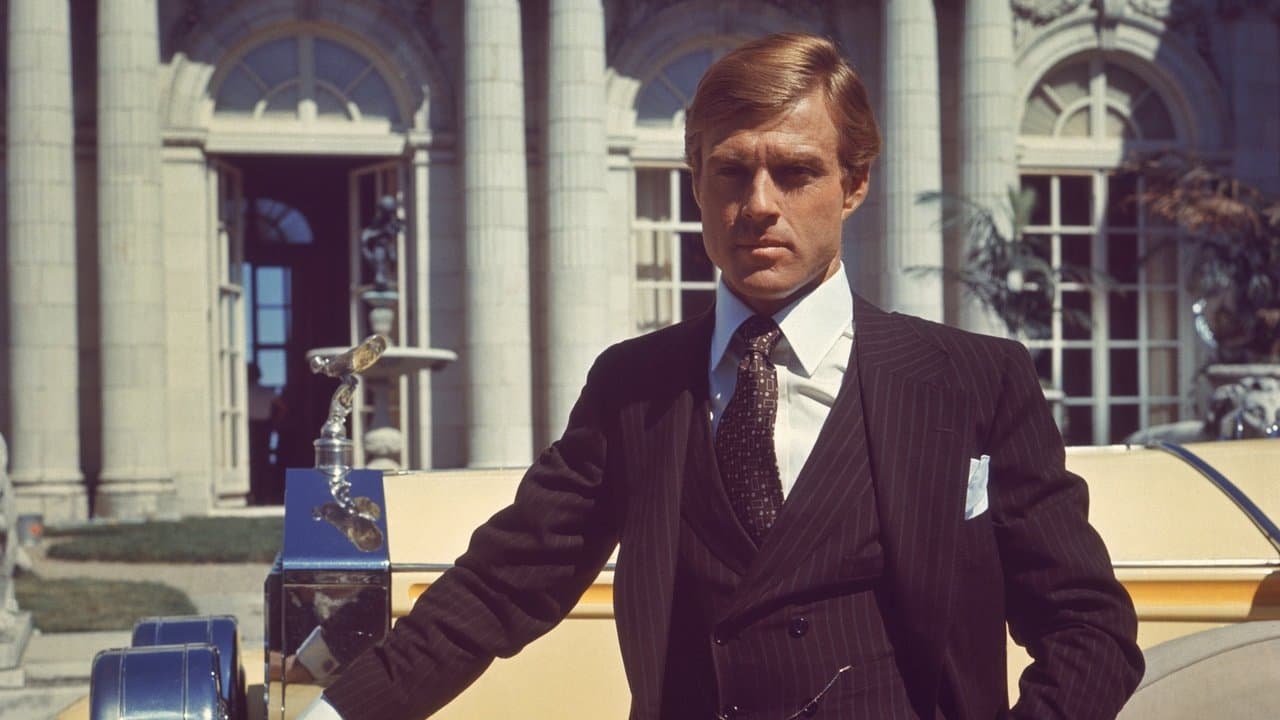
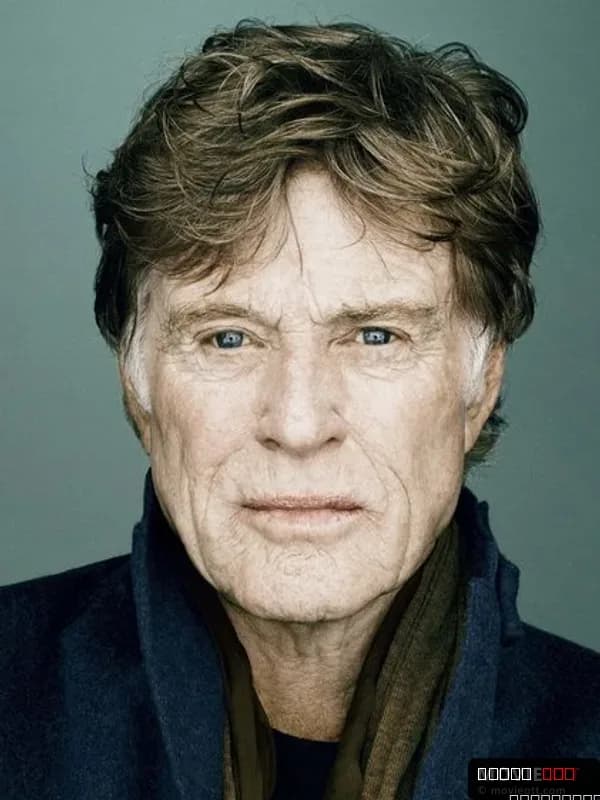
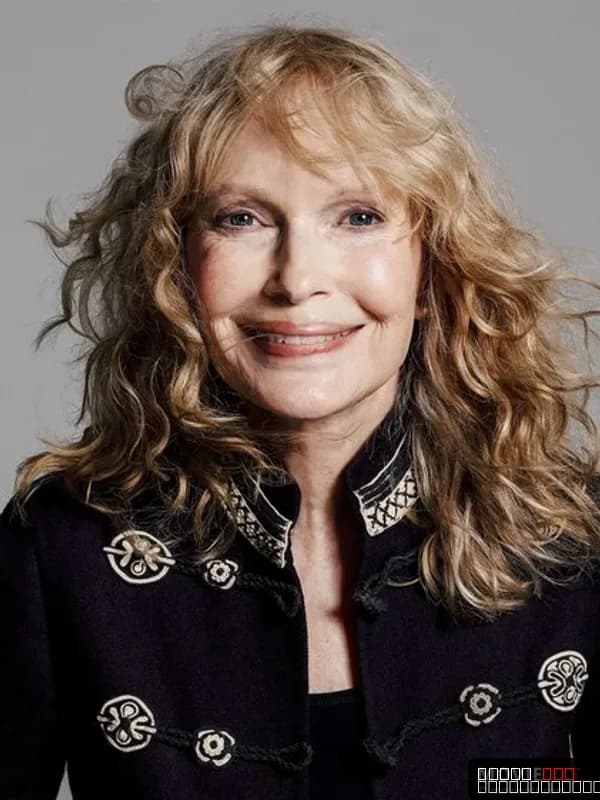
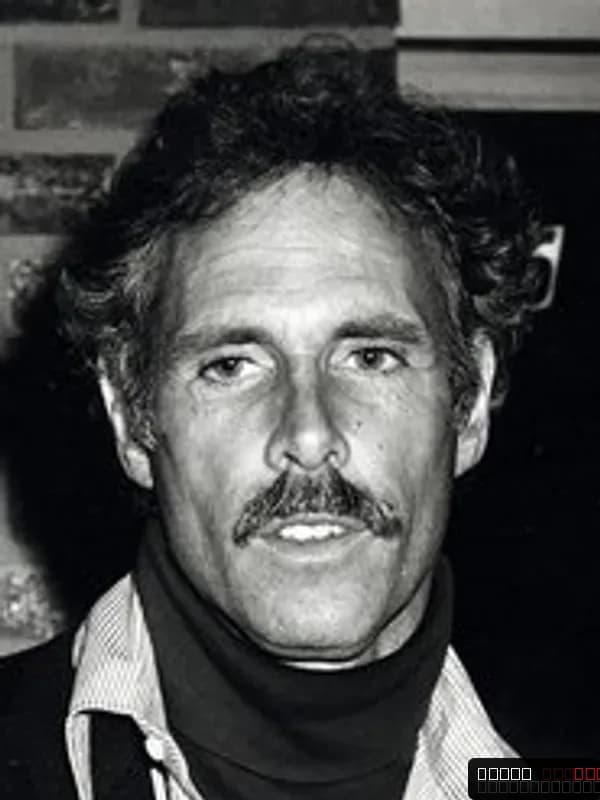
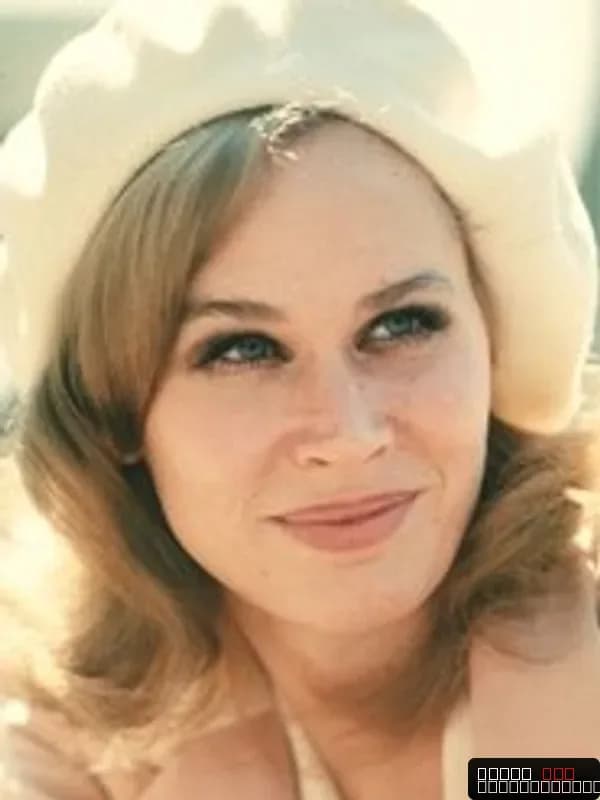
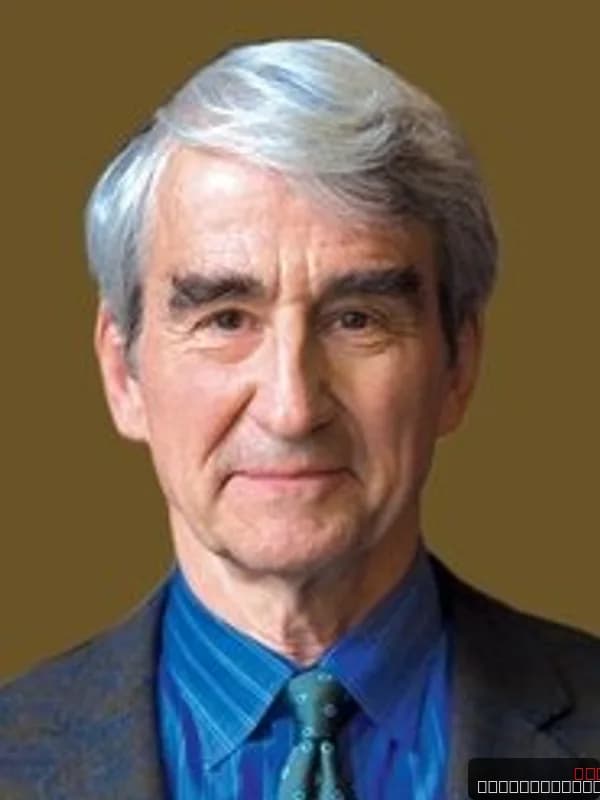
The 1974 film adaptation was helmed by director Jack Clayton and produced by David Merrick, with a screenplay crafted by Francis Ford Coppola—yes, the Godfather director himself took on the task of translating Fitzgerald's prose to the screen. The cast reads like a who's who of 1970s cinema: Robert Redford as Gatsby, Mia Farrow as Daisy, Sam Waterston as Nick Carraway, Bruce Dern, and Karen Black rounding out the ensemble. Redford was already a major star by 1974, fresh off The Sting and Butch Cassidy and the Sundance Kid, making him the perfect choice for a man whose exterior charm masks something far more desperate underneath. Farrow, then married to Frank Sinatra, brought a fragile elegance to Daisy that underscores her role as both prize and pawn. The film arrived at a moment when Paramount was investing heavily in prestige adaptations—this wasn't a low-budget affair. It was a major studio bet on literary material, the kind of thing that doesn't happen as often anymore. The runtime clocks in at 144 minutes, giving Clayton space to breathe and linger on the visual language of wealth and excess that defines the narrative.
What Makes The Great Gatsby Stand Out Among Literary Adaptations
What's striking about this version is how it understands that Gatsby isn't really about the plot—it's about surfaces and the terror of what lies beneath them. The performances work because they're restrained; Redford doesn't overplay Gatsby's desperation, which makes it all the more heartbreaking when it finally cracks through. Waterston's Nick is the perfect lens, genuinely bewildered by the world he's entered, and that confusion reads as authentic rather than naive. The film captures something that many adaptations miss: the way Fitzgerald's prose is actually quite cynical about the wealthy, and this version doesn't shy away from that. The parties are beautiful but hollow. The money is real, but what it buys—happiness, love, a second chance—remains forever out of reach. I keep coming back to the scene where Gatsby shows Nick his mansion, that almost childlike pride in the material accumulation, knowing the whole time that none of it will matter. The cinematography by Douglas Slocombe bathes everything in a golden haze that's both gorgeous and slightly sickening—you can almost taste the champagne and the desperation.
Where to Stream The Great Gatsby Online
The Great Gatsby is available on major OTT services, and you can check the Where to Watch widget at the top of this page to see exactly which platforms are currently carrying it in your region. Streaming availability shifts regularly, so Movie OTT tracks these changes across all the major platforms to help you find what you're looking for without the guesswork. Whether you're planning a 1970s cinema night or revisiting Fitzgerald's world, it's worth checking what's available on your subscriptions right now rather than hunting through multiple apps. The film's 144-minute runtime makes it a substantial commitment, so knowing where it's streaming beforehand saves time.
Frequently Asked Questions
Q: Who directed The Great Gatsby (1974)?
Jack Clayton directed the film, with a screenplay by Francis Ford Coppola. It was produced by David Merrick and released by Paramount Pictures, representing a major studio investment in adapting Fitzgerald's classic novel.
Q: Is The Great Gatsby (1974) based on a true story?
No, it's an adaptation of F. Scott Fitzgerald's 1925 novel of the same name, which itself was inspired by the Jazz Age and wealthy figures Fitzgerald knew, but the characters and specific plot are fictional.
Q: How long is The Great Gatsby (1974)?
The film runs 144 minutes, giving director Jack Clayton ample time to explore the visual language of wealth and the psychological complexity of its characters.
Q: What's the IMDb rating for The Great Gatsby (1974)?
The film holds a 6.286/10 rating on IMDb, reflecting mixed critical and audience responses over the decades, though it's gained appreciation as a visually stunning period piece.
Q: Who stars in The Great Gatsby (1974)?
Robert Redford plays Jay Gatsby, Mia Farrow plays Daisy Buchanan, and Sam Waterston plays Nick Carraway, with Bruce Dern and Karen Black in supporting roles.
Final Thoughts on The Great Gatsby
This 1974 adaptation isn't perfect—some find it too measured, too focused on surfaces—but that's precisely what makes it work. It's a film that trusts its audience to understand that watching beautiful people make terrible choices is itself a kind of tragedy. If you're drawn to period dramas, character studies, or just want to see what Redford and Farrow brought to these roles, it's worth your time. The Great Gatsby reminds us that some stories endure because they're about something true: the way we chase what we can't have, and the price we pay for that chase.