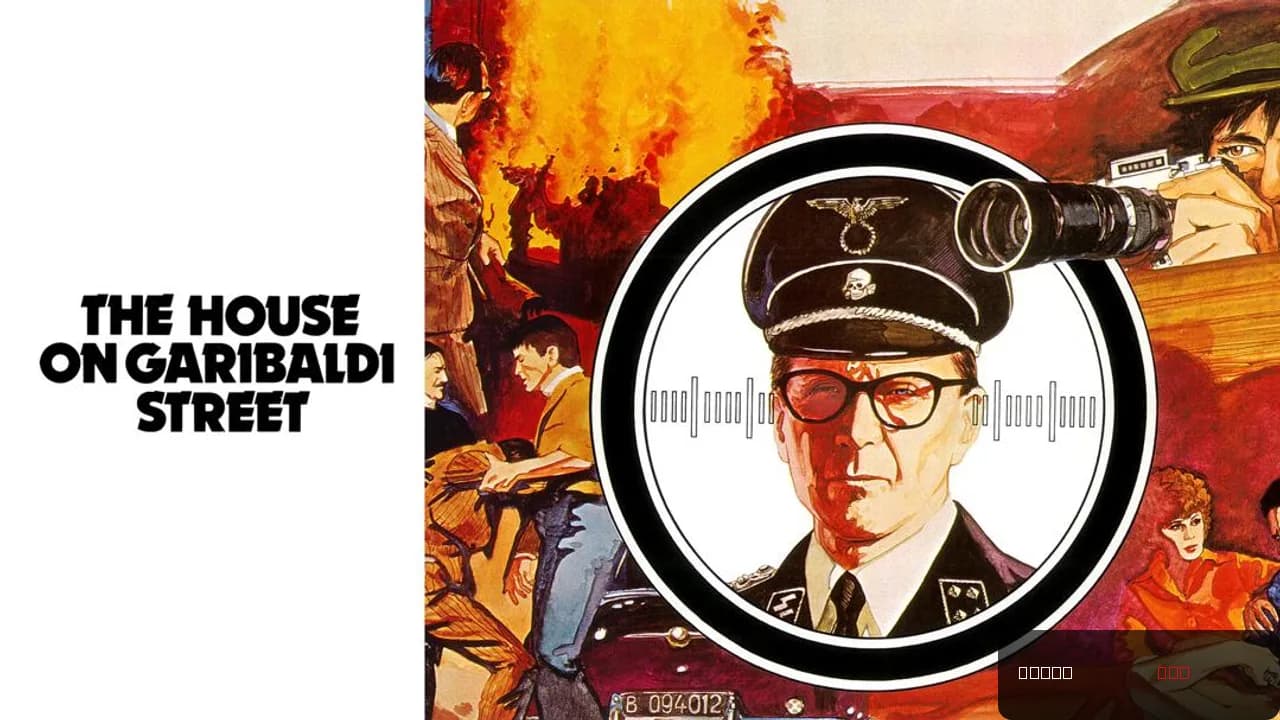
The story of The House on Garibaldi Street
The House on Garibaldi Street tells the gripping account of one of history's most audacious intelligence operations. When Israeli agents discover that Adolf Eichmann — the Nazi architect of the Holocaust's "Final Solution" — is alive and living under an assumed identity in Buenos Aires, the Mossad launches an extraordinary mission to capture him. What unfolds is a tense, methodical hunt across continents, where every detail matters and failure isn't an option. The film captures the moral weight of bringing a man responsible for genocide to face justice, while also exploring the human cost of such an operation to those tasked with executing it. It's not a revenge story, exactly. Rather, it's about accountability and the lengths a nation will go to ensure that history's worst criminals don't simply disappear into obscurity.
Behind the making of The House on Garibaldi Street
Directed by Peter Collinson, The House on Garibaldi Street arrived in 1979 as a television film — a medium that was becoming increasingly sophisticated in its storytelling ambitions. The film was adapted from the non-fiction book of the same name written by Isser Harel, the legendary Mossad chief who actually orchestrated the real operation in 1960. That's a crucial detail: the source material came directly from the man who lived it, lending the narrative an authenticity that Hollywood dramatizations often lack. Collinson brought a documentary-like precision to the direction, treating the espionage elements with the gravity they deserved rather than turning them into Hollywood theatrics.
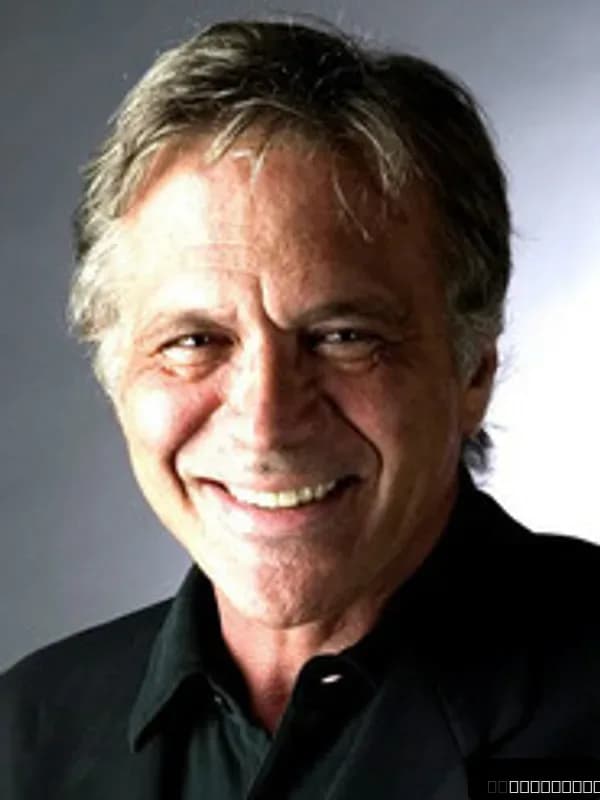
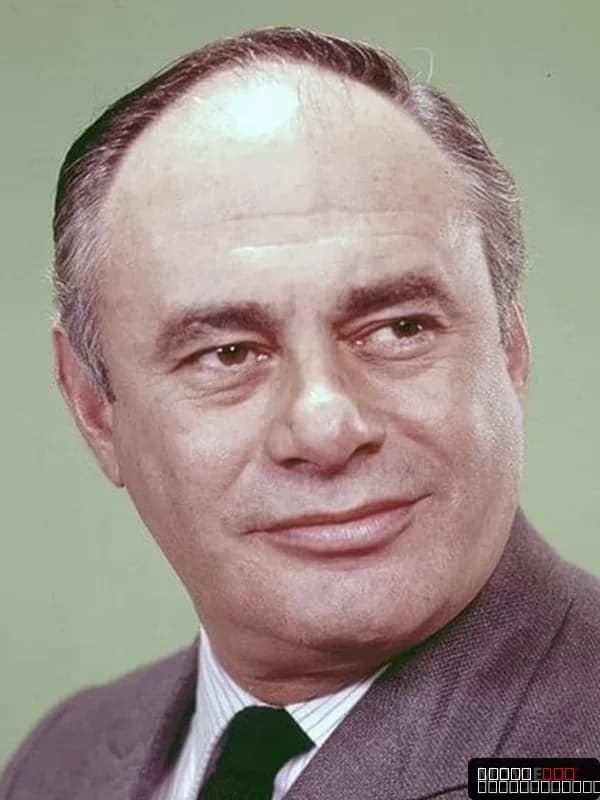
The cast assembled for the production was nothing short of exceptional. Chaim Topol, best known for his iconic role in Fiddler on the Roof, carries the film with a quiet intensity, while Martin Balsam — a veteran character actor with credits spanning from Psycho to The Godfather Part II — provides gravitas as one of the operation's architects. Janet Suzman, Leo McKern, and Charles Gray round out an ensemble that understood the historical significance of what they were portraying. These weren't actors playing dress-up; they were interpreting real events with the seriousness such material demands. The 101-minute runtime moves efficiently through the planning, surveillance, and execution phases without ever feeling rushed — a testament to both Collinson's pacing and the strength of the source material.
What makes The House on Garibaldi Street stand out
What's striking about The House on Garibaldi Street is how it resists the temptation to sensationalize. There are no car chases, no last-minute escapes, no melodramatic confrontations. Instead, Collinson constructs tension through procedure, through the meticulous work of intelligence gathering and the psychological toll it takes on those involved. You watch agents stake out a location, verify identities, and coordinate logistics — and somehow, it becomes riveting. The film doesn't shy away from the moral complexity either. These are good people doing necessary work, yet that work requires deception, kidnapping, and the violation of Argentine sovereignty. There's no clean victory lap here, no triumphant music swelling as Eichmann is captured. The tone remains somber, reflective.
Topol's performance is particularly noteworthy because he plays his character — a Mossad operative haunted by the war and by what he's witnessed — with restraint. He doesn't deliver rousing speeches about justice. He simply does the work, and you see the weight of it in his eyes, in the way he carries himself. Balsam, meanwhile, embodies the pragmatic intelligence officer who must balance the emotional stakes with operational necessity. It's the kind of understated acting that doesn't always get recognized by major awards bodies, but it's precisely what makes the film credible. When you're watching real events dramatized, ham-fisted performances can shatter the spell entirely. That doesn't happen here.
The film earned an IMDb rating of 5 out of 10, which honestly feels like a reflection of how audiences in the streaming era might view a slow-burn 1979 television drama rather than an indictment of the work itself. Critical reception at the time was more measured — this was a serious, sober treatment of serious subject matter, and it was respected as such. It won't appeal to everyone. If you're looking for action-movie thrills, you'll be disappointed. But if you want to understand how one of history's most important manhunts actually unfolded, told by someone who was there, this is essential viewing.
Where to stream The House on Garibaldi Street online
Finding The House on Garibaldi Street is straightforward thanks to Movie OTT, which tracks current streaming availability across platforms. The film is currently available on Prime Video, where you can stream it on-demand. Since this is a 1979 television film, it doesn't rotate through the major subscription catalogs the way newer releases do — Prime Video has become a reliable home for classic dramas and historical pieces like this one. Movie OTT's Where to Watch widget at the top of this page will show you the most up-to-date availability, so you can jump straight to streaming without guessing. It's worth noting that television films from this era are increasingly difficult to find, so having access to The House on Garibaldi Street through a major platform is genuinely valuable for anyone interested in how historical drama was made during this period.
Frequently asked questions
Q: Is The House on Garibaldi Street based on a true story?
Yes, absolutely. The film is based on the non-fiction book by Isser Harel, the actual Mossad chief who led the 1960 operation to capture Adolf Eichmann in Argentina. The events depicted — the surveillance, the planning, the capture, and Eichmann's transport back to Israel — all happened as the film portrays them.
Q: Who directed The House on Garibaldi Street?
Peter Collinson directed the film. He brought a documentary-like precision to the material, treating the espionage operation with seriousness and avoiding melodrama or unnecessary action sequences.
Q: What happened to Adolf Eichmann after his capture?
After being brought back to Israel, Eichmann stood trial in Jerusalem in 1961. He was found guilty of crimes against humanity and executed in 1962. His trial became a watershed moment in how the world confronted the Holocaust and held Nazi war criminals accountable.
Q: Where can I watch The House on Garibaldi Street?
The film is currently available to stream on Prime Video. You can check Movie OTT's streaming widget for real-time availability across all platforms.
Q: How long is The House on Garibaldi Street?
The film runs 101 minutes, which gives it enough time to develop the operation methodically without unnecessary padding or rushed pacing.
Final thoughts on The House on Garibaldi Street
The House on Garibaldi Street won't blow you away with spectacle. It's a quiet, purposeful film about serious people doing serious work. That's precisely why it matters. In an era when historical dramas often prioritize entertainment over accuracy, Collinson's adaptation — grounded in Harel's firsthand account — offers something rarer: a genuine window into how one of history's most important intelligence operations actually unfolded. If you can appreciate that kind of restrained, character-driven storytelling, this is absolutely worth your time.