
The story of The Taking of Pelham One Two Three
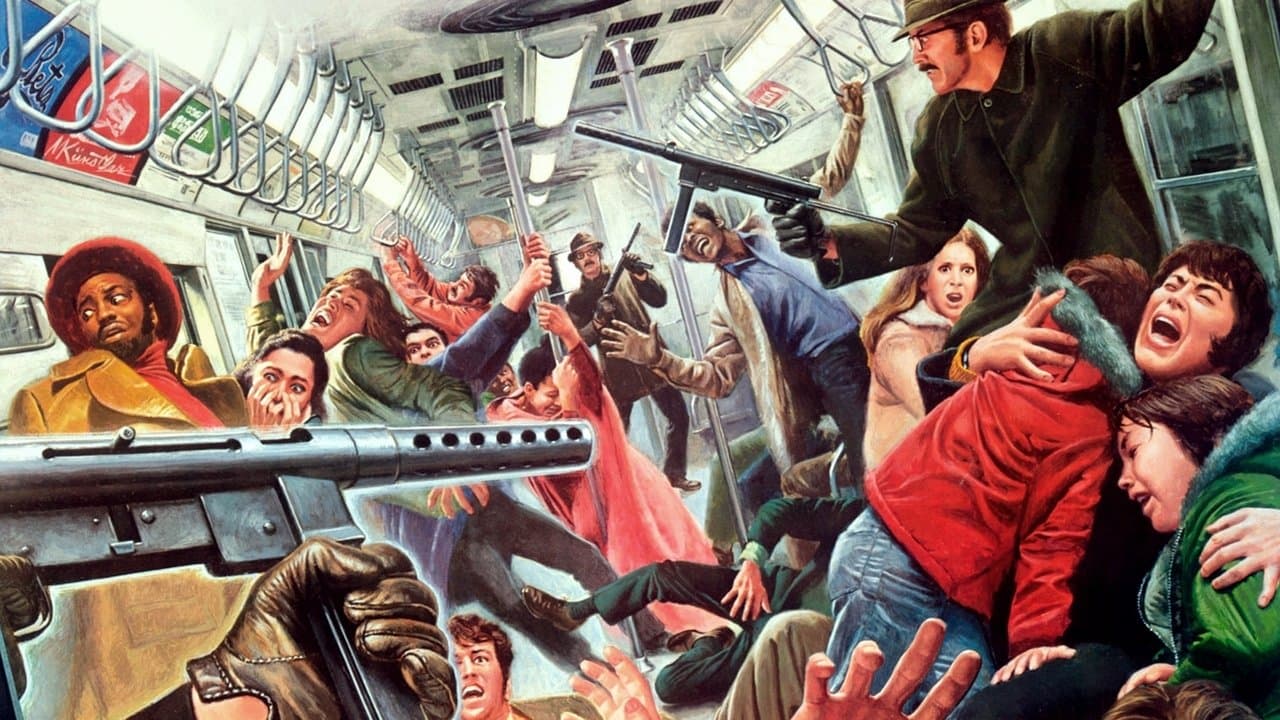
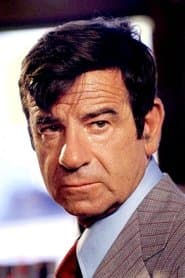
On an ordinary day in New York City, a subway train becomes a pressure cooker of negotiation, deception, and mounting stakes. Four armed men—identified only by colors: Blue, Green, Grey, and Brown—commandeer a downtown express car and issue an ultimatum that's both simple and devastating: hand over $1 million within the hour, or they'll execute one passenger every minute. There's no room for heroics, no obvious escape route, and no time for the authorities to think. What unfolds is a taut game of wits between the hijackers and a weathered transit police officer named Garber (Walter Matthau) who must second-guess their every move before bodies start piling up. The film doesn't waste energy on elaborate backstory or moral grandstanding—it's all momentum, all pressure, all clock-watching. You'll find yourself doing the math along with the characters: how many passengers die if negotiations stall for five minutes? It's that kind of movie.
Behind the making of The Taking of Pelham One Two Three
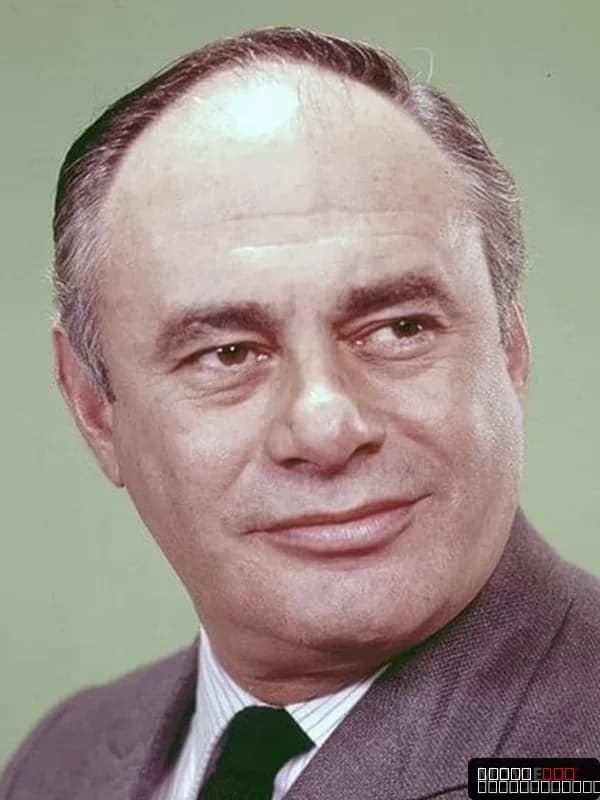
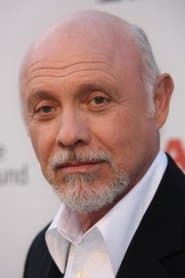
Director Joseph Sargent brought this 1974 thriller to life from a screenplay by Peter Stone, who adapted John Godey's 1973 novel (published under the pen name of Morton Freedgood). The production was helmed by Palomar Pictures International and Palladium Productions, and it landed with the kind of critical and commercial impact that defined the decade's best crime films. Matthau, already a seasoned character actor, anchored the film with his rumpled, seen-it-all demeanor—he'd spent years perfecting the role of the world-weary cop who's too smart to panic. Robert Shaw, playing the mastermind Blue, brought an intellectual menace to the part; Martin Balsam as Green and Héctor Elizondo as Grey rounded out a cast that felt lived-in rather than star-studded. The film runs 105 minutes and never once feels padded. What's striking is how economical the storytelling is—Sargent and Stone understood that in a thriller about a ticking clock, every scene has to earn its place. The film scored a 7.456 rating on IMDb, a testament to its enduring appeal across generations of viewers who appreciate tight plotting over spectacle.
What makes The Taking of Pelham One Two Three stand out
Here's the thing: this movie works because nobody's trying to be a hero. The hijackers aren't cartoon villains with elaborate death traps—they're methodical professionals who've thought through contingencies. Matthau's Garber isn't a action-movie cop; he's a bureaucrat in a uniform trying to navigate a system that's simultaneously too rigid and too slow. That tension between individual competence and institutional constraint is what keeps you watching. The performances anchor everything. Shaw brings a cold intelligence to Blue, making him feel like someone who's studied game theory and psychology. Matthau, by contrast, works through frustration and improvisation—you can see him running scenarios in real time, his face doing half the acting while his voice stays calm. The film's comedy comes from character, not jokes. When a city official fumbles a negotiation or a cop suggests something stupid, you laugh because it's true to how people actually behave under pressure. I keep coming back to the scene where the authorities debate whether to pay the ransom—nobody's certain, everyone's scared, and the clock doesn't care about their indecision. That's the genius of it. The film treats the subway itself as a character: cramped, claustrophobic, a maze that could hide an escape route or become a tomb. Sargent's direction is unfussy and direct—no showy camera work, no musical swells. Just the sound of a train, the ticking of time, and the weight of impossible choices.
Where to stream The Taking of Pelham One Two Three online
The Taking of Pelham One Two Three is available across major OTT services, and you can check the Where to Watch widget at the top of this page to see which platforms currently carry it in your region. Streaming availability shifts regularly, so Movie OTT keeps a live tracker of where this classic thriller lives—whether that's on subscription services, rental platforms, or ad-supported channels. Because the film has remained culturally relevant since 1974, it tends to cycle through different services depending on licensing agreements. The good news: it's almost always somewhere. If you're a serious thriller fan or someone building a collection of essential '70s crime cinema, this is worth owning outright, but checking Movie OTT's aggregator first can save you the hunt. The 105-minute runtime means it's the perfect length for a weeknight viewing—substantial enough to feel like a complete experience, lean enough that you won't lose focus.
Frequently asked questions
Q: Who directed The Taking of Pelham One Two Three?
Joseph Sargent directed the 1974 film, bringing a lean, efficient style to the material that prioritizes tension over spectacle. His work on the screenplay adaptation by Peter Stone created one of the decade's most influential thrillers.
Q: Is The Taking of Pelham One Two Three based on a true story?
No, it's based on a 1973 novel by John Godey (pen name of Morton Freedgood), though the premise—a subway hijacking for ransom—taps into real anxieties about urban crime and institutional vulnerability that were very much alive in the '70s.
Q: What's the runtime of The Taking of Pelham One Two Three?
The film runs 105 minutes, a tight runtime that keeps the tension wound tight without a single wasted scene.
Q: Why did The Taking of Pelham One Two Three get remade?
The 2009 Tony Scott version with Denzel Washington and John Travolta proved the premise's durability, though most critics and audiences prefer the leaner, more character-driven original.
Q: What genres does The Taking of Pelham One Two Three blend?
It's officially classified as crime, thriller, comedy, and action—a mix that works because the humor comes from character and situation rather than undercutting the stakes.
Final thoughts on The Taking of Pelham One Two Three
The Taking of Pelham One Two Three endures because it understands something fundamental about thrillers: tension doesn't come from explosions or car chases, but from smart people making impossible choices under pressure. It's a film that trusts its audience to follow complex negotiations and moral ambiguity without spelling everything out. If you love crime thrillers that prioritize intelligence over spectacle, or if you're curious about how the genre operated before CGI and superhero franchises, this is essential viewing. Fifty years later, it still grips. Watch it.